American Reunion
"The band is back, and the pie is cold."
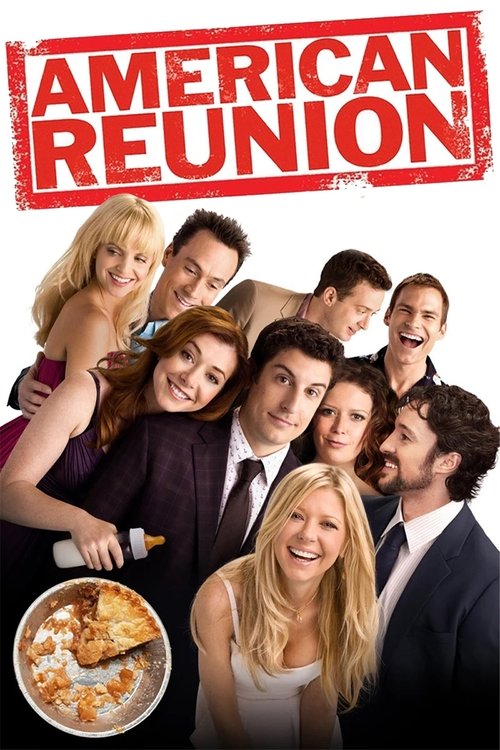
There is a specific brand of anxiety that comes with a "legacy sequel," especially one born from a franchise that practically invented the modern R-rated gross-out comedy. By 2012, the American Pie brand was, frankly, smelling a bit sour. After the original trilogy concluded in 2003, the series spent years face-planting into the direct-to-video bargain bin with a string of "presents" spin-offs that lacked the heart, the budget, and—most importantly—the original cast. When it was announced that the whole East Great Falls gang was actually returning for a theatrical tenth-anniversary reunion, the cinematic world let out a collective, skeptical "Why?"
I’ll admit, I walked into this one with low expectations and a lukewarm soda. I actually watched this for the first time on a flight where the person next to me was aggressively knitting a neon green sweater, and every time Jason Biggs ended up in a compromising position, she dropped a stitch. It felt like the perfect, chaotic environment to revisit the characters who defined my teenage understanding of "sophisticated" humor.
The Stifler Engine and the Nostalgia Trap
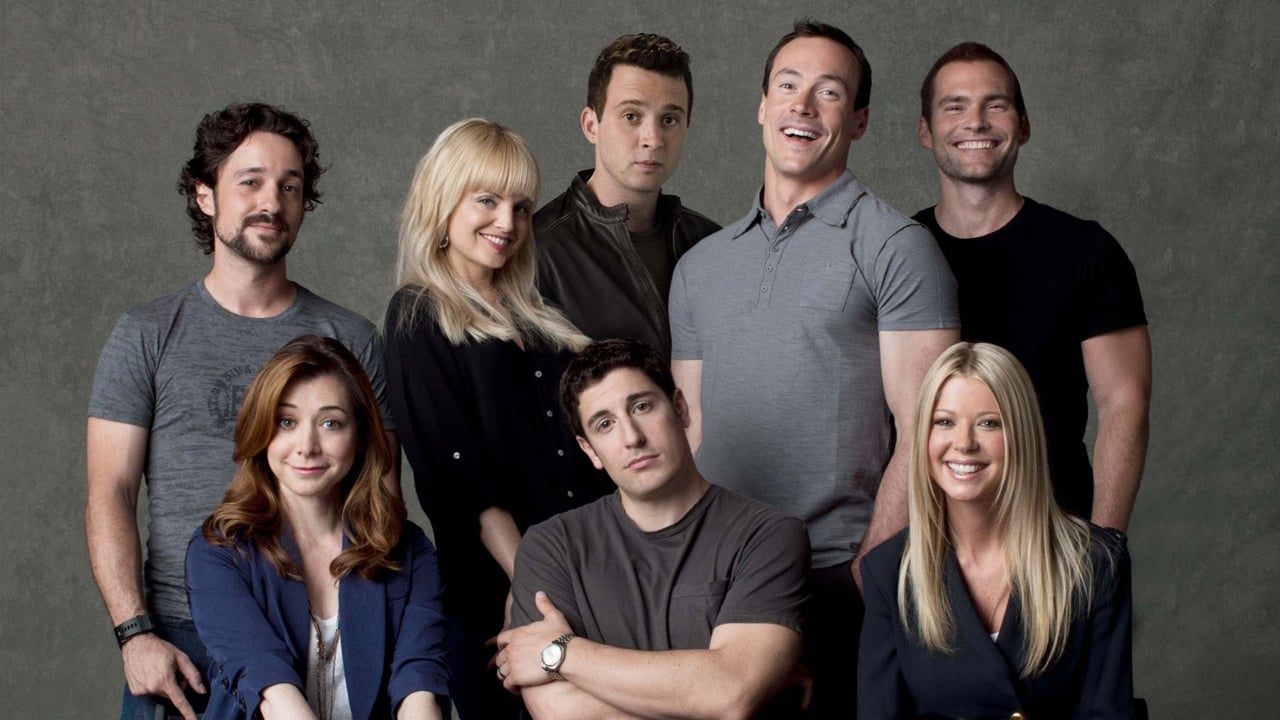
The brilliance of bringing back writers/directors Jon Hurwitz and Hayden Schlossberg (the duo behind Harold & Kumar Go to White Castle) was that they understood the assignment: this isn't just a comedy; it’s a high-school-reunion-as-exorcism. The film catches up with Jim (Jason Biggs) and Michelle (Alyson Hannigan) as they navigate the sexless doldrums of parenthood, while Oz (Chris Klein), Kevin (Thomas Ian Nicholas), and Finch (Eddie Kaye Thomas) grapple with the various ways adulthood has diluted their personalities.
But let’s be real: the movie lives and dies on Seann William Scott. As Steve Stifler, Scott provides the film’s only genuine source of kinetic energy. While the other actors look slightly embarrassed to be retreading old ground, Scott leans into the tragedy of a man who peaked in 1999. His performance is a masterclass in "high-functioning obnoxious," and it’s his refusal to grow up that highlights the film’s central tension. The movie is essentially a feature-length argument that being a grown-up is a boring, soul-crushing trap, and honestly, after seeing Oz’s fake-tanned lifestyle as a minor celebrity, I’m inclined to agree.
Gross-Out Gags in a Changing World

Comedy is a precarious thing to revisit. What worked in the late 90s—the era of the DVD "Unrated" edition and the rise of Judd Apatow—often feels clunky by 2012 standards. American Reunion tries to bridge this gap with mixed results. The "clear lid" kitchen scene is a classic Jim Levenstein disaster, relying on Jason Biggs’s unparalleled ability to look utterly humiliated while naked. It’s physical comedy that works because it’s rooted in character-specific bad luck rather than just shock value.
However, some of the humor reveals its era. We’re in that transitional period where the "Frat Pack" style was fading, and the internet was starting to demand a bit more wit than "guy gets hit in the crotch." The film’s reliance on Seann William Scott’s character being a borderline sociopath is funny, but it also highlights how the "Stifler" archetype was becoming a dinosaur. The directors navigate this by giving the older generation a spotlight; seeing Eugene Levy (Jim’s Dad) and Jennifer Coolidge (Stifler’s Mom) finally share a scene is a genuine "fan service" moment that actually earns its keep. It’s a reminder that these films always had more heart than the posters suggested.
A $234 Million Trip Down Memory Lane
From a production standpoint, American Reunion was a massive gamble that paid off spectacularly. Universal Pictures dumped $50 million into the budget—a huge sum for a comedy sequel a decade late—and was rewarded with a $234 million global haul. Looking back, this was one of the last gasps of the mid-budget studio comedy before the MCU-style blockbuster completely swallowed the theatrical landscape.
The film feels polished, thanks to Daryn Okada’s bright, clean cinematography and a soundtrack that unironically uses Third Eye Blind to trigger your dormant prom memories. There’s a fascinating "DVD culture" DNA here, too; the movie is structured with the rhythm of something designed to have "deleted scenes" and "gag reels" that people would actually watch. It’s a testament to the power of the original ensemble's chemistry. Despite the years apart, the core five feel like they’ve actually been through the trenches together. Watching Chris Klein try to act through a thick layer of "aging jock" angst is genuinely more compelling than it has any right to be.
Ultimately, American Reunion is the cinematic equivalent of a high school burger joint that changed owners but kept the original sauce recipe. It’s a bit greasier than you remember, and it might give you a slight stomach ache, but it hits the spot if you’re in the right mood. It’s far better than the direct-to-video trash that nearly killed the brand, and it provides a surprisingly sweet, if crude, bookend to the Jim and Michelle saga. If you grew up with these idiots, it’s worth the 114 minutes just to see Eugene Levy get his groove back.

Keep Exploring...
-
American Pie 2
2001
-
American Pie
1999
-
American Wedding
2003
-
Harold & Kumar Escape from Guantanamo Bay
2008
-

Ice Age: Dawn of the Dinosaurs
2009
-
Ice Age: Continental Drift
2012
-
Identity Thief
2013
-
Alvin and the Chipmunks
2007
-

Enchanted
2007
-
Shrek the Third
2007
-

The Simpsons Movie
2007
-

Wild Hogs
2007
-
Horton Hears a Who!
2008
-
Madagascar: Escape 2 Africa
2008
-

Mamma Mia!
2008
-

Marley & Me
2008
-
Sex and the City
2008
-

Yes Man
2008
-
Alvin and the Chipmunks: The Squeakquel
2009
-
Despicable Me
2010