Amour
"The most beautiful horror movie ever made."
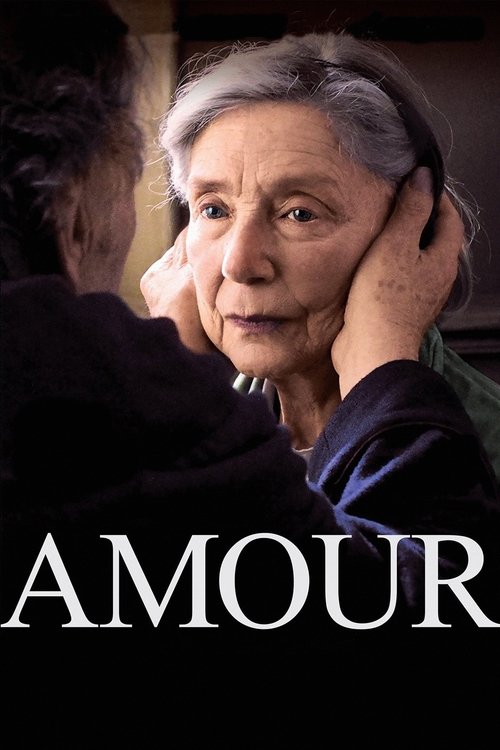
There is a specific kind of silence that only exists in the apartments of the elderly. It’s not a peaceful silence; it’s a heavy, expectant one, filled with the ticking of clocks and the faint creak of floorboards that have supported the same two people for half a century. When Michael Haneke opened Amour in 2012, he didn’t start with a sweeping romantic gesture or a nostalgic flashback. He started with the fire brigade breaking down a door. He showed us the end before he showed us the journey, stripping away any hope of a Hollywood miracle before the opening credits even finished.
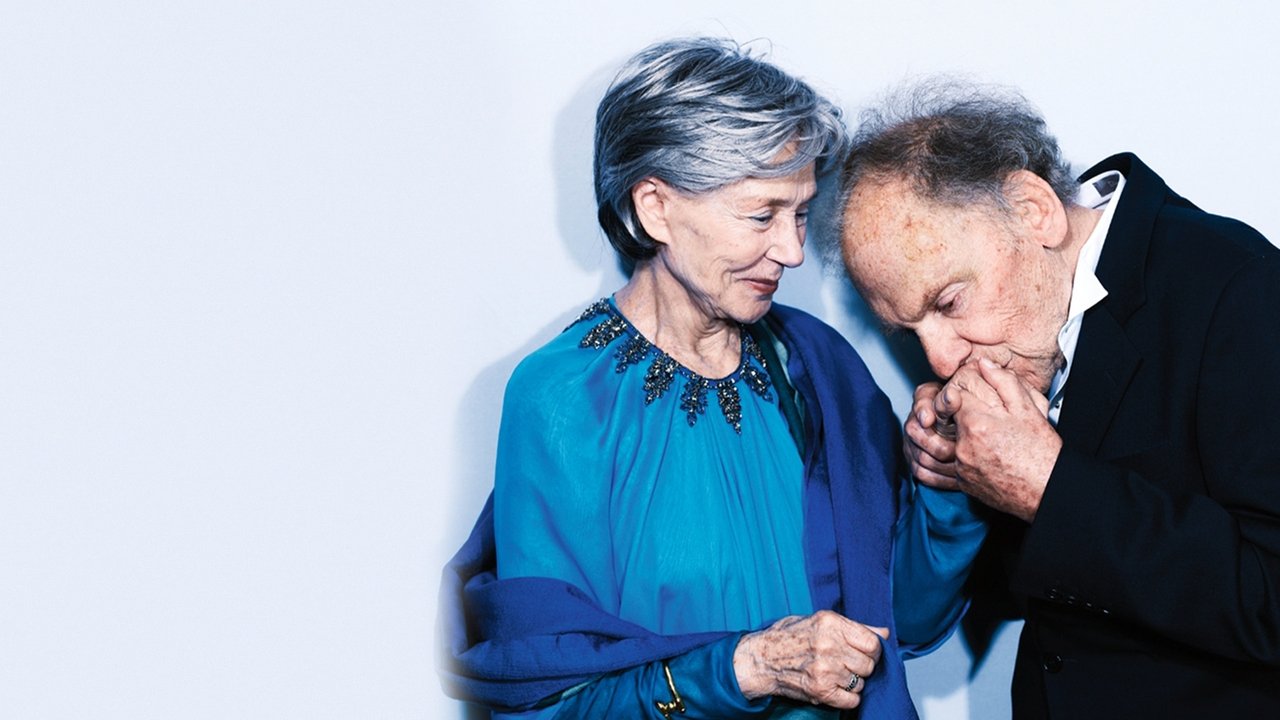
I watched this film on a rainy Tuesday afternoon while my neighbor’s power washer screamed against the siding next door, a jarring, mechanical intrusion that felt weirdly appropriate for a movie about the brutal interruption of a quiet life. Amour arrived during a fascinating pivot in cinema history, right as the 2010s began to fully embrace digital clarity. While blockbusters were using that tech to build multiverses, Haneke used it to scrutinize the wrinkles on a forehead and the terrifying stillness of a kitchen.
The Architecture of a Life
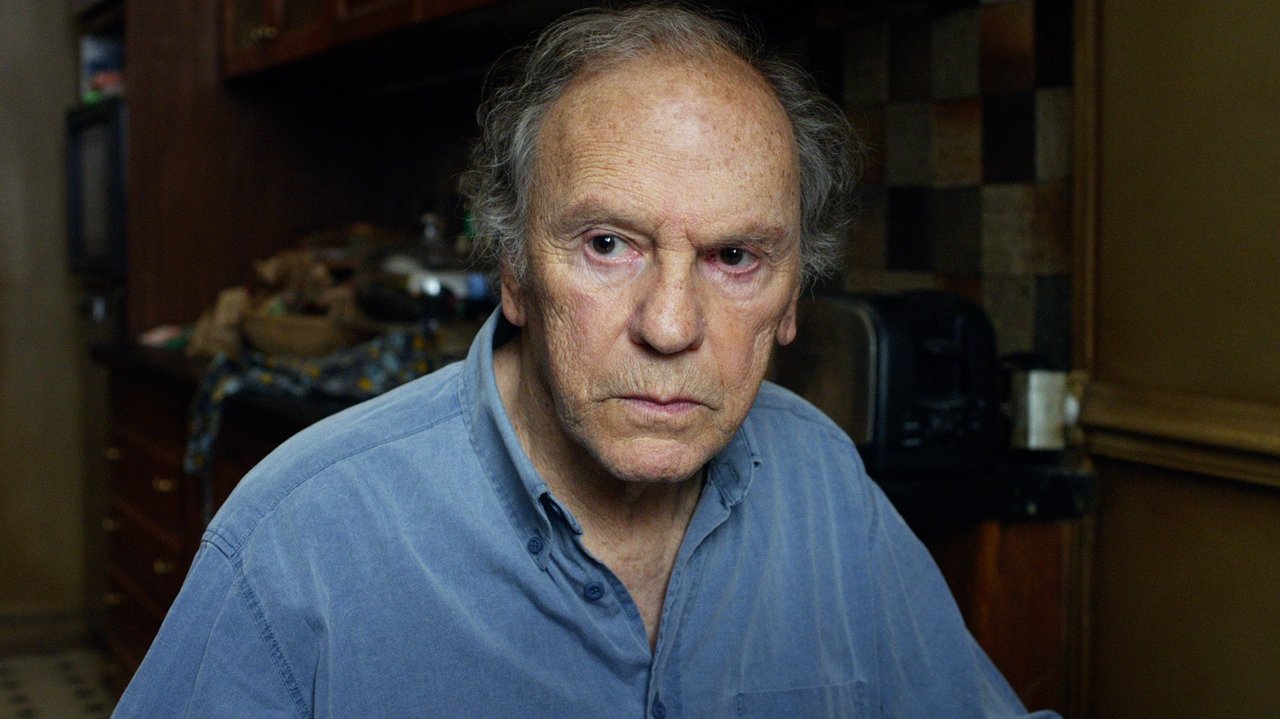
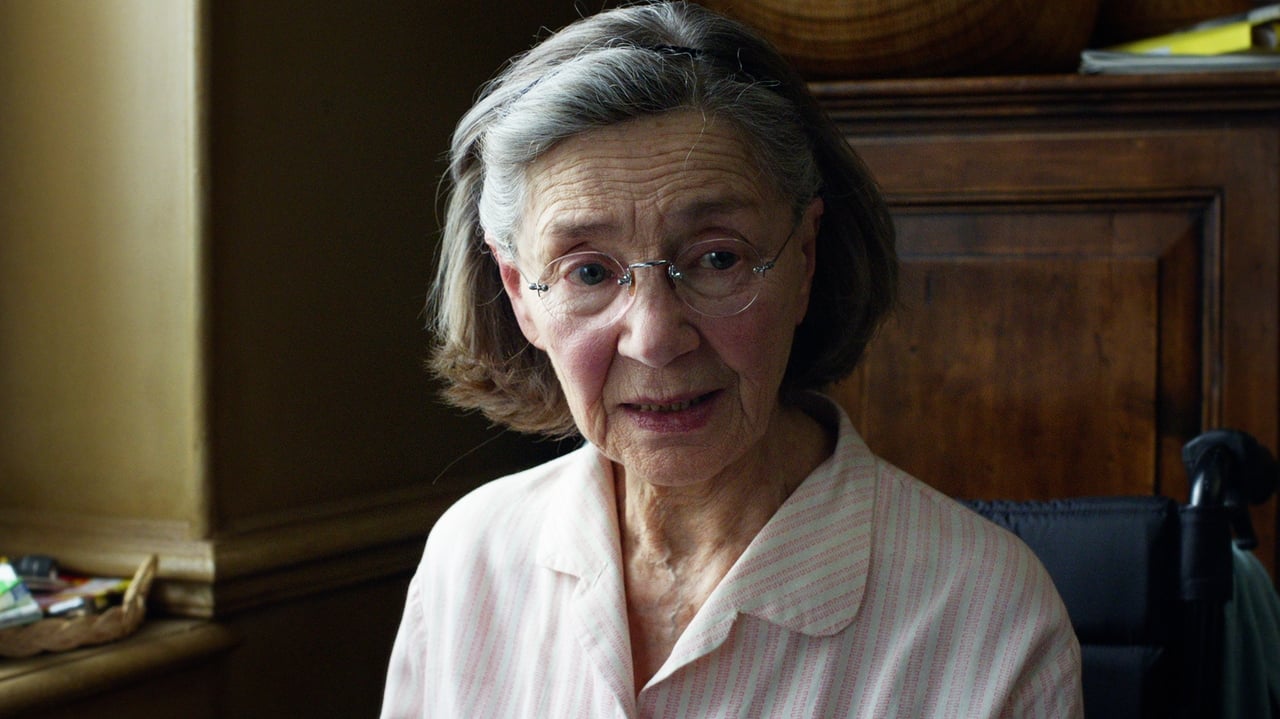
The film follows Georges and Anne, played by Jean-Louis Trintignant and Emmanuelle Riva, two retired music teachers living a life of cultured, comfortable routine. When Anne suffers a stroke, followed by a second one that leaves her paralyzed and sliding into dementia, their world shrinks. It’s no longer about concerts or philosophy; it’s about the logistics of the bathroom, the texture of pureed food, and the agonizingly slow pace of a physical decline.
What makes Amour so different from the "prestige dramas" of the 90s or early 2000s is Haneke’s refusal to use music to tell you how to feel. It’s a movie about musicians that is almost entirely devoid of a score. When music does play, it’s usually from a CD player that someone abruptly shuts off, leaving a vacuum in the room. This clinical approach is Haneke’s trademark—he was the guy who gave us the harrowing Funny Games and the chilly The White Ribbon—but here, the coldness feels like a form of respect. He doesn’t manipulate you with violins because the reality of the situation is loud enough on its own.
The Nuance of the Inevitable
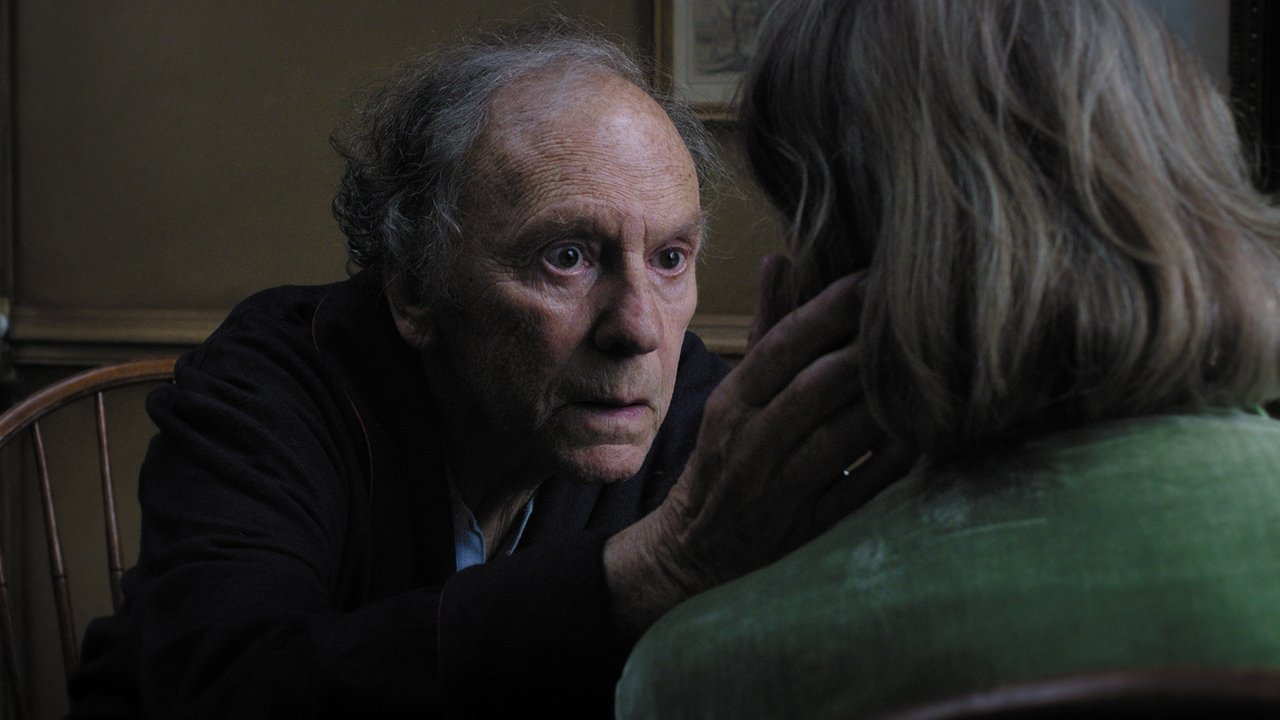
The performances here aren't just "good"; they are tectonic. Jean-Louis Trintignant came out of a long retirement because Haneke wrote the script specifically for him, and he brings a weary, stubborn dignity to Georges that is heartbreaking to watch. He isn't a saint; he’s a man trying to honor a contract he signed in his youth, and sometimes he’s frustrated, short-tempered, and exhausted.
Then there is Emmanuelle Riva. Looking back at the 2012 awards season, it’s still wild that she didn't take home every trophy in existence. She manages to portray the loss of a self with terrifying precision. You see the light leave her eyes in stages. When Isabelle Huppert shows up as their daughter, Eva, she acts as a surrogate for the audience. Isabelle Huppert basically plays a walking anxiety attack in a designer scarf, offering useless suggestions and crying about the "tragedy" of it all while Georges is the one actually changing the bedsheets. It’s a biting commentary on how we deal with the aging of our parents—with a lot of sentiment and very little actual help.
A Different Kind of Digital Truth
By 2012, digital cinematography had lost its "cheap" look and gained a hyper-realist edge. The legendary cinematographer Darius Khondji (who shot Se7en and The City of Lost Children) used the Arri Alexa to give the apartment a glow that feels both warm and tomb-like. The detail is so sharp that you feel the claustrophobia of the four walls. This was the era where indie films began to look as "expensive" as studio pictures, and Amour uses that clarity to ensure we don't look away from the physical reality of Anne’s condition.
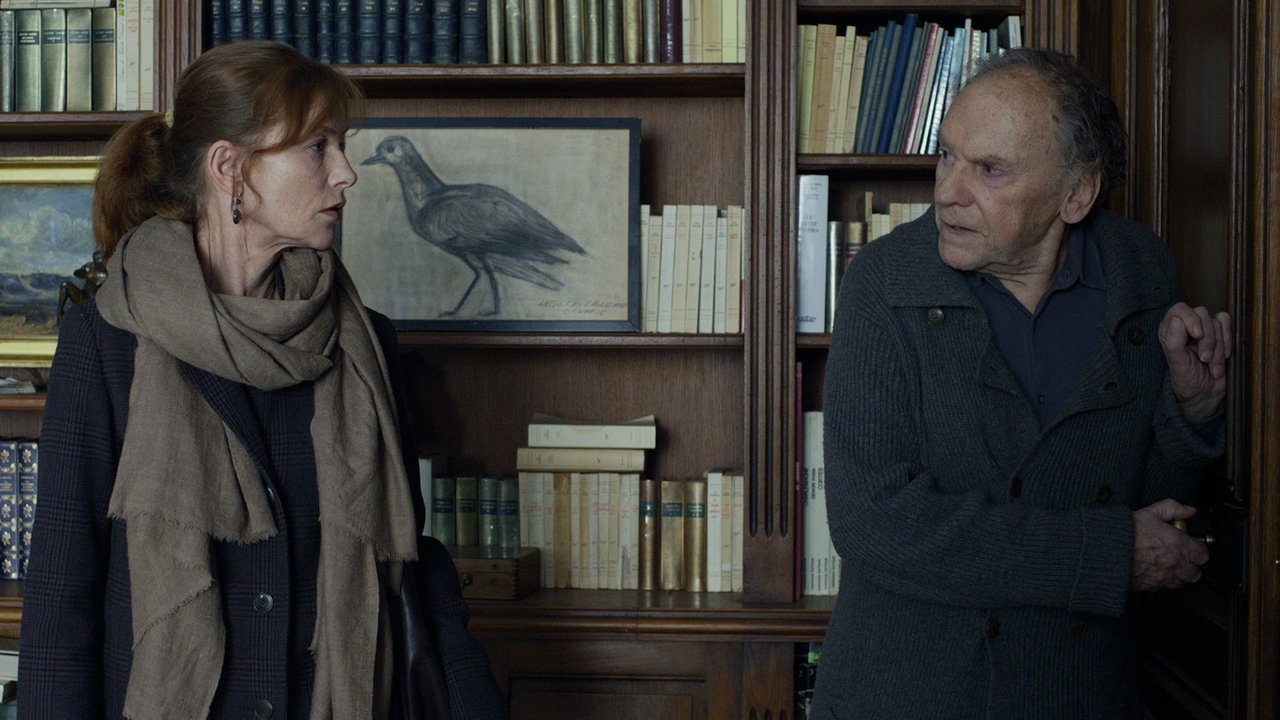
The film raises philosophical questions that most of us spend our lives trying to ignore. At what point does "care" become "prolonging"? Is the ultimate act of love a sacrifice, or is it a release? Haneke doesn't provide a pamphlet with the answers. Instead, he gives us the "pigeon scene"—a strange, metaphorical moment involving a bird that gets into the apartment—that remains one of the most debated sequences in modern European cinema. It’s a movie that asks you to sit in the discomfort of your own mortality for two hours, and somehow, it’s one of the most rewarding experiences you’ll ever have. Calling this a "romance" is like calling Jaws a nature documentary, but in its own harsh, uncompromising way, it’s the most honest love story ever put to film.
This isn't a "fun" movie, and it’s certainly not something you put on while folding laundry. It’s a film that demands your full attention and, in exchange, gives you a profound understanding of what it means to stay until the very end. It’s a masterpiece of the digital era that feels like it was carved out of ancient stone. Watch it with someone you love, but maybe wait for a sunny day.
Apparently, Michael Haneke was so insistent on realism that the apartment was actually a meticulously constructed set in a studio, rather than a real Paris flat, allowing him to move walls for those perfect, haunting angles. It’s that level of control that makes the film’s eventual chaos feel so earned. It’s a tough watch, but an essential one.
Keep Exploring...
-
The Piano Teacher
2001
-

The White Ribbon
2009
-
Caché
2005
-

My Name Is Khan
2010
-
Laurence Anyways
2012
-
The Way He Looks
2014
-

Three Colors: Red
1994
-
Talk to Her
2002
-
Rust and Bone
2012
-
A Dog's Will
2000
-
Millennium Actress
2002
-
Atonement
2007
-
The Reader
2008
-
The Wrestler
2008
-
Mr. Nobody
2009
-

Flipped
2010
-
Moonrise Kingdom
2012
-
About Time
2013
-
The Diving Bell and the Butterfly
2007
-
Funny Games
1997