Anna Karenina
"A high-society scandal played on a crumbling stage."
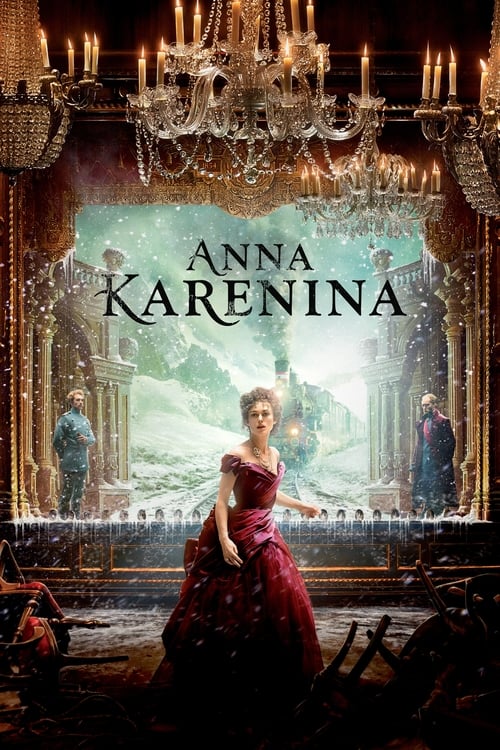
The moment the curtain rises—literally—on Joe Wright’s 2012 adaptation of Anna Karenina, you know you aren’t in for another stuffy, tea-and-crumpets BBC miniseries. We see a stagehand scurrying to change a backdrop. We hear the creak of wooden floorboards. Then, Matthew Macfadyen (our beloved Mr. Darcy from Wright’s Pride & Prejudice) struts onto the scene as Oblonsky, getting a shave in the middle of a literal theater. I watched this for the first time on my laptop while eating a lukewarm bowl of instant ramen, and the sheer opulence of the costumes made my dinner feel particularly tragic.
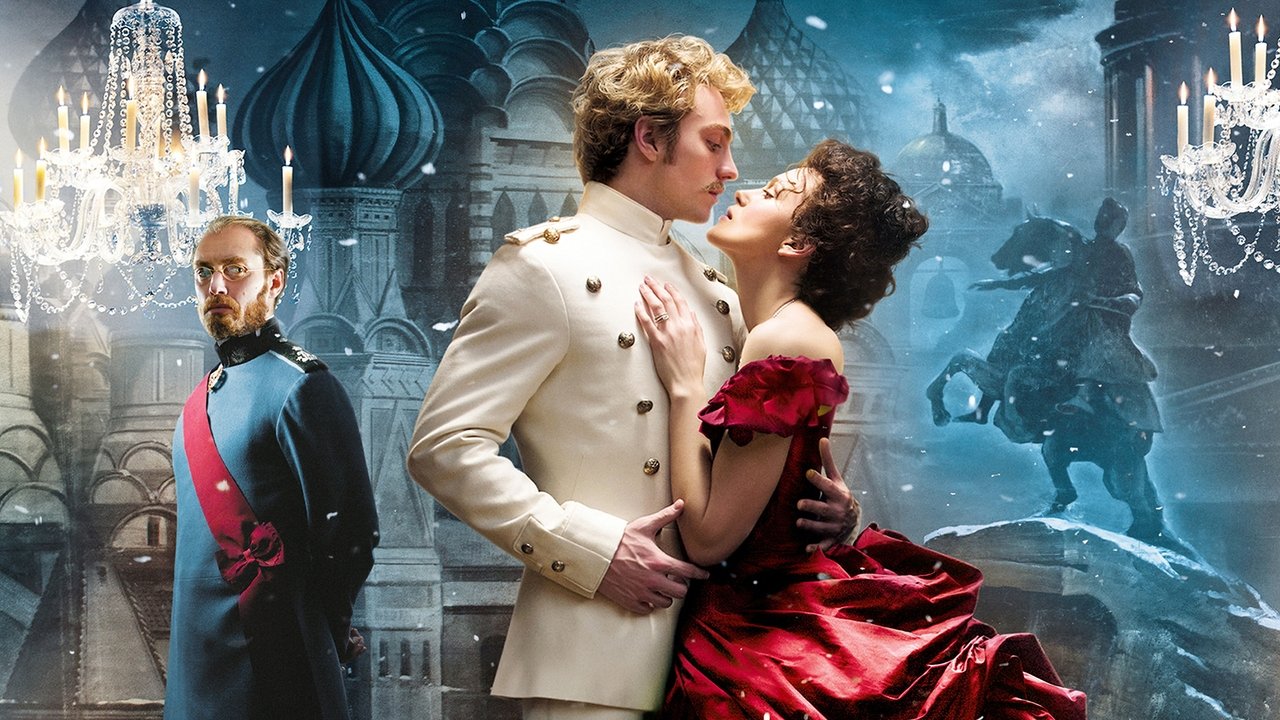
This isn't just a movie; it’s a high-wire act of theatrical bravado. While most directors would fly a crew to St. Petersburg to capture the snowy grandeur of Russia, Wright decided, about twelve weeks before production, that he was bored with traditional locations. Instead, he built an entire world inside a single, dilapidated theater in London. It was a massive gamble that turned the film into a "love it or hate it" cult object for the Pinterest era.
All the World’s a Stage (Literally)
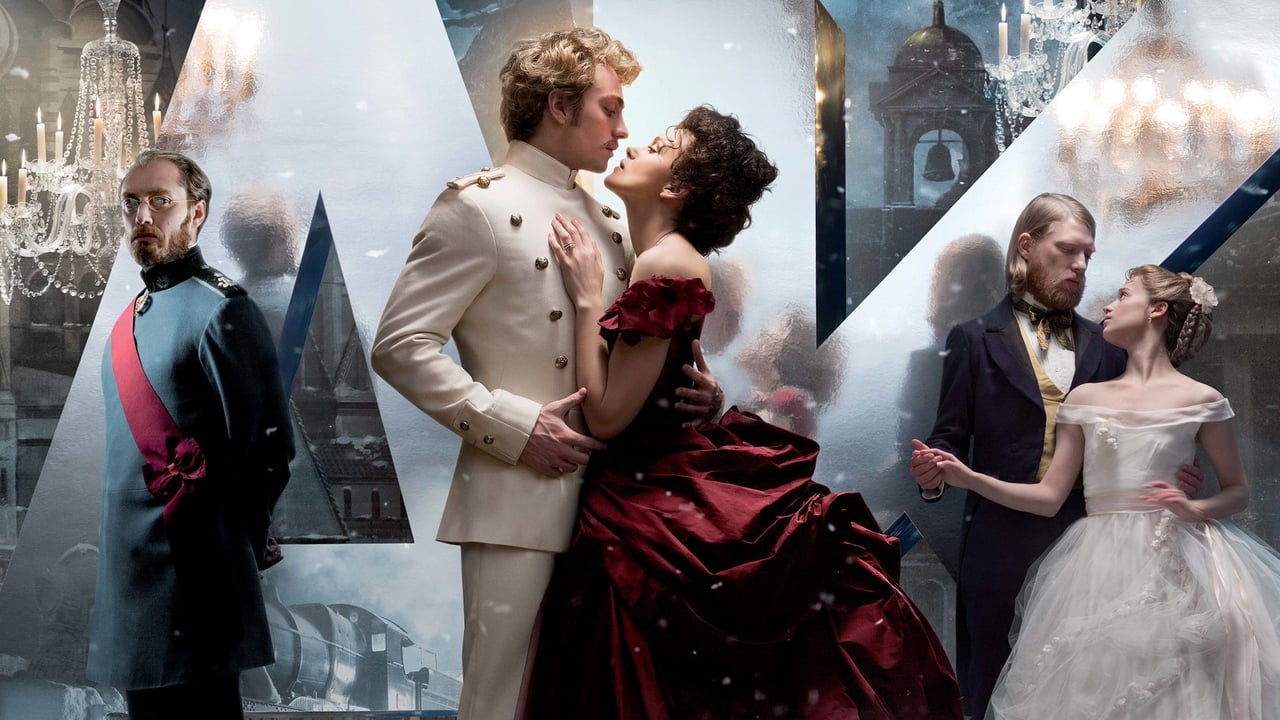
The genius of this approach is how it mirrors the suffocating nature of Russian high society. For Anna, played with a brittle, feline intensity by Keira Knightley, life is a performance where the "audience" is always judging. When she walks from a ballroom into a backstage hallway, or when a horse race takes place right on the theater's floorboards, the artifice is the point. It’s a movie about people trapped in roles they didn't write for themselves.
Looking back from a world now saturated with CGI backgrounds that feel empty and weightless, the tactility here is gorgeous. The transitions are seamless—characters walk through a door in Moscow and find themselves in a snowy forest that is clearly made of paper and lights, yet it feels more "real" than a $200 million Marvel set. It turns out the film treats the Russian aristocracy like a giant, beautiful, dying hamster wheel, and I couldn’t look away.
Diamonds, Mustaches, and Miscasting
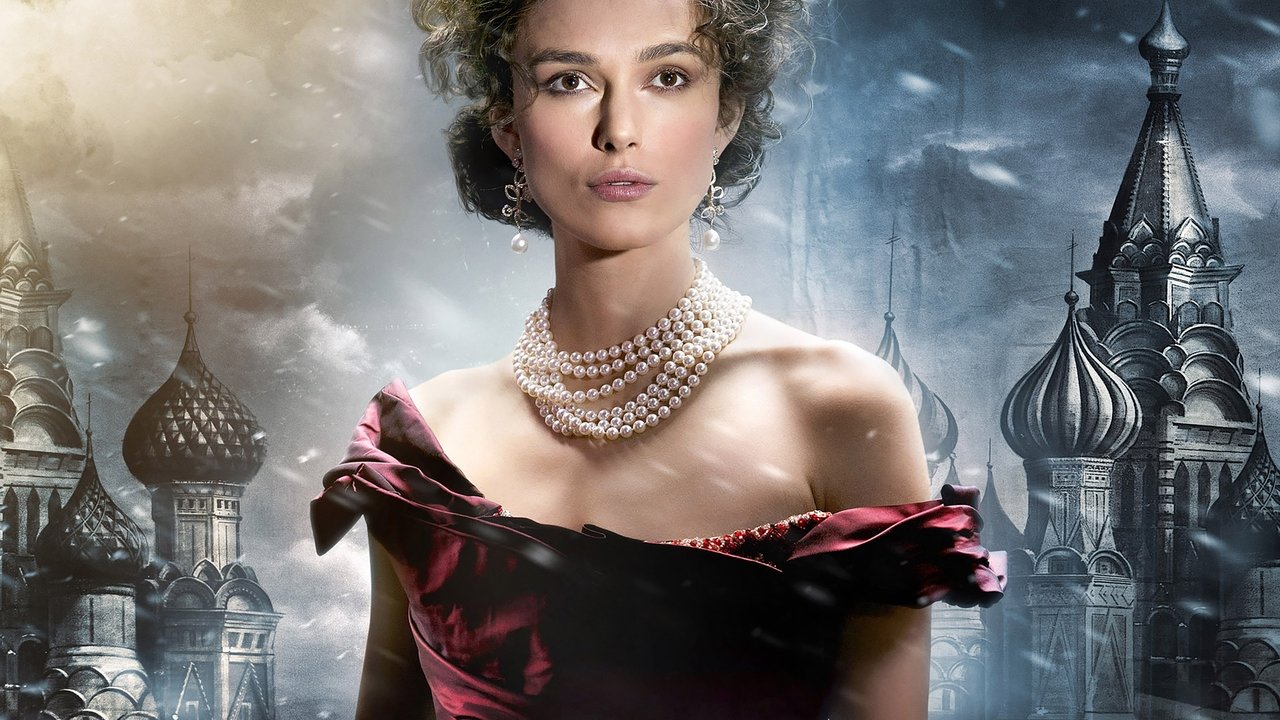
Keira Knightley is often criticized for being "too much" in her period pieces, but here, that nervous energy fits Anna’s descent into paranoia perfectly. She’s draped in real Chanel diamonds—apparently, the production borrowed $2 million worth of jewelry—which probably explains why she looks like she’s carrying the weight of the world on her neck.
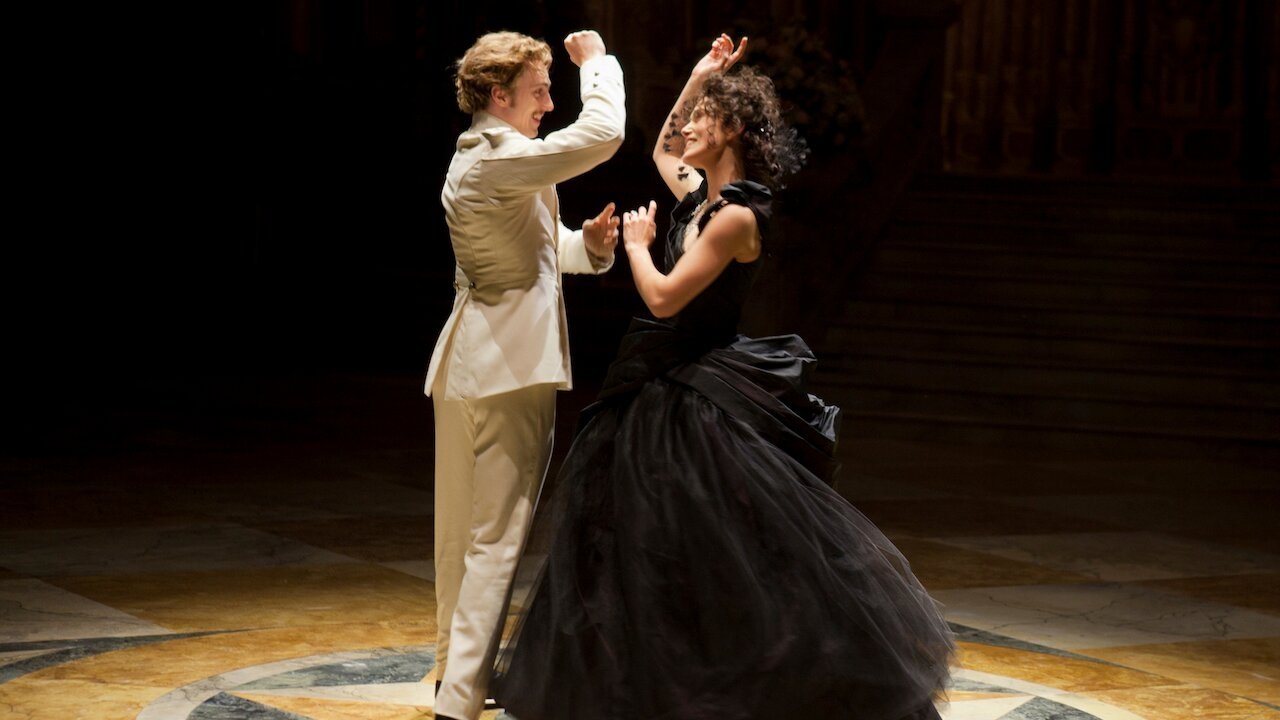
Then there’s the Vronsky problem. Aaron Taylor-Johnson (who later went full action-hero in Godzilla and Kraven the Hunter) plays the man who ruins Anna’s life. With his bleached-blond curls and waxed mustache, Aaron Taylor-Johnson looks like he’s cosplaying as a very handsome, very confused lemon chiffon cake. It’s hard to see why Anna would wreck her entire existence for him, other than the fact that he looks great in a white uniform.
The real MVP, however, is Jude Law as Anna’s husband, Karenin. Law, usually the charming lead (think The Talented Mr. Ripley), disappears into a balding, stiff, bureaucratic shell of a man. He manages to make a character who could have been a villain into someone deeply pathetic and almost noble. Every time he cracks his knuckles, you feel the dry, dusty tragedy of a marriage that has run out of oxygen.
Behind the Scenes of the Spectacle
Part of the fun of revisiting this film is noticing the small, weird details that make it a cult favorite. For instance, the choreography isn't just for the dance scenes. Joe Wright brought in Sidi Larbi Cherkaoui to choreograph the entire movement of the film. Notice how the waiters move in unison, or how the office clerks stamp their papers in rhythm. It gives the whole movie a rhythmic pulse that feels like a heartbeat.
Here are a few things I dug up that make the production even more fascinating:
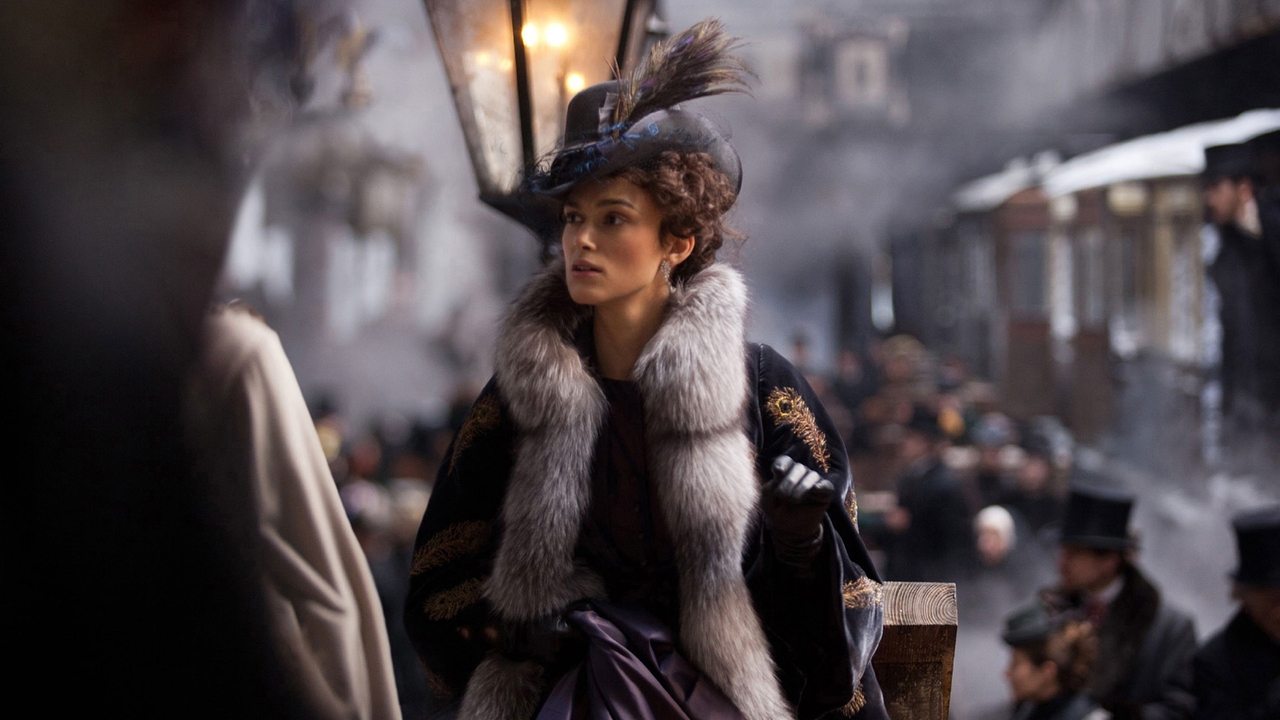
The fake snow was actually made of paper, which apparently caused a massive dust problem for the actors' lungs. Keira Knightley was actually reading Tolstoy’s original novel while filming A Dangerous Method with David Cronenberg, which is where she supposedly refined her take on Anna’s psychological breakdown. The theater set was so massive that it housed over 100 different sets, all interconnected by hidden doors and corridors. Matthew Macfadyen’s mustache was entirely real, and he reportedly grew it to such epic proportions that it became a local celebrity on the set.
The Polarizing Legacy
When it came out, critics were divided. Some found the theater conceit distracting, a "gimmick" that got in the way of the emotion. But I’d argue that in the decade-plus since its release, the film has aged incredibly well. It captures that 2010s obsession with "twee" aesthetics and craftsmanship but anchors it in a story that is genuinely devastating.
It’s a movie for people who love the process of filmmaking as much as the story itself. It’s for the folks who want to see the stitches in the costume and the paint on the backdrop. It’s not "realistic," but it is deeply, painfully human. By the time we reach the final, inevitable tragedy on the train tracks, the theater walls seem to be closing in for real.
In an era where every blockbuster feels like it was rendered on a server farm, Anna Karenina stands as a handcrafted, slightly mad experiment. It’s a lush, dizzying, and occasionally alienating experience that dares to be different. Whether you’re here for the Tolstoy drama or just to see Matthew Macfadyen eat a massive plate of oysters with infectious joy, it’s a trip to the theater that stays with you long after the final curtain call.
Keep Exploring...
-
The Duchess
2008
-
Atonement
2007
-

Pride & Prejudice
2005
-

The Other Boleyn Girl
2008
-
Never Let Me Go
2010
-
Enemy at the Gates
2001
-

Alexander
2004
-

Cinderella Man
2005
-

Memoirs of a Geisha
2005
-
The Young Victoria
2009
-
A Royal Affair
2012
-
Brooklyn
2015
-
Joyeux Noel
2005
-
Laggies
2014
-
Elizabeth: The Golden Age
2007
-
5 Centimeters per Second
2007
-
High School Musical 2
2007
-

Milk
2008
-
Revolutionary Road
2008
-
The Wrestler
2008