Argo
"To save six lives, he staged a blockbuster."
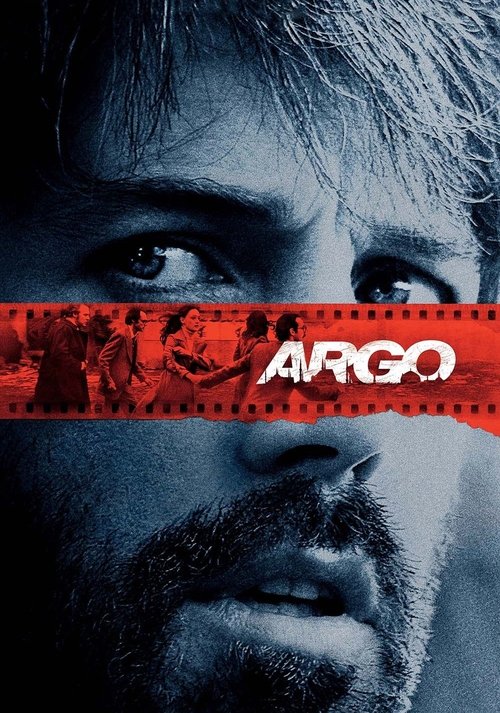
I remember watching Argo in a theater where the air conditioning was cranked so high I was shivering, yet by the final twenty minutes, I was sweating through my shirt. It’s a strange sensation—to be physically cold but narratively overheated. I was sitting next to a guy who was loudly snacking on a bag of baby carrots, and even the rhythmic crunch-crunch-crunch of his healthy choices couldn't break the spell of the tension Ben Affleck was weaving on screen.
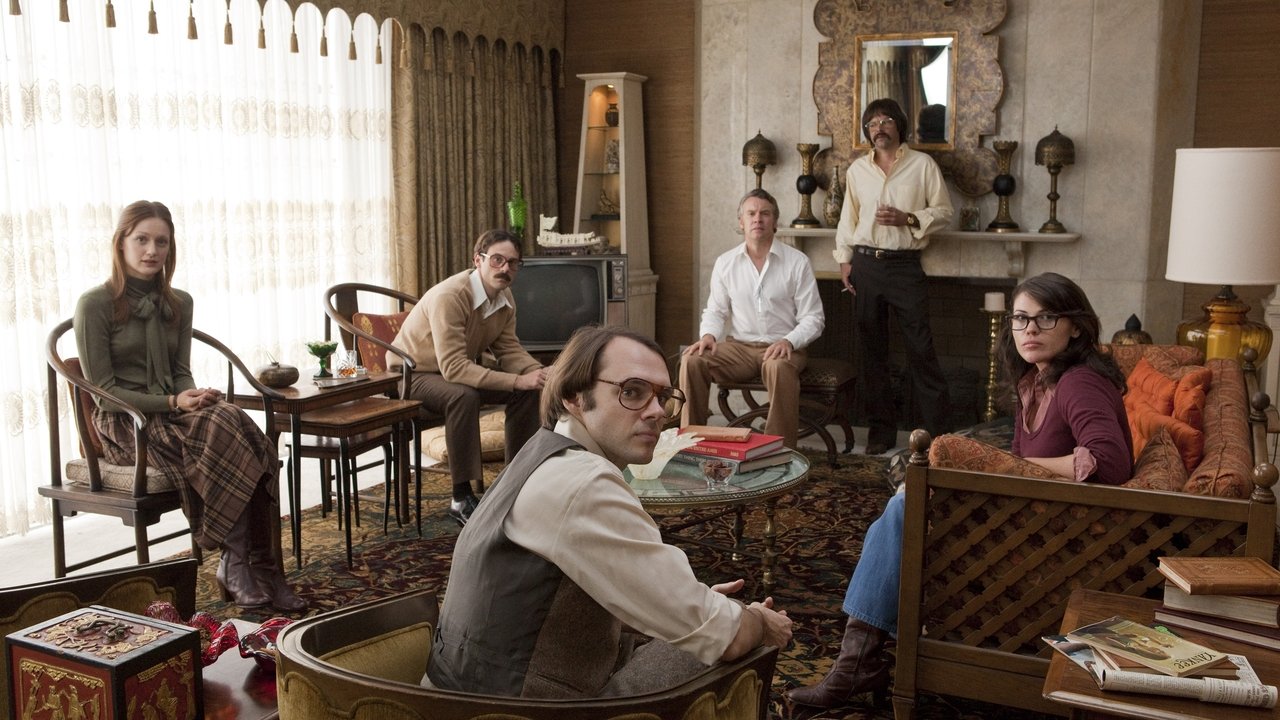
Argo arrived in 2012 at the peak of what I like to call the "Affleck-sance." After a decade of being a tabloid punchline, Ben Affleck had retreated behind the camera to prove he actually understood the mechanics of cinema better than most of his peers. With Argo, he didn't just direct a thriller; he directed a love letter to the absurdity of his own industry, wrapped in the grim, dusty shroud of a 1979 international crisis.
The Audacity of the "Fake"
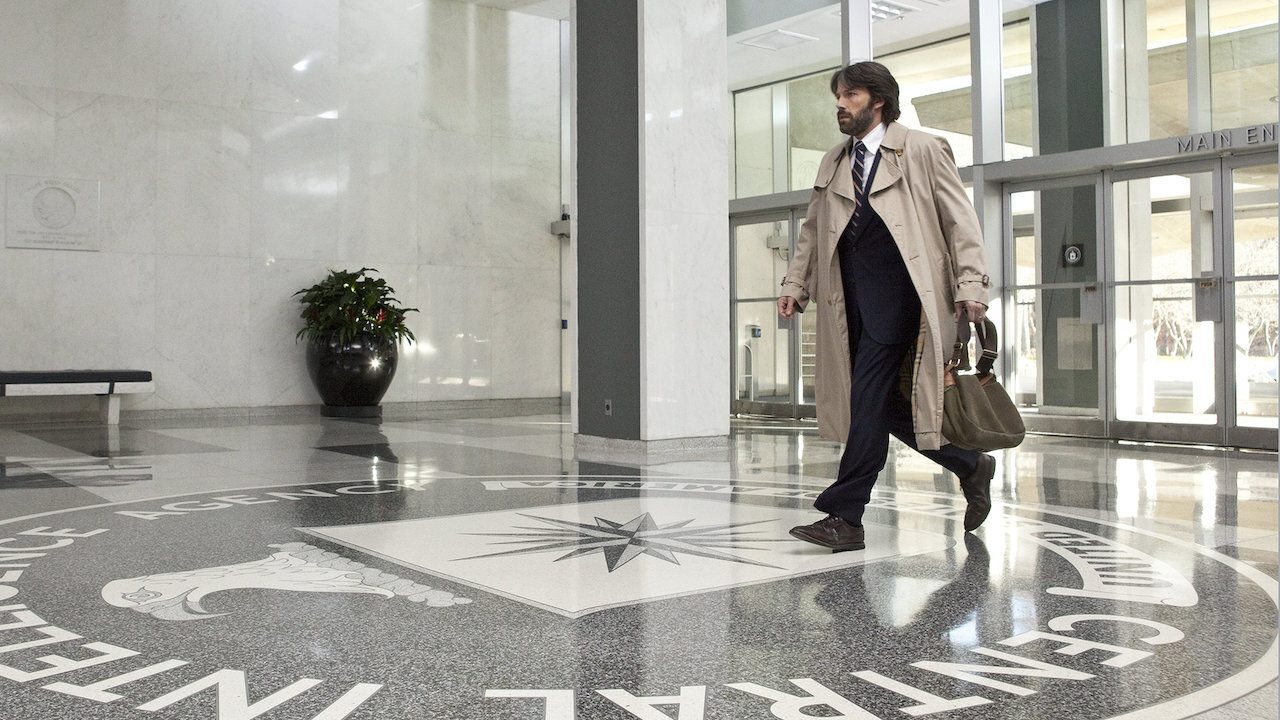
The premise sounds like something a screenwriter would come up with after three martinis at Musso & Frank: to rescue six Americans hiding in the Canadian ambassador’s house in Tehran, the CIA creates a fake Canadian film production. They aren't diplomats; they’re a location-scouting crew for a cheesy Star Wars rip-off called Argo.
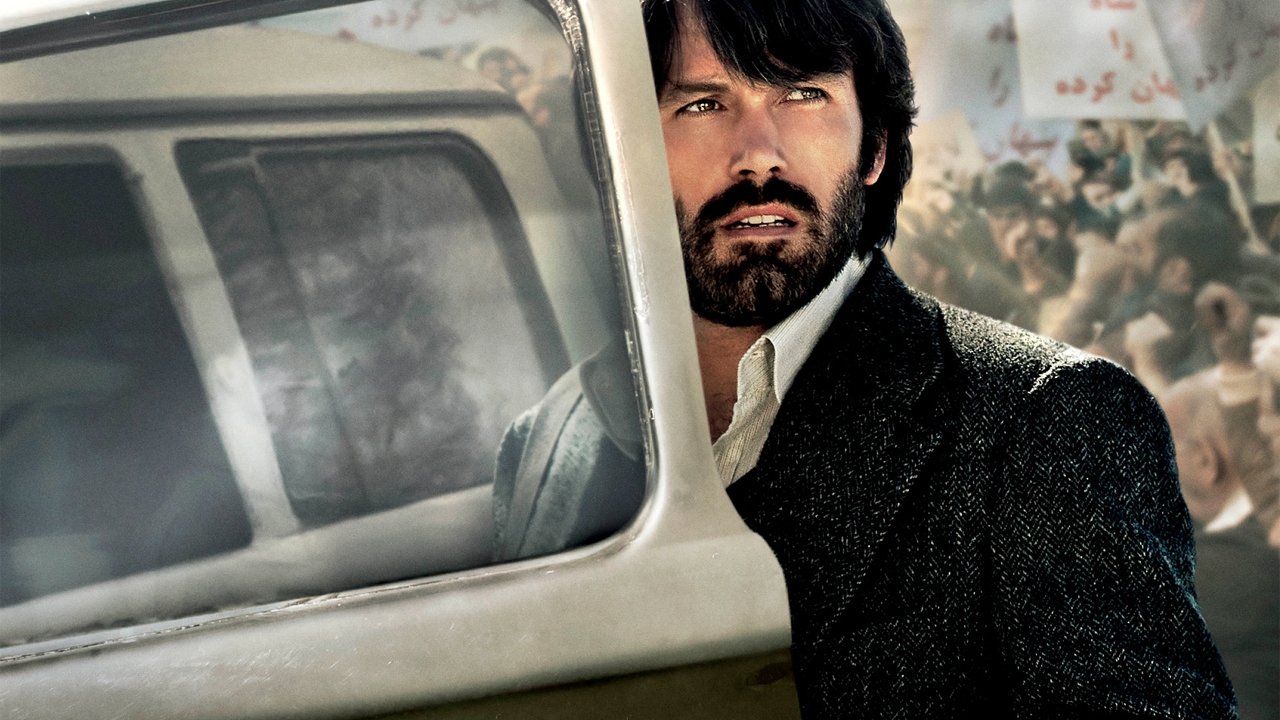
What makes the film work isn't just the high-stakes extraction; it's the jarring, almost tonal whiplash between the terrifying reality of revolutionary Iran and the cynical, sun-drenched ego of Hollywood. One minute you’re watching protesters scale the walls of the U.S. Embassy in a sequence that feels uncomfortably documentary-like, and the next you’re with John Goodman (as legendary makeup artist John Chambers) and Alan Arkin (as producer Lester Siegel).
Alan Arkin is the secret weapon here. His delivery of the soon-to-be-iconic "Argo fuck yourself" wasn't just a catchphrase; it was a mission statement for a town that thrives on bullshit. The way the film balances the life-and-death stakes of the "Houseguests" (including a panicked Tate Donovan) with the procedural bureaucracy of Bryan Cranston’s Jack O’Donnell is a testament to Chris Terrio’s tight, Oscar-winning screenplay. It’s a drama that knows when to breathe and when to suffocate you.
Grain, Grit, and 1970s Anxiety
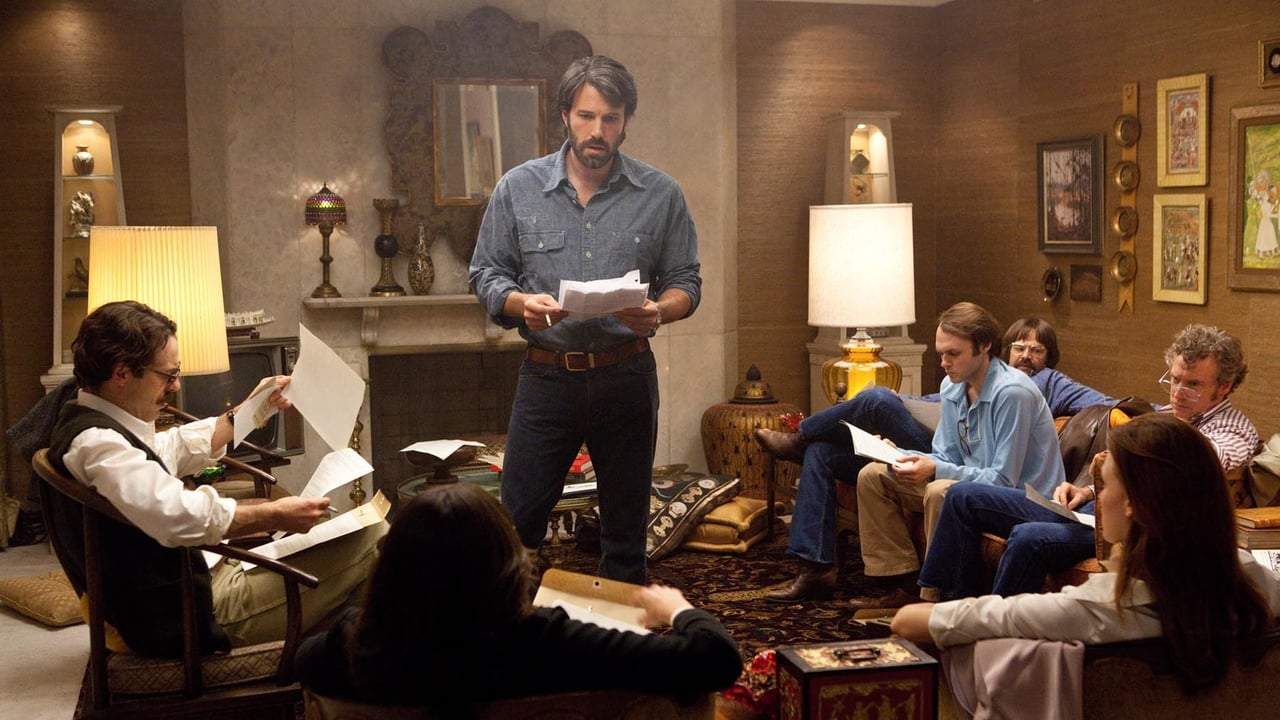
Looking back from our era of ultra-crisp digital 4K, Argo is a beautiful reminder of how much "texture" matters. Affleck and cinematographer Rodrigo Prieto went to great lengths to make the film look like it was shot in 1979. They used 2-perf film stock and pushed it during development to increase the grain, making the Tehran sequences feel tactile and dangerous.
This was a film made in the shadow of the post-9/11 world, reflecting on an earlier era of American vulnerability. It captures that specific Y2K-era fascination with "true stories" that felt stranger than fiction, but it executes the period detail without falling into the trap of "costume party" cinema. The beards are shaggy, the glasses are oversized, and the offices are choked with cigarette smoke. Affleck’s hair and beard in this movie are doing 40% of the emotional heavy lifting, grounding his stoic, almost internal performance as Tony Mendez. He’s the straight man in a world gone mad, and his stillness is the anchor the movie needs.
The Blockbuster That Actually Made Money
We often forget that Argo was a massive commercial hit. In an era where "adult dramas" were starting to migrate to prestige TV, Argo hauled in over $232 million on a $44 million budget. It proved that audiences still craved smart, mid-budget thrillers—the kind of movies that dominate the "Recently Added" section of your favorite streaming service today but rarely get a theatrical window anymore.
The production was a beast. To recreate the Tehran airport, they filmed in Ontario International Airport in California, but the sheer scale of the crowd scenes—hundreds of extras screaming in Farsi—created an atmosphere of genuine dread. It’s a "Blockbuster" not because of explosions or capes, but because of its cultural footprint. It dominated the watercooler talk of 2012, eventually culminating in a Best Picture win that felt like Hollywood finally forgiving Affleck for Gigli.
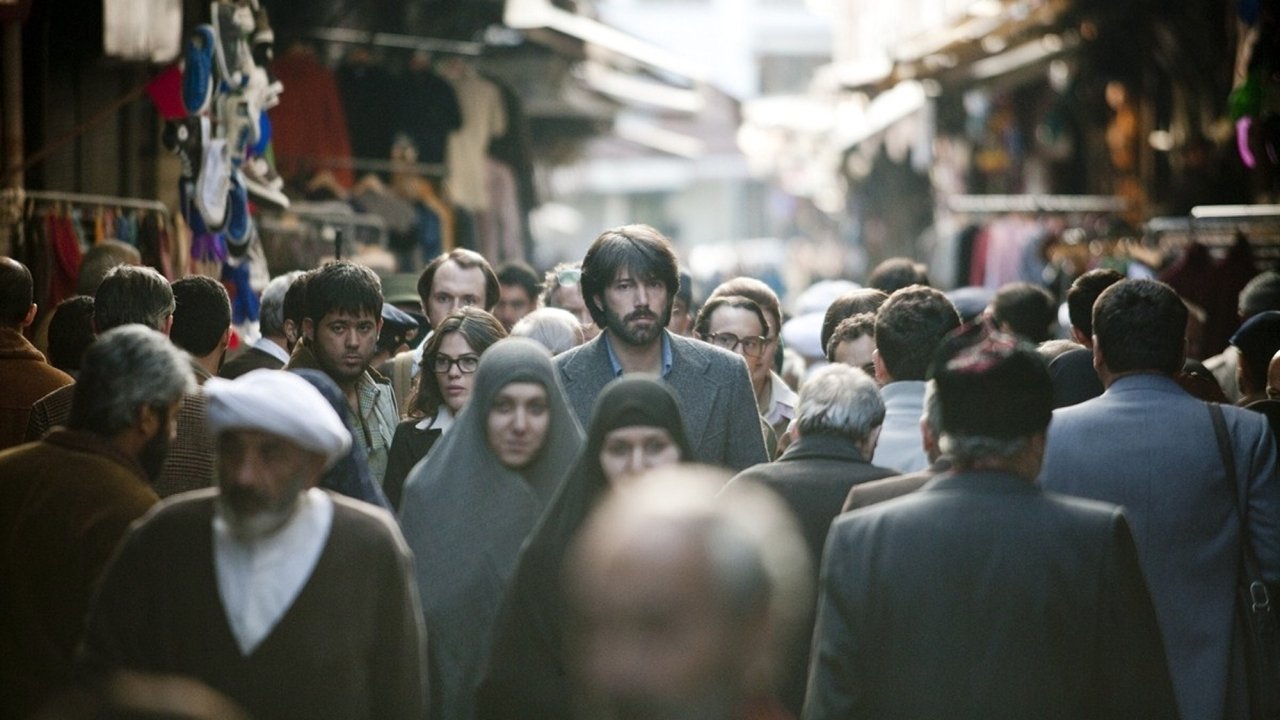
However, looking back with a critical eye, the film’s climactic runway chase is a total fabrication that treats the Iranian guards like bumbling cartoon villains. In reality, the group checked in and flew out with relative ease. But that’s the Hollywood paradox Argo celebrates: the lie that tells a deeper truth. We want the tension; we want the plane to almost get caught. We want the movie magic to save the day.
The Legacy of the Caper
Is Argo a perfect historical document? Absolutely not. It sidelines the massive role the Canadian government played (though Victor Garber is lovely as Ken Taylor) in favor of American heroism. But as a piece of craft, it’s undeniable. It’s a masterclass in pacing, moving from the slow-burn dread of the first hour to the white-knuckle sprint of the third act.
It remains one of the best examples of the "Modern-Retro" style—a film that uses modern technology to recreate the specific, nervous energy of 70s cinema. It’s a movie about the power of storytelling, reminding us that sometimes, a fake script and a storyboard are the most powerful weapons in an intelligence officer's arsenal.
Argo is the kind of movie they supposedly don't make anymore, which is a shame because it’s a blast to watch. It manages to be a terrifying political thriller and a hilarious industry satire at the exact same time, which is a difficult tightrope to walk without falling into parody. Even if you know the ending—and history tells us you should—you’ll still find yourself holding your breath when that Swissair flight clears Iranian airspace. It’s a high-wire act that earns its applause.
Keep Exploring...
-
The Town
2010
-
Gone Baby Gone
2007
-

Black Swan
2010
-
The Impossible
2012
-
Zero Dark Thirty
2012
-

Gone Girl
2014
-
I Am Legend
2007
-
The Bourne Ultimatum
2007
-
The Girl with the Dragon Tattoo
2009
-
Rise of the Planet of the Apes
2011
-
Gravity
2013
-
Dawn of the Planet of the Apes
2014
-
Drive
2011
-

Ghost
1990
-
Cape Fear
1991
-
JFK
1991
-
A Perfect World
1993
-
The Fugitive
1993
-
A Time to Kill
1996
-
Primal Fear
1996