Armour of God 3: Chinese Zodiac
"One last global scramble for the ultimate prize."
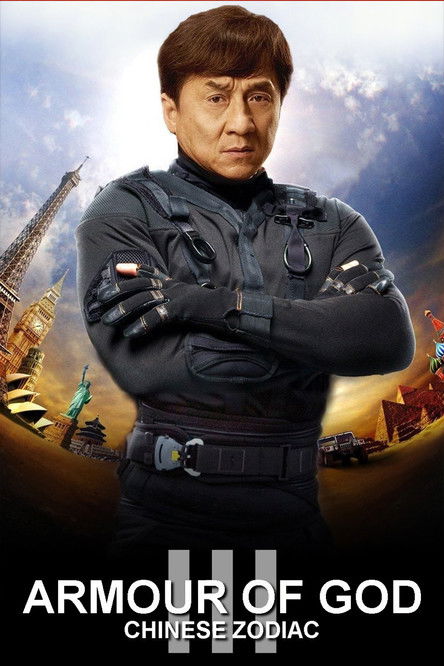
The year 2012 felt like a strange crossroads for the action genre. While the rest of the world was swooning over the birth of the MCU’s digital dominance in The Avengers, Jackie Chan was busy strapping twenty-four rollerblade wheels to his torso for a high-speed mountain descent. This was the era of the "legacy sequel" before that term became a marketing buzzword, and Armour of God 3: Chinese Zodiac (or simply CZ12) arrived as a loud, proud, and occasionally clunky reminder that nobody does physical comedy quite like the man from Hong Kong.
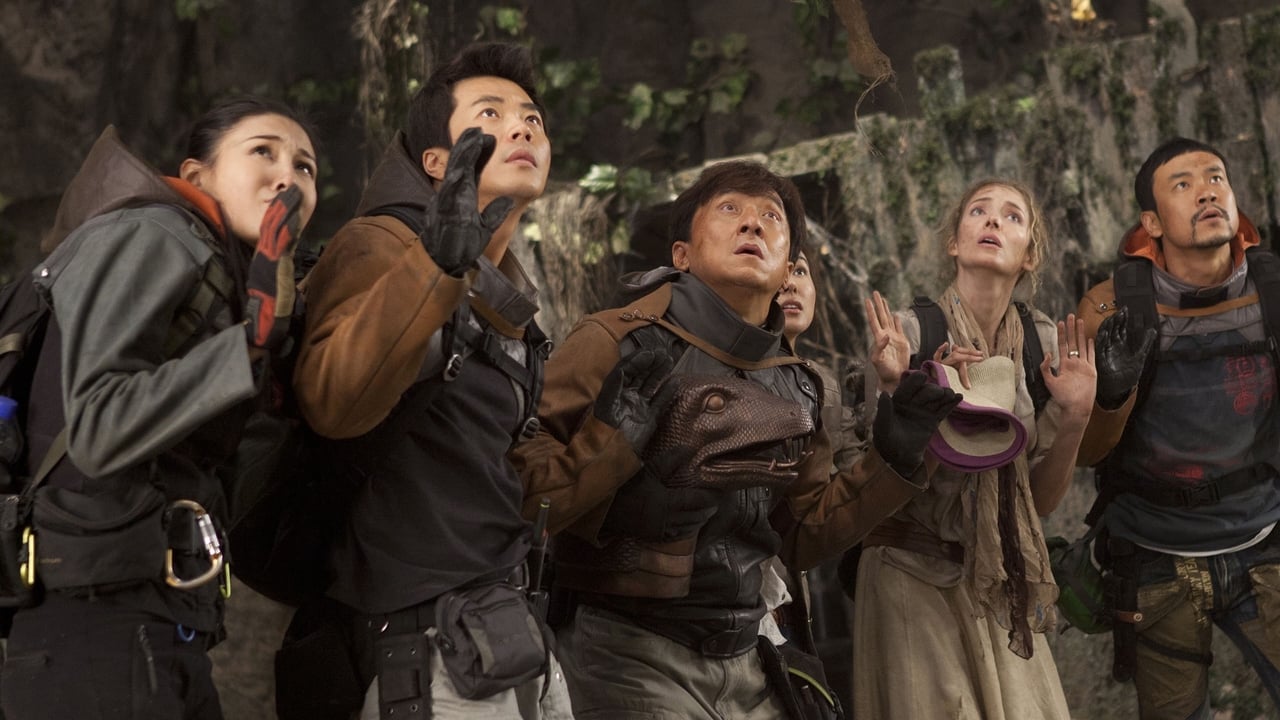
I watched this film on a rainy Tuesday evening while nursing a cup of lukewarm jasmine tea that I’d forgotten to finish, and honestly, the tea’s lukewarm temperature mirrored my feelings on the script—but the action? That was piping hot.
The Roller-Suit and the Elastic Man
Returning to the character of "Asian Hawk" after a twenty-year hiatus was an ambitious move. By 2012, the industry was shifting heavily toward green screens, but Jackie Chan remained a defiant holdout for the "do it for real" school of filmmaking, even as he began to flirt with CGI enhancements. The opening sequence, featuring the "Buggy Rollin" suit designed by Jean-Yves Blondeau, is a pure hit of adrenaline. It’s Jackie doing what he does best: taking a bizarre prop and turning it into a choreography tool.
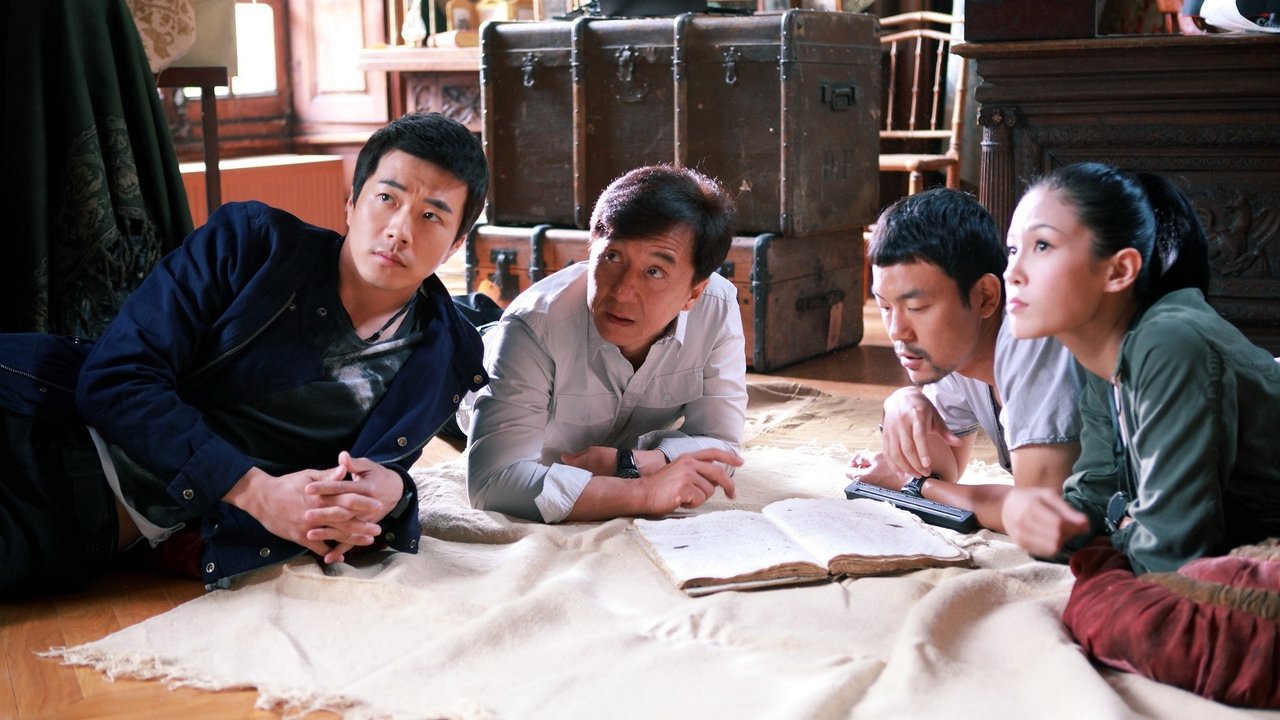
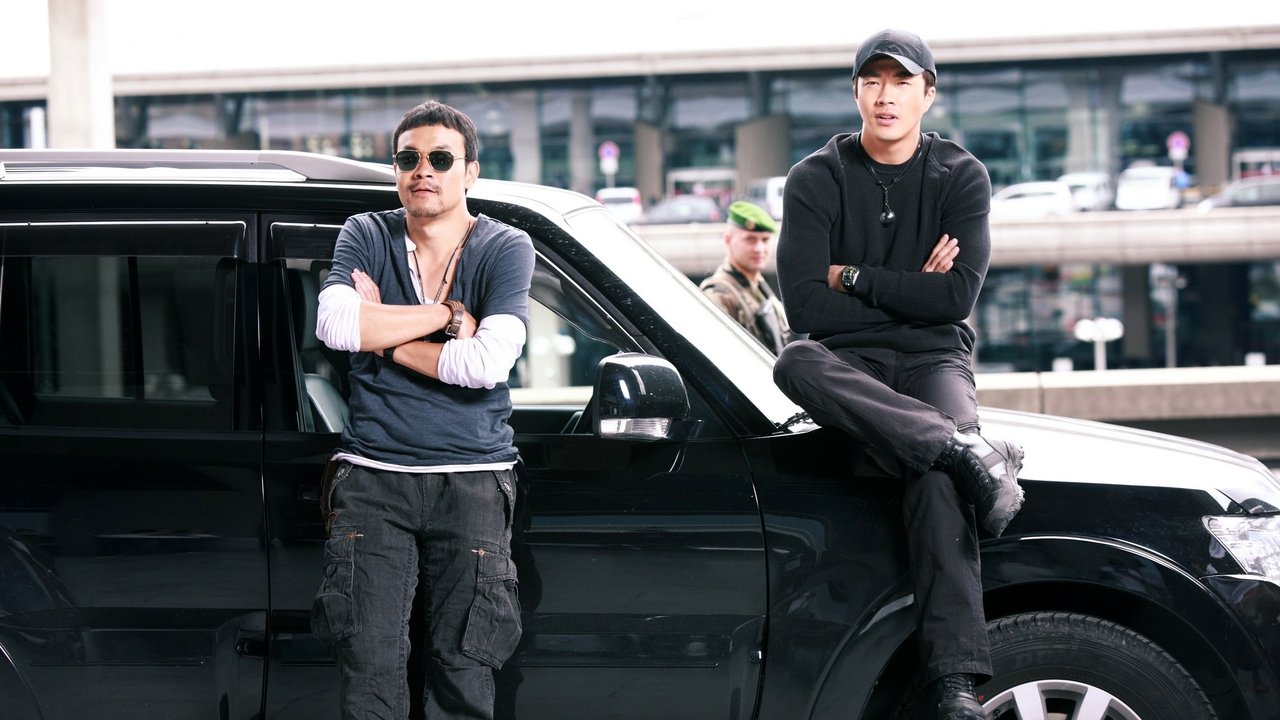
The plot follows Hawk as he leads a mercenary team—including Kwon Sang-woo as Simon and Zhang Lanxin as Bonnie—to recover the bronze heads of the Chinese Zodiac. It’s a globe-trotting scavenger hunt that feels like Indiana Jones if Indy had spent his youth in the Peking Opera School. While the narrative logic often has the physics of a Saturday morning cartoon, there is an undeniable joy in seeing a 58-year-old Chan move with more fluidity than most actors half his age.
A Legacy Caught Between Eras
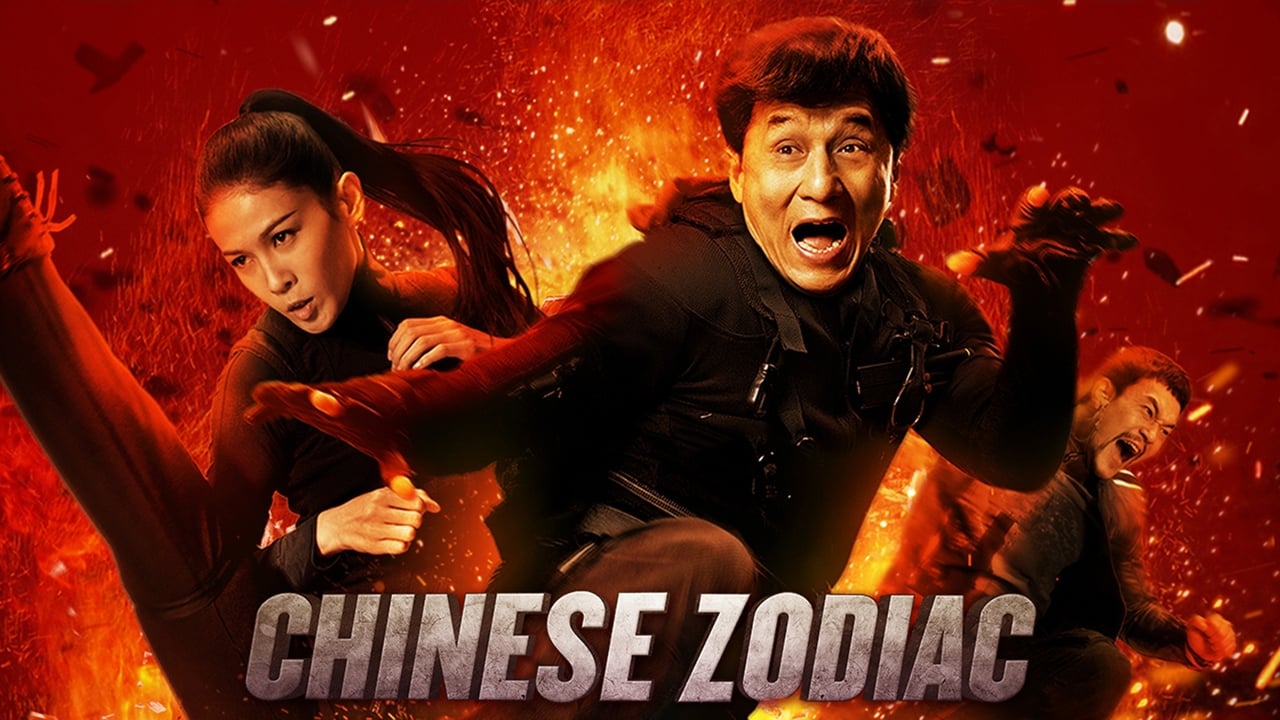
Looking back, Chinese Zodiac is a fascinating artifact of the early 2010s. It represents the peak of the Chinese box office explosion, where budgets finally caught up to Hollywood’s scale. With a $26 million price tag, it was one of the most expensive Chinese productions at the time, and you can see the money on the screen—from the lush Parisian estates to the high-tech pirate hideouts.
However, this was also a period of transition. The film utilizes a fair amount of CGI, particularly in the climactic skydiving sequence over an active volcano. To be blunt, the digital fire looks like it was rendered on a microwave, especially when compared to the tactile, bone-crunching reality of the fight scenes. It’s a jarring contrast that reminds you how much was gained—and lost—during cinema's digital revolution. We see Jackie trying to bridge the gap between his 1980s practical roots and the expectations of a modern, effects-driven blockbuster audience.
The standout moment for me wasn't the big volcano jump, though. It was a mid-film skirmish in a room full of sofas. Seeing Jackie use furniture as both a weapon and an obstacle course is a masterclass in spatial awareness. It’s the kind of "prop-fu" that defined his career, and even in 2012, it felt like a breath of fresh air in a genre increasingly reliant on rapid-fire editing to hide the fact that actors can’t actually kick.
Credits, Records, and Cultural Weight
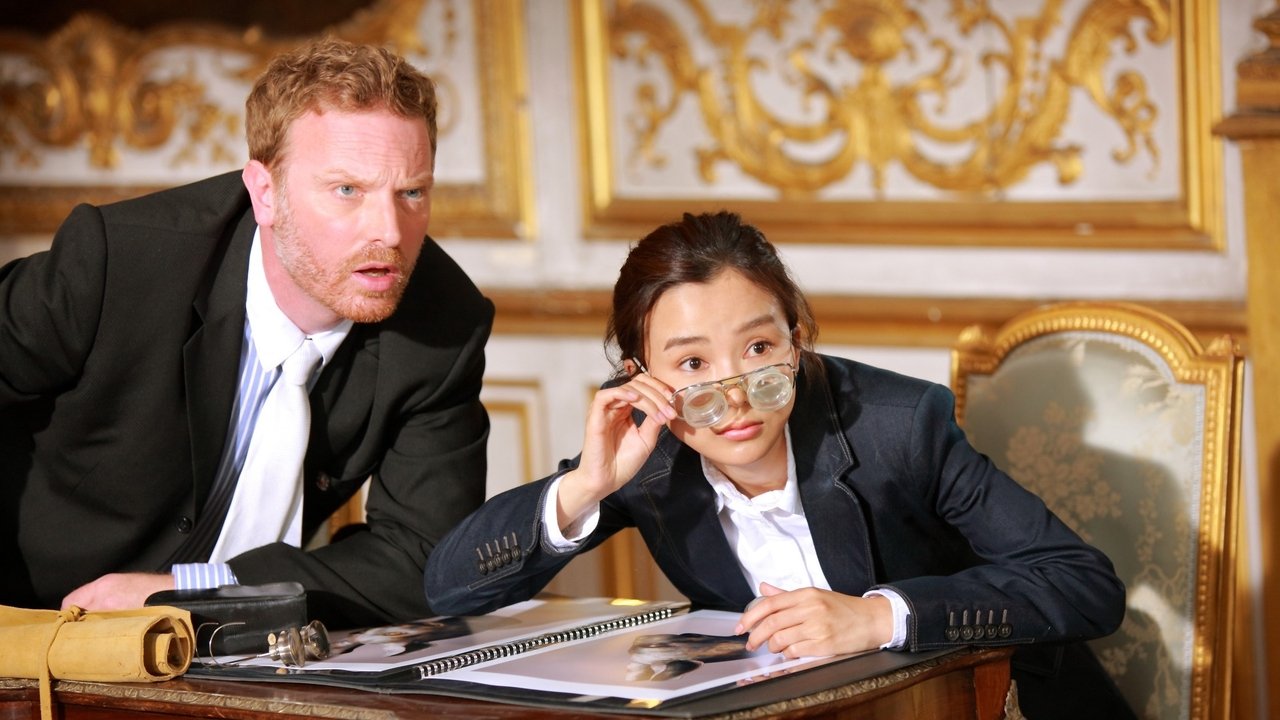
One thing you have to appreciate about this production is the sheer ego and effort involved. Jackie Chan set a Guinness World Record with this film for "Most Credits in One Movie," holding fifteen distinct roles including Director, Producer, Actor, Fight Choreographer, and even "Catering Coordinator." It’s a one-man show in the most literal sense. While the humor—delivered by a supporting cast including Yao Xingtong and Laura Weissbecker—can feel a bit dated and lost in translation, the sincerity is infectious.
The film also leaned heavily into the cultural zeitgeist of the time: the repatriation of lost national treasures. In 2012, this was a massive talking point in China, and the film functions as a patriotic blockbuster that resonated deeply with its domestic audience, propelling it to a massive $171 million global haul. It wasn't just a movie; it was a cultural event that signaled China’s arrival as a dominant force in the global box office.
If you’re looking for the tight storytelling of the original Armour of God or the relentless pacing of Operation Condor, you might find this third entry a bit bloated at 123 minutes. It’s a film that tries to do everything at once—slapstick, political commentary, high-tech heist, and death-defying stunts. But even when the gears grind, there is something incredibly endearing about watching a legend refuse to slow down. It’s a flawed, energetic spectacle that serves as a fitting (if messy) bookend to the "Asian Hawk" saga.
Keep Exploring...
-
Who Am I?
1998
-
The Forbidden Kingdom
2008
-
2012
2009
-
Red Cliff
2008
-
The Karate Kid
2010
-
The Three Musketeers
1993
-
National Treasure: Book of Secrets
2007
-
Spider-Man 3
2007
-
Transformers
2007
-

Wild Hogs
2007
-
Indiana Jones and the Kingdom of the Crystal Skull
2008
-
Transformers: Revenge of the Fallen
2009
-
Clash of the Titans
2010
-

Iron Man 2
2010
-

RED
2010
-
Resident Evil: Afterlife
2010
-
The Expendables
2010
-

Puss in Boots
2011
-

Transformers: Dark of the Moon
2011
-
Journey 2: The Mysterious Island
2012