Beasts of the Southern Wild
"The world is ending. The party is just beginning."
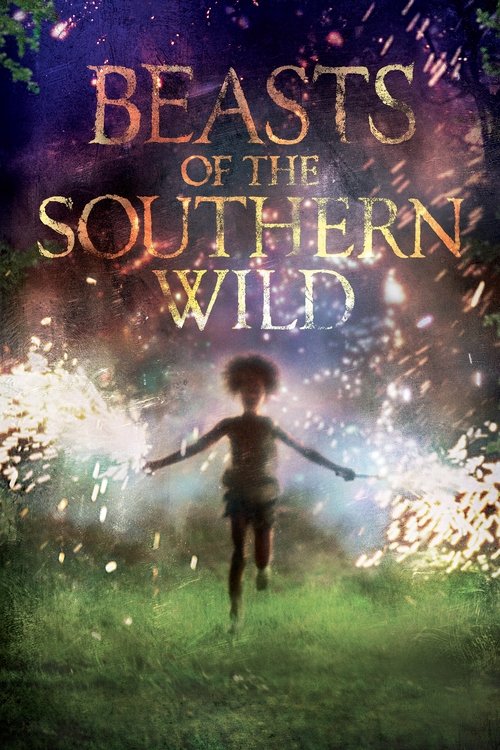
The first time I saw Beasts of the Southern Wild, I was sitting in a sweltering apartment with a broken air conditioner, and honestly, the humidity only made the experience better. It’s a film that smells like salt, mud, and cheap moonshine. While most "end of the world" movies in 2012 were busy with Roland Emmerich-style CGI tidal waves wiping out skyscrapers, Benh Zeitlin gave us a six-year-old girl in white rubber boots holding a sparkler. It’s messy, it’s loud, and it feels like a fever dream you’d have after eating too much spicy crawfish.

The Magic in the Mud
The story drops us into "the Bathtub," a community on the edge of the Louisiana delta, separated from the rest of the world by a massive levee. To the "dry" world, these people are impoverished castaways; to Hushpuppy, our narrator, they are the kings of the universe. When the ice caps melt and the waters rise, she doesn't see a climate disaster; she sees the universe "unraveling," unleashing prehistoric aurochs that have been frozen for millennia.
What makes this work isn't just the magical realism—it’s the texture. Shot on grainy 16mm film by Ben Richardson, the movie has a tactile, organic quality that digital cinema usually polishes away. You can practically feel the grit under your fingernails. It’s a prime example of the 2010s "indie boom" where filmmakers stopped trying to mimic Hollywood and started leaning into the beautiful ugliness of real locations. The Bathtub isn't a set; it’s a living, breathing ecosystem built out of scrap metal and sheer stubbornness.
A Force of Nature in Rubber Boots
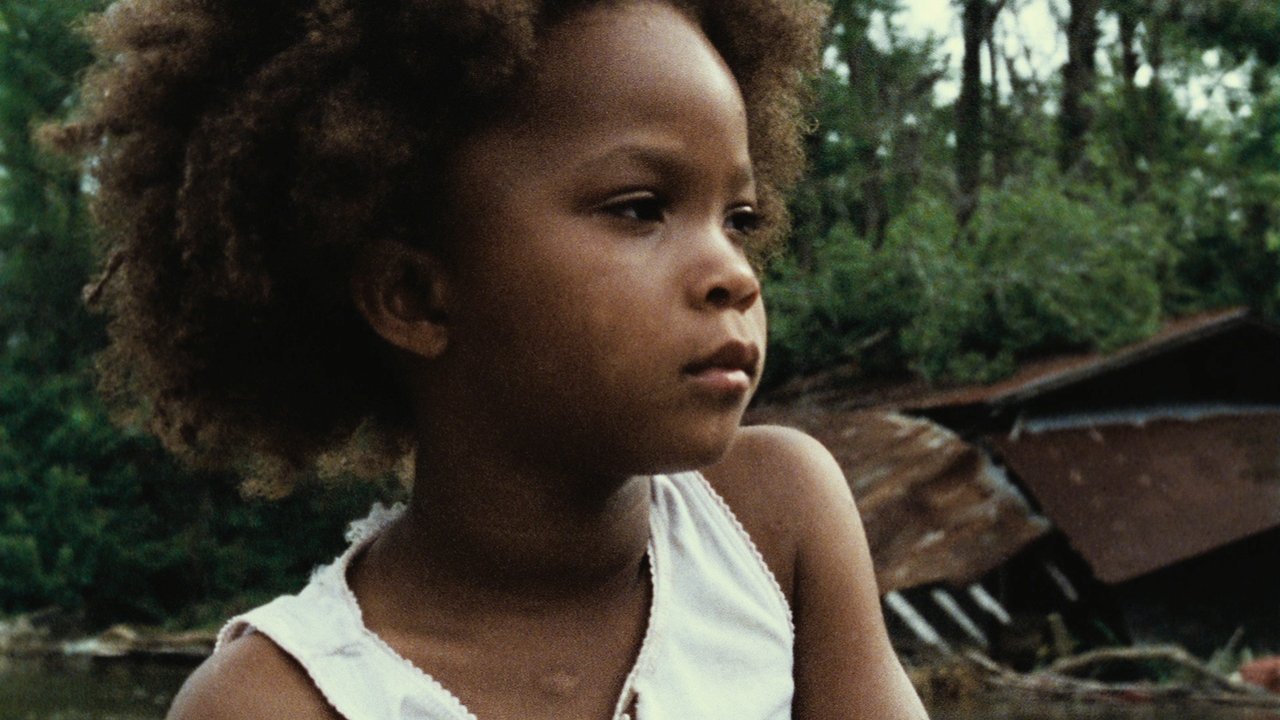
We have to talk about Quvenzhané Wallis. At six years old, she delivered a performance that didn't just earn her an Oscar nod—it redefined what "child acting" could look like. She isn't "cute" in the traditional sense; she’s fierce, philosophical, and occasionally terrifying. Watching her listen to the heartbeats of animals is a small, quiet moment that carries more weight than any ten-minute monologue I've seen in recent dramas.

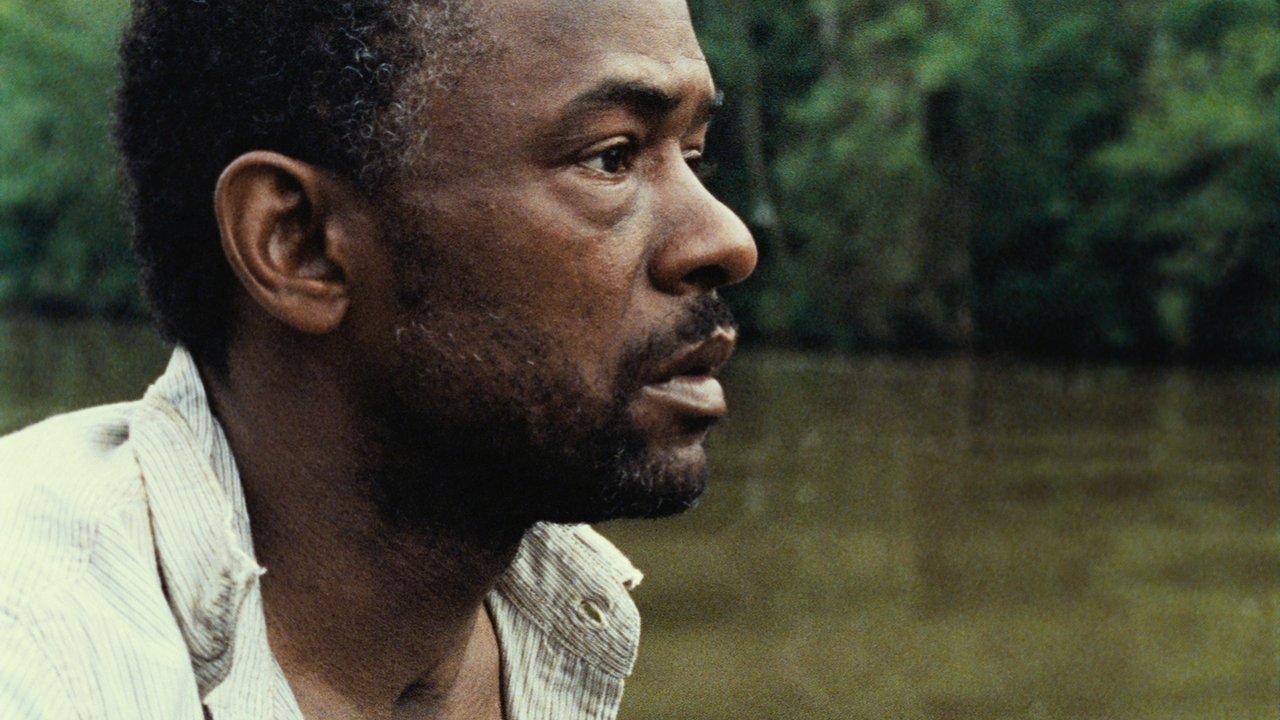
Opposite her is Dwight Henry as Wink, her father. Here’s where the "independent gem" story gets really good: Dwight Henry wasn't an actor. He ran a bakery across the street from the casting office. He originally turned the role down because he was busy moving his business to a new location, but the filmmakers were so convinced he was the only man for the job that they waited. His performance is raw because it has to be. He plays Wink with a jagged, desperate kind of love that’s hard to watch but impossible to look away from. His "tough love" parenting style would probably get him arrested in a suburban zip code, but in the Bathtub, it’s the only curriculum that matters.
Making Two Million Look Like Twenty
In an era where we’re used to seeing $200 million budgets produce movies that look like gray mush, what Zeitlin accomplished with $1.8 million is staggering. This wasn't a "studio indie"; this was "Court 13," a grassroots collective that moved to Louisiana and lived the life they were filming. They built the "boats" out of truck beds and styrofoam. They created the terrifying aurochs not with a server farm of digital animators, but by dressing up Nutria (giant swamp rats) in costumes and filming them on miniature sets.
It’s the ultimate "passion project" success story. It won the Grand Jury Prize at Sundance, the Caméra d'Or at Cannes, and eventually found its way to the Academy Awards. Looking back, it captures that specific 2012 zeitgeist: a post-Katrina anxiety mixed with a DIY, "occupy" spirit. It celebrates the people who refuse to leave, the ones who would rather sink with their homes than live in a "dry" world where everything is plastic and safe.
The Heartbeat of the Southern Wild
The score by Dan Romer and Benh Zeitlin is the secret sauce here. It’s triumphant, orchestral folk music that makes a sinking swamp feel like the setting for an epic Greek myth. I’ve found myself humming the main theme while doing dishes more times than I care to admit. It captures the film's central contradiction: it’s a tragedy about the end of a way of life, but it’s told with the celebratory roar of a parade.
Beasts of the Southern Wild is a rare bird. It manages to be a heavy drama about poverty, illness, and environmental collapse without ever feeling like a lecture or a "misery porn" exercise. Instead, it’s an invitation to see the world through a child’s eyes—where every heartbeat matters and even the end of the world is just another reason to light a firework. It’s a reminder that independent cinema is at its best when it stops trying to be small and starts trying to be mythic.
The aurochs are coming for us all eventually; we might as well face them with a sparkler in our hand.

Keep Exploring...
-
Rubber
2010
-
Holy Motors
2012
-
Donnie Darko
2001
-
Waking Life
2001
-

The Devil's Backbone
2001
-
Across the Universe
2007
-
Ghost Town
2008
-
The Curious Case of Benjamin Button
2008
-
The Spiderwick Chronicles
2008
-

17 Again
2009
-
A Christmas Carol
2009
-

Where the Wild Things Are
2009
-

The Tree of Life
2011
-

Ruby Sparks
2012
-
Horns
2013
-
The Secret Life of Walter Mitty
2013
-
The Man from Earth
2007
-
Felon
2008
-

Blood and Bone
2009
-

Fanboys
2009