Brave
"Tradition is just a bear you haven't fought yet."

I vividly remember the summer of 2012, not for the London Olympics, but for the sheer amount of technical white papers I read about Pixar’s hair simulation software. I watched this movie for the first time on a DVD player that made a rhythmic grinding sound like a dying jet engine, which, funnily enough, added a strange industrial tension to the misty Scottish Highlands. At the time, Brave felt like a heavy-weight champion stepping into the ring: it was Pixar’s first female-led film, their first fairy tale, and it carried the burden of being the follow-up to the studio's first real "miss" (Cars 2).
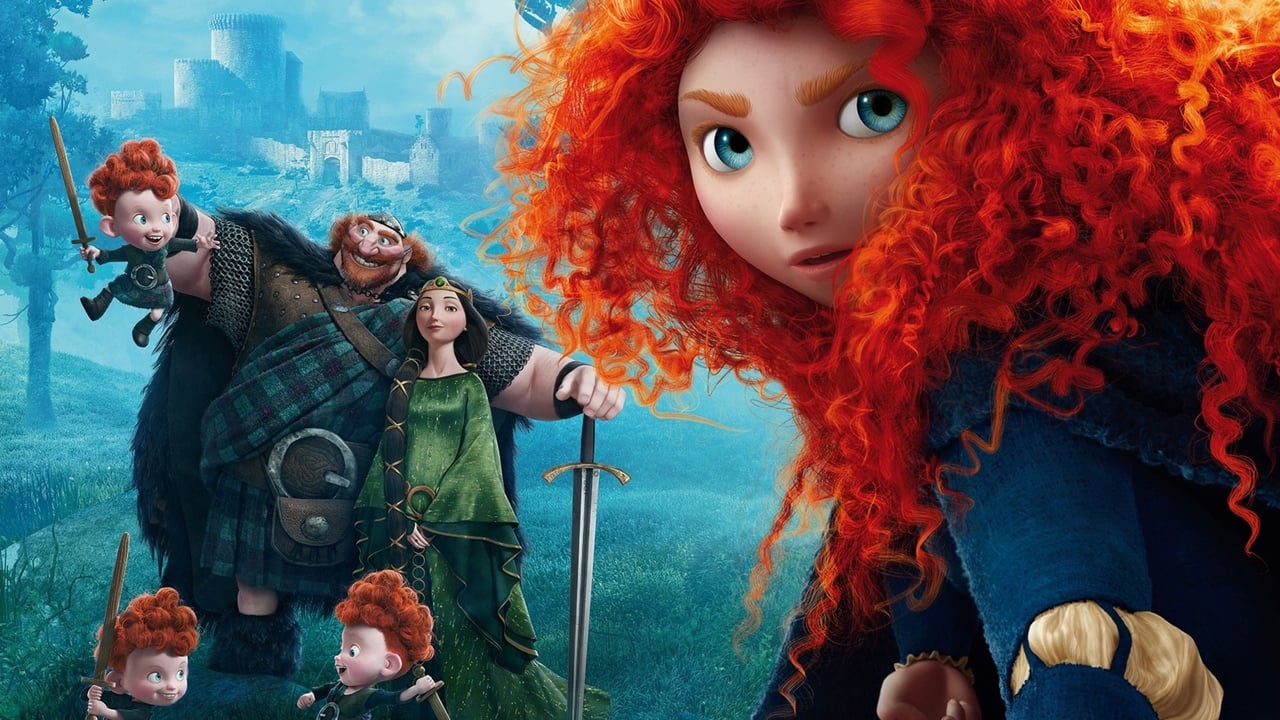
Looking back, Brave is a fascinating relic of that transitional era in animation where the technology was finally catching up to the wildness of nature. We were moving past the "plastic" look of early 2000s CGI and into a world where light danced through moss and every single one of Kelly Macdonald’s 1,500 digital curls had its own personality.
The Bear in the Room
The marketing for Brave was a masterclass in misdirection. The trailers promised a Scottish Gladiator—a story about a defiant archer fighting for her right to be a warrior. What we actually got was a body-swap comedy about a girl who accidentally turns her mother into a bear. The bear twist remains the most divisive "Wait, what?" moment in Pixar history, and depending on who you ask, it’s either a stroke of genius or a massive rug-pull.
Personally, I’ve grown to love the bait-and-switch. By shifting the focus from "Merida vs. The Lords" to "Merida vs. Her Mother’s Expectations," the film avoids the generic "girls can do anything" tropes and dives into something much messier and more relatable. Emma Thompson is spectacular as Queen Elinor, providing a regal, rigid foil to Merida’s chaotic energy. When she’s turned into a bear, the comedy doesn’t come from slapstick; it comes from the tragedy of a dignified woman losing her voice and her humanity. It’s actually surprisingly dark for a movie marketed with happy-meal toys.
The Curse of the Creative Pivot

You can’t talk about Brave without mentioning the "behind the curtain" drama that defined its production. Brenda Chapman, who previously directed The Prince of Egypt, was the original visionary here. She based the story on her own relationship with her daughter, but mid-way through production, she was replaced by Mark Andrews. You can feel that friction on the screen. The first act has this soulful, Miyazaki-esque atmosphere, while the second act leans heavily into the rowdy, slapstick humor of the three Lords—Robbie Coltrane, Kevin McKidd, and Billy Connolly.
Connolly, in particular, is a riot as King Fergus. He brings a genuine "Dad energy" that feels authentic to the Highlands rather than a Hollywood caricature. However, the lords and the triplets often feel like they’ve wandered in from a different, louder movie. The triplets are essentially Minions with better PR, serving as a chaotic Greek chorus that occasionally distracts from the emotional core.
The action choreography, though, is where the Mark Andrews influence shines. The final confrontation with Mor’du—the demon bear—is legitimately frightening. The use of shadow and the weight of the animation makes the stakes feel physical. This isn't "cartoon" violence; it’s a desperate, muddy struggle for survival that honors the "Action" tag in its genre list.
Cool Details You Probably Missed
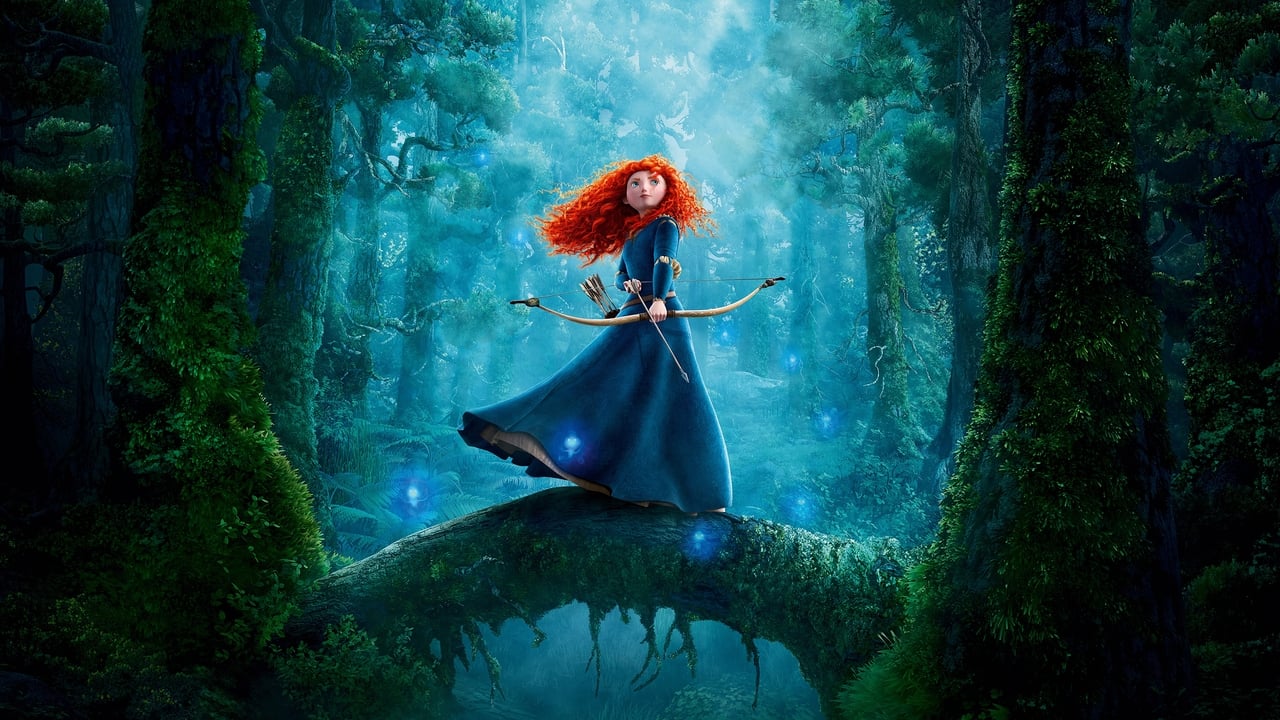
The Hair Tech: Pixar literally had to rewrite their animation engine to handle Merida’s hair. They created a new simulator called "Taz" (after the Tasmanian Devil) to make sure the curls didn't just clump together like a solid mass. The Pizza Planet Truck: Even in 10th-century Scotland, the Pixar easter egg appears. Look closely at the Witch’s cottage (voiced by the wonderful Julie Walters); the truck is a wood carving on her table. Family Ties: Brenda Chapman's daughter, the inspiration for Merida, actually provided the voice for the young Merida in the prologue. A New Kind of Princess: Merida was the first Disney/Pixar "princess" to not have a love interest. In 2012, this was revolutionary. The "prize" she wins at the end isn't a prince; it’s a functional relationship with her mom. * The Language of the Lords: When Kevin McKidd’s character, Young MacGuffin, speaks in that incomprehensible dialect, it’s actually "Doric," a real dialect from North-East Scotland. It was so thick even the other Scottish actors struggled to understand him on set.
Ultimately, Brave is a film about the power of an apology. It lacks the airtight narrative perfection of Toy Story or the emotional devastation of Up, but it possesses a rugged, mossy charm that has aged remarkably well. While the "bear plot" still feels like a sudden left turn, the chemistry between the two lead women keeps the ship steady. It’s a gorgeous, slightly fractured fairy tale that proves sometimes the most "heroic" thing you can do is just listen to your mother for five minutes.
If you haven't revisited this one since the DVD era, it’s worth a look on a modern 4K screen just to see those curls in their full, technical glory. Just maybe skip the itchy wool sweater while you watch. It's an atmospheric treat that reminds us Pixar is at its best when it's willing to get a little wild and a lot messy. Stop worrying about the "archery epic" that could have been and enjoy the bear-hugging heart of the movie that is.
Keep Exploring...
-
How to Train Your Dragon 2
2014
-

Sinbad: Legend of the Seven Seas
2003
-

Puss in Boots
2011
-
Hercules
1997
-
Night at the Museum: Battle of the Smithsonian
2009
-
The Book of Life
2014
-
Last Action Hero
1993
-

The Emperor's New Groove
2000
-
The Road to El Dorado
2000
-
Toy Story That Time Forgot
2014
-
Shrek the Halls
2007
-
Shrek the Third
2007
-
Horton Hears a Who!
2008
-
Kung Fu Panda
2008
-
Big Hero 6
2014
-
The Lego Movie
2014
-
Rise of the Guardians
2012
-
Porco Rosso
1992
-

Wizards of Waverly Place: The Movie
2009
-

Bee Movie
2007