Bullet to the Head
"Old school grit in a digital world."
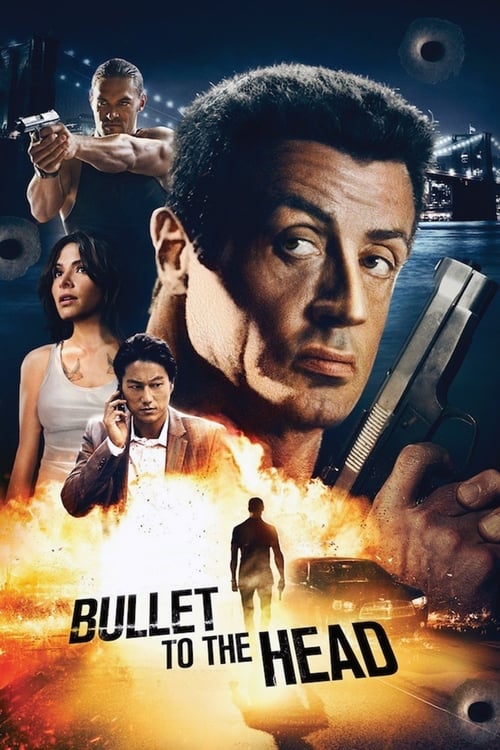
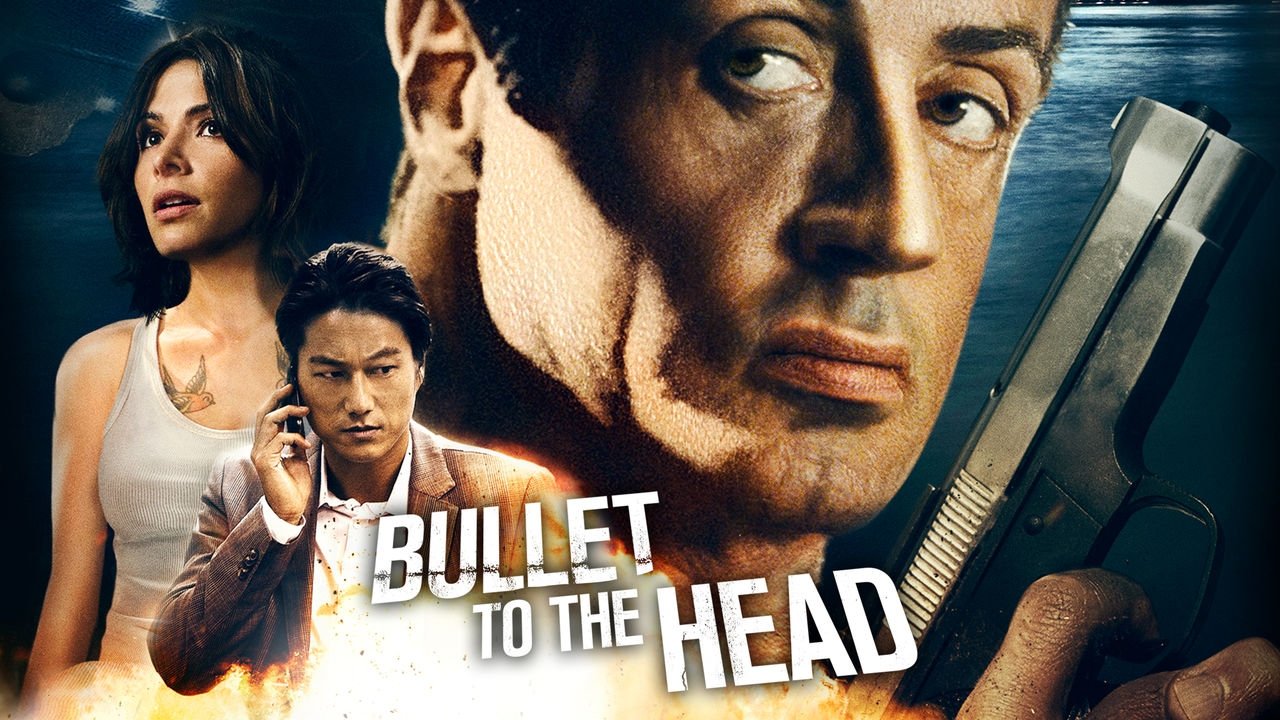
I watched Bullet to the Head on a Tuesday afternoon while my neighbor was loudly pressure-washing their driveway, and strangely, the rhythmic thrum of the water against the pavement provided the perfect ambient soundtrack for a movie that is essentially one long, percussive shrug. This isn't a "good" movie in the prestige sense, but it is a fascinating artifact of a specific moment when 1980s machismo tried—and largely failed—to fist-fight its way into the 2010s.
A Legend Out of Time
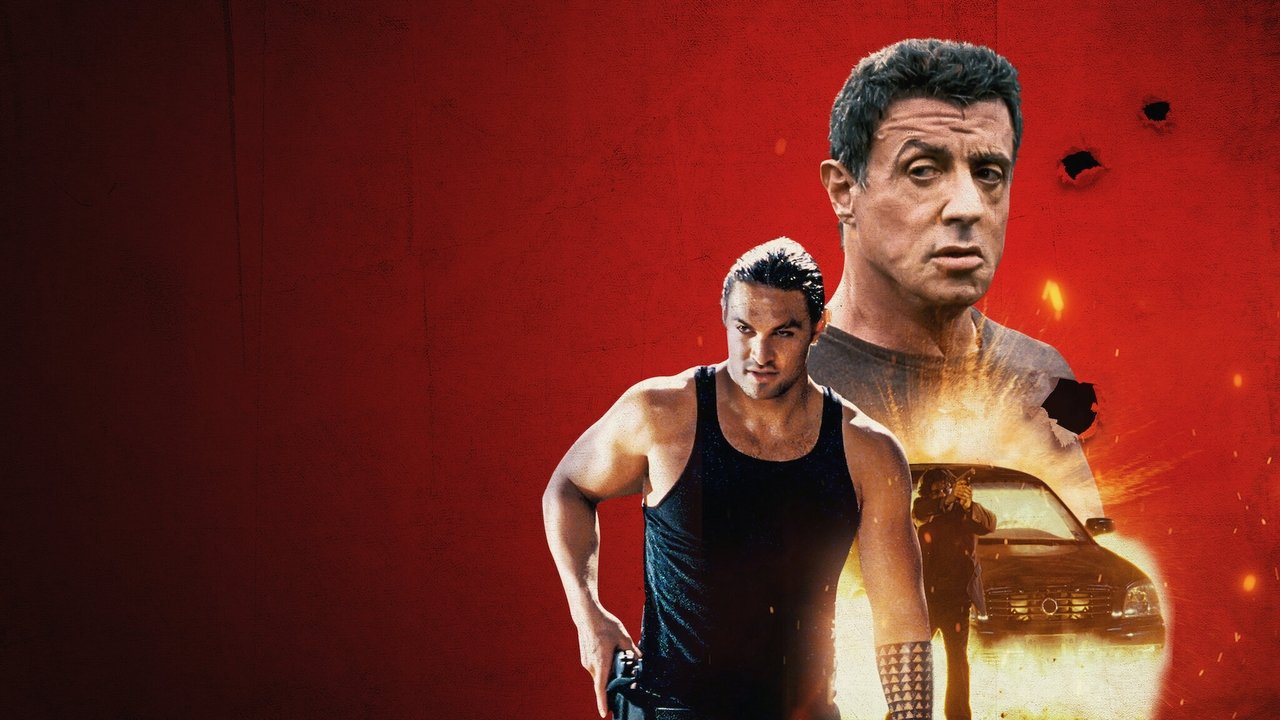
By 2012, the Marvel Cinematic Universe had already shifted the tectonic plates of action cinema. The Avengers had just landed, and audiences were pivoting toward quippy, brightly colored demi-gods. Then comes Walter Hill, a man who practically invented the buddy-cop genre with 48 Hrs., teaming up with Sylvester Stallone, a man whose face, by this point, had begun to look like a topographical map of a canyon I’d genuinely like to hike.
The setup is pure, unfiltered Hill: Sylvester Stallone plays Jimmy Bobo (yes, really), a seasoned hitman in New Orleans who watches his partner get gutted. Meanwhile, Sung Kang (of Fast & Furious fame) is Taylor Kwon, a high-tech cop from D.C. whose own partner was also killed by the same shadowy organization. They form a "forced alliance" that feels less like a partnership and more like a disgruntled grandfather being forced to use an iPhone for the first time.
Looking back, the film captures that weird transitional phase of the early 2010s. It’s shot on digital, yet it yearns for the grain of 35mm. It features a Blackberry-wielding detective, yet the hero's primary mode of communication is a heavy caliber pistol. It’s a collision of eras that shouldn't work, and for the general public in 2012, it didn't. The film famously tanked at the box office, making less than $10 million against a $55 million budget. It was a dinosaur in a world that had just discovered it liked shiny spandex better than leather jackets.
Axes, Analogies, and Awkward Alliances
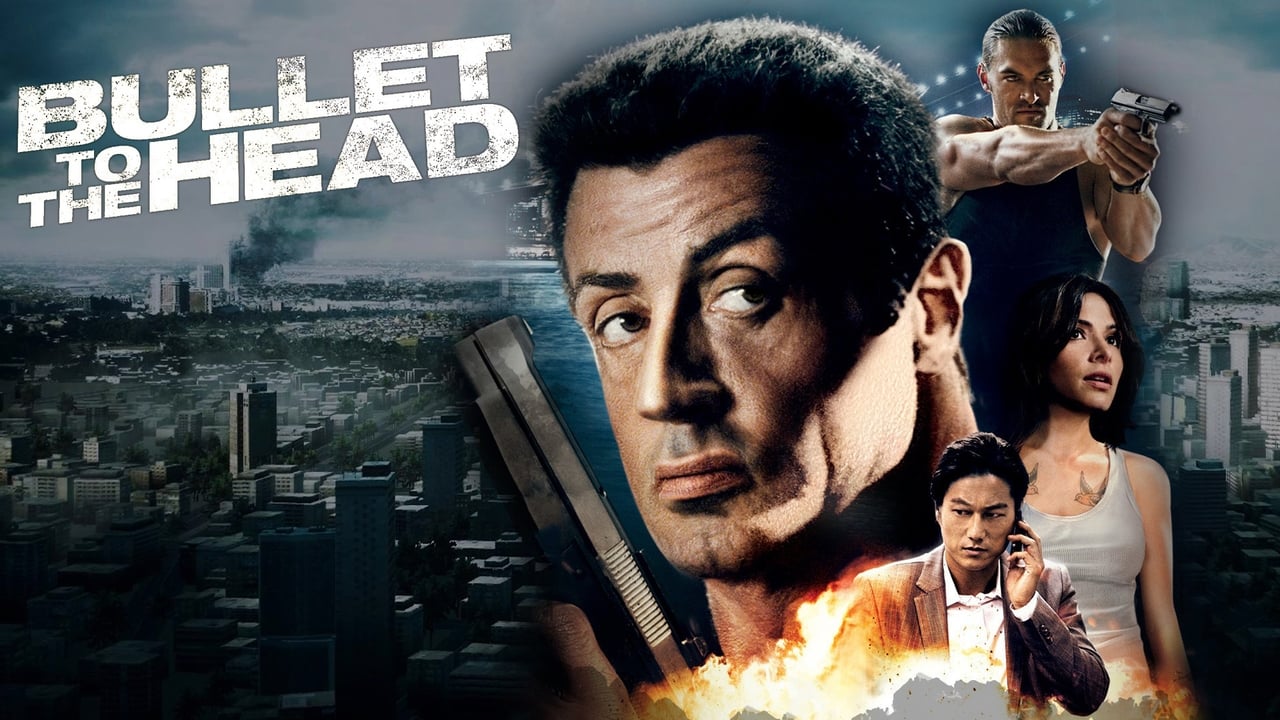
What makes Bullet to the Head worth a 5-minute bus ride conversation is the sheer, stubborn commitment to its own "R-rated" soul. In an era where action was becoming bloodless and PG-13, Walter Hill doubles down on the crunch. The fight choreography isn’t the balletic, wire-work stuff we see now; it’s heavy. When someone gets hit, they stay hit.
The highlight of the entire experience is Jason Momoa. Long before he was Aquaman, he was Keegan, a mercenary who serves as the film’s heavy. Momoa plays the role with the terrifying energy of a man who eats glass for breakfast and enjoys the texture. The final showdown between him and Stallone involves—I kid you not—an actual axe fight in a burning warehouse. It is arguably one of the most absurdly masculine things ever put to film. In an age of laser beams and sky-beams, seeing two guys swing fire axes at each other feels like a refreshing return to the Neolithic period.
However, the chemistry between Stallone and Sung Kang is… let’s call it "experimental." Sung Kang is a charming actor, but the script forces him into the role of the "tech guy" who spends half his time looking at a screen and the other half being the butt of Stallone’s increasingly dated "you city kids" jokes. The dialogue sounds like it was translated from English to 1980 and back again by a computer that hates millennials. I found myself wishing they’d just stop talking and go back to the axe-fighting.
Why It Stayed in the Shadows
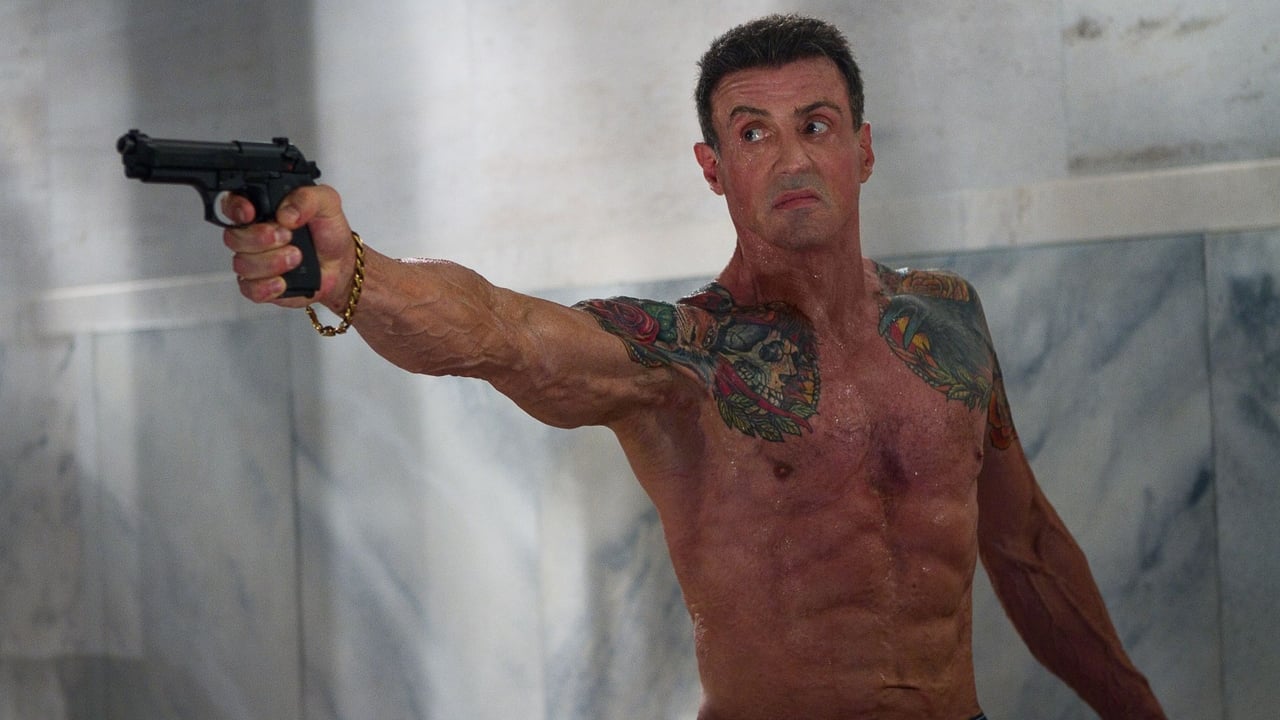
So, why did this movie vanish? For one, it’s a B-movie with an A-list price tag. You can see the $55 million in the production design—New Orleans looks humid, grimy, and lived-in—but the story is so thin you could read a newspaper through it. Christian Slater pops up for a few scenes as a corrupt middleman, looking like he’s having a blast playing a sleazebag, and then he’s gone. Adewale Akinnuoye-Agbaje is the big bad, Robert Morel, but he’s mostly relegated to sitting behind a desk.
There’s also the "Post-9/11" fatigue to consider. By 2012, the gritty, nihilistic "bad guys vs. worse guys" trope was starting to wear thin. We wanted heroes again, and Jimmy Bobo is decidedly not a hero. He’s a guy who kills people for money and happens to have a daughter, played by Sarah Shahi, who provides the only emotional tether in the film.
I’ll admit, I have a soft spot for this kind of "Dad Cinema." It’s a film that knows exactly what it is: a vehicle for Stallone to look tough and for Walter Hill to prove he can still direct a shootout better than most guys half his age. It doesn't care about "franchise potential" or "world-building." It just wants to show you a guy getting shot through a glass coffee table.
In the grand hierarchy of Stallone movies, Bullet to the Head sits somewhere between "unjustly ignored" and "perfectly mediocre." It’s a lean 92 minutes that doesn't overstay its welcome, and while the "buddy" dynamic never quite reaches the heights of Lethal Weapon, the action has a tactile weight that is missing from most modern blockbusters. If you’ve got 5 minutes to kill, or 92 minutes to spend on a rainy afternoon, you could do much worse than watching a legend like Walter Hill take one last swing at the genre he helped build. Just don't expect the axe fight to change your life—though it might make you want to go buy a flannel shirt.

Keep Exploring...
-
Assassins
1995
-
Another 48 Hrs.
1990
-
Last Man Standing
1996
-
The Losers
2010
-

The International
2009
-
Drive Angry
2011
-
Basic
2003
-
Shoot 'Em Up
2007
-
Takers
2010
-
Blitz
2011
-

Get the Gringo
2012
-
Stand Up Guys
2012
-

Dead Man Down
2013
-
Machete Kills
2013
-
Sabotage
2014
-
The Siege
1998
-

U.S. Marshals
1998
-
Along Came a Spider
2001
-
Blood Work
2002
-
The Hunted
2003