Cloud Atlas
"Six lives, one soul, and a symphony of beautiful madness."
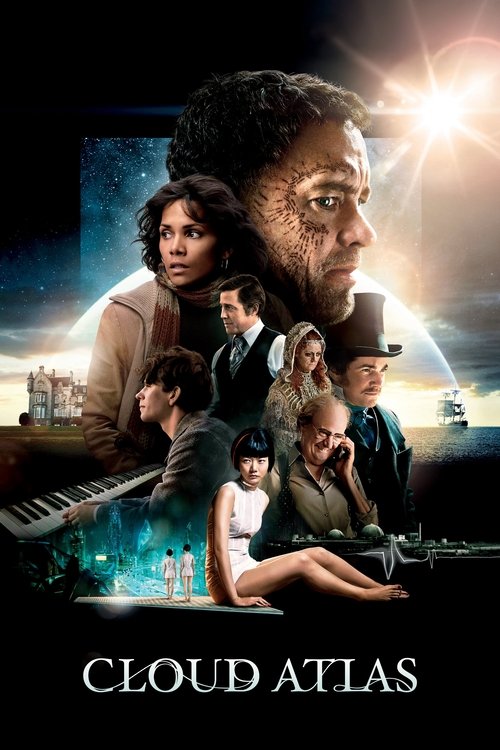
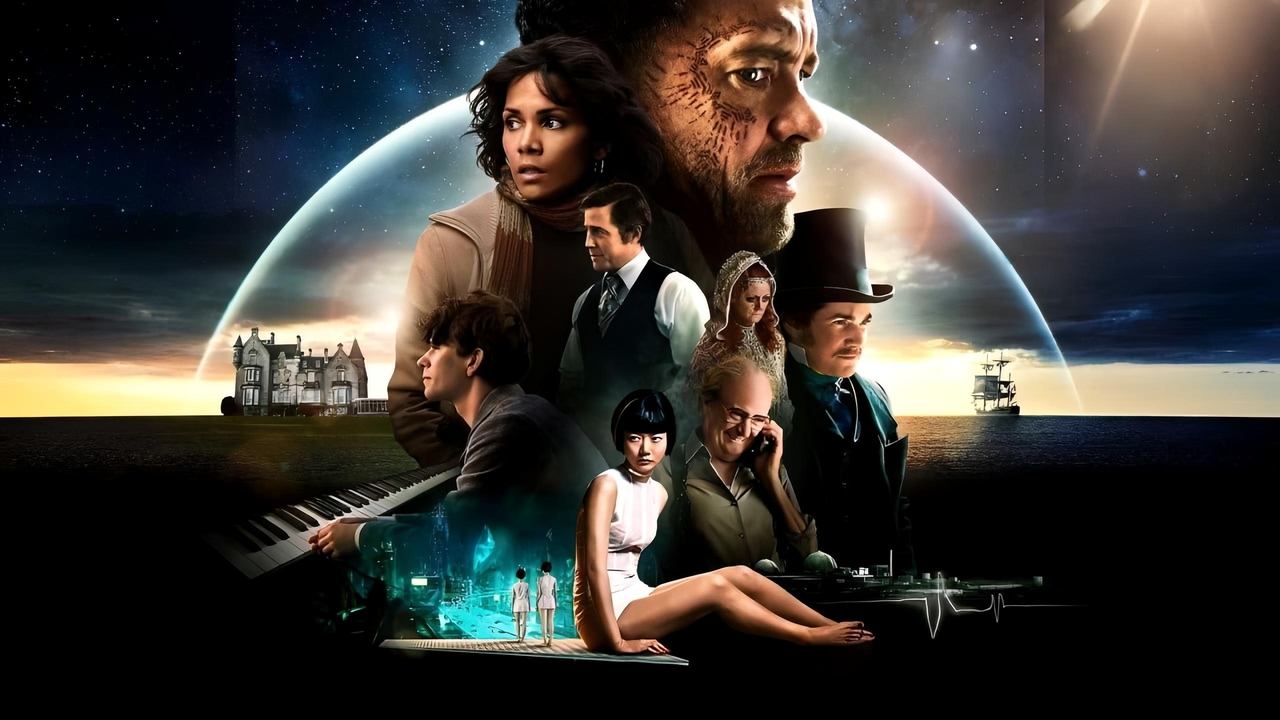
There’s a specific kind of madness required to look at David Mitchell’s "unfilmable" novel—a Russian doll of six stories nested inside one another—and think, "Yeah, we can do that for a hundred million dollars." Cloud Atlas is the cinematic equivalent of a high-wire act performed by someone who didn’t check if the wire was actually attached to the other building. It is glorious, messy, and absolutely singular. I remember watching this for the first time on a laptop with a hairline crack across the screen while eating cold lo mein; the crack weirdly lined up with the "comet" birthmark on Jim Sturgess’s chest in several scenes, and honestly, it felt like a seventh layer of connectivity.
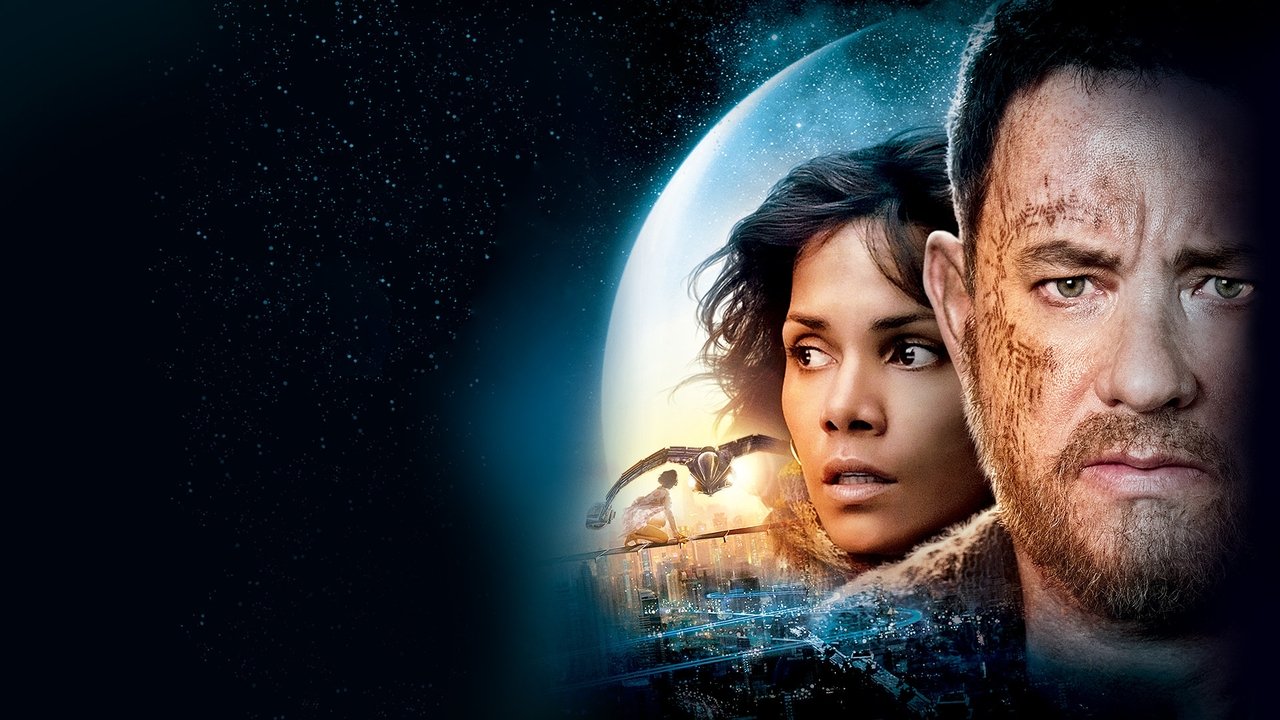
The Soul’s Long Commute
The film’s central hook is its most polarizing feature: a repertory cast of actors playing different roles across time. We see Tom Hanks evolve from a murderous 19th-century doctor to a post-apocalyptic tribesman, while Hugo Weaving pops up as everything from a demonic hallucination to a tyrannical female nurse. It’s a bold choice that occasionally veers into the absurd. Let’s be real: some of the prosthetic work is an absolute car crash, particularly the attempts to make Western actors look Asian and vice versa. It’s an uncomfortable relic of 2012’s "ambition over optics" mentality that hasn't aged particularly well.
And yet, there’s something deeply moving about seeing Halle Berry or Jim Broadbent reappear in a new era. It forces you to look past the makeup and focus on the frequency of the performance. Directors Lana and Lilly Wachowski (who gave us the reality-bending The Matrix) teamed up with Tom Tykwer (Run Lola Run) to weave these stories together. While Tykwer handled the period-accurate dramas, the Wachowskis dove into the Neo Seoul sci-fi and the distant future. The transition between a 1930s composer's letters and a 1970s corporate thriller feels remarkably seamless, largely due to an editing rhythm that treats the six plots as one continuous heartbeat.
A Masterclass in Independent Audacity
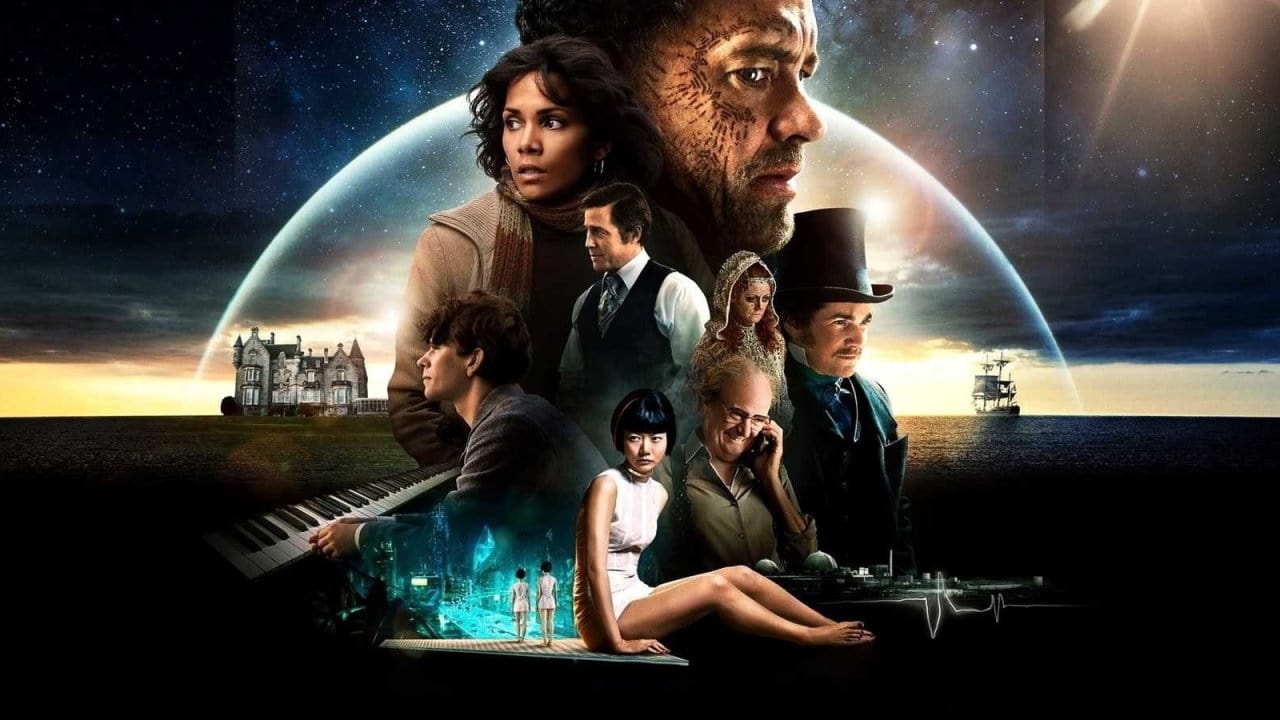
Part of the film's cult allure stems from its "against all odds" production. No major studio would touch this. It’s one of the most expensive independent films ever made, largely funded through German grants and private investors. Tom Hanks reportedly signed on after a brief meeting because he was bored with safe scripts and wanted to "swing for the fences" again. That lack of studio interference is palpable; no executive would have allowed a three-hour film to spend twenty minutes on a group of elderly people escaping a retirement home (the hilarious Timothy Cavendish segment) while also featuring a clone revolution in a dystopian future.
The trivia surrounding the shoot is as chaotic as the plot. Because they were essentially two film crews working simultaneously, the actors would often wrap a scene for Tykwer in the morning—wearing 19th-century waistcoats—and then sprint to the Wachowskis’ set to be glued into futuristic armor by lunchtime. Bae Doona, who gives the film’s most grounded and heartbreaking performance as the clone Sonmi-451, had to learn English specifically for the role, adding a layer of fragile, literal discovery to her character's awakening.
Why the Echoes Still Ring
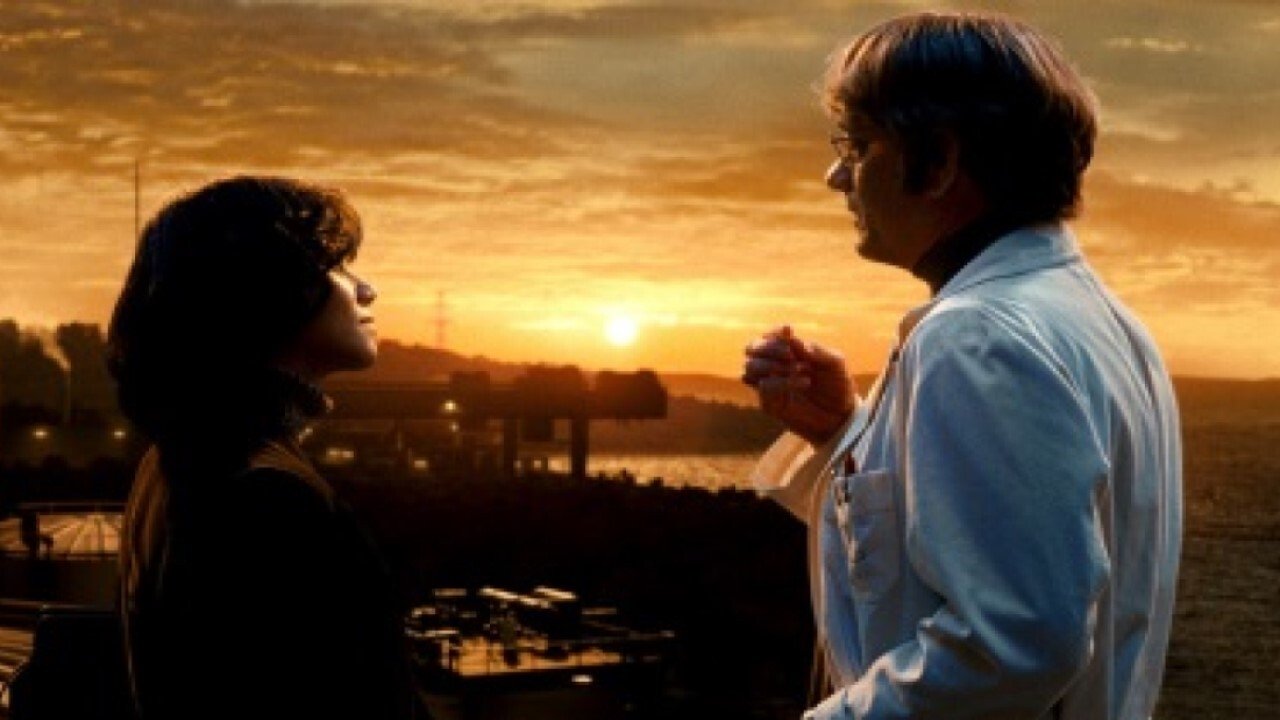
Watching Cloud Atlas today, it feels like a bridge between the analog epics of the past and the high-concept digital experiments of the future. It arrived right as the MCU was starting to standardize the blockbuster "formula," and Cloud Atlas stands as a defiant middle finger to that formula. It demands your full attention. It doesn't care if you're confused for the first hour. It trusts that by the time the "Cloud Atlas Sextet" reaches its crescendo, you’ll understand that the specific plot points matter less than the overall feeling of human persistence.
I’ve found that this is a "litmus test" movie. If you can forgive the occasionally distracting makeup and the sheer length of the runtime, you’re rewarded with a story that feels like it’s trying to explain the meaning of life through a kaleidoscope. It’s a drama about the weight of our choices, a sci-fi about the cost of freedom, and a comedy about the absurdity of aging, all at once. It’s a lot to swallow, but I’d rather watch Hugh Grant play a cannibalistic tribal chieftain once than see another safe, polished remake of something I’ve already seen a dozen times.
Cloud Atlas is a rare specimen: a big-budget flop that was far too ambitious for its own good and all the better for it. It’s a film that rewards repeat viewings, not just to catch the "Everything is connected" Easter eggs, but to soak in the sheer bravery of its execution. It’s a flawed masterpiece that reminds me why I fell in love with movies in the first place—to see something I’ve never seen before, even if it’s a little bit crazy.

Keep Exploring...
-
The Matrix Revolutions
2003
-

The Matrix Reloaded
2003
-
Upside Down
2012
-
Bound
1996
-
Perfume: The Story of a Murderer
2006
-
Contagion
2011
-
Real Steel
2011
-
Elysium
2013
-
The Matrix
1999
-
The Giver
2014
-

Speed Racer
2008
-
The Matrix Resurrections
2021
-
Contact
1997
-
Bicentennial Man
1999
-
The 6th Day
2000
-
A.I. Artificial Intelligence
2001
-

Moon
2009
-
Never Let Me Go
2010
-
Melancholia
2011
-
Snowpiercer
2013