Cosmopolis
"The world is burning. He needs a haircut."
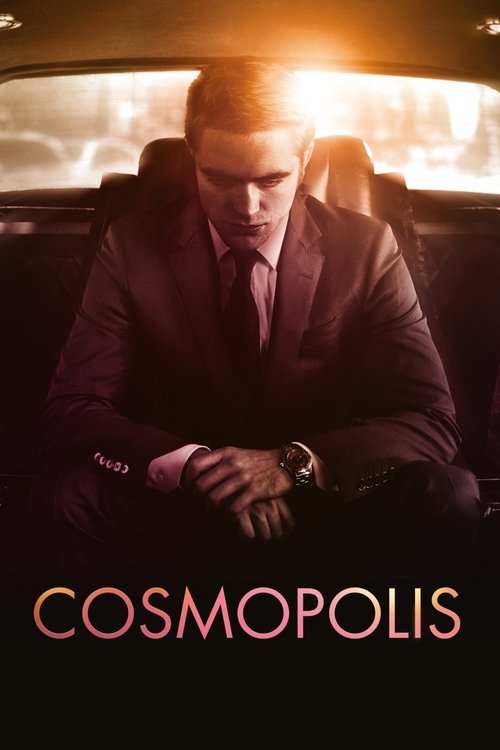
I remember the specific brand of confusion that filled the theater back in 2012 when the credits rolled on Cosmopolis. Half the audience looked like they’d just been told their bank accounts were emptied, and the other half looked like they’d been hit over the head with a philosophy textbook. I was sitting there with a lukewarm bag of peanut M&Ms—one of which I’d accidentally dropped into my lap and couldn't find in the dark—feeling a strange, prickly sort of admiration.
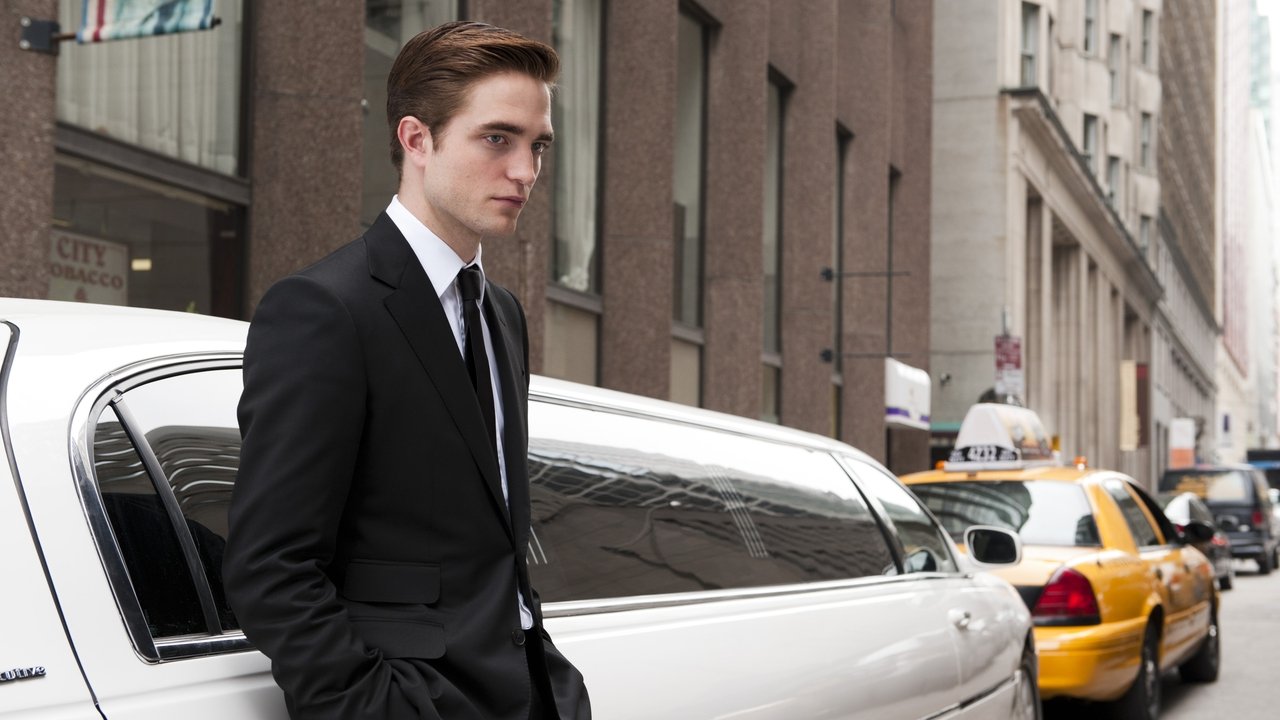
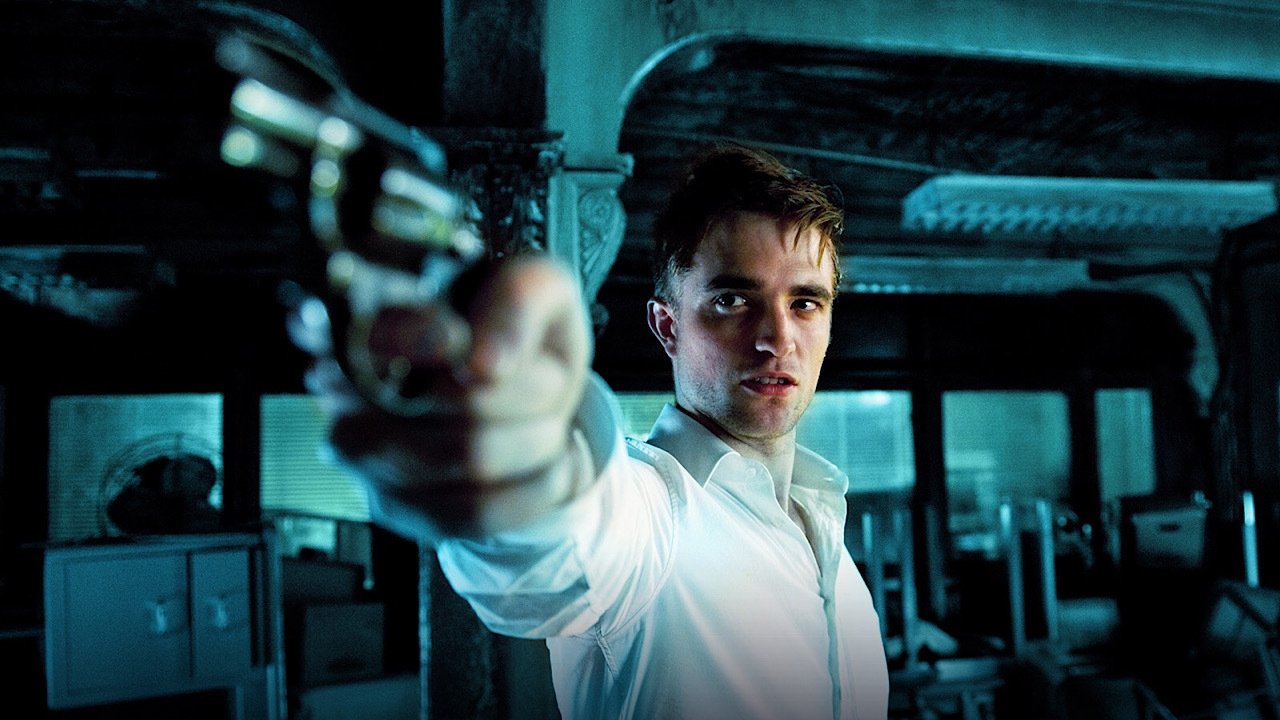
This isn't a "movie-movie." It’s a 109-minute panic attack disguised as a ride in a stretch limo. At the time, everyone was obsessed with whether Robert Pattinson (fresh off the Twilight phenomenon) could actually act. Looking back, David Cronenberg—the man who gave us the "New Flesh" in Videodrome and the exploding heads of Scanners—was the perfect director to strip the teen-idol gloss off Pattinson and reveal the cold, digital ghost underneath.
The Soundproof Tomb of the One Percent
The plot is deceptively simple, almost like a dark joke: Eric Packer, a 28-year-old billionaire asset manager, decides he needs a haircut. The problem is that Manhattan is paralyzed by a presidential visit, an anarchist riot, and a celebrity funeral. Most people would walk. Eric, however, insists on cross-town travel in a white limousine that is basically a high-tech sensory deprivation tank.
Inside this car, the world is filtered through glowing screens and market fluctuations. Robert Pattinson plays Packer with a terrifying, glassy-eyed stillness. He’s not a character you’re supposed to "like"—he’s a high-end watch that’s about to explode. He spends the movie receiving guests in his mobile office like a tech-savvy Pope. Juliette Binoche stops by for some transactional sex and art talk; Jay Baruchel (the tech-whiz from How to Train Your Dragon) pops in to warn him about the "asymmetry" of the Yen.
It’s all very talky, based on Don DeLillo’s novel, and the dialogue is intentionally jagged. Nobody talks like a human being in this movie. They speak in aphorisms and data points. I’ll be honest: if you aren't in the right mood, it can feel like being trapped in a room with a guy who’s spent too much time reading nihilist blogs. But if you lean into the rhythm, it becomes a mesmerizing, claustrophobic trance.
A Masterclass in Digital Decay
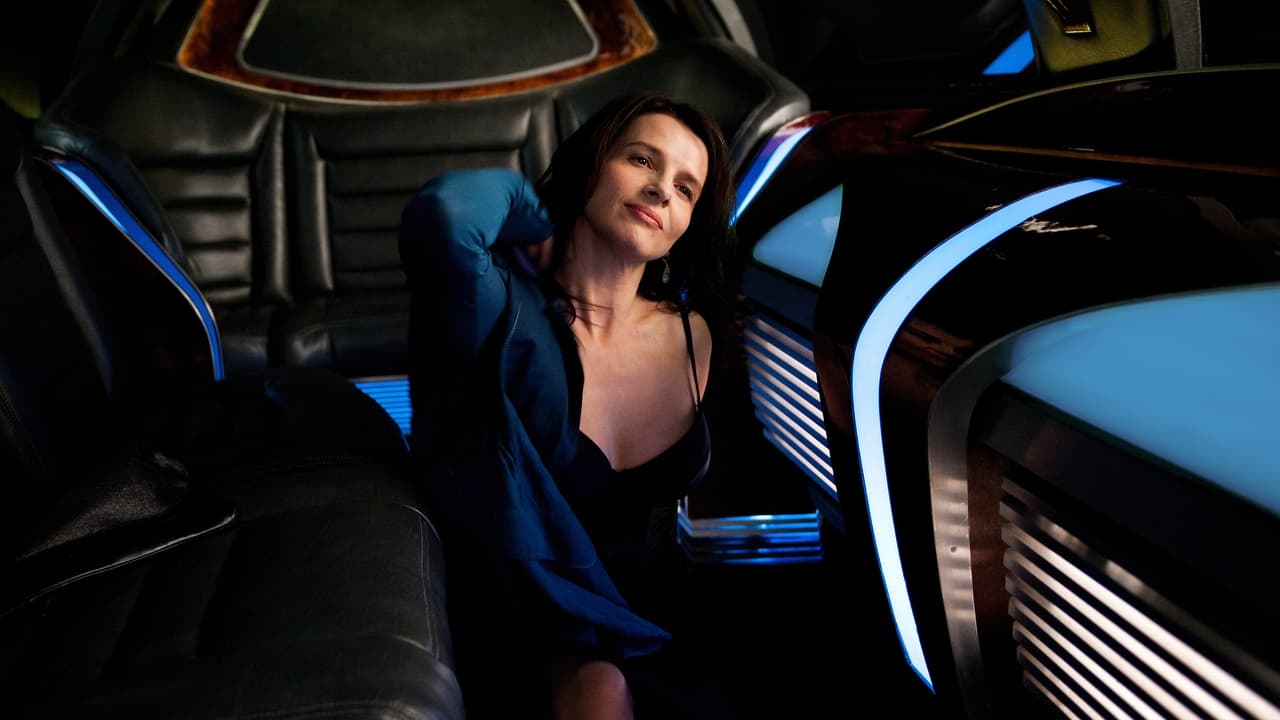
What’s fascinating about reassessing Cosmopolis now is how well it captured the transition of the early 2010s. We were moving away from the gritty, post-9/11 realism into something more abstract and digital. David Cronenberg and his longtime cinematographer Peter Suschitzky (who shot The Empire Strikes Back) opted for a clinical, digital look that makes the limo’s interior feel like a surgical suite.
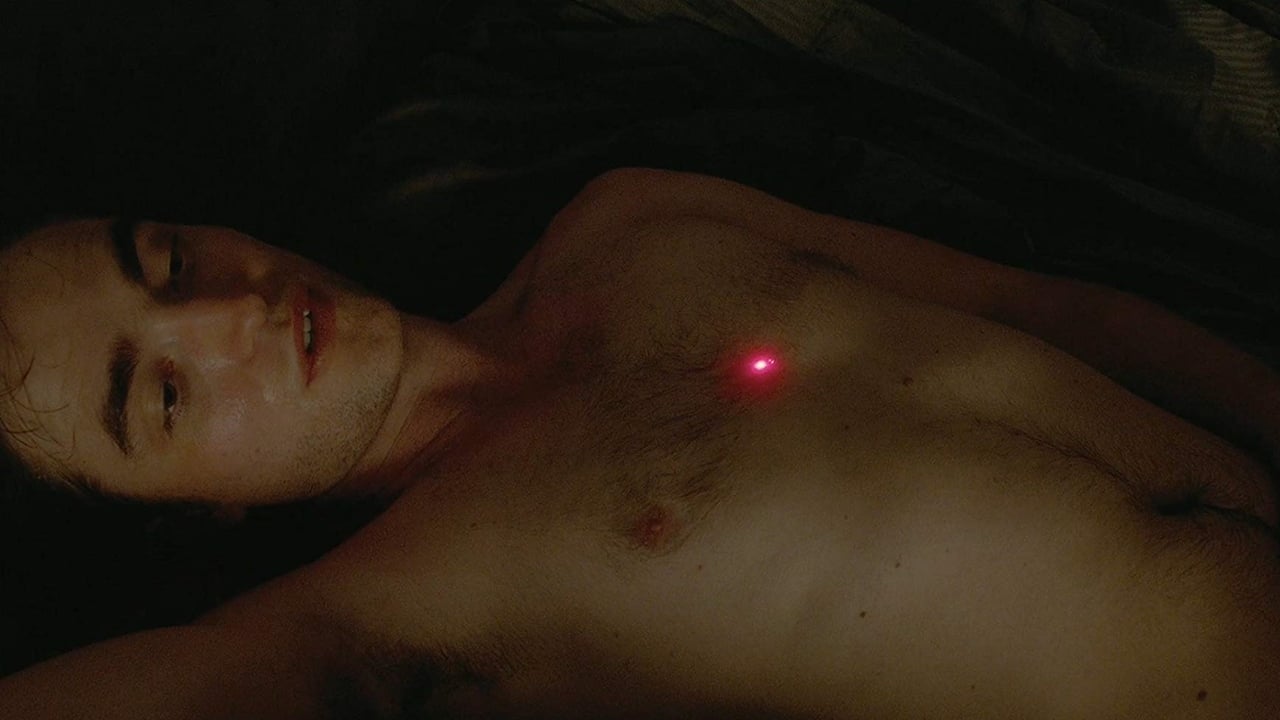
The film was a massive financial flop, making back barely a quarter of its $20 million budget. It’s not hard to see why. In 2012, audiences wanted the escapism of The Avengers or the grit of The Dark Knight Rises. They didn’t necessarily want a movie where the main character gets a prostate exam in the back of a car while discussing the philosophy of time.
There’s a great bit of trivia about the production: David Cronenberg reportedly wrote the screenplay in just six days. He just took the book, cut out the fluff, and kept the dialogue almost verbatim. You can feel that speed in the film’s energy. It doesn't meander; it vibrates with a weird, nervous intensity. Even the violence, when it finally arrives, feels abrupt and awkward, like a glitch in the software. It’s a movie that hates you, and honestly, I kind of respected it for that.
Why This Oddity Matters Now
Is it a forgotten masterpiece? Maybe not. But it’s a vital piece of the puzzle for anyone tracking the evolution of "Art House Rob." Before he was The Batman or the lighthouse keeper in The Lighthouse, he had to prove he could carry a film using nothing but his face and a bunch of pretentious dialogue. He’s supported by a fantastic, eerie performance from Sarah Gadon (who collaborated with Cronenberg again in Maps to the Stars) as his distant, poetess wife. Their interactions are some of the coldest, most fascinating scenes in the movie.
The film feels even more prescient today than it did a decade ago. It deals with the idea that our digital lives have become more "real" than our physical ones—that a billionaire can lose his entire empire because of a decimal point while a guy in a rat suit throws a pie at him in the street. It’s about the end of an era, delivered with a shrug and a grimace.
If you’re looking for a traditional drama with a beginning, middle, and an emotionally satisfying end, stay far away from this limo. But if you want to see a legendary director and a brave young actor tear down the walls of "commercial cinema" just to see what’s underneath, it’s a trip worth taking. Just don't expect a smooth ride.
Ultimately, Cosmopolis remains a fascinating relic of the early 2010s—a moment where indie ambition met the "Occupy Wall Street" zeitgeist and produced something genuinely strange. It’s cold, it’s intellectual, and it’s occasionally very funny in a pitch-black way. It reminds me that sometimes the most interesting films are the ones that refuse to play by the rules, even if they end up being buried by the passage of time. If you can find it on a streaming service or a dusty DVD bargain bin, give it a look; just make sure you don't have any pressing appointments afterward.
Keep Exploring...
-

Maps to the Stars
2014
-
Crash
1996
-
Spider
2002
-
A Dangerous Method
2011
-
Naked Lunch
1991
-
Crimes of the Future
2022
-
Dan in Real Life
2007
-
The Nanny Diaries
2007
-
Nick and Norah's Infinite Playlist
2008
-

Goon
2012
-
The Captive
2014
-
Blindness
2008
-
Passengers
2008
-
Brick Mansions
2014
-

Fred Claus
2007
-
Rock of Ages
2012
-

A History of Violence
2005
-
Premonition
2007
-
Appaloosa
2008
-
Be Kind Rewind
2008