Django Unchained
"A blood-splattered, high-octane quest for justice that reimagines the darkest corners of American history."
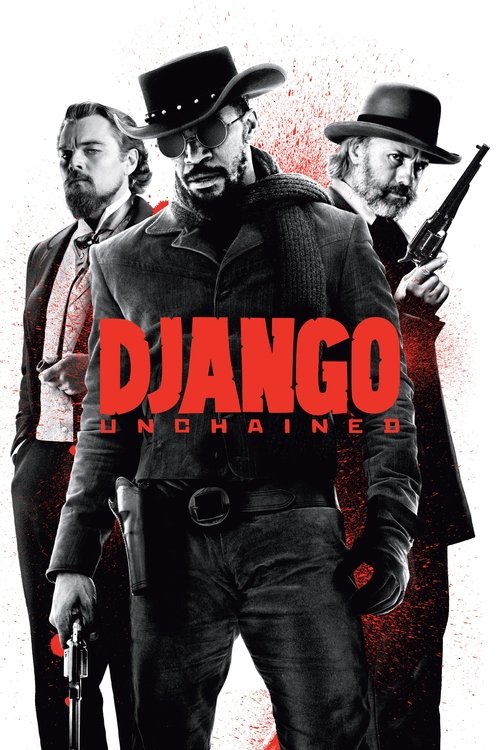
I remember the first time I saw Django Unchained back in late 2012. I was sitting in a theater in a slightly uncomfortable seat next to a guy who was aggressively eating a bag of sun-dried tomatoes—the smell was sharp and totally wrong for a movie theater—but the moment those opening red titles hit the screen and Rocky Roberts’ theme song began to blare, the weird snack smell vanished. I was completely locked in. This wasn't just another Western; it was Quentin Tarantino taking the tropes of 1960s Spaghetti Westerns and dragging them into the brutal reality of the American Antebellum South.
The Unlikely Duo and a Teutonic Twist
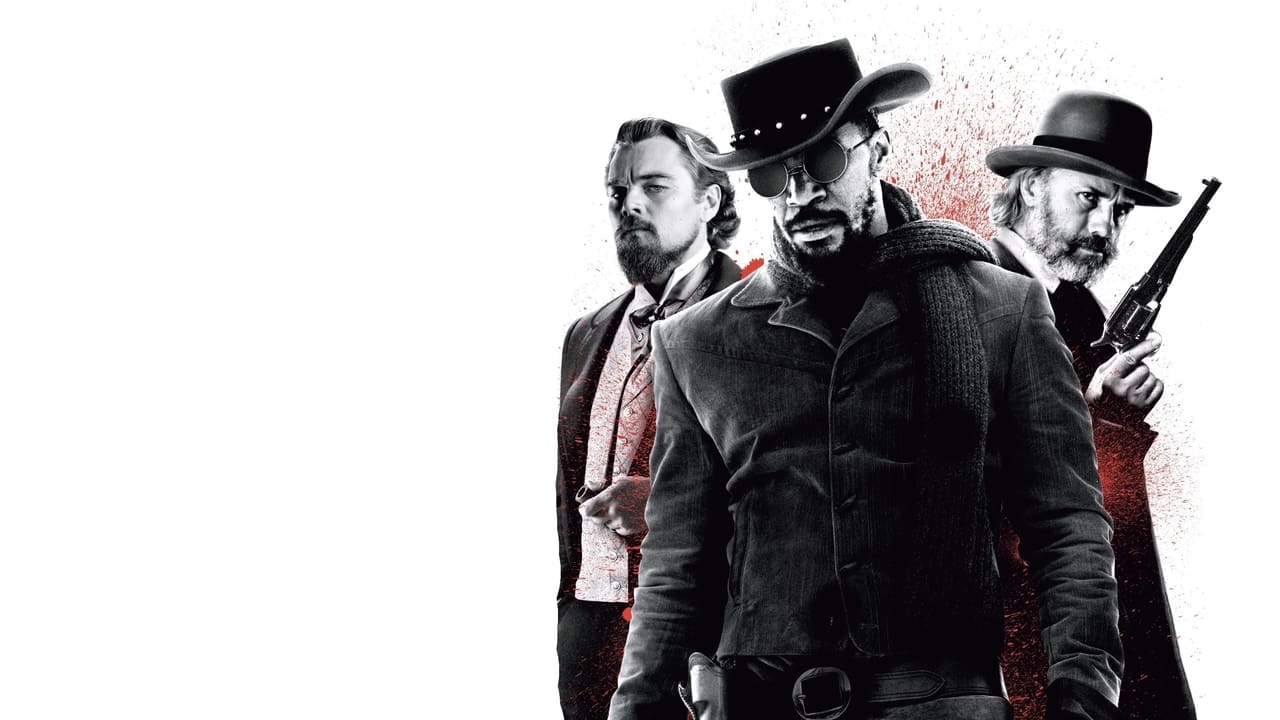
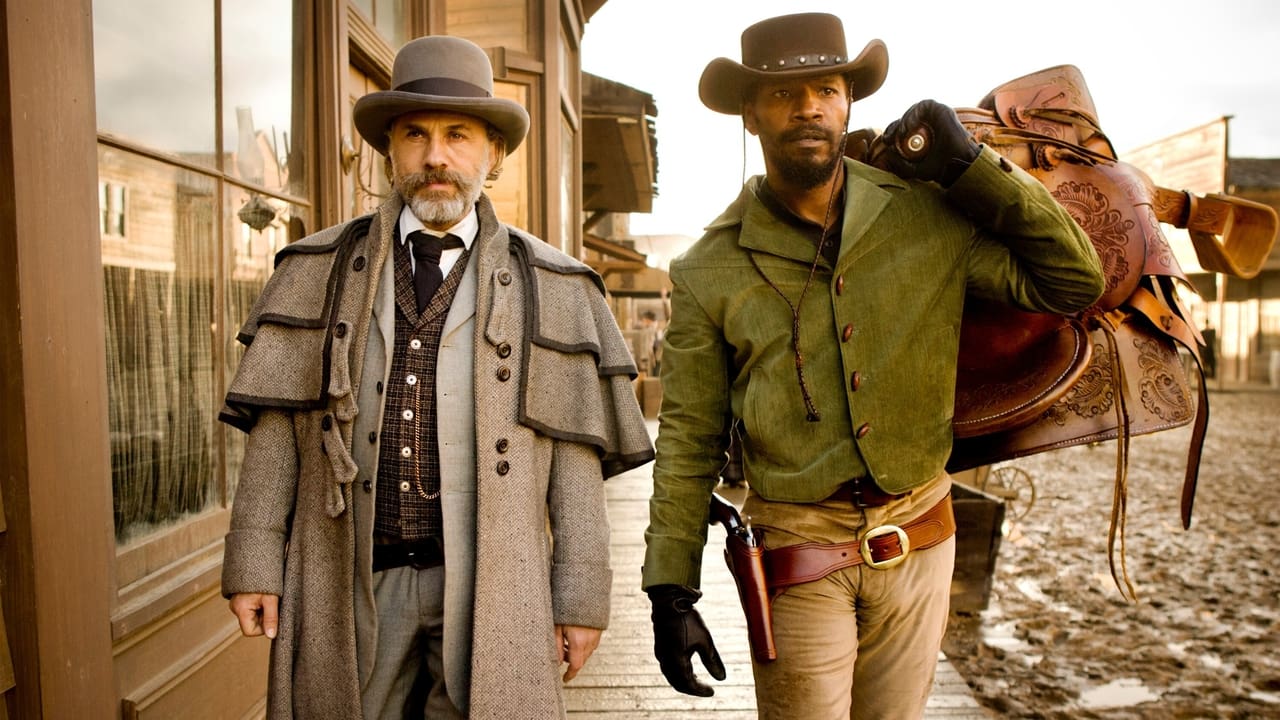
The movie kicks off with a bang—literally—as we meet Christoph Waltz’s Dr. King Schultz. After his Oscar-winning turn as a terrifying Nazi in Inglourious Basterds (2009), Christoph Waltz flipped the script here to play a dental-professional-turned-bounty-hunter with a strict moral code and a vocabulary that would make a dictionary blush. His chemistry with Jamie Foxx is the secret sauce that makes the first half of this 165-minute epic fly by.
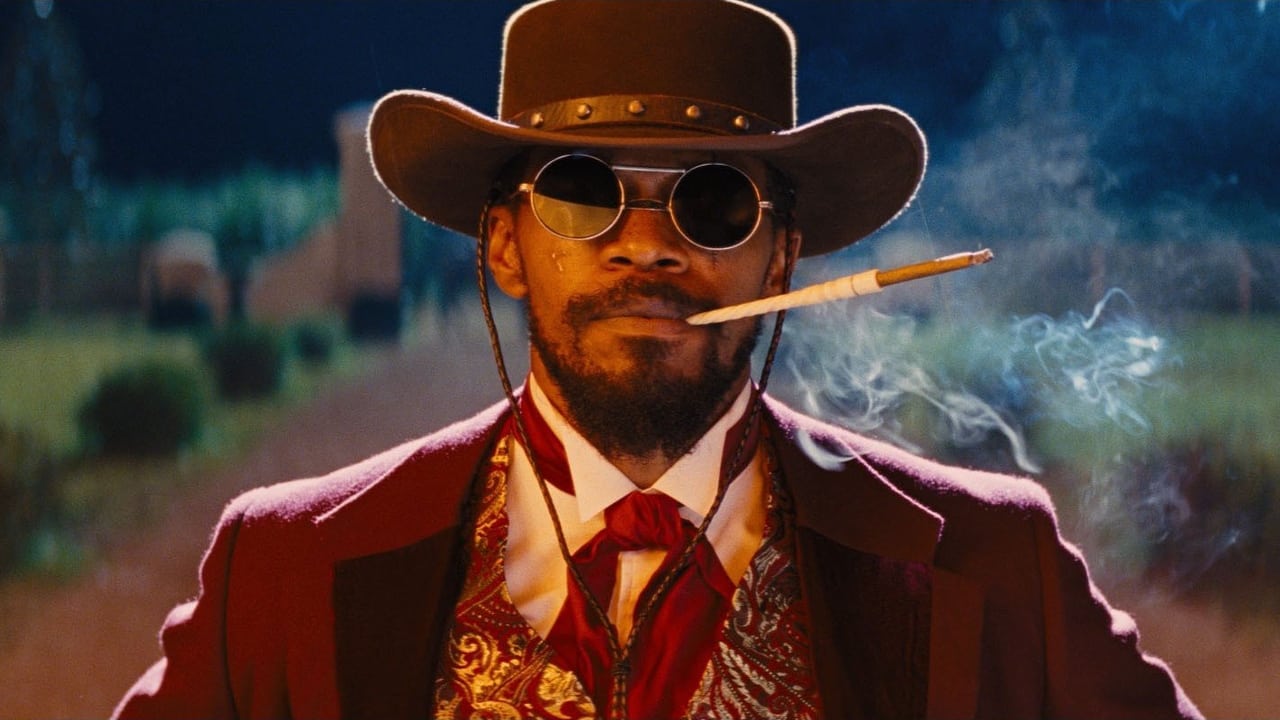
Jamie Foxx plays Django with a slow-burn intensity that I haven't seen since the heyday of Clint Eastwood. He starts as a man broken by the system of slavery and transforms into a legendary gunslinger. Watching him learn the "family business" of bounty hunting under Schultz’s tutelage is some of the most fun I’ve ever had at the movies. Jamie Foxx has this way of saying everything with just a slight tilt of his sunglasses.
A Villain You Love to Hate
Then we get to "Candyland," and the movie shifts from a buddy-cop Western into a tense, psychological drama. Leonardo DiCaprio as Calvin J. Candie is a revelation. Up until this point, we’d mostly seen Leo as the heroic lead or the tortured soul, but here he is a petulant, Francophile monster. Leonardo DiCaprio is basically a toddler with a god complex and a better wardrobe. He’s repulsive, yet you can’t look away.
The famous dinner table scene—where Leonardo DiCaprio actually cut his hand on a glass and kept acting while bleeding—isn’t just a cool bit of trivia; it’s a testament to the high-wire act this cast was performing. But even with Leo’s scenery-chewing, it’s Samuel L. Jackson as Stephen who steals the third act. His portrayal of the "house slave" who is more devious and protective of the status quo than the master himself is chilling. It’s a performance that makes your skin crawl, showcasing a level of complexity that most dramas are too afraid to touch.
Tarantino’s Stylistic Evolution
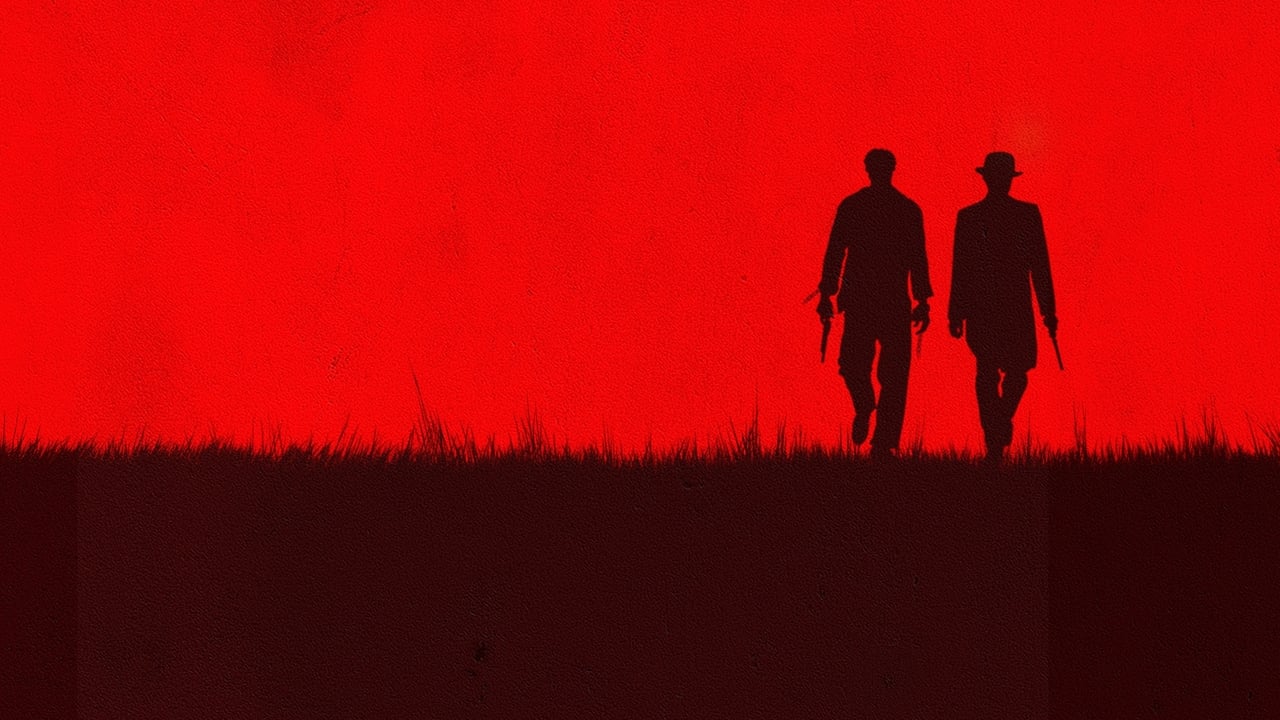
By 2012, we were well into the digital revolution in cinema, but Tarantino remained a celluloid purist. Working with cinematographer Robert Richardson (who also shot JFK and Casino), they created a look that feels both vintage and shockingly modern. The blood is "Tarantino Red"—vibrant, explosive, and almost cartoonish—which helps balance the very real, very heavy subject matter.
The soundtrack is another area where the 2010s "mashup" culture shines. Mixing Ennio Morricone with Rick Ross and John Legend shouldn't work, but it does. It reminds me of the first time I heard the hip-hop tracks in the A Knight's Tale (2001) DVD special features—that realization that historical accuracy matters far less than emotional truth and cool factor.
Prestige and Polarity
Django Unchained was a massive awards contender, and for good reason. It picked up five Oscar nominations, including Best Picture, and earned Quentin Tarantino his second Oscar for Original Screenplay. Christoph Waltz also took home his second Supporting Actor trophy, proving that when he and Tarantino team up, magic (and a lot of dialogue) happens.
However, looking back, the film’s "prestige" status was always tangled up in controversy. I remember the heated debates in the blogosphere about whether a white director should be using this specific historical trauma as the backdrop for a revenge fantasy. While critics like Roger Ebert praised it, others, like Spike Lee, famously refused to watch it. It’s a film that demands you have an opinion on it; it doesn’t allow for passive viewing.
The Little Details
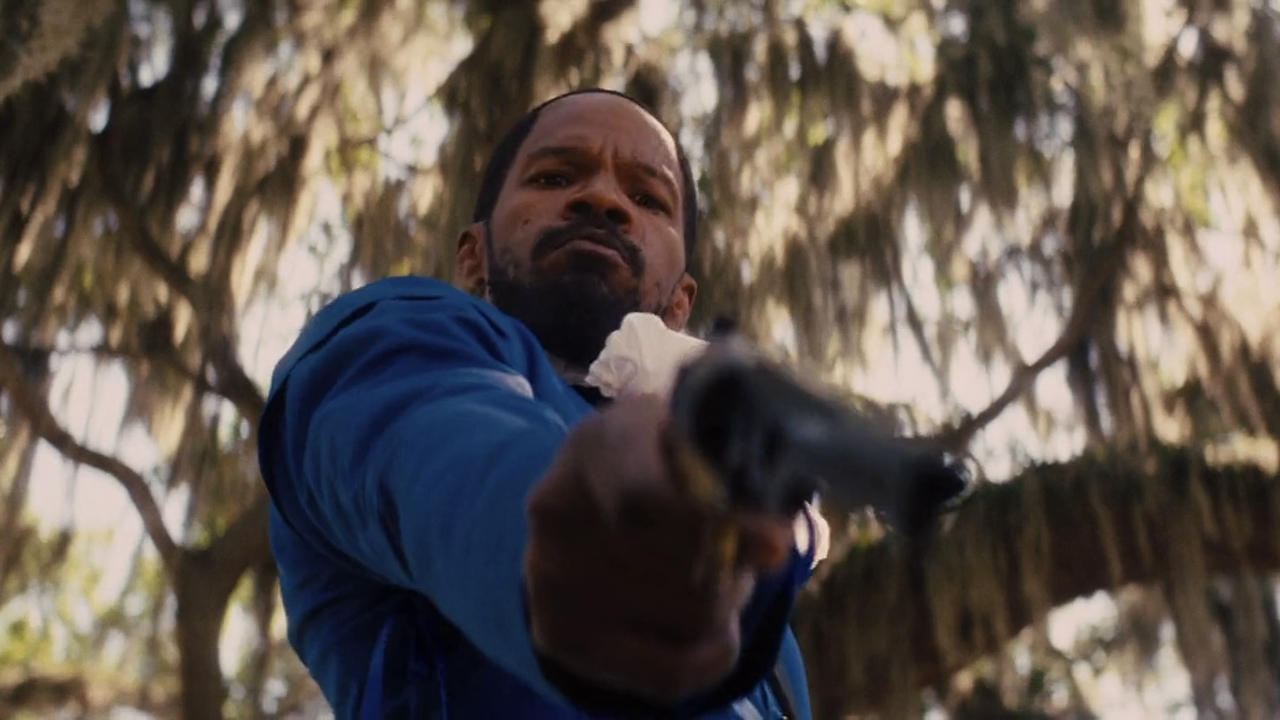
One of the coolest things I noticed on a rewatch is the cameo by Franco Nero, the original 1966 Django. When he asks Jamie Foxx how to spell his name and Django replies, "The D is silent," and Nero says, "I know," it’s a perfect bridge between the old school and the new. It’s that kind of film-geekery that makes Popcornizer readers smile.
The production design by J. Michael Riva also deserves a shout-out. The contrast between the cold, snowy mountains where Django and Schultz train and the humid, rotting elegance of the Mississippi plantation creates a visual map of the characters' journey. It feels lived-in, even when Tarantino’s cameo in this movie is like a thumb in a bowl of soup—unnecessary and slightly upsetting. His Australian accent is truly something you have to hear to believe, and not in a good way.
Django Unchained isn't a perfect movie—it has that classic Tarantino "third act bloat" where you think the movie is over three different times before it actually ends—but it is an undeniable piece of filmmaking. It takes the "Indie Renaissance" energy of the 90s and scales it up to a $100 million budget without losing its soul. It’s a film about the power of names, the weight of history, and the simple, cathartic joy of seeing the bad guys get exactly what's coming to them.
I still think about that final shot of Django on his horse, looking like the coolest man to ever walk the earth. It’s a movie that makes you want to talk about it for hours after the lights come up. Just maybe skip the sun-dried tomatoes if you’re watching it with friends.
Keep Exploring...
-
Inglourious Basterds
2009
-
The Hateful Eight
2015
-

Jackie Brown
1997
-

Kill Bill: The Whole Bloody Affair
2011
-

Pulp Fiction
1994
-

Law Abiding Citizen
2009
-
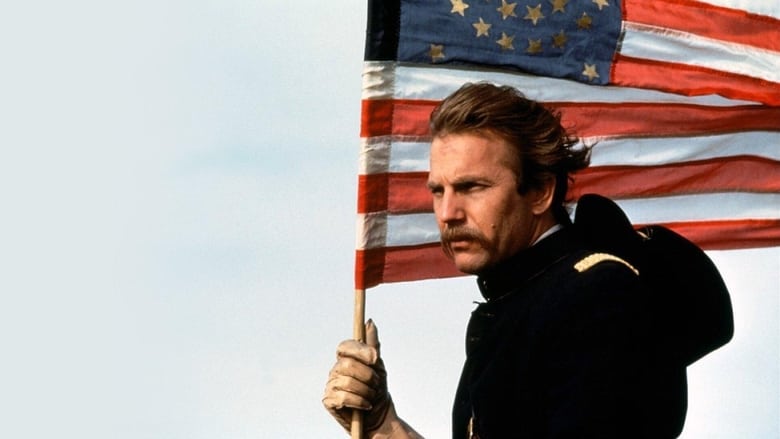
Dances with Wolves
1990
-
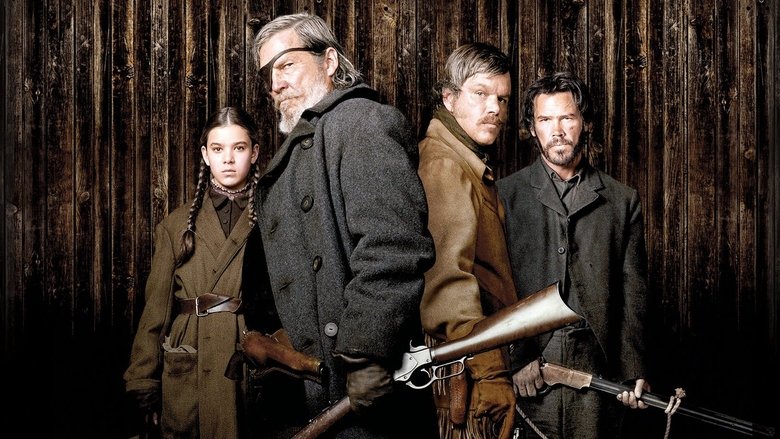
True Grit
2010
-
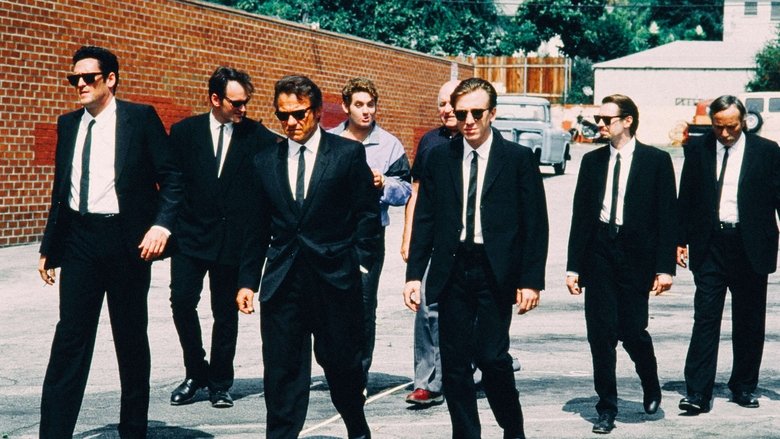
Reservoir Dogs
1992
-
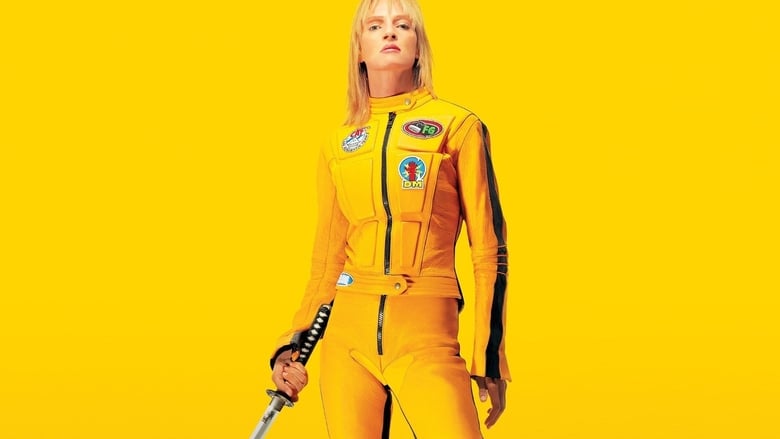
Kill Bill: Vol. 1
2003
-

Kill Bill: Vol. 2
2004
-
The Dark Knight
2008
-
Shutter Island
2010
-
The Wolf of Wall Street
2013
-

Gone Girl
2014
-

Interstellar
2014
-
Once Upon a Time... in Hollywood
2019
-
Spirit: Stallion of the Cimarron
2002
-
Ray
2004
-
Into the Wild
2007