Dredd
"One megablock. 75,000 criminals. No backup."
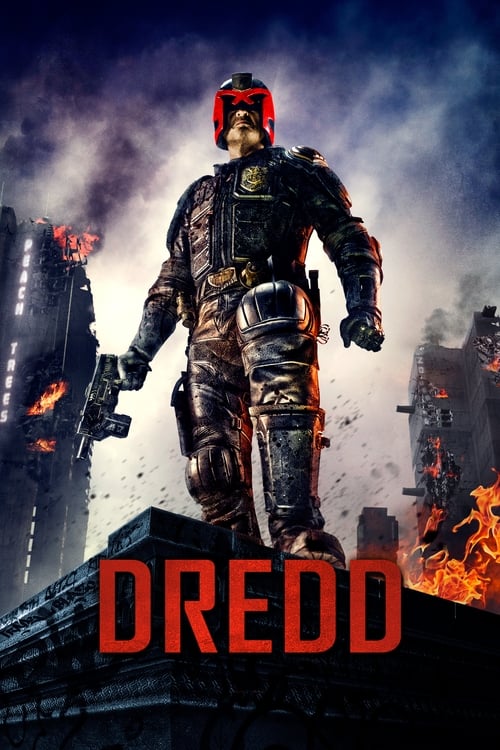
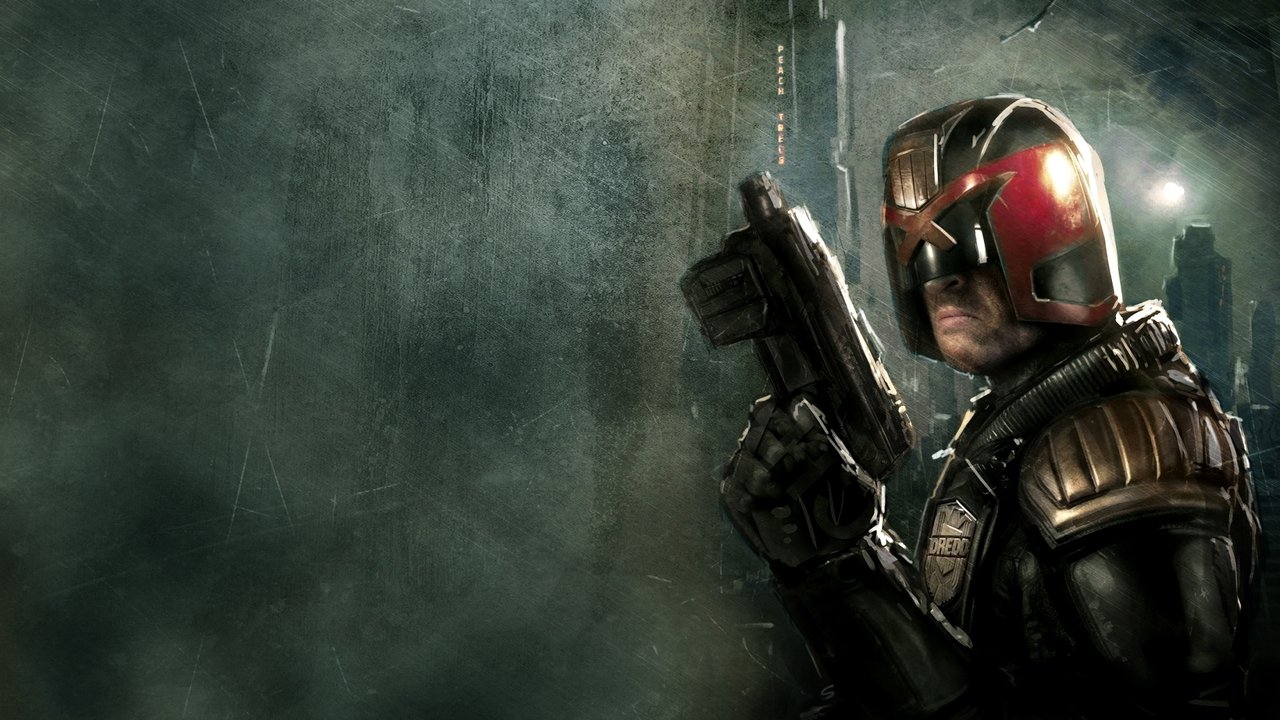
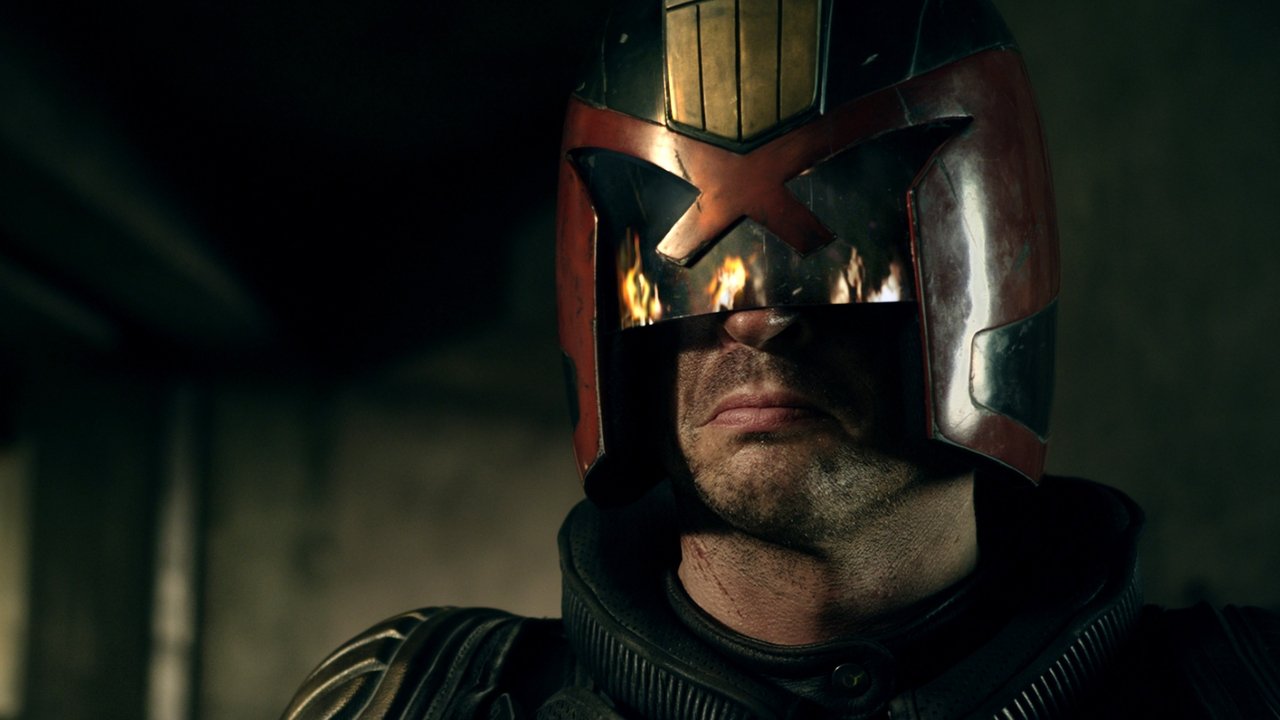
Most leading men in Hollywood have a "face clause" written into their contracts. It’s an unspoken rule that if you’re paying a handsome actor millions of dollars, the audience needs to see that expensive bone structure for at least 90% of the runtime. In 1995, Sylvester Stallone famously couldn't wait twenty minutes to rip off his helmet in his version of Judge Dredd. But in 2012, Karl Urban walked onto the set of Dredd and decided his ego was less important than the source material. He stays under that visor for the entire film, giving us a performance composed entirely of a downturned scowl and a voice that sounds like a gravel truck in low gear. It is, quite frankly, one of the most dedicated pieces of genre acting I’ve seen this century.
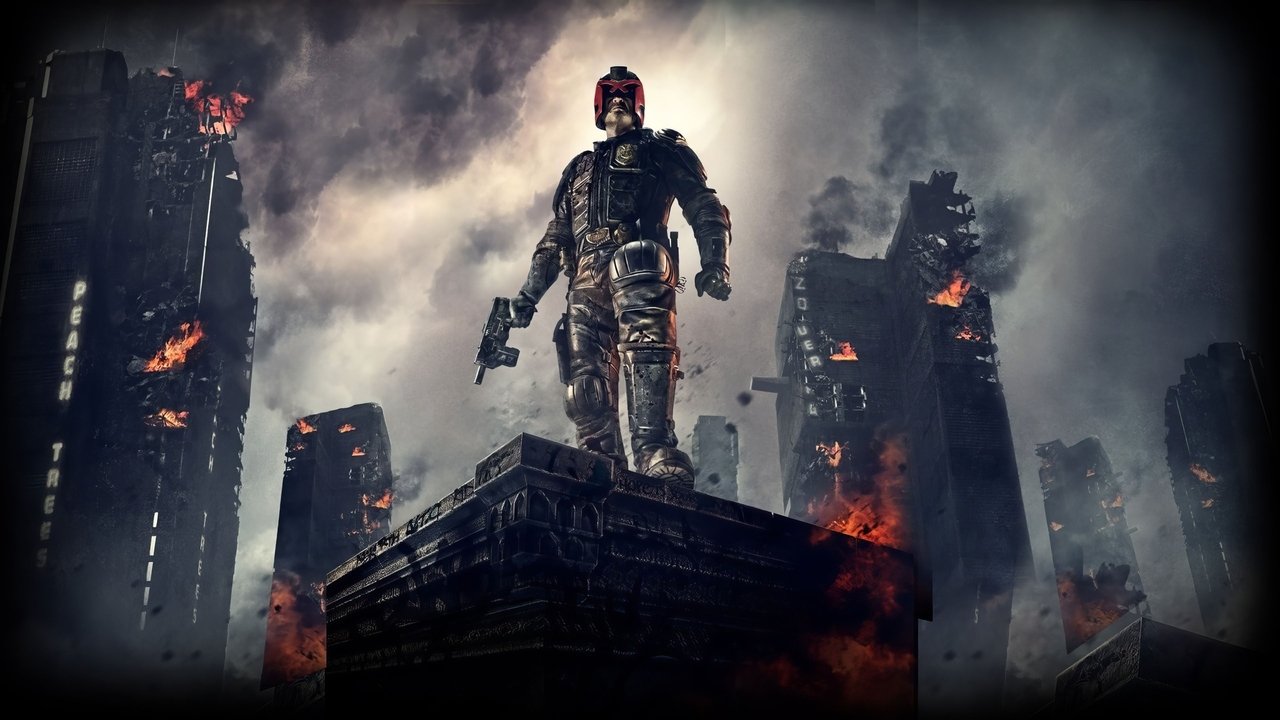
I remember watching this for the first time in a cramped basement apartment where the overhead lightbulb was flickering in a weirdly rhythmic way. It actually synced up perfectly with the muzzle flashes during the first big shootout, and for a second, I thought I was having a localized 4D cinema experience. That gritty, low-rent atmosphere felt right because Dredd is a movie that thrives in the dirt.
A Vertical Gauntlet of Grime
The plot is elegantly simple, stripping away the sprawling political fluff that bogs down most sci-fi. It’s a "day in the life" story that turns into a siege. Dredd is tasked with evaluating a rookie, Cassandra Anderson (Olivia Thirlby), a mutant with psychic abilities. They head to Peach Trees, a 200-story slum tower, to investigate a triple homicide. Once there, they run afoul of Ma-Ma (Lena Headey), a former prostitute turned drug lord who seals the building and puts a green light on the Judges.
What follows is a relentless climb—or descent, depending on how you view the body count. Lena Headey is chilling here, playing Ma-Ma not as a scenery-chewing villain, but as a tired, scarred woman who has seen it all and decided to burn the rest down. She’s the perfect foil for Karl Urban’s stoic Lawman. While the rest of the 2012 blockbuster slate was leaning into the bright, interconnected "quip-heavy" style of the burgeoning MCU, Dredd felt like a throwback to the hard-R action movies of the late 80s, where every gunshot had weight and every injury felt permanent.
The Beauty of Slow-Motion Slaughter
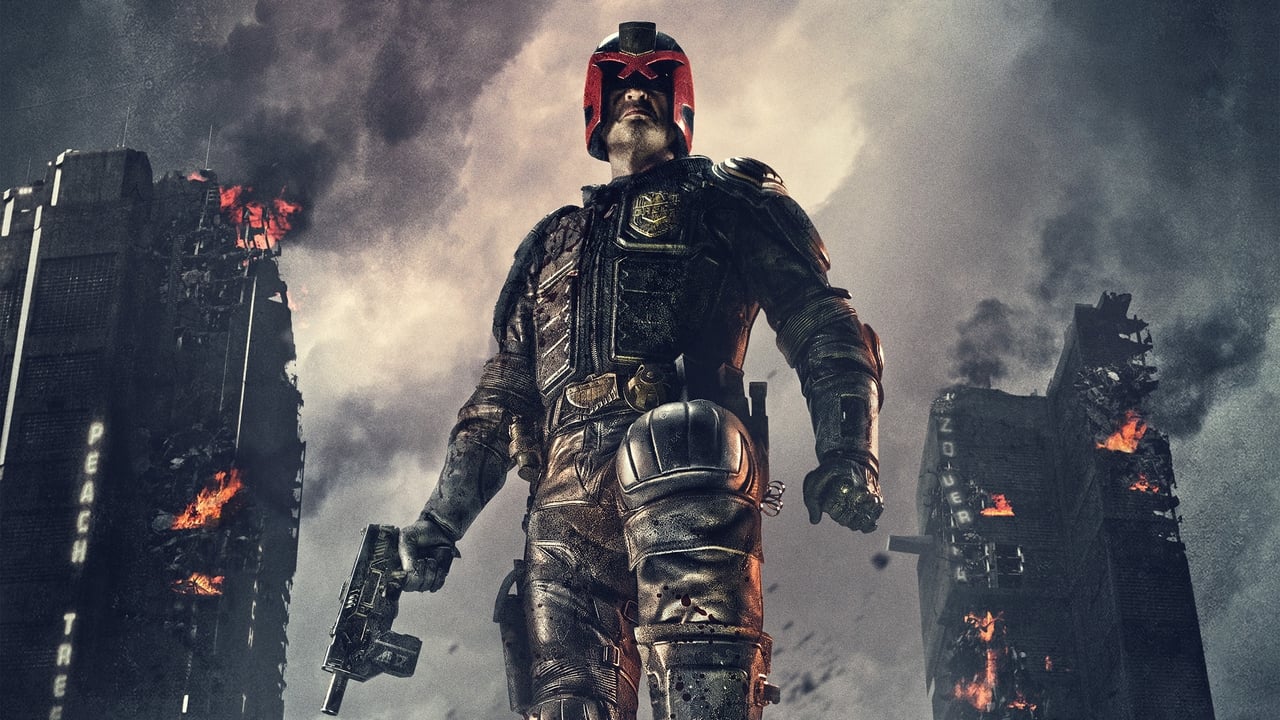
Technologically, Dredd arrived at a weird crossroads. 3D was the industry’s obsession at the time, often used as a gimmicky way to jack up ticket prices. But writer Alex Garland and cinematographer Anthony Dod Mantle actually used the tech to tell the story. The central plot device—a drug called "Slo-Mo" that makes the brain perceive time at 1% of its normal speed—gave the filmmakers an excuse to create some of the most hauntingly beautiful imagery in action history.
When someone goes through a window on Slo-Mo, we see every shard of glass catch the light like a diamond. It turns horrific violence into something strangely aesthetic. It’s the only time I’ve ever felt like a movie justified its 3D glasses, using the depth to make the cramped hallways of Peach Trees feel cavernous and the drug trips feel immersive. Even watching it now on a flat screen, those sequences don’t feel dated; they feel like living paintings.
The Shadow Director and the Cult
If you’re looking for the reason Dredd feels so distinct, you have to look at the "Stuff You Didn't Notice" file. While Pete Travis is the credited director, it’s long been an open secret in Hollywood circles that screenwriter Alex Garland (who later gave us Ex Machina and Annihilation) was the one who steered the ship through post-production and editing. Karl Urban has even gone on record calling Garland the true director. You can feel that DNA—the cold, intellectual approach to high-concept sci-fi—bleeding through every frame.
Despite being a critical darling, the film was a massive box office disappointment. It fell victim to a poor marketing campaign and a general "Dredd fatigue" left over from the 90s. But the DVD and Blu-ray release became a legendary success. This is a true cult classic; it was found by the people who appreciated that it didn't treat the audience like children who needed a joke every five minutes.
A few other bits of trivia for the fans:
Karl Urban insisted on doing his own stunts whenever possible and reportedly stayed in character (and in the helmet) between takes to maintain the mood. The "Slo-Mo" scenes were shot with specialized Phantom Flex high-speed cameras, sometimes filming at up to 7,000 frames per second. To get the psychic sound effects right, the team used a "sub-harmonic" approach that vibrates in your chest if you have a decent sound system. The graffiti in Peach Trees is filled with Easter eggs for fans of the 2000 AD comics, including nods to characters like Chopper and Judge Death. * Despite the $50 million budget, the film looks twice as expensive because they shot on location in South Africa, using real derelict buildings to ground the sci-fi in reality.
Dredd is a rare beast: a lean, mean, 96-minute machine that knows exactly what it wants to be. It doesn't set up a cinematic universe, it doesn't have a post-credits scene, and it doesn't care if you like its hero. It’s an exercise in pure momentum and atmospheric world-building. Looking back from an era of three-hour epics, its economy of storytelling feels like a revelation. If you want an action movie that respects your intelligence and your time, this is the law.
Keep Exploring...
-
Jumper
2008
-
The Incredible Hulk
2008
-

Star Trek
2009
-
Surrogates
2009
-
Terminator Salvation
2009
-
Watchmen
2009
-
Megamind
2010
-
The Book of Eli
2010
-
TRON: Legacy
2010
-

Captain America: The First Avenger
2011
-
Real Steel
2011
-

X-Men: First Class
2011
-

John Carter
2012
-

Men in Black 3
2012
-
Total Recall
2012
-
Elysium
2013
-

Ender's Game
2013
-
Man of Steel
2013
-
Oblivion
2013
-
Pacific Rim
2013