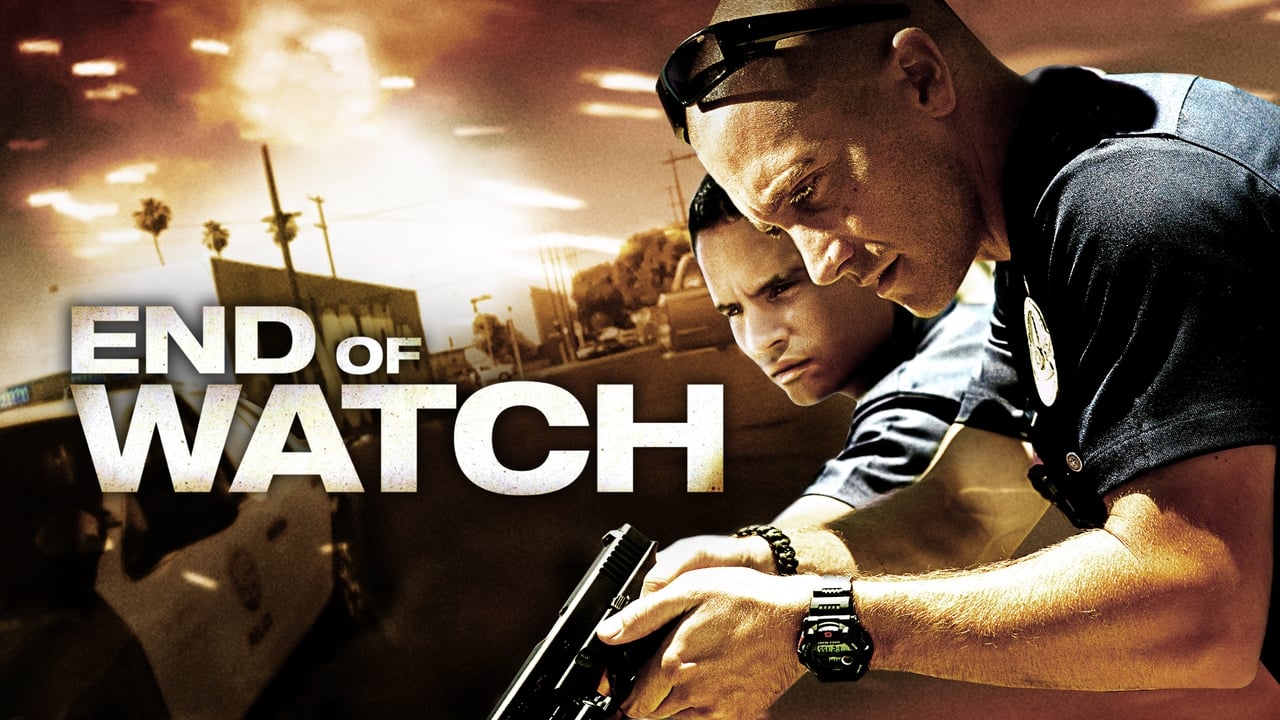
End of Watch
"Long days, short lives, and the camera that caught it all."
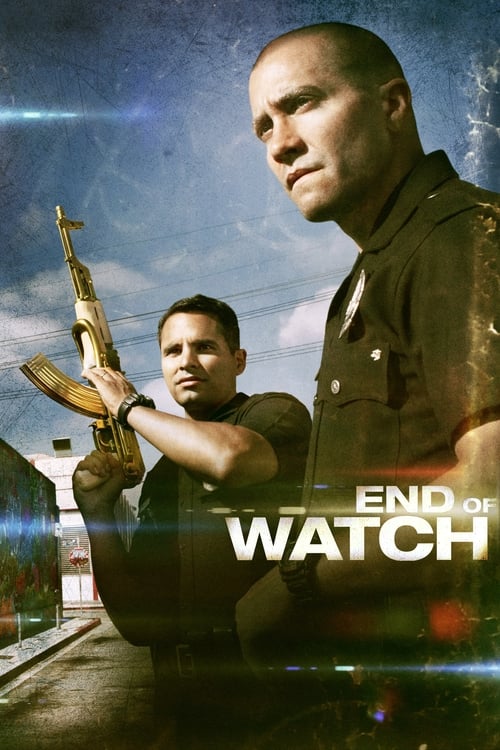
I remember the first time I sat through End of Watch—I was watching it on a laptop with a cracked screen while my neighbor’s dog barked at a ghost for two hours, and somehow, that chaotic domestic noise only made the film feel more authentic. It’s the kind of movie that bleeds into your surroundings. By the time the credits rolled, I wasn't just a viewer; I felt like I’d just finished a twelve-hour shift in the back of a Crown Vic, smelling of cheap coffee and stale adrenaline.
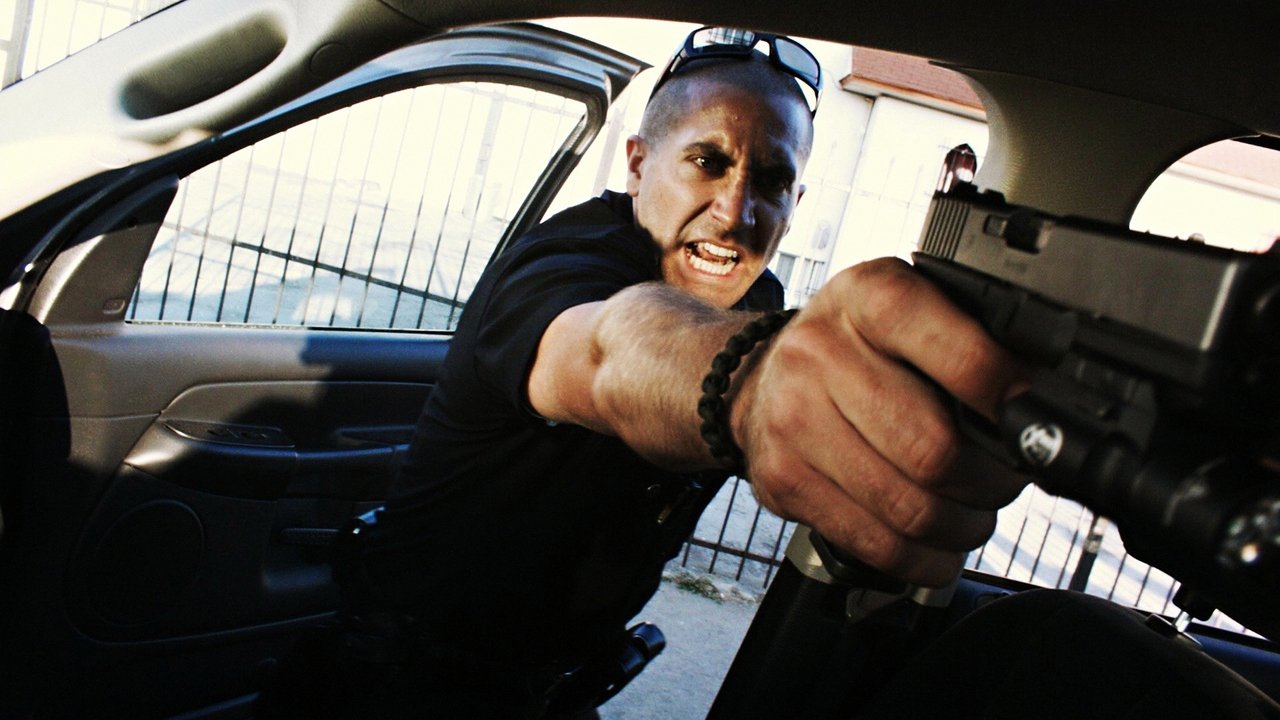
In 2012, we were right in the thick of the "found footage" craze. Usually, that meant shaky cameras in haunted houses or giant monsters stepping on New York. But David Ayer (who had already established his street-cred writing Training Day) decided to take that gritty, digital-handheld aesthetic and apply it to the daily grind of the LAPD. It shouldn't have worked as well as it did, but because the film focuses so heavily on the human tissue between the gunfights, it remains one of the most bruisingly effective police dramas of the last twenty years.
The Best Bromance in Modern Cinema
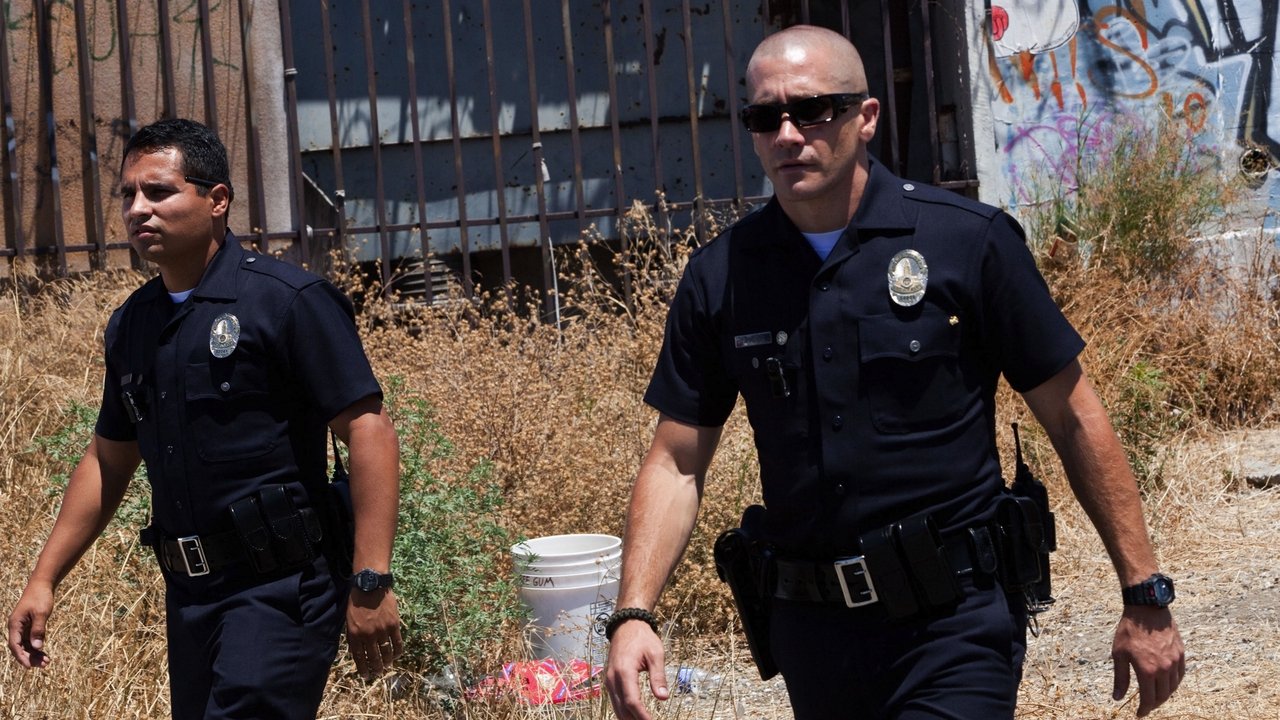
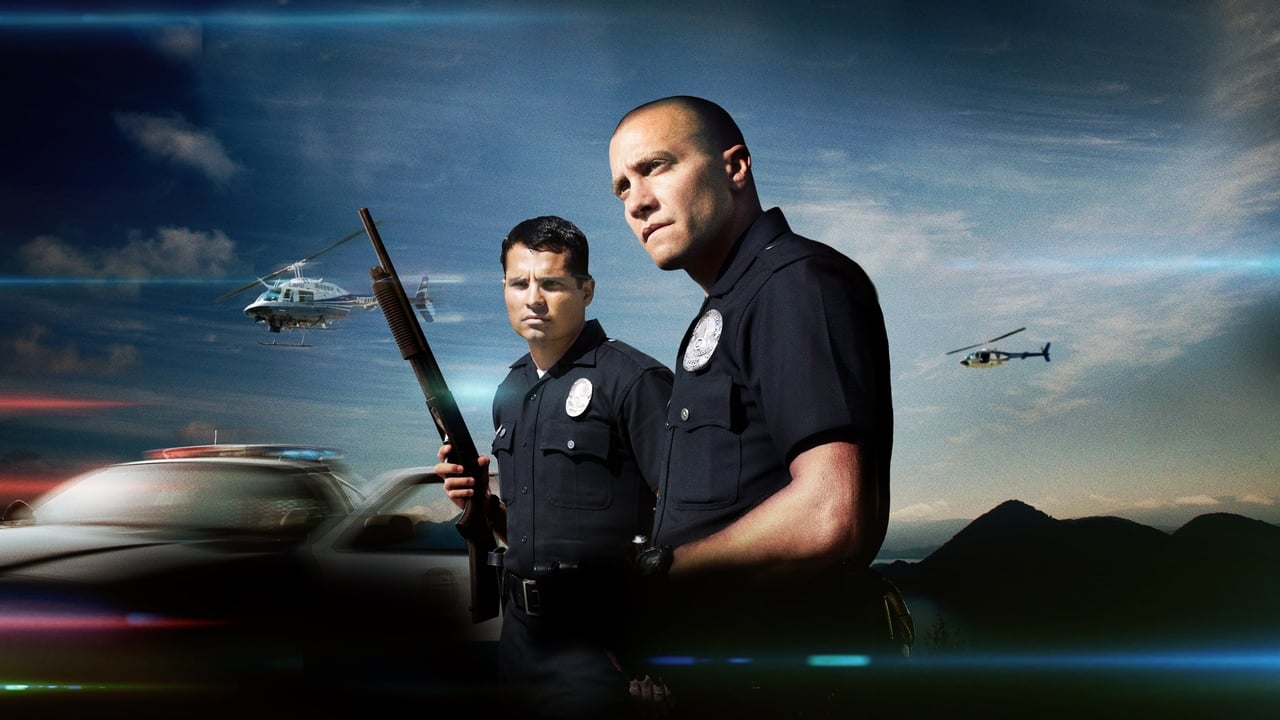
The heartbeat of this movie isn't the plot—which is a relatively simple "cops stumble onto a cartel hornets' nest" story—it’s the relationship between Brian Taylor and Mike Zavala. I’ve seen a thousand "buddy cop" movies, but Jake Gyllenhaal and Michael Peña operate on a completely different frequency here. They don't feel like actors reciting lines; they feel like brothers who have spent way too much time in a confined space together.
Jake Gyllenhaal, coming off a string of more polished roles like Source Code, plays Brian with a cocky, obsessive energy, while Michael Peña provides the soulful, hilarious counterpoint as Mike. Their banter is the soul of the film. They talk about everything: marriage, race, fear, and the sheer boredom of the job. It’s conversational, messy, and deeply endearing. You get the sense that Anna Kendrick (playing Brian’s girlfriend, Janet) and Natalie Martinez (playing Mike’s wife, Gabby) aren't just love interests; they are the stakes. They represent the life these men are trying to get home to every morning.
The chemistry was no accident. Apparently, Jake Gyllenhaal and Michael Peña spent five months doing ride-alongs with the LAPD, sometimes for 12 hours a day. During one of these, Gyllenhaal actually witnessed a murder while on a ride-along. You can see that weight in their performances. They aren't playing heroes; they’re playing workers in a very dangerous factory.
A Masterclass in Restricted Perspective
Visually, End of Watch is a fascinating relic of the early 2010s. It’s a mix of Brian’s handheld cameras, dashcams, and body cams. This was right as digital cameras were becoming small enough to hide anywhere, and David Ayer uses that to trap us in the car with them.
The "darkness" of the film doesn't come from shadows, but from the bluntness of the violence. When they stumble upon a house used by the cartel, the camera doesn't look away from the grisly aftermath. It’s filmed with a cold, observational eye that makes the horror feel mundane, which is infinitely more terrifying. David Harbour and Frank Grillo show up in supporting roles that remind us that even the "tough" veteran cops are just one bad corner away from a tragedy.
The villains are essentially faceless bogeymen in a film that thrives on faces. While some critics at the time found the cartel members to be a bit "cartoonish" or one-dimensional, I actually think that serves the film’s purpose. To a beat cop, the cartel isn't a complex character study; they are a sudden, overwhelming force of nature. They are the monster in the woods.
The Legacy of the Ride-Along
Looking back, End of Watch was a bit of a turning point. It arrived just before the cultural conversation around policing in America shifted significantly, capturing a very specific moment of "post-9/11" law enforcement where the line between domestic policing and counter-terrorism was beginning to blur. It’s a film that asks us to care deeply about the individuals while acknowledging the crushing weight of the system they work within.
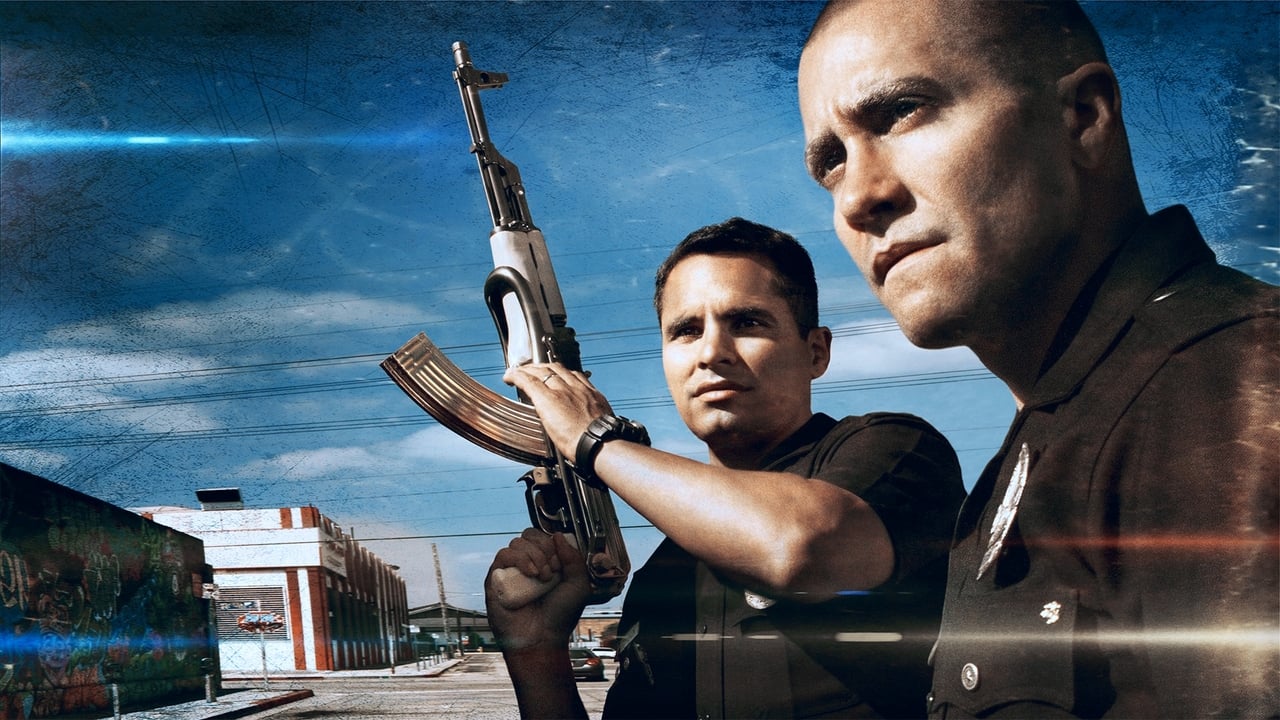
It wasn't a massive blockbuster, but it became a definitive cult favorite for anyone who appreciates craft. It’s a movie that earned its reputation through word-of-mouth and DVD sales, often cited by actual law enforcement as one of the few films that gets the "office talk" right.
Turns out, the studio was actually terrified of the ending. There were multiple cuts tested where the fate of our protagonists was handled differently, but Ayer stayed true to the grim reality of the world he built. It’s a movie that doesn't offer easy comfort, but it offers a hell of a ride.
End of Watch remains a high-water mark for the police genre because it remembers that the badges are pinned to people. It’s an intense, often heartbreaking experience that manages to find humor in the darkest corners of Los Angeles. If you can stomach the shaky-cam and the high-octane dread of the final act, it’s a journey that stays with you long after the sirens fade out. It’s not just a cop movie; it’s a story about a friendship that happened to have a precinct number attached to it.
Keep Exploring...
-
Nightcrawler
2014
-
The Lincoln Lawyer
2011
-
Street Kings
2008
-
The Next Three Days
2010
-
Drive
2011
-
Sabotage
2014
-

Law Abiding Citizen
2009
-

Fury
2014
-

Falling Down
1993
-
Natural Born Killers
1994
-

Jackie Brown
1997
-
American Psycho
2000
-
John Q
2002
-
21 Grams
2003
-
Lucky Number Slevin
2006
-

Zodiac
2007
-
The Godfather Part III
1990
-

The Negotiator
1998
-
Road to Perdition
2002
-

Dogville
2003