Flight
"The hero is a ghost in the cockpit."

I remember watching Flight for the first time while drinking a tepid sparkling water that had lost all its carbonation—an oddly appropriate companion for a movie about losing your spark while maintaining a bubbly facade. We usually turn to Robert Zemeckis for a sense of wonder. This is the man who gave us the time-traveling DeLorean in Back to the Future and the whimsical history-hopping of Forrest Gump. But in 2012, after a decade spent wandering the "uncanny valley" of motion-capture animation, Zemeckis returned to live-action with a gut-punch that replaced the wonder with a cold, hard stare into the bottom of a vodka bottle.
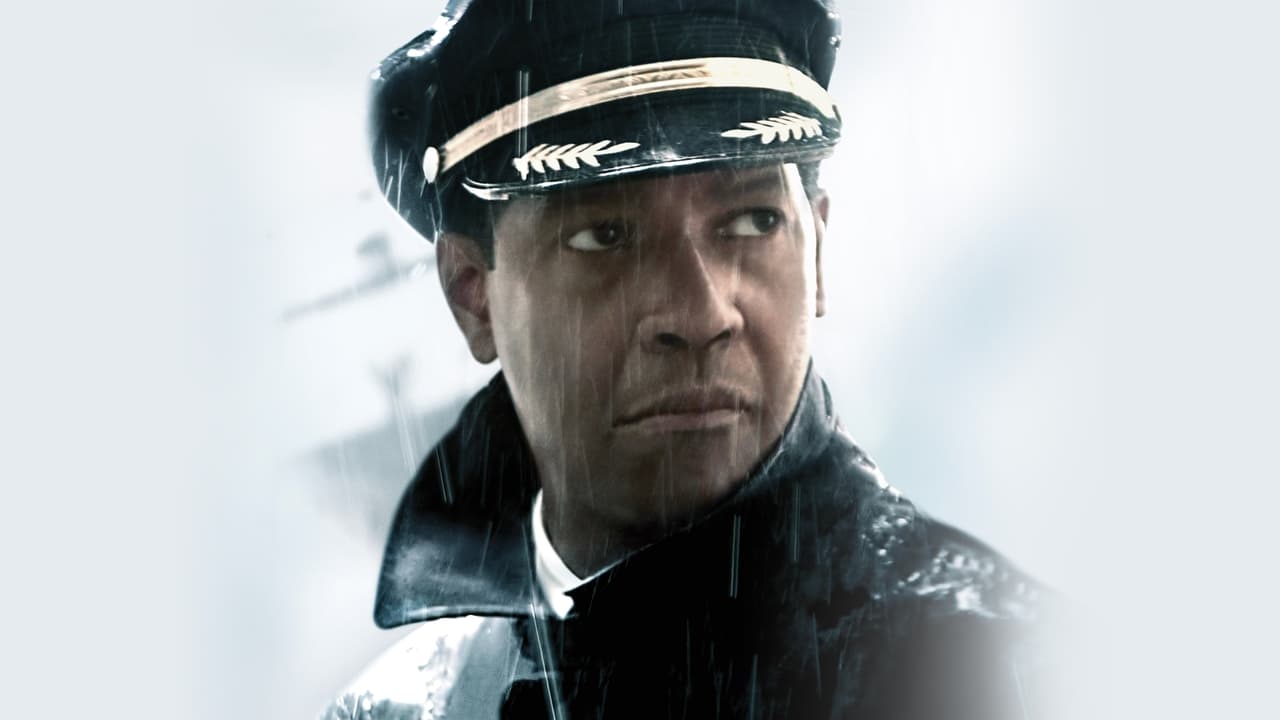
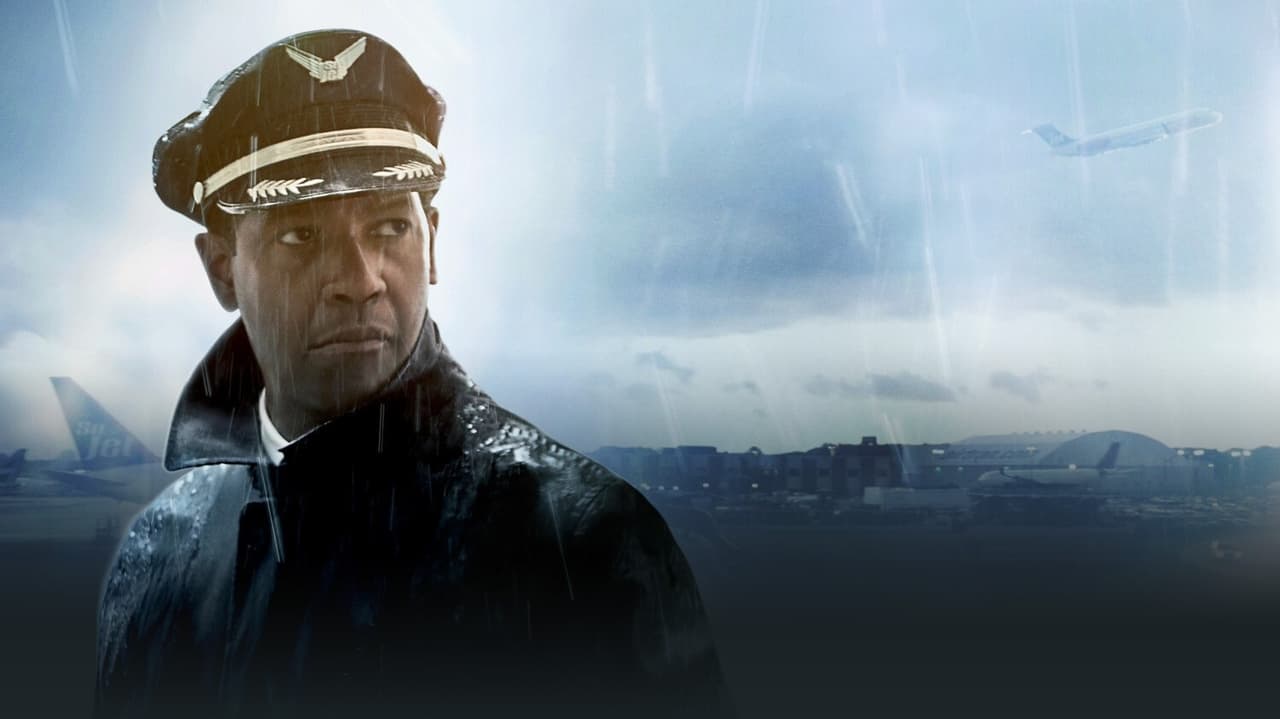
The opening sequence is, quite frankly, one of the most harrowing things ever put to film. It isn’t just the technical wizardry of a plane flying upside down; it’s the terrifying competence of Whip Whitaker. Denzel Washington plays Whip with a swagger that is both magnetic and repulsive. Watching him chop lines of cocaine to "wake up" for a flight is a masterfully uncomfortable setup. Then the mechanical failure happens, and we see the miracle. Whip Whitaker is the only man who could make a catastrophic mid-air inversion look like a minor inconvenience on his way to a legendary hangover.
The Uncanny Valley of the Soul
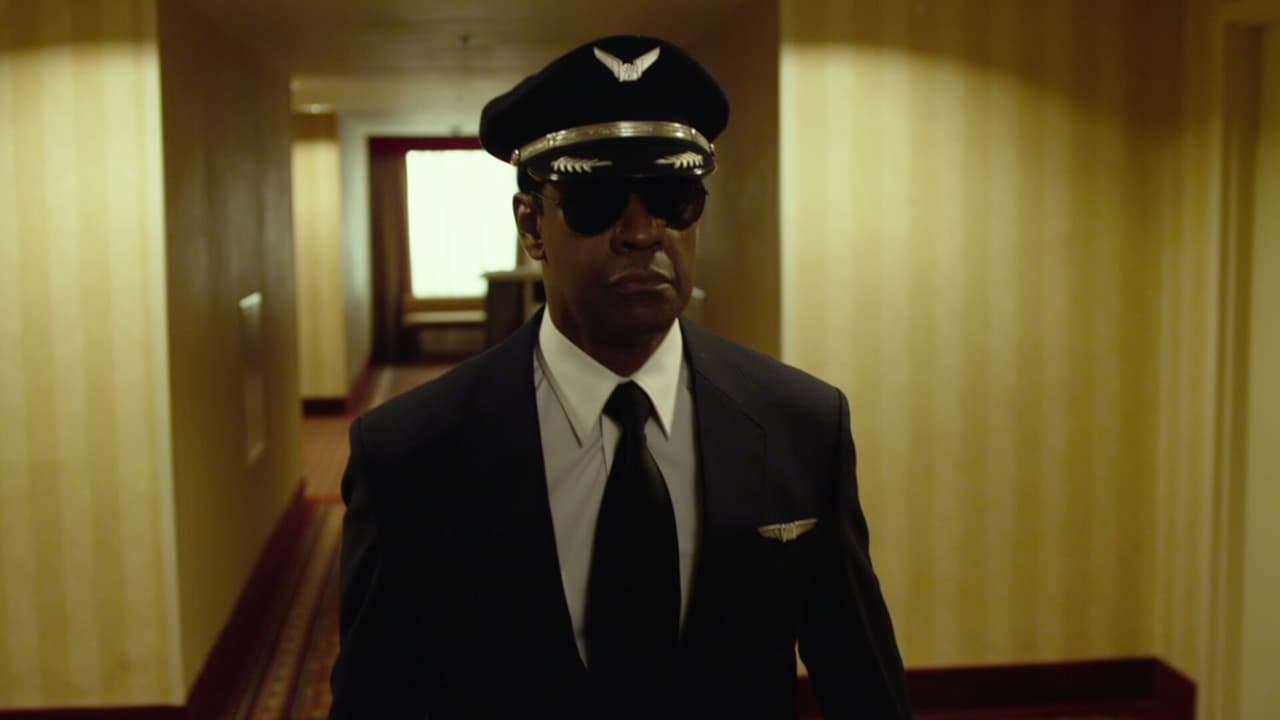
While the crash is the spectacle that sold the tickets, the real "action" happens in hospital rooms and anonymous hotel suites. This is a character study disguised as a disaster flick. Denzel Washington doesn’t play Whip as a villain, but as a man who has become so proficient at lying to himself that the truth feels like a foreign language. There is a specific look in his eyes—a mixture of "I’ve got this" and "Please don't look too closely"—that I find haunting every time I revisit this.
He’s flanked by an incredible supporting cast that grounds the melodrama. Don Cheadle (who I first loved in Ocean's Eleven) is the high-priced defense attorney Hugh Lang, bringing a necessary, clinical friction to Whip’s chaos. Then there’s Kelly Reilly as Nicole, a recovering addict who serves as Whip’s mirror. Their relationship isn't a Hollywood romance; it’s two people drowning at different speeds, trying to decide if they want to pull each other up or push each other down. It feels authentic in a way dramas often skip over in favor of easy sentimentality.
The Goodman Factor and the "Adult" Blockbuster
Just when the film threatens to become too bleak to bear, John Goodman saunters in as Harling Mays, Whip’s drug dealer and "fixer." Set to the strutting beat of "Symphony for the Devil," John Goodman provides a jolt of darkly comedic energy that shouldn't work in a serious drama about addiction, but it does. He represents the enabler, the guy who makes the lifestyle look like a party even when the host is dying.
Looking back, Flight feels like a relic from a very specific window in Modern Cinema (roughly 1990–2014) where a major studio like Paramount would hand $31 million to a director to make a R-rated, mid-budget drama about a deeply unlikable protagonist. Today, this would likely be a prestige miniseries on a streaming platform. In 2012, it was a box office powerhouse, raking in over $161 million. Apparently, audiences in the early 2010s were still hungry for "adult" stories that didn't involve capes or multiverses.
The production itself was a bit of a gamble. To keep the budget lean, Denzel Washington reportedly took a massive pay cut, accepting a fraction of his usual $20 million fee in exchange for a slice of the profits. It was a bet on himself that paid off, earning him an Oscar nomination and proving that his star power could still carry a film that spends most of its runtime in quiet, tension-filled rooms.
A Legacy of Turbulence
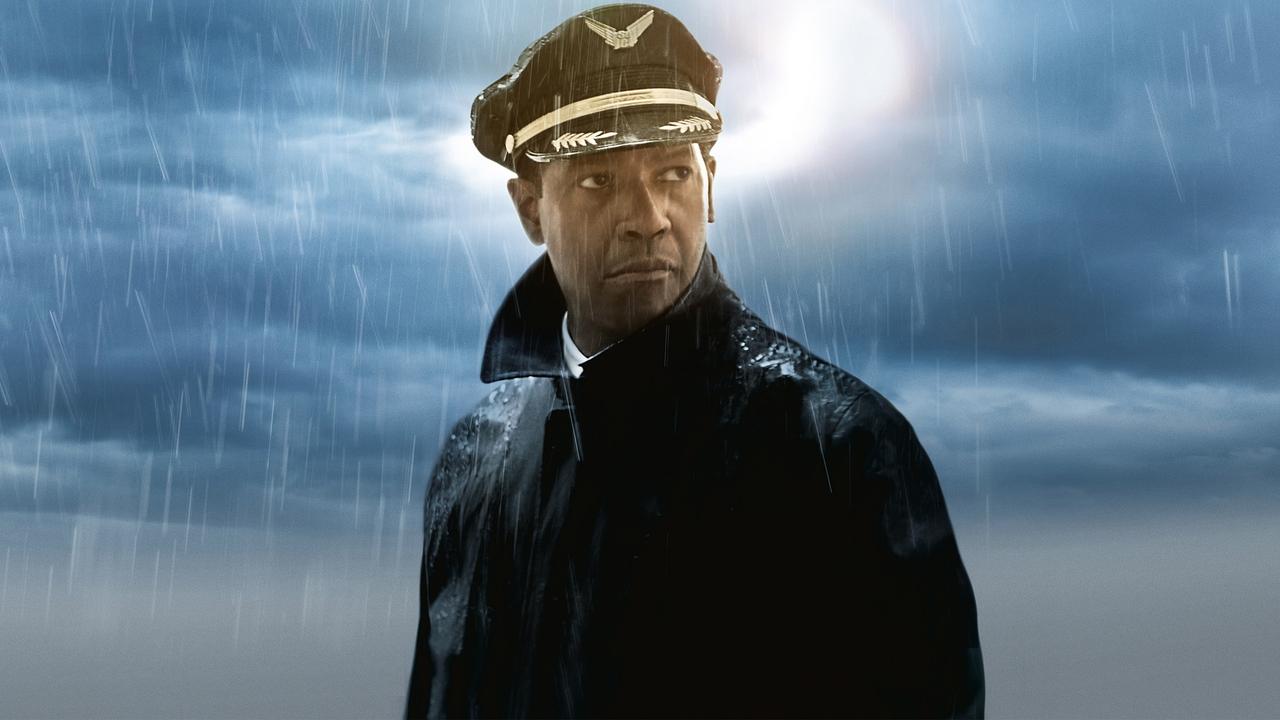
What sticks with me most about Flight is its refusal to offer an easy out. Most "addiction movies" follow a predictable arc of "fall, struggle, redemption." Zemeckis and screenwriter John Gatins (who spent years honing the script based on his own experiences and real-life aviation incidents like Alaska Airlines Flight 261) don't let Whip off the hook. The investigation into the crash is a slow-motion car wreck of its own. Bruce Greenwood as the pilot's union rep and Brian Geraghty as the traumatized co-pilot add layers of moral complexity that make you question: Does the miracle of saving those lives excuse the state Whip was in when he did it?
The film captures that post-9/11 anxiety regarding air travel but pivots it toward internal, psychological terror. The CGI used for the crash still holds up remarkably well because it’s used to enhance the physical reality of the sets—they actually built a rotating fuselage to toss the actors around. It’s a perfect bridge between the practical effects of the 90s and the digital polish of the 2010s.
Flight is a rare bird—a blockbuster with a soul, or at least a very damaged one. It’s a film that earns its emotional ending not through soaring strings, but through a quiet, devastating admission of the truth. It’s one of the few times I’ve walked out of a theater feeling like I needed a drink, while simultaneously being terrified to ever touch one again. If you haven't revisited this one lately, do yourself a favor: strap in, stay sober, and watch Denzel Washington do what he does best.
It’s a bumpy ride, but the landing is flawless.

Keep Exploring...
-

Cast Away
2000
-
A Christmas Carol
2009
-
Remember the Titans
2000
-

Inside Man
2006
-
Contact
1997
-
What Lies Beneath
2000
-
Argo
2012
-
Back to the Future Part III
1990
-
Fallen
1998
-
The Artist
2011
-
Heaven Is for Real
2014
-
Disturbia
2007
-

Juno
2007
-
Knocked Up
2007
-

P.S. I Love You
2007
-
The Bucket List
2007
-
21
2008
-
Burn After Reading
2008
-

Forgetting Sarah Marshall
2008
-

High School Musical 3: Senior Year
2008