Frankenweenie
"A boy’s best friend is his science project."
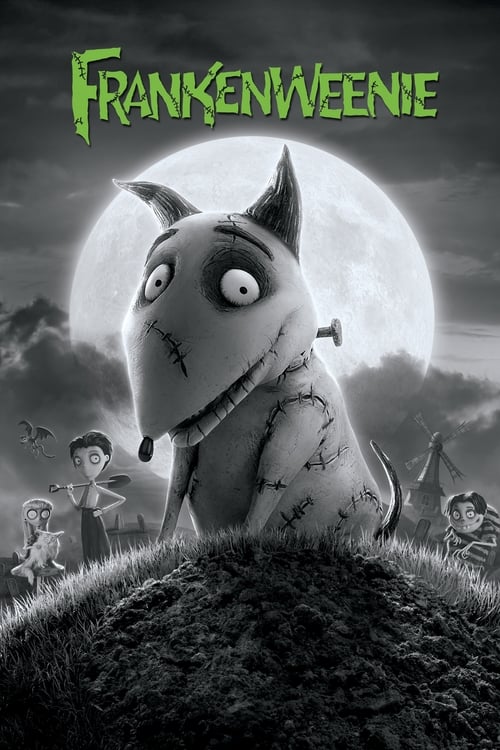
In 2012, the multiplex was a sensory assault of neon-soaked CGI and superhero origins. Walking into a theater to see a black-and-white, stop-motion film about a dead bull terrier was, quite frankly, a shock to the system. It felt like Tim Burton had finally stopped trying to be a "Disney Brand" and decided to go back to his garage. I watched this on a Tuesday night while trying to fix a leaky faucet, and I ended up ignoring the puddle in my kitchen for ninety minutes because I was too busy staring at the texture of a puppet's miniature sweater.
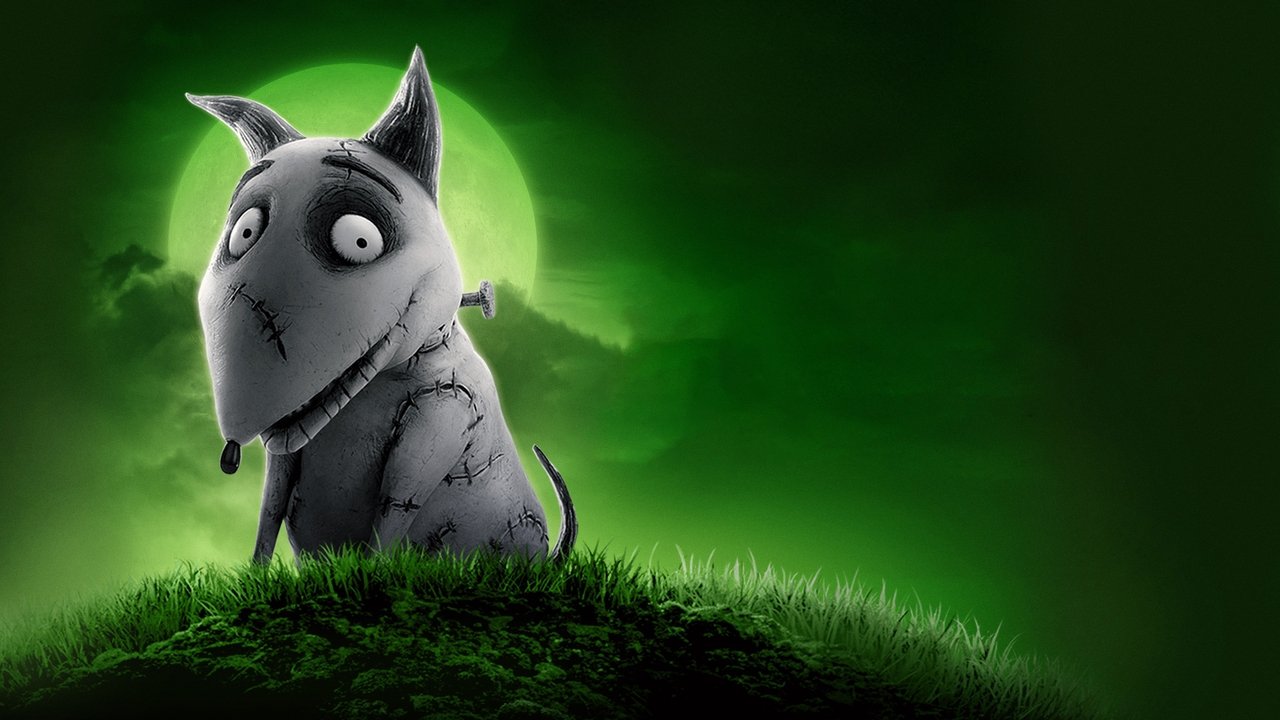
Frankenweenie is a weird, wonderful anomaly. It’s a feature-length remake of a short film Burton made in 1984—a project that famously got him fired from Disney because the studio thought it was "too scary" for kids. Fast forward nearly thirty years, and the mouse house finally cut him a $39 million check to do it again. It’s the ultimate "revenge is a dish best served animated" story.
The Hand-Stitched Magic of the Macabre
Looking back at the early 2010s, we were right in the middle of a massive technological pivot. Digital animation was becoming the undisputed king, yet Frankenweenie feels like a stubborn, beautiful protest against the smoothness of pixels. There is a tactile, "thump-thump" heartbeat to stop-motion that CGI just can't replicate. You can practically see the fingerprints on the clay.
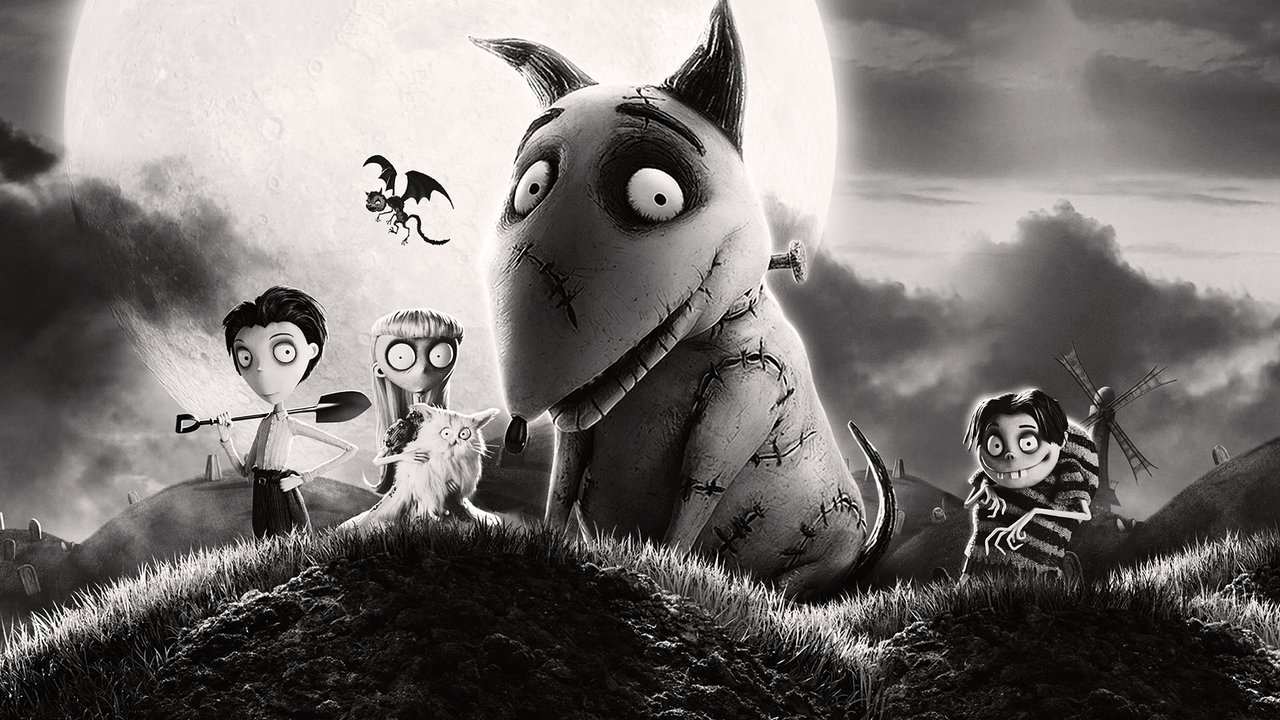
The story is simple: Victor Frankenstein (Charlie Tahan) loses his dog, Sparky, to a car accident. Being a science nerd in a town called New Holland, Victor does the only logical thing—he harnesses a lightning storm and stitches his buddy back together. What I love about this version compared to the '84 original is how much more room it gives the neighborhood. The town is populated by kids who look like they stepped out of an Edward Gorey drawing or a fever dream.
Burton's best work usually happens when he stops trying to be a brand and starts being a weird kid again. This film avoids the "color-by-numbers" quirkiness of some of his later live-action work. Instead, it leans into the grainy, atmospheric shadows of classic Universal Horror. The cinematographer, Peter Sorg, who did stellar work on Corpse Bride, treats the black-and-white palette with more reverence than most modern directors treat color. It’s not just "no color"—it’s a study in silver, charcoal, and ink.
A Neighborhood of Ghoulish Goofballs
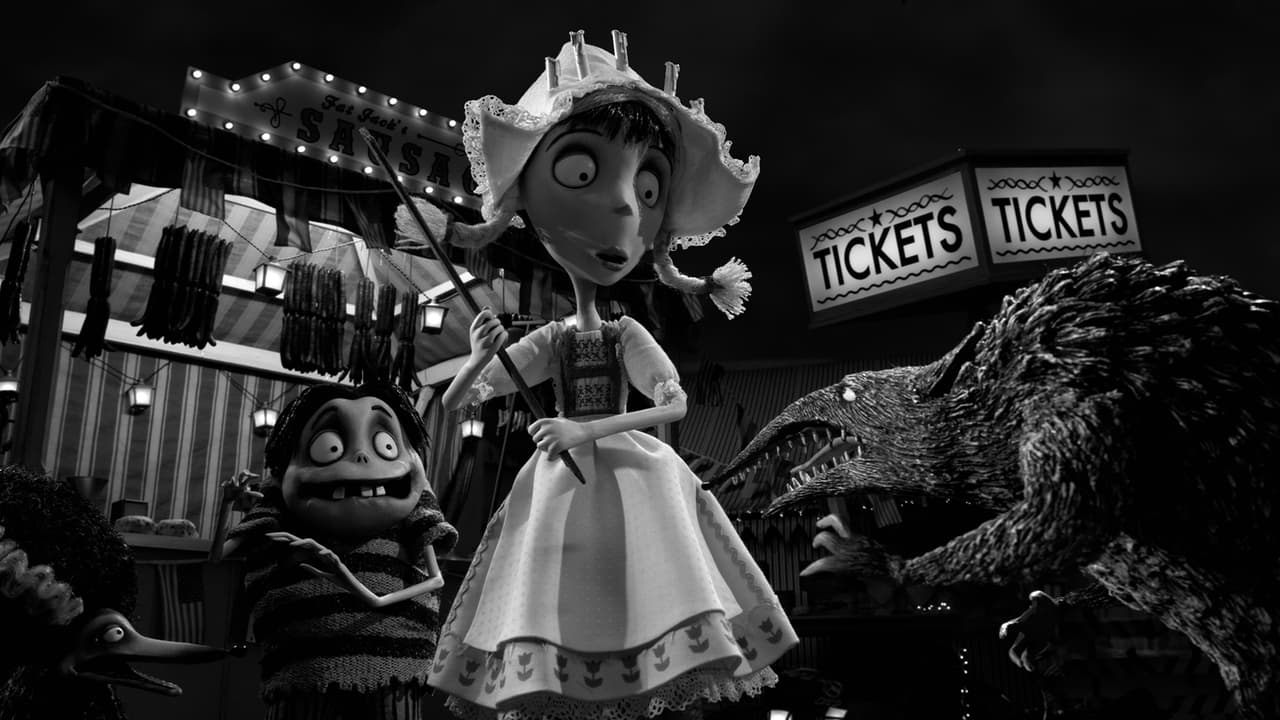
The comedy here isn't the rapid-fire, pop-culture-reference-heavy humor we usually see in family films of the era. It’s drier, darker, and deeply rooted in character. Catherine O'Hara is a triple threat here, but her performance as "Weird Girl" is the show-stealer. She’s the kind of intense, wide-eyed child who thinks her cat’s poop provides psychic omens. We all knew a kid like that in middle school. If you didn't, you were probably that kid.
Then you have Martin Short playing three different roles, including the heavy-handed Mr. Burgemeister. But for my money, the MVP is Martin Landau as the science teacher, Mr. Rzykruski. He’s a dead ringer for Vincent Price, and his monologue about why people fear science is surprisingly poignant. Apparently, the character’s design was a direct tribute to Price, who was Burton’s hero and friend.
The film's third act shifts gears into a full-blown monster mash. When Victor’s classmates steal his reanimation secret, we get a chaotic parade of botched resurrections: a "Were-Rat," a giant "Colossus" turtle (a hilarious nod to Gamera), and sea monkeys that look like Gremlins. It’s the kind of creative lunacy that reminds me why I fell in love with movies in the first place. It doesn't care about being "cool"; it cares about being cool to an eleven-year-old boy.
Stuff You Didn't Notice
The production was a massive undertaking, even by stop-motion standards. They used over 200 puppets, with Victor alone requiring about 18 different versions to capture various expressions. If you look closely at the pet cemetery scenes, you’ll see gravestones with names like "Goodbye Kitty," which is exactly the kind of morbid pun I live for. Even more touching is that many of the names on those stones belonged to the crew's actual deceased pets.
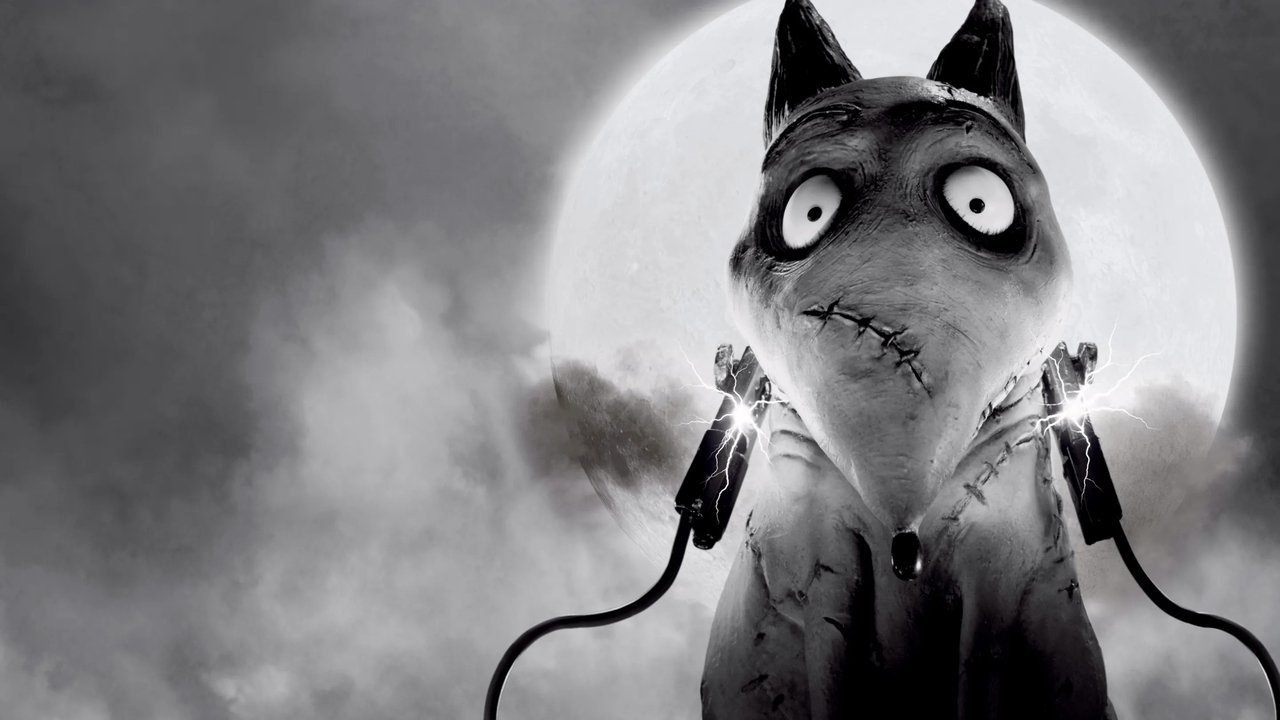
Another fun detail: the film was shot in color and then converted to black-and-white. This allowed the animators to have better control over the contrast and depth, especially for the 3D release. While I usually find 3D to be a gimmicky tax on my eyeballs, the depth in Frankenweenie actually works. It makes the sets feel like dioramas you could reach out and touch.
The film also marks a reunion for Winona Ryder and Burton, years after Beetlejuice and Edward Scissorhands. Hearing her voice Elsa Van Helsing (a name that needs no explanation for horror buffs) feels like a warm hug from a gothic aunt. It’s these connections to the past—both Burton’s personal filmography and the history of cinema—that give the movie its weight.
Ultimately, Frankenweenie is a movie about the grief of losing a pet and the lengths we’d go to for one more game of fetch. It’s funny, it’s creepy, and it has more soul in one of Sparky’s wagging, stitched-up tails than most big-budget blockbusters have in their entire runtime. If you missed this one because you thought it was just "another Burton movie," do yourself a favor and dig it up. It’s a rare case of a director successfully capturing lightning in a bottle for the second time ---
---
tagline: "A boy’s best friend is his science project." rate: 8.5 ---
In 2012, the multiplex was a sensory assault of neon-soaked CGI and superhero origins. Walking into a theater to see a black-and-white, stop-motion film about a dead bull terrier was, quite frankly, a shock to the system. It felt like Tim Burton had finally stopped trying to be a "Disney Brand" and decided to go back to his garage. I watched this on a Tuesday night while trying to fix a leaky faucet, and I ended up ignoring the puddle in my kitchen for ninety minutes because I was too busy staring at the texture of a puppet's miniature sweater.
Frankenweenie is a weird, wonderful anomaly. It’s a feature-length remake of a short film Burton made in 1984—a project that famously got him fired from Disney because the studio thought it was "too scary" for kids. Fast forward nearly thirty years, and the mouse house finally cut him a $39 million check to do it again. It’s the ultimate "revenge is a dish best served animated" story.
The Hand-Stitched Magic of the Macabre
Looking back at the early 2010s, we were right in the middle of a massive technological pivot. Digital animation was becoming the undisputed king, yet Frankenweenie feels like a stubborn, beautiful protest against the smoothness of pixels. There is a tactile, "thump-thump" heartbeat to stop-motion that CGI just can't replicate. You can practically see the fingerprints on the clay.
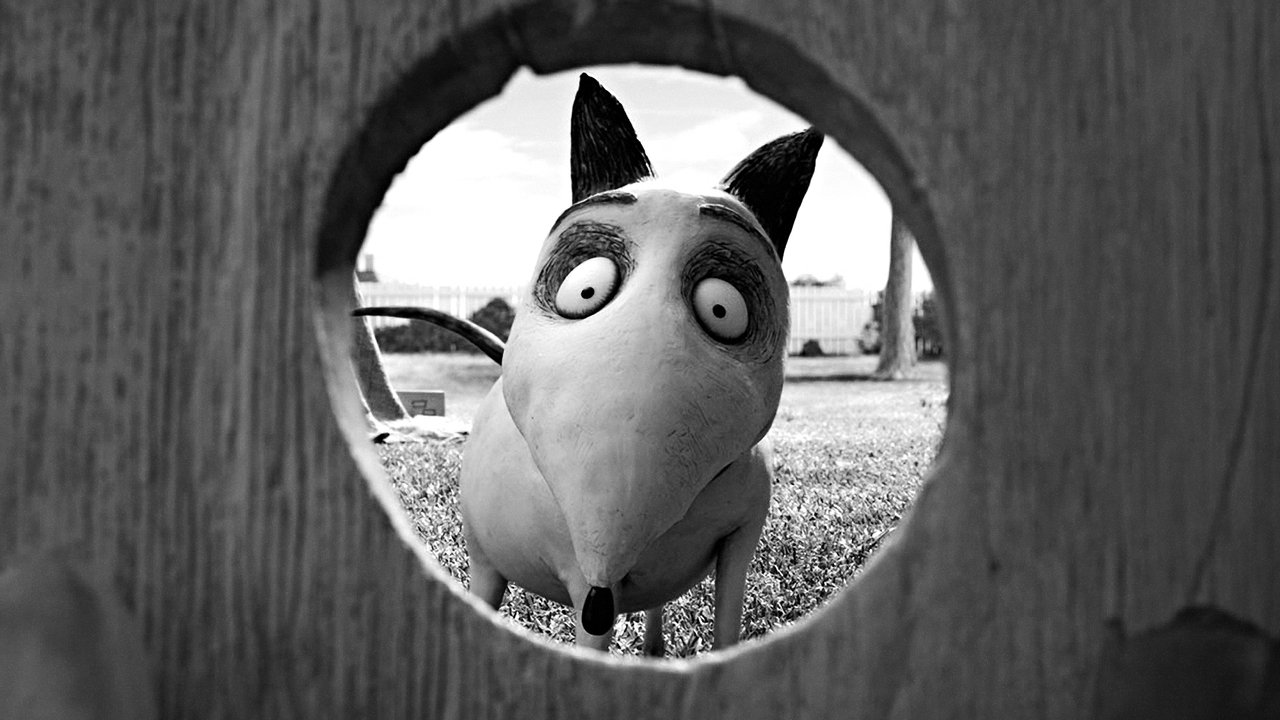
The story is simple: Victor Frankenstein (Charlie Tahan) loses his dog, Sparky, to a car accident. Being a science nerd in a town called New Holland, Victor does the only logical thing—he harnesses a lightning storm and stitches his buddy back together. What I love about this version compared to the '84 original is how much more room it gives the neighborhood. The town is populated by kids who look like they stepped out of an Edward Gorey drawing or a fever dream.
Burton's best work usually happens when he stops trying to be a brand and starts being a weird kid again. This film avoids the "color-by-numbers" quirkiness of some of his later live-action work. Instead, it leans into the grainy, atmospheric shadows of classic Universal Horror. The cinematographer, Peter Sorg, who did stellar work on Corpse Bride, treats the black-and-white palette with more reverence than most modern directors treat color. It’s not just "no color"—it’s a study in silver, charcoal, and ink.
A Neighborhood of Ghoulish Goofballs
The comedy here isn't the rapid-fire, pop-culture-reference-heavy humor we usually see in family films of the era. It’s drier, darker, and deeply rooted in character. Catherine O'Hara is a triple threat here, but her performance as "Weird Girl" is the show-stealer. She’s the kind of intense, wide-eyed child who thinks her cat’s poop provides psychic omens. We all knew a kid like that in middle school. If you didn't, you were probably that kid.
Then you have Martin Short playing three different roles, including the heavy-handed Mr. Burgemeister. But for my money, the MVP is Martin Landau as the science teacher, Mr. Rzykruski. He’s a dead ringer for Vincent Price, and his monologue about why people fear science is surprisingly poignant. Apparently, the character’s design was a direct tribute to Price, who was Burton’s hero and friend.
The film's third act shifts gears into a full-blown monster mash. When Victor’s classmates steal his reanimation secret, we get a chaotic parade of botched resurrections: a "Were-Rat," a giant "Colossus" turtle (a hilarious nod to Gamera), and sea monkeys that look like Gremlins. It’s the kind of creative lunacy that reminds me why I fell in love with movies in the first place. It doesn't care about being "cool"; it cares about being cool to an eleven-year-old boy.
Stuff You Didn't Notice
The production was a massive undertaking, even by stop-motion standards. They used over 200 puppets, with Victor alone requiring about 18 different versions to capture various expressions. If you look closely at the pet cemetery scenes, you’ll see gravestones with names like "Goodbye Kitty," which is exactly the kind of morbid pun I live for. Even more touching is that many of the names on those stones belonged to the crew's actual deceased pets.
Another fun detail: the film was shot in color and then converted to black-and-white. This allowed the animators to have better control over the contrast and depth, especially for the 3D release. While I usually find 3D to be a gimmicky tax on my eyeballs, the depth in Frankenweenie actually works. It makes the sets feel like dioramas you could reach out and touch.
The film also marks a reunion for Winona Ryder and Burton, years after Beetlejuice and Edward Scissorhands. Hearing her voice Elsa Van Helsing (a name that needs no explanation for horror buffs) feels like a warm hug from a gothic aunt. It’s these connections to the past—both Burton’s personal filmography and the history of cinema—that give the movie its weight.
Keep Exploring...
-

Meet the Robinsons
2007
-
Charlie and the Chocolate Factory
2005
-
Fantastic Mr. Fox
2009
-

Bee Movie
2007
-
Surf's Up
2007
-

Bolt
2008
-
Cloudy with a Chance of Meatballs
2009
-
Megamind
2010
-
Rango
2011
-
Brave
2012
-
ParaNorman
2012
-
Wreck-It Ralph
2012
-
Mr. Peabody & Sherman
2014
-
Penguins of Madagascar
2014
-
The Book of Life
2014
-
Winnie the Pooh
2011
-
Porco Rosso
1992
-
Hercules
1997
-
Antz
1998
-

The Emperor's New Groove
2000