Grave Encounters 2
"When the fan becomes the footage."

In 2011, a little Canadian indie called Grave Encounters went viral by doing one thing exceptionally well: it weaponized our collective cynicism toward "ghost hunter" reality TV. It was lean, mean, and featured ghosts with unhinged jaws that launched a thousand Tumblr GIFs. By the time the sequel arrived in late 2012, the found footage genre was already choking on its own shaky-cam tropes. I remember watching this for the first time on a laptop with a dying battery while hiding from a particularly aggressive moth in my bedroom, and honestly, the moth was more predictable than where this movie decided to go.
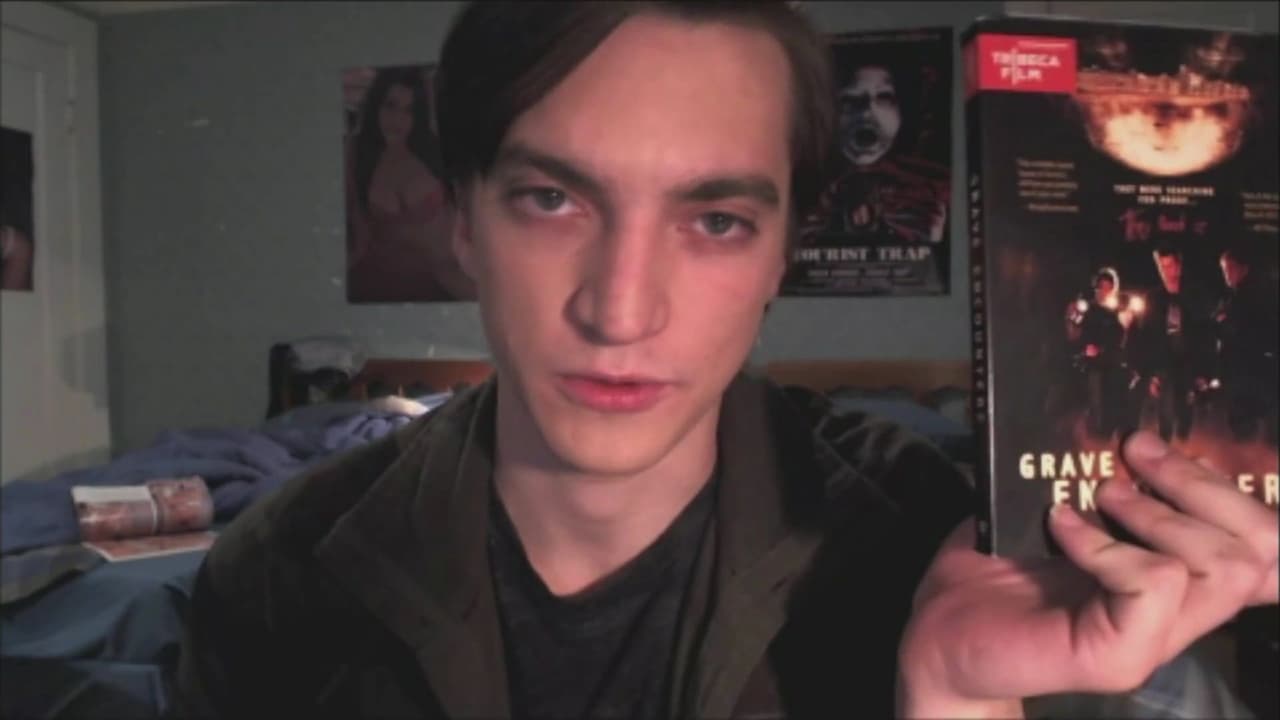
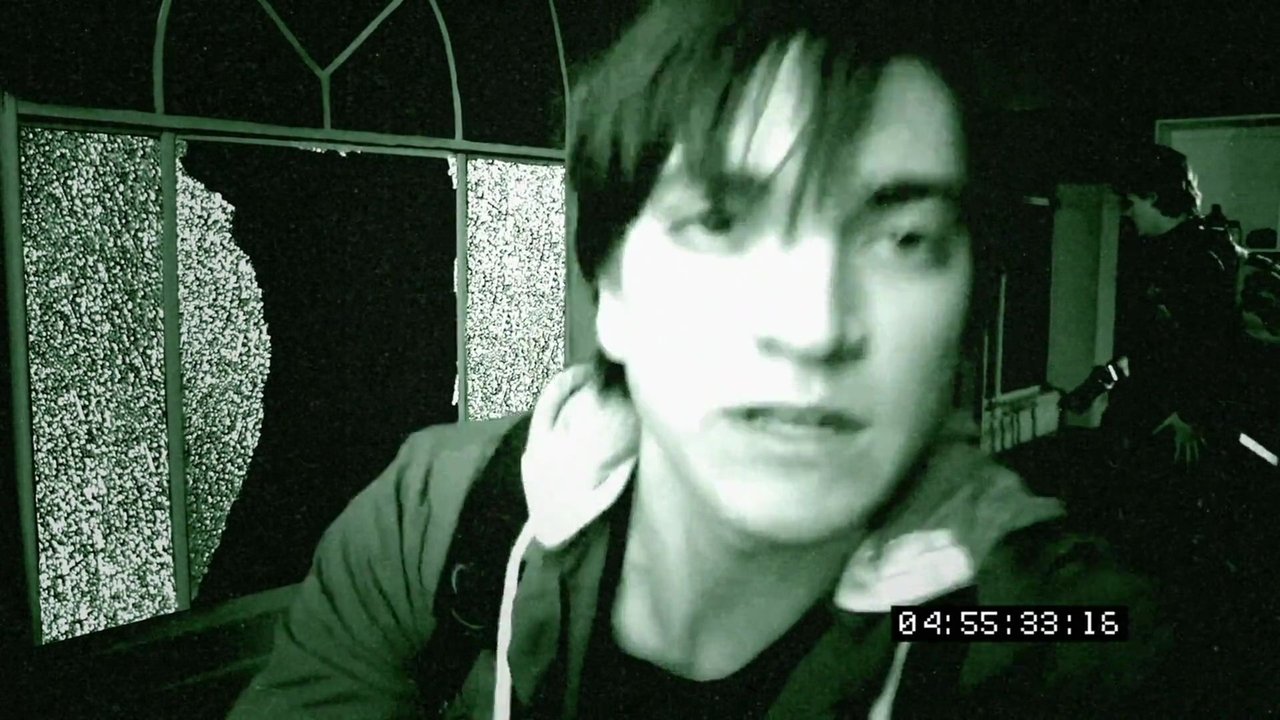
Grave Encounters 2 doesn’t just try to repeat the scares of the first; it tries to outsmart the audience by going "meta." We follow Alex Wright (Richard Harmon), a cynical film student who is obsessed with the first movie. He’s convinced the footage wasn’t a mockumentary but a snuff film. This setup is actually the strongest part of the movie. It captures that specific 2012 internet era—the world of Creepypasta, Slenderman lore, and Reddit deep-dives—where the line between "found media" and reality felt deliciously thin.
The Meta-Horror Trap
Richard Harmon brings a jittery, unlikable energy to Alex that actually works. He isn't a hero; he's a guy who would sell his own mother for a high-res shot of a demon. He gathers a group of friends—including the skeptically charming Tessa (Stephanie Bennett) and the "bro-y" cameraman Trevor (Dylan Playfair)—to travel to the actual Collingwood Psychiatric Hospital to prove the first film was real.
The first act is a fascinating time capsule of the "Sundance generation" of film students. They’re shooting on digital rigs, discussing frame rates, and acting with the kind of pretension only a twenty-year-old with a tripod can muster. Director John Poliquin leans into the "film-within-a-film" aesthetic, showing us Alex’s shitty student horror films before we get to the "real" horror. It’s a clever way to acknowledge the transition from analog film school roots to the digital democratization of the early 2010s. However, once the group actually enters the asylum, the cleverness starts to leak out of the building like steam from a busted pipe.
A Hospital That Doesn't Follow the Maps
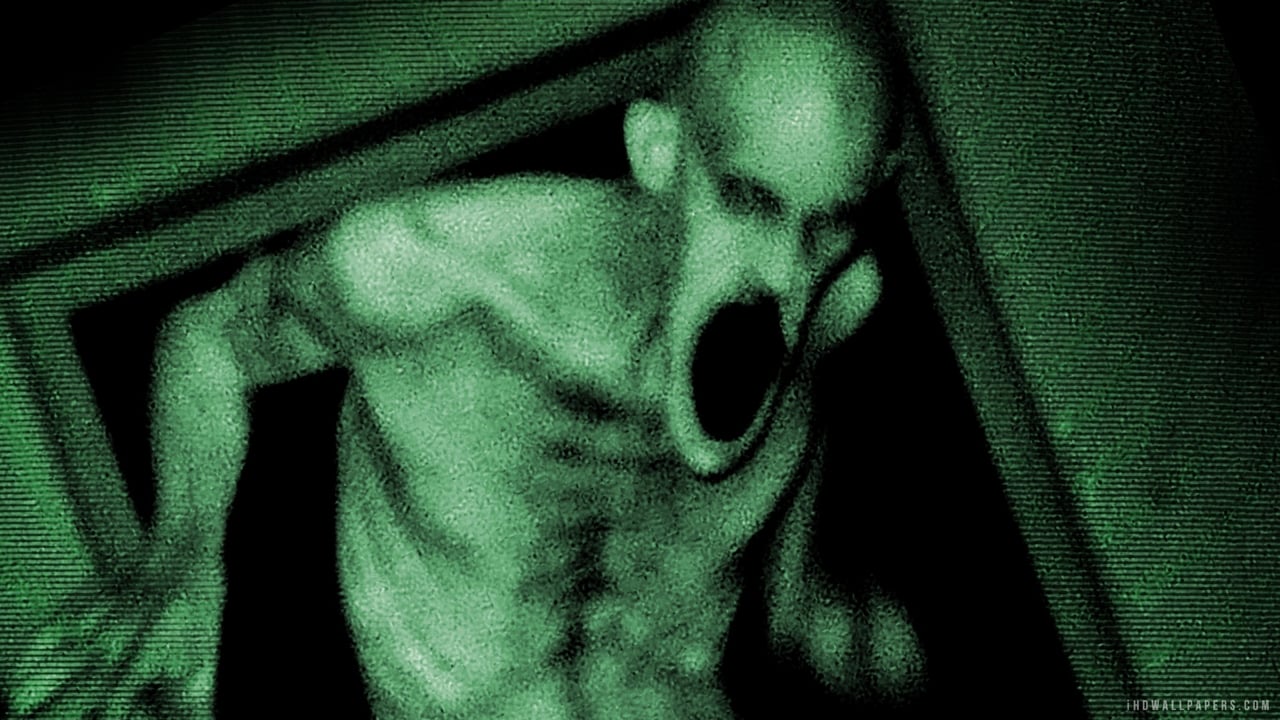
Once the doors lock behind them, the film shifts gears from a smart commentary on horror fandom into a chaotic, almost psychedelic funhouse. This is where the screenplay by Colin Minihan and Stuart Ortiz (The Vicious Brothers) gets weird. The hospital in this sequel isn't just haunted; it’s an interdimensional trap that physically rearranges itself.
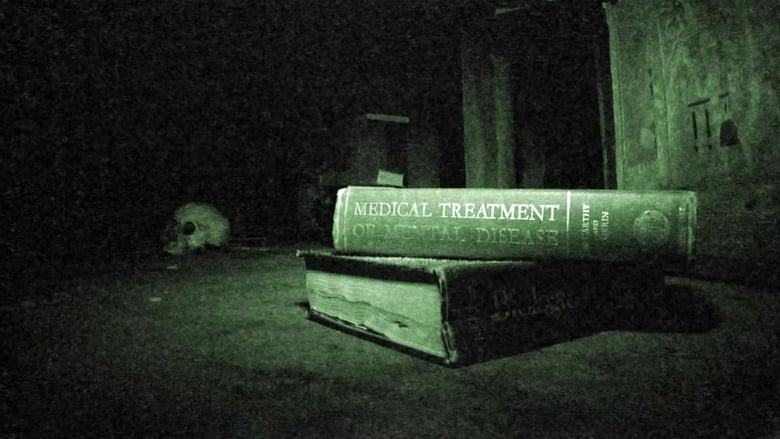
The effects here are a mixed bag. The "long-mouth" ghosts return, and while they were terrifying in 2011, by 2012 the CGI was starting to feel a bit like a bad Snapchat filter from 2014. There’s a specific scene involving an elevator that defies gravity, which showcases the ambition of the production team. They were clearly trying to move away from the "guy in a sheet" scares and into something more akin to Silent Hill.
The middle act drags, though. We get the standard "running down a hallway" shots that defined the era, and while the cinematography by Tony Mirza tries to keep things grimy and claustrophobic, the novelty wears off. I found myself checking my phone, much like the characters probably would have if they weren't being hunted by an entity that looks like it raided a Halloween store with a fifty-dollar budget.
The Vicious Cycle of Sequels
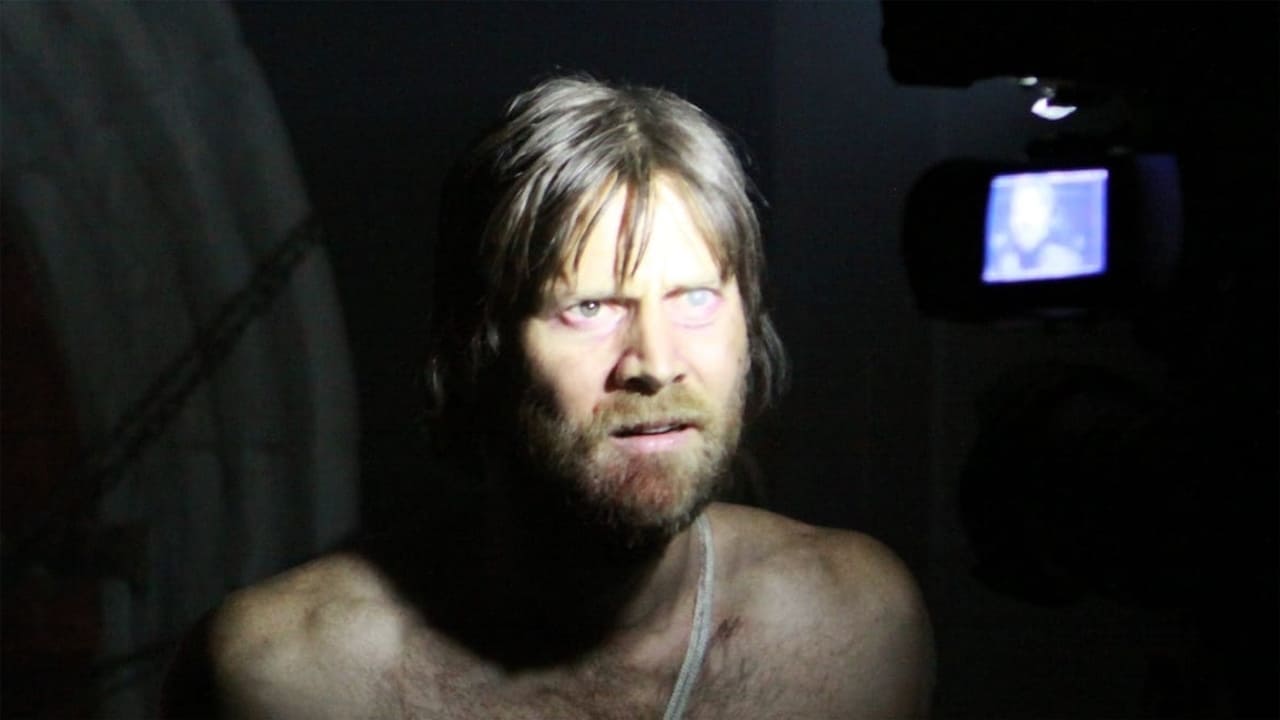
The movie’s biggest swing happens when they encounter Lance Preston (Sean Rogerson), the protagonist of the first film. Rogerson has been "living" in the hospital for nine years, and he has gone full Colonel Kurtz. It’s a bold choice that anchors the film back to the original, but it also turns the movie into something of a dark comedy. Rogerson is chewing the scenery so hard he’s practically eating the drywall of the actual abandoned hospital where they filmed (the Mountainview Hospital in British Columbia).
The finale is a blood-soaked descent that attempts to make a statement about the cost of "fame" and the lengths people will go for a viral hit. It’s cynical, mean-spirited, and a bit messy. Yet, looking back, it perfectly captures the post-9/11 anxiety of being watched—and the desperate millennial need to be watched. This was a time when YouTube was becoming a career path, and Grave Encounters 2 suggests that the camera is the real monster, demanding a sacrifice of everyone in front of and behind the lens.
Grave Encounters 2 is a classic "mixed bag" sequel that deserves points for its ambitious meta-commentary even when the execution fumbles. It’s too long, and it relies on some truly dated CGI, but its core idea—that horror fans are part of the problem—still has some bite. It’s a grimy, loud, and occasionally clever relic of the found footage boom that’s worth a look if only to see how far filmmakers would go to keep a "true story" alive. Just don't expect it to make much sense once the walls start moving.
Keep Exploring...
-
Grave Encounters
2011
-

Silent Hill: Revelation 3D
2012
-
The Possession
2012
-
The Tall Man
2012
-
The Green Inferno
2013
-
Clown
2014
-
The Hills Have Eyes 2
2007
-
The Hitcher
2007
-

The Invasion
2007
-
The Reaping
2007
-

Vacancy
2007
-
Wrong Turn 2: Dead End
2007
-
Mirrors
2008
-
Quarantine
2008
-
The Eye
2008
-

The Midnight Meat Train
2008
-
The Ruins
2008
-
Untraceable
2008
-
Carriers
2009
-
The Descent: Part 2
2009