House at the End of the Street
"The boy next door is hiding more than a crush."
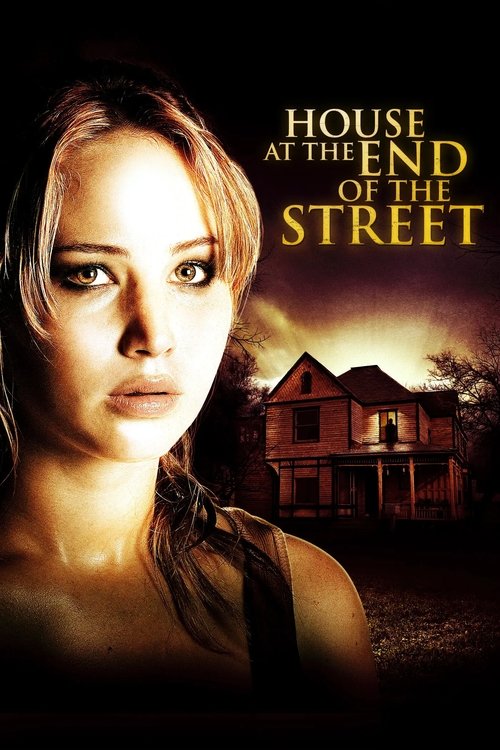
There was a specific window in the early 2010s when it felt like Jennifer Lawrence was the center of the cinematic universe, and House at the End of the Street is the ultimate "pre-fame" artifact caught in that gravity well. Filmed back in 2010 but shelved until 2012 to capitalize on The Hunger Games mania, this is a movie that lives and dies by its leading lady. I watched this while sitting on a chair that definitely needs more lumbar support, eating a bag of slightly stale pretzels, and I couldn't help but feel like I was witnessing a time capsule of the exact moment Hollywood decided "prestige horror" could just be a standard thriller with a really good actress.
The Katniss Contradiction
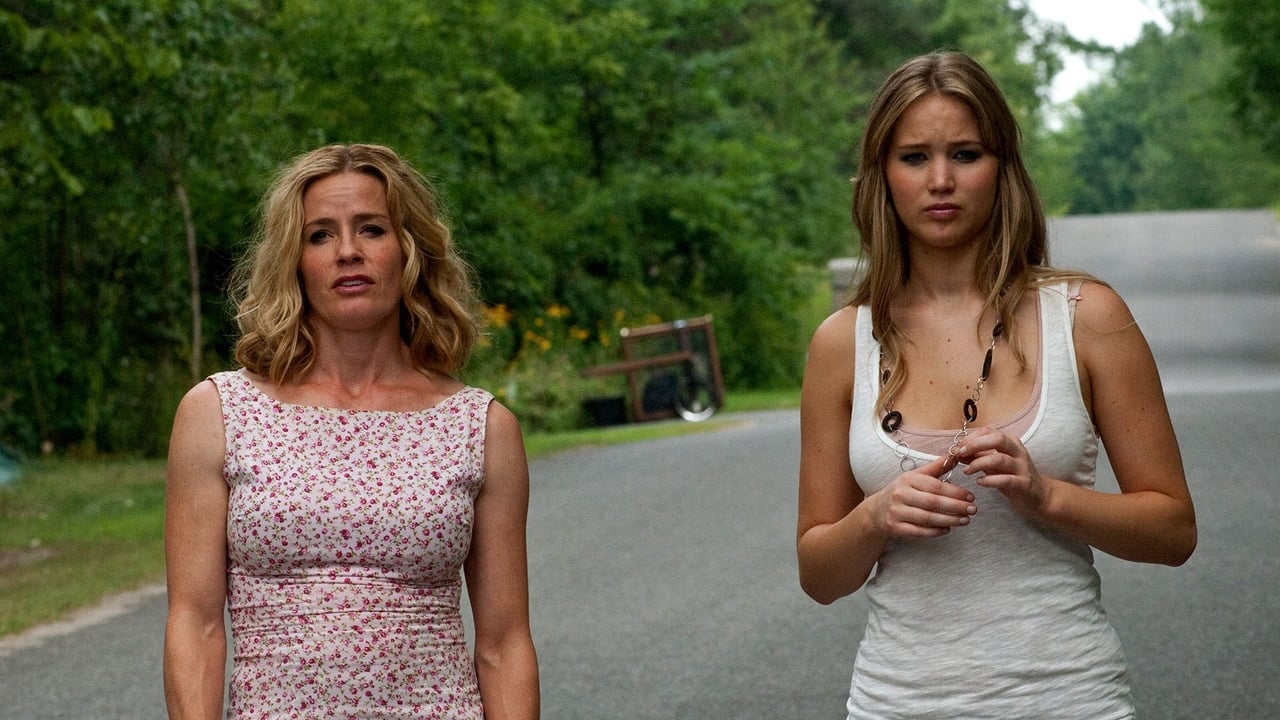
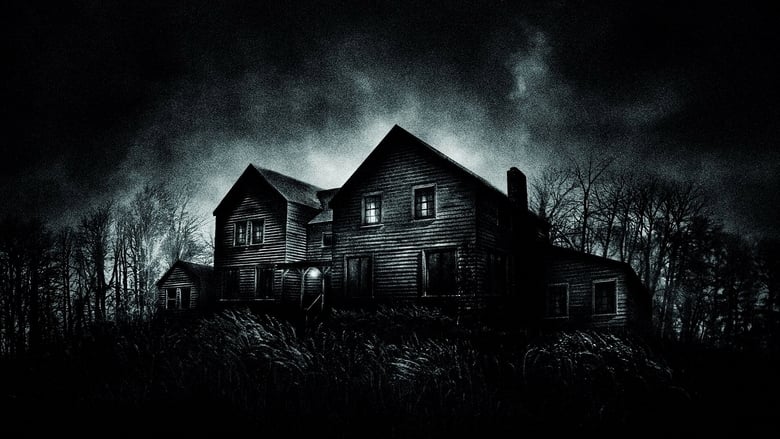
At its heart, this is a classic "new girl in town" setup. Elissa (Jennifer Lawrence) and her mother Sarah (Elisabeth Shue, whom I will always adore from The Karate Kid and Leaving Las Vegas) move into a lush, wooded suburb. The catch? The house next door was the site of a grisly double murder years prior. The daughter, Carrie-Anne, slaughtered her parents and vanished into the woods, leaving her brother Ryan (Max Thieriot) to live in the house alone, shunned by the town.
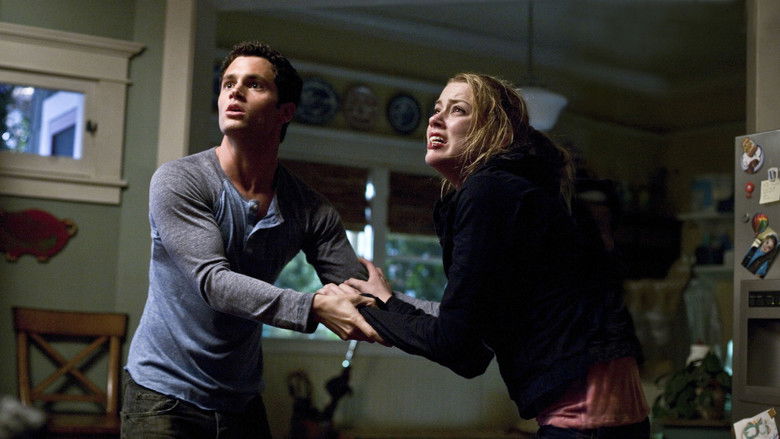
What makes this work better than it should is the chemistry between Lawrence and Thieriot. Before he was leading Fire Country, Thieriot had this soft-spoken, wounded-bird energy that makes Elissa’s attraction to him feel believable rather than just a plot necessity. I appreciated that Elissa wasn’t a "scream queen" in the traditional sense; she’s proactive, observant, and Jennifer Lawrence is working so much harder than this material deserves, elevating B-movie dialogue through sheer charismatic will. You can see the sparks of the powerhouse she’d become, even when she’s just exploring a creepy basement with a flashlight.
Shaking the Digital Tree
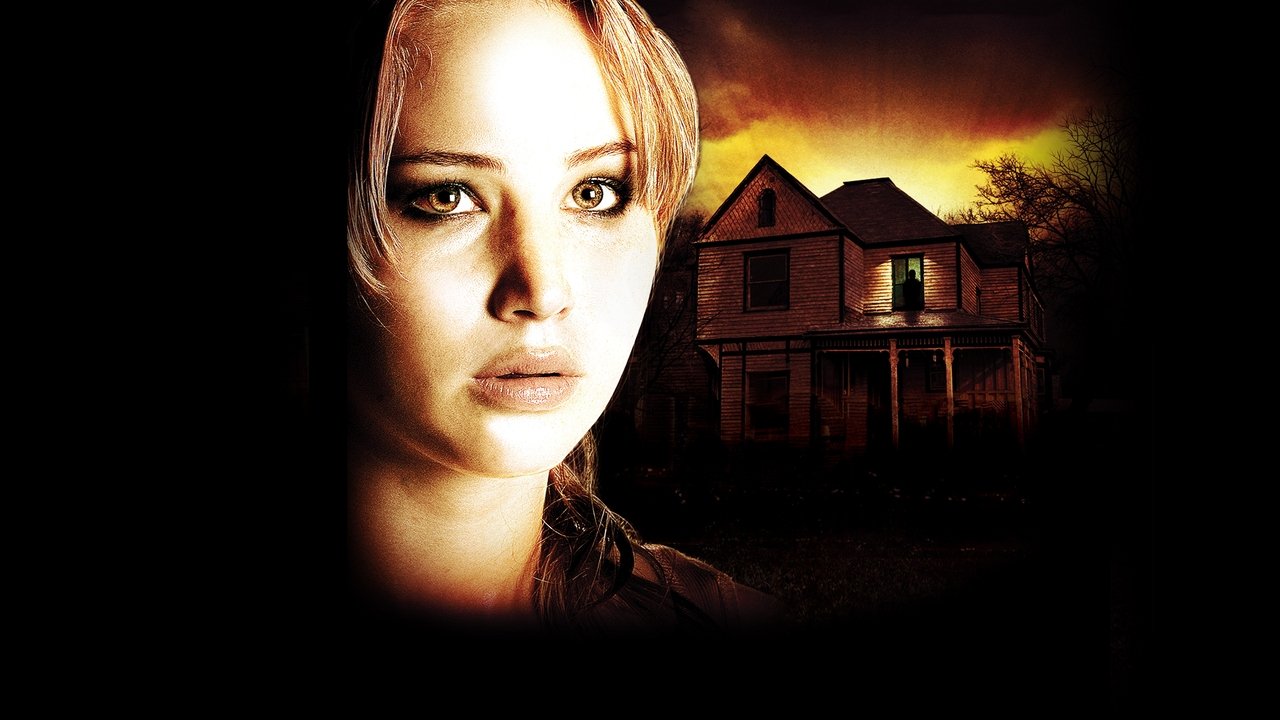
Director Mark Tonderai (Hush) leans heavily into that early-2010s aesthetic: lots of handheld camera work, a muted color palette that screams "this is a serious thriller," and a reliance on digital clarity that occasionally robs the woods of their mystery. Looking back, this was a transitional period for horror. We were moving away from the "torture porn" dominance of the mid-2000s and trying to find a footing in psychological tension.
The suspense is built through a series of "almost" moments. We see Ryan caring for someone hidden in the basement, presumably the long-lost Carrie-Anne. The film tries to play with our sympathies—is Ryan a victim of his family's legacy, or something more? The local police, led by a weary Gil Bellows (The Shawshank Redemption), provide the necessary "stay away from that house" warnings that every horror protagonist is legally required to ignore. The script feels like it was written by an algorithm that had only seen Hitchcock movies through a foggy window, but it’s polished enough to keep you from reaching for the remote.
The DVD Bargain Bin Legacy
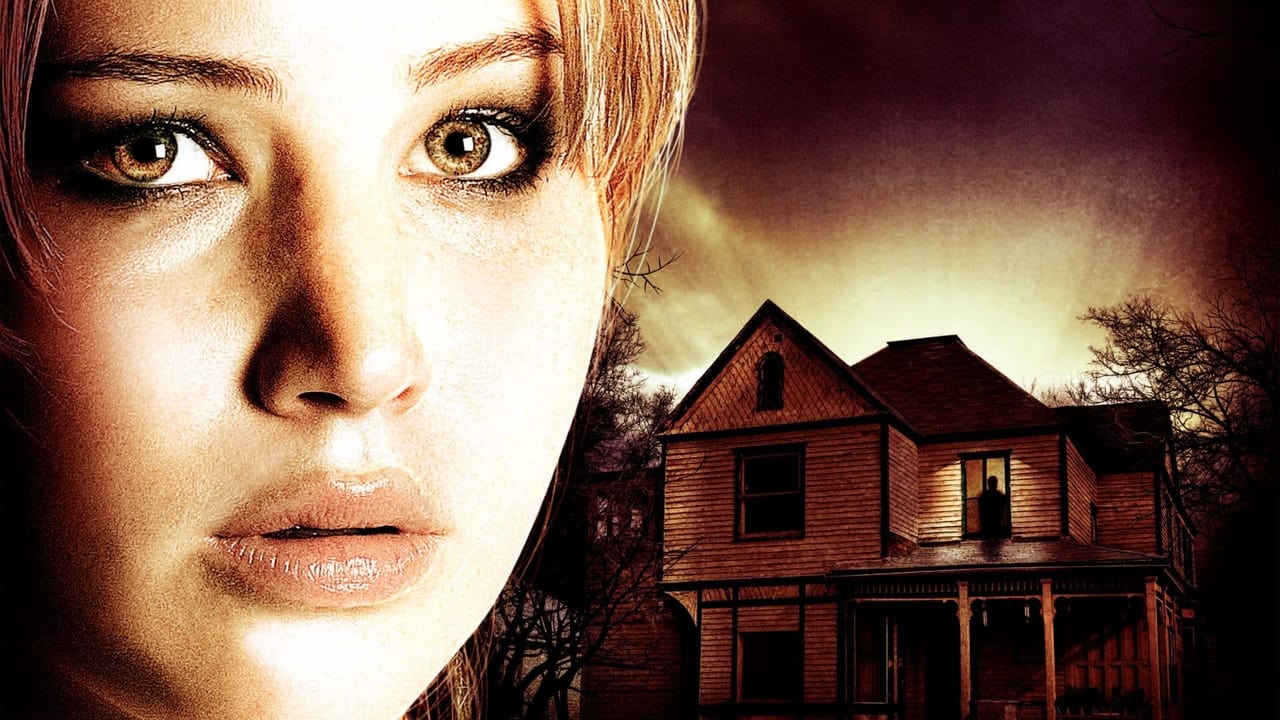
One thing that strikes me about House at the End of the Street is how much it feels like the end of an era—the era of the mid-budget studio thriller that people actually went to see in theaters. It made over $44 million on a tiny budget, a feat that seems almost impossible for a non-franchise horror film today without an A24 logo attached to it. It’s the kind of movie that flourished in the waning days of physical media; I can practically see the DVD cover with Lawrence’s face prominently featured, sitting in a "2 for $15" bin at a Blockbuster that was about to close.
The third-act twist is where things get... adventurous. Without spoiling the specifics for the uninitiated, it shifts the movie from a moody meditation on grief and isolation into a frantic survival horror. Some of the logic leaps are roughly the size of the Grand Canyon, but by that point, the film has built enough momentum that I was willing to go along for the ride. It’s not "elevated horror"—it doesn’t want to talk about your generational trauma in a metaphorical way—it just wants to make you jump when a door creaks. There’s something Refreshing about that lack of pretension.
If you’re looking for a masterpiece of the genre, you’re in the wrong zip code. However, as a showcase for a superstar in the making and a reminder of how 2010s thrillers tried to bridge the gap between teen drama and psychological terror, it’s a perfectly functional way to spend 100 minutes. It’s the cinematic equivalent of those pretzels I was eating: a bit salty, somewhat predictable, but strangely hard to stop once you’ve started. Sometimes, a "good enough" thriller is exactly what the weekend ordered.
Keep Exploring...
-
The Hitcher
2007
-

Vacancy
2007
-
Quarantine
2008
-
The Eye
2008
-
Untraceable
2008
-
The Descent: Part 2
2009
-
The Haunting in Connecticut
2009
-
The Last House on the Left
2009
-
The Stepfather
2009
-
The Ward
2010
-

Curse of Chucky
2013
-
13 Sins
2014
-
The Hills Have Eyes 2
2007
-

The Invasion
2007
-
Wrong Turn 2: Dead End
2007
-
Carriers
2009
-
Don't Be Afraid of the Dark
2010
-
Wrong Turn 4: Bloody Beginnings
2011
-

Silent Hill: Revelation 3D
2012
-
The Collection
2012