I Want You
"You can never go back, but you can always ride faster."
Coming home after two years abroad is never about the city you left; it’s about the person you used to be when you lived there. When Hache leans against his bike in the opening of I Want You, he isn't just looking at Barcelona; he’s squinting through a fog of memories, trying to see if the ghost of his first love is still lurking in the alleyways. I remember watching this for the first time on a humid Tuesday evening while trying to fix a broken oscillating fan with a paperclip. The fan never worked again, but the movie’s sweltering, gasoline-soaked atmosphere seemed to fill the room anyway.

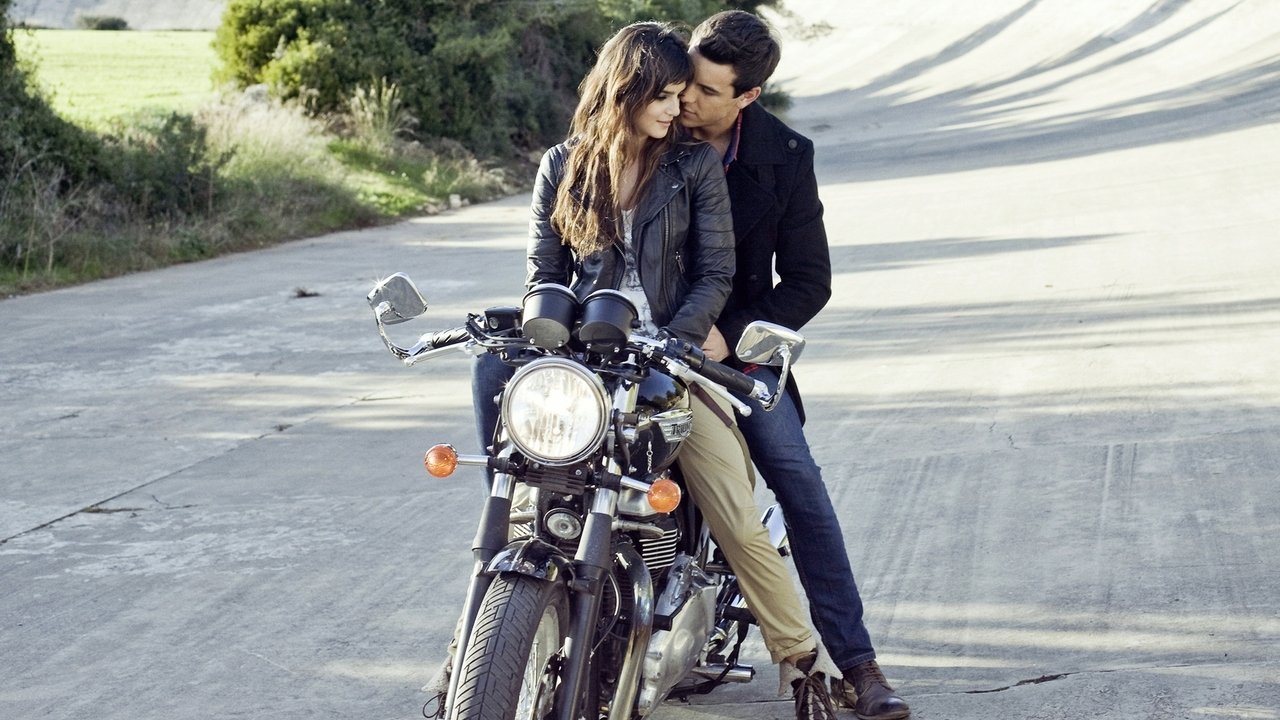
Released in 2012, I Want You (or Tengo ganas de ti) arrived at the tail end of a very specific cinematic era—the age of the "prestige teen melodrama." This was a time when European cinema was taking the glossy, high-budget aesthetics usually reserved for Hollywood blockbusters and applying them to the raw, often messy business of young heartbreak. Directed by Fernando González Molina, who previously gave us the equally stylish Three Steps Above Heaven, the film is a masterclass in how 2010s digital cinematography could make a simple motorcycle ride look like a religious experience.
The Hauntology of the Ex-Girlfriend
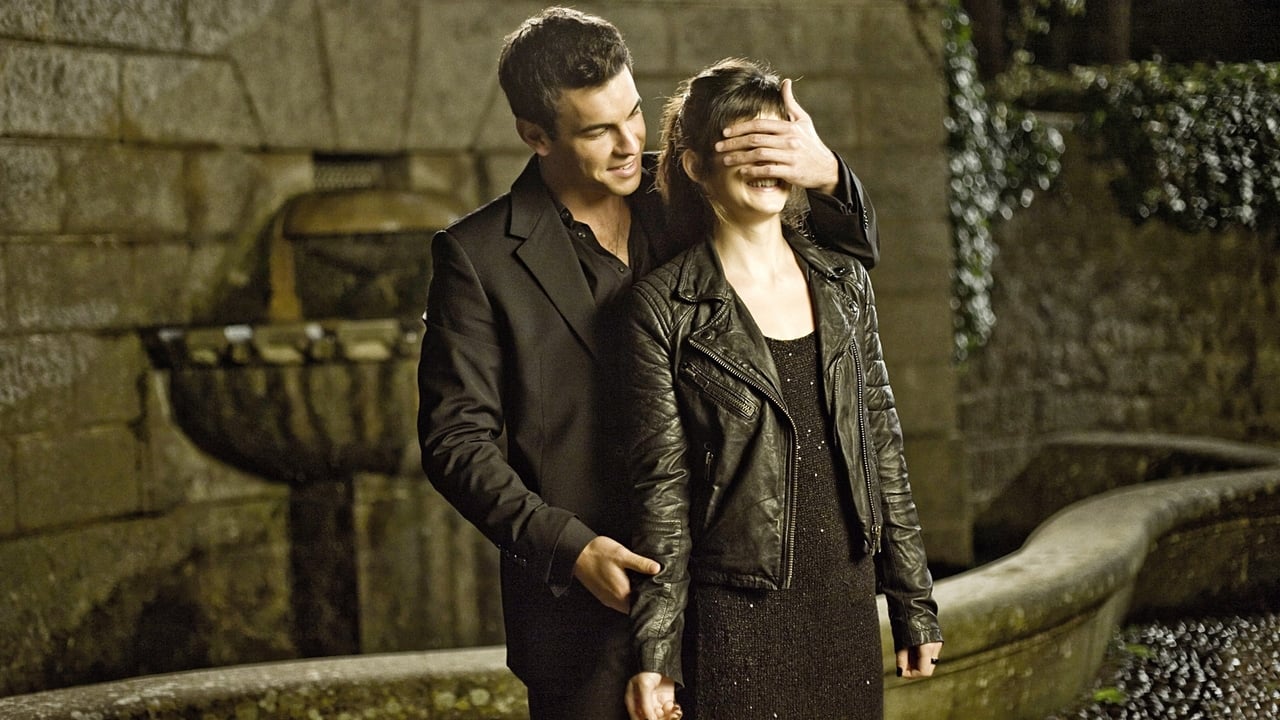
The plot picks up with Hache (Mario Casas) returning from London, older but not necessarily wiser. He’s still the brooding, leather-clad force of nature we met in the first film, but there’s a new weight to his shoulders. He quickly meets Gin (Clara Lago), a firecracker who is basically the anti-Babi. Where Babi was all soft edges and upper-class restraint, Gin is jagged, artistic, and aggressively modern.
From a cerebral perspective, the film is an interesting study in what I call "romantic hauntology." Hache is trying to build a new life with Gin, but he is constantly interrupted by the specter of Babi (María Valverde). It raises a question most of us have grappled with: Are we actually in love with our exes, or are we just in love with the version of ourselves that existed when we were with them? Hache isn't just mourning a breakup; he’s mourning the loss of his innocence, a sentiment that resonates deeply in this post-2008 financial crisis era of Spanish cinema, where the future felt increasingly uncertain for the youth.
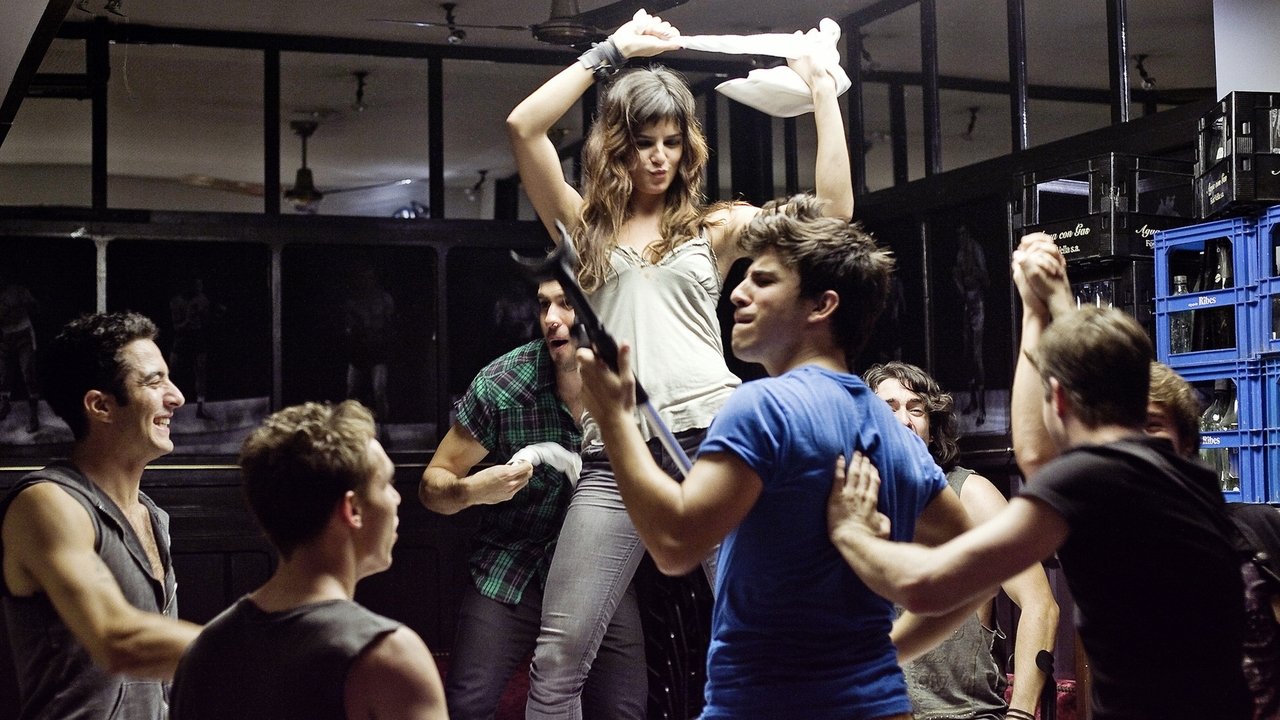
Mario Casas delivers exactly what the role requires—a performance that is 80% jawline clenching and 20% genuine vulnerability. He has this way of looking at a horizon that makes you think he’s either contemplating the meaning of life or wondering if he left the stove on. Clara Lago, however, is the real revelation here. She breathes life into a character that could have easily been a "Manic Pixie Dream Girl" trope, giving Gin a sense of agency and a secret history that makes her feel like a real person rather than just a plot device to help the male lead grow.
A Digital Time Capsule
Looking back from over a decade away, the film is a fascinating time capsule of 2012. We’re in that transition period where the world felt fully digital, yet social media hadn’t quite cannibalized the way we experience romance. There are no DMs here to resolve conflicts; people still have to actually show up at doors and shout in the rain. The cinematography by Xavi Giménez (who also shot the claustrophobic The Machinist) uses a color palette of deep oranges and electric blues that feels very "Early Instagram," yet it’s handled with a technical precision that prevents it from feeling dated.
It’s worth noting that while this was a massive hit in Spain and Russia, it remains something of a "hidden gem" or a "guilty pleasure" in the English-speaking world. It’s a sequel that actually manages to interrogate the premise of the original. If the first movie was about the dizzying heights of first love, I Want You is about the painful, necessary descent back to earth. It’s less "three steps above heaven" and more "two feet firmly in the mud."
One bit of trivia that often gets lost is that the film—and its predecessor—single-handedly turned Mario Casas into a localized version of Tom Cruise for the Spanish market. The production was so massive that it briefly became the highest-grossing Spanish film of its year, proving that audiences were hungry for high-stakes drama that treated adolescent emotions with the gravity of a Shakespearean tragedy. It’s also based on the novels by Federico Moccia, the man who arguably started the "love lock" bridge craze in Rome. If you’ve ever seen a bridge covered in padlocks, you can partially blame the DNA of this franchise.

The Weight of the Past
The film’s biggest hurdle is its runtime. At 130 minutes, it’s an epic commitment for a romance. There are subplots involving Hache’s family and his friend Katina (Marina Salas) that sometimes feel like they belong in a different movie. However, the emotional payoff usually justifies the length. The scene where Hache and Babi finally come face-to-face is played with a restraint that I found surprisingly mature. There are no fireworks; just two people realizing they’ve become strangers.
Is it soapy? Absolutely. Does it lean into every trope of the brooding bad boy? You bet. But there’s a sincerity to it that’s hard to find in today's more cynical, meta-aware romantic comedies. It takes its characters’ pain seriously. It understands that when you’re twenty-something, a broken heart doesn't just feel like the end of the world—it is the end of the world.
I Want You is a lush, over-the-top, and deeply felt exploration of what happens after the "happily ever after" fails to materialize. While it occasionally trips over its own melodrama, the central performances and the sheer ambition of its visual style make it well worth a look for anyone who misses the era of big, loud, unapologetic romance. It’s a movie that understands that while you can’t ever truly go back home, you can at least look damn good on a motorcycle while trying to find a new one.
Keep Exploring...
-

Three Steps Above Heaven
2010
-

My Name Is Khan
2010
-
The Way He Looks
2014
-
The Reader
2008
-
Mr. Nobody
2009
-

Flipped
2010
-
Amour
2012
-
Laurence Anyways
2012
-
About Time
2013
-
The Garden of Words
2013
-
Talk to Her
2002
-
Across the Universe
2007
-
Becoming Jane
2007
-

Cashback
2007
-
Dan in Real Life
2007
-
Elizabeth: The Golden Age
2007
-
Hotel Chevalier
2007
-
Lars and the Real Girl
2007
-
No Reservations
2007
-
Ghost Town
2008