In the House
"The story ends when he says so."
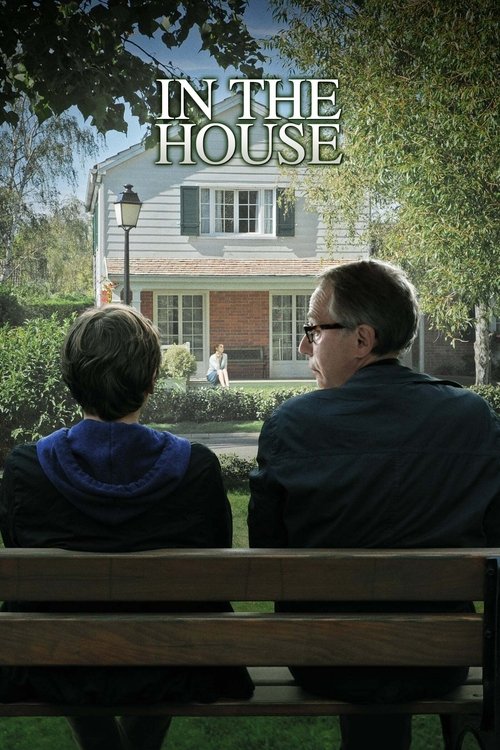
The most dangerous weapon in a high school classroom isn’t a smuggled blade or a contraband vape; it’s a sixteen-year-old with a flair for prose and a complete lack of boundaries. François Ozon’s 2012 thriller In the House (Dans la maison) understands that a well-placed "To be continued..." is more addictive than any narcotic, and significantly more destructive. While the early 2010s were busy drowning us in the first wave of shared-universe superhero fatigue, Ozon was quietly crafting a meta-literary puzzle that feels like a Hitchcockian fever dream set inside a Creative Writing 101 syllabus.
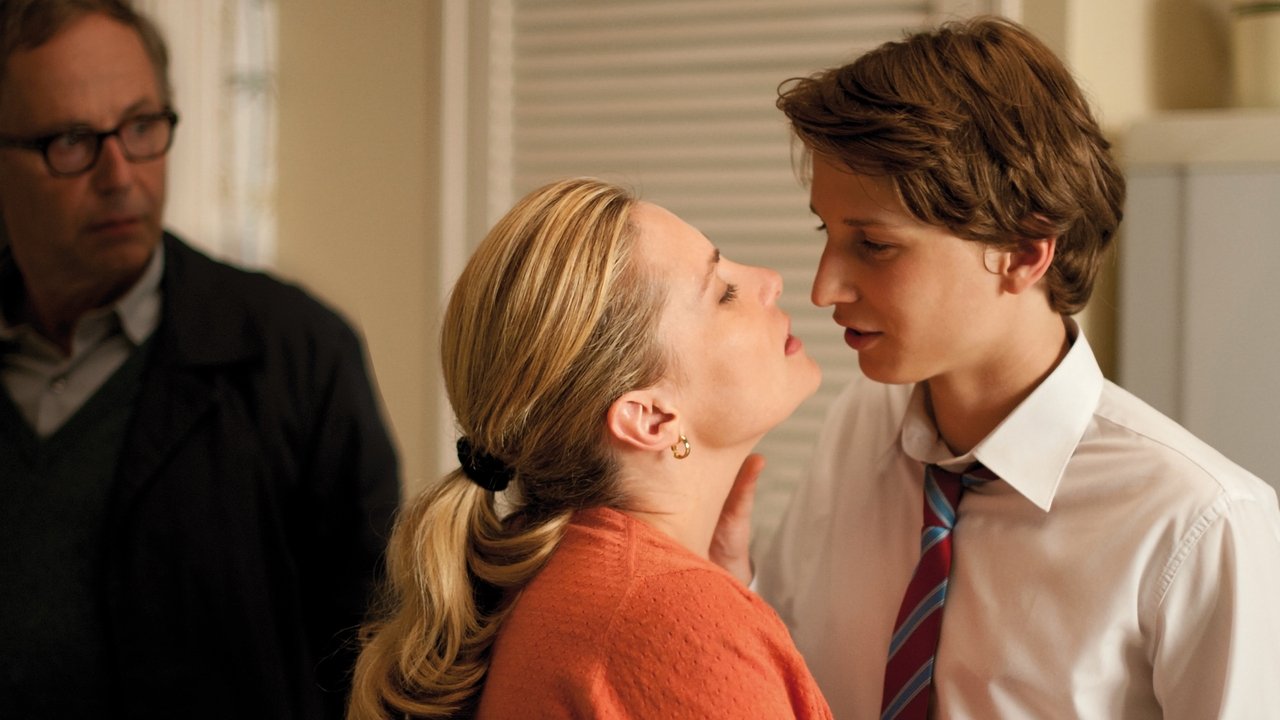
I first watched this film on my laptop while nursing a cup of lukewarm espresso and eating a slightly burnt croissant—a cliché so aggressively French I felt like I was auditioning for a background role in the movie itself. But within twenty minutes, I stopped noticing the crumbs on my keyboard because I was too busy feeling complicit in a crime that hadn't even happened yet.
The Art of the Intrusive Narrator
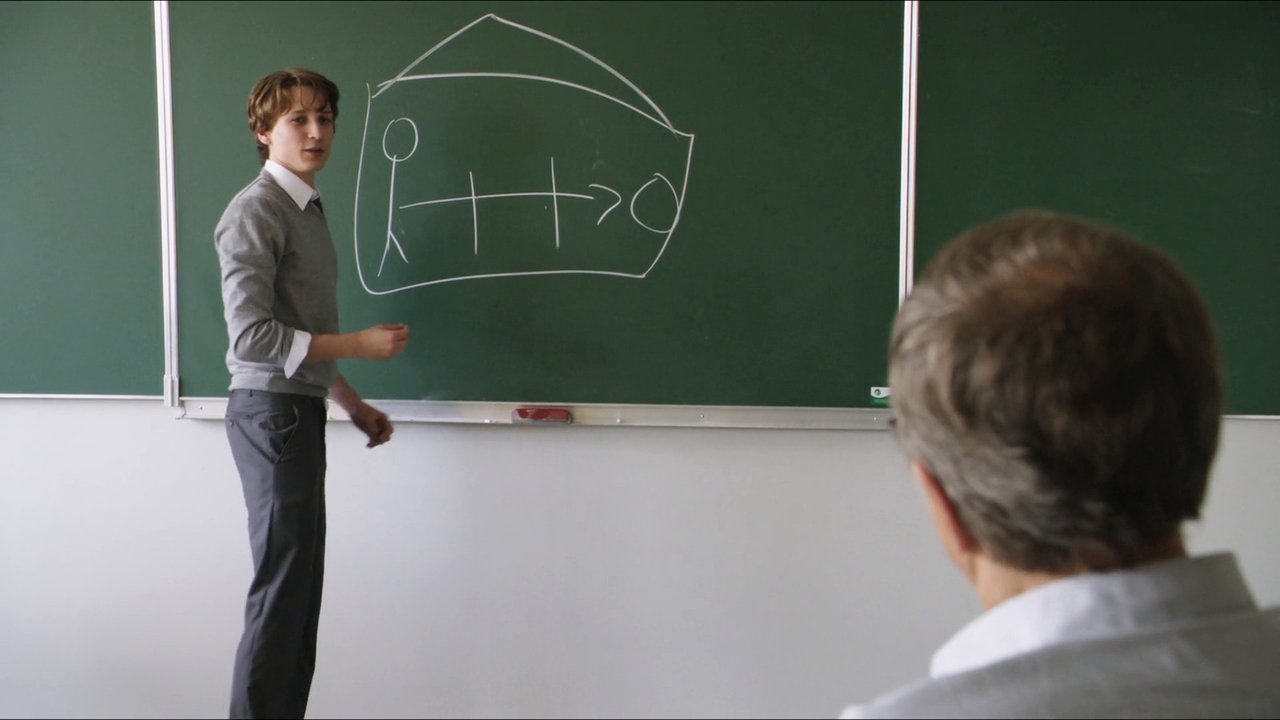
The setup is a masterclass in slow-burn tension. Fabrice Luchini plays Germain, a cynical, world-weary literature teacher who has spent too many years grading essays that make "what I did this summer" sound like a death sentence. He’s the kind of guy who treasures Flaubert but secretly fears he’s surrounded by mediocrity. His life changes when he reads a paper by Claude (Ernst Umhauer), a quiet boy who sits in the back of the class.
Claude writes about his weekend spent at the home of a fellow student, Rapha (Bastien Ughetto). He describes the "scent of the middle-class woman" (Rapha’s mother, played by Emmanuelle Seigner) and the banality of the family’s domestic life with a precision that is both gifted and deeply unsettling. Instead of calling the authorities or a guidance counselor, Germain—driven by his own failed literary ambitions—becomes Claude’s mentor, encouraging him to "get closer" to the subjects. It’s a mentor-protege relationship where the curriculum is essentially high-level stalking.
Fabrice Luchini is spectacular here. He manages to make "pedagogic negligence" look like a noble pursuit of art. You can see the hunger in his eyes; he isn’t just teaching Claude how to write; he’s living vicariously through the boy’s trespasses.
A House Made of Glass
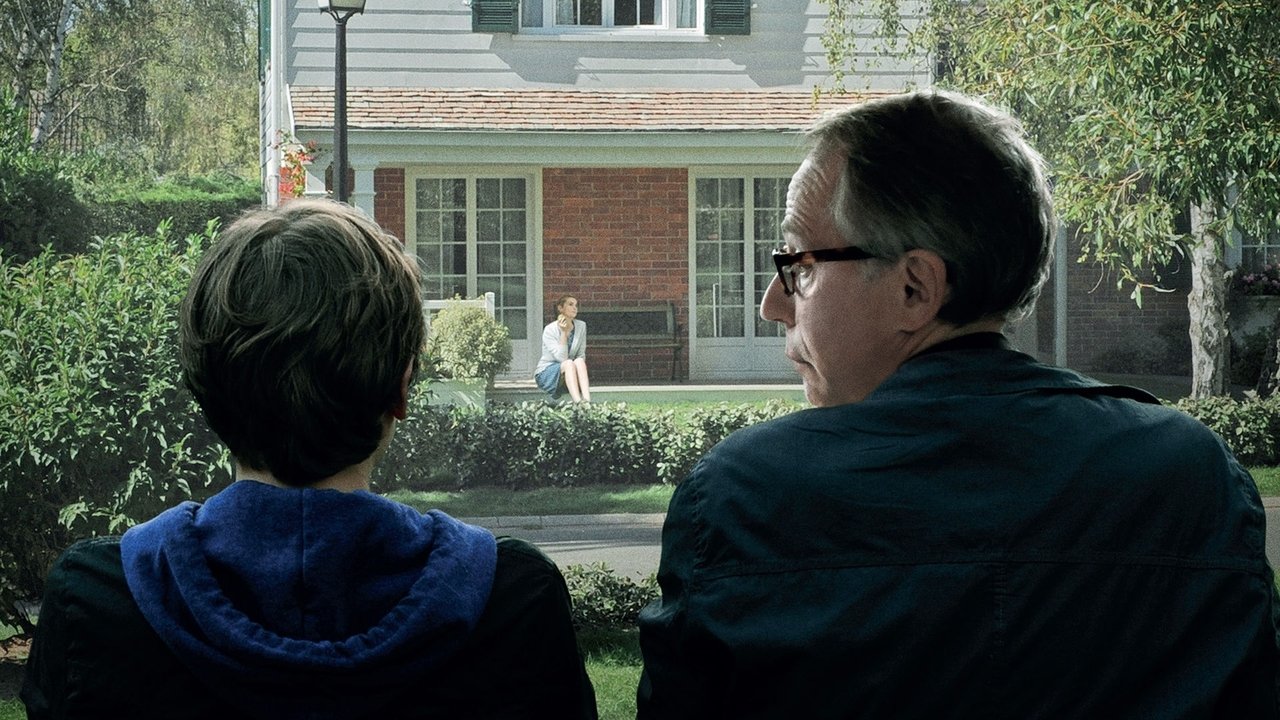
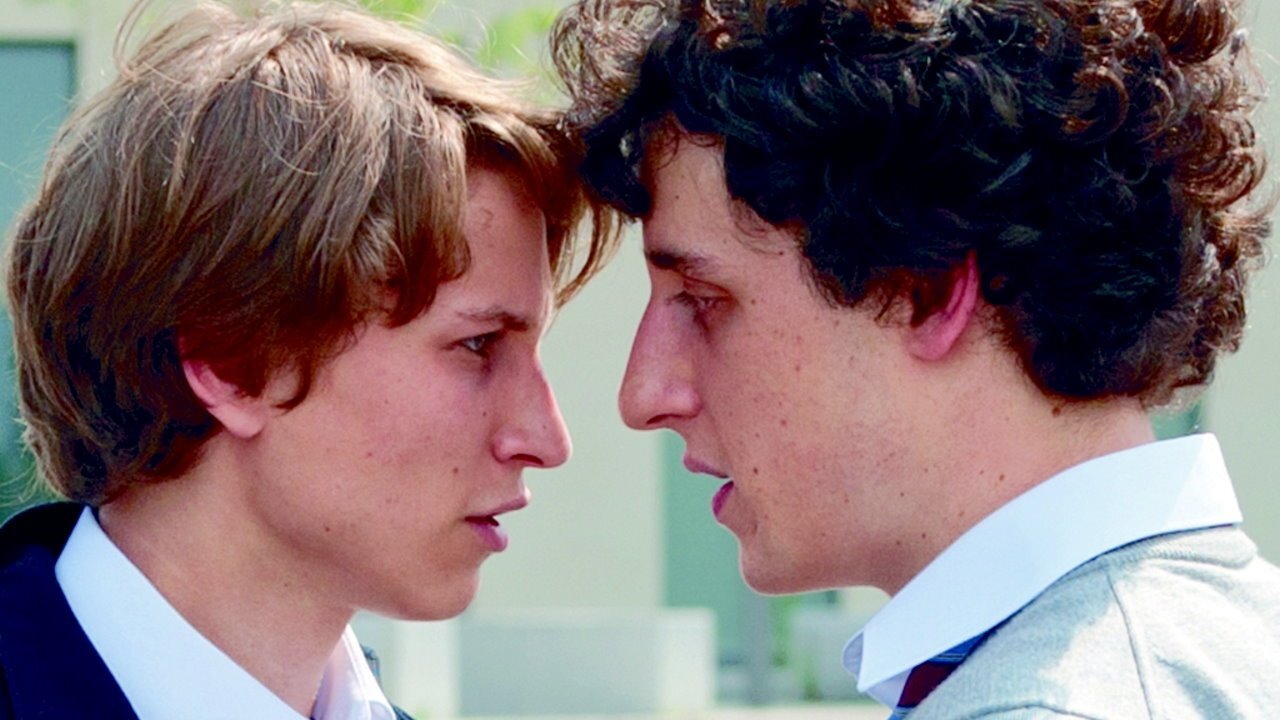
As Claude insinuates himself further into the "bored" Artole household, the film shifts from a dry academic comedy into a predatory mystery. Ernst Umhauer plays Claude with a terrifyingly still face—he is essentially a sociopathic Jane Austen, observing the manners and weaknesses of his targets so he can exploit them for the next chapter.
The film leans heavily into the voyeuristic anxieties of the digital age, even though it’s rooted in the old-school medium of pen and paper. Released in 2012, In the House arrived just as our lives were becoming fully transparent via social media, but Ozon reminds us that the physical invasion—the actual person sitting on your sofa, judging your curtains and your marriage—is infinitely more violating.
Kristin Scott Thomas provides the necessary grounding as Germain’s wife, Jeanne. She runs a struggling art gallery and serves as the audience’s moral compass, or at least the person pointing out that mentoring a student who is basically a polite home invader is a terrible career move. Her chemistry with Luchini is dry and brittle, perfectly capturing a long-term marriage where the only excitement left is a shared obsession with someone else's secrets.
Reality is the First Draft
Ozon’s direction is surgical. He begins to blend the scenes Claude is writing with the reality Germain is living, until the characters from the "story" start appearing in Germain’s living room. It’s a trick that could feel pretentious, but Ozon keeps it grounded in the psychological stakes. We aren't just watching a movie; we are watching a man lose his grip on the boundary between the life he has and the fiction he craves.
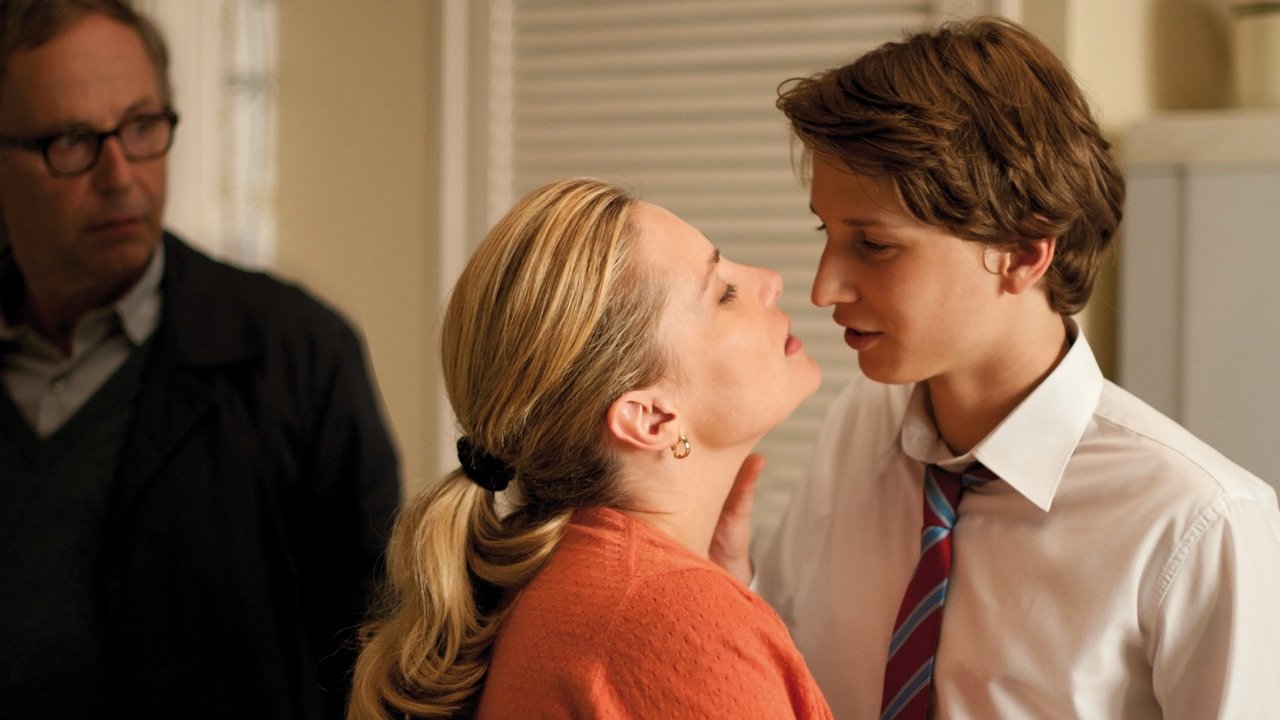
The film didn't set the global box office on fire—it’s a French-language psychological drama about grammar and sofas, after all—and it has largely slipped into that "if you know, you know" category of 2010s cinema. It’s a shame, because it’s one of the few films that understands the danger of storytelling. It posits that a reader isn't a passive observer; a reader is a co-conspirator.
The trivia surrounding the production is as lean and efficient as the script. Ozon adapted it from the Spanish play The Boy in the Last Row by Juan Mayorga, but he infused it with his own brand of French cynicism. Interestingly, Ernst Umhauer was cast partly because of his "angelic yet disturbing" look—a choice that pays off every time he gives a small, knowing smirk to the camera. It’s also worth noting the score by Philippe Rombi, which manages to make a suburban house sound as ominous as a Gothic castle.
In the House is a brilliant, nasty little clockwork toy of a movie. It challenges the idea that "appreciation for the arts" is an inherently moral trait, suggesting instead that our love for stories is often just a polite mask for our darkest curiosities. It’s a film that stays with you, making you look a little more closely at the person sitting in the back of the room, and wondering what, exactly, they’re writing about you.
By the time the final frame hits, you realize that the title doesn't just refer to the house Claude infiltrated. It’s about the fact that once you let a truly good story into your head, you can never really kick it out. It’s in the house, it’s under the floorboards, and it’s not leaving until the final page is turned.
Keep Exploring...
-
8 Women
2002
-
Tell No One
2006
-

Confessions
2010
-
Caché
2005
-
The Player
1992
-
Barton Fink
1991
-
Arlington Road
1999
-
Infernal Affairs
2002
-
I'm Not Scared
2003
-
Matchstick Men
2003
-
Inland Empire
2006
-
The Bourne Ultimatum
2007
-
The Girl with the Dragon Tattoo
2009
-
The Secret in Their Eyes
2009
-
Shutter Island
2010
-
The Skin I Live In
2011
-

Gone Girl
2014
-
In the Valley of Elah
2007
-
Blindness
2008
-

Pride and Glory
2008