Iron Sky
"One small step for man, one giant leap for the Fourth Reich."
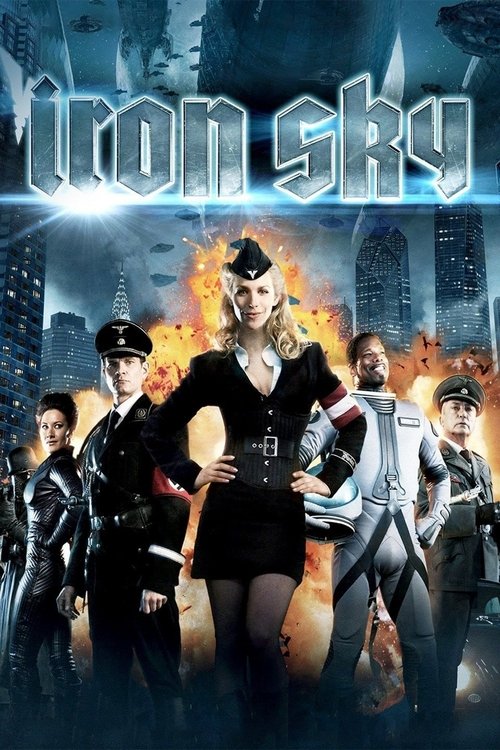
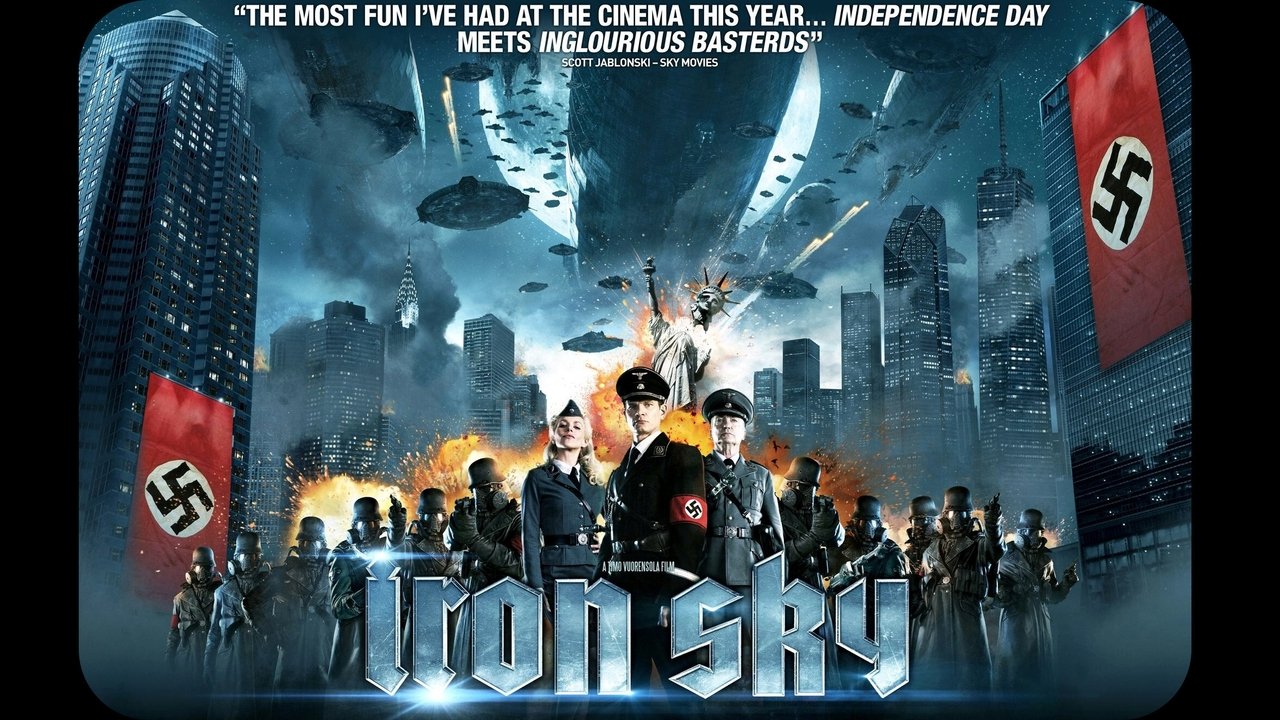
I clearly remember the first time I saw the teaser trailer for Iron Sky back in 2008. It was a grainy, minute-long clip of a saucer rising over a lunar crater, set to an ominous industrial beat. In the wild-west era of early YouTube and film message boards, we all thought it was a high-concept prank. A movie about Nazis hiding on the dark side of the moon since 1945? It sounded like the kind of thing a bunch of Finnish metalheads would dream up in a sauna. As it turns out, that’s exactly what it was, and the resulting film is a fascinating, messy artifact of the early digital-indie revolution.

I actually watched this for the first time on a laptop with a cracked screen while sitting in a laundromat, waiting for a stubborn load of heavy towels to dry, and honestly, the hum of the industrial dryers felt like the perfect 4D accompaniment to the film’s clanking, steampunk aesthetic.
The Internet’s Space Baby
Looking back from our current era of streamlined streaming content, Iron Sky feels like a miracle of the "Prosumer" age. Director Timo Vuorensola didn't just make a movie; he pioneered a type of community-driven filmmaking that feels very specific to that 2008-2012 window. Through a platform called Wreckamovie, thousands of fans contributed ideas, 3D assets, and—crucially—funding. This was the "crowdsourcing" boom before the word became a corporate buzzword.
Because of this DIY DNA, the film has a texture that Hollywood usually polishes away. The CGI, handled by a team of hungry artists in Finland, is genuinely impressive for a $7.5 million budget. It doesn't look like a Marvel movie; it looks like a high-end video game cinematic from the early 2010s, full of gritty smoke, rotating gears, and massive, lumbering space-Zeppelins. It’s an ambitious use of digital technology that shames many contemporary blockbusters that cost twenty times as much.
Heil in High Definition

The plot kicks off when a modern-day American lunar mission—essentially a PR stunt for a Sarah Palin-esque President—stumbles upon the Nazi fortress, "Schwarze Sonne." They capture astronaut James Washington (Christopher Kirby), and in one of the film’s most "edgy" 2012-era jokes, the Nazi scientists use an "albinizer" serum to turn him white. It’s a bold, arguably tasteless move that signals exactly what kind of movie this is: a pitch-black satire that swings for the fences and doesn't care if it trips over the dugout.
The standout performance here is Julia Dietze as Renate Richter, a naive Nazi schoolteacher who genuinely believes her people are coming back to Earth as peaceful liberators. Her chemistry with Kirby provides the film’s only real emotional tether. Opposite her is Götz Otto as Klaus Adler, a man who looks like he was grown in a "Villainous Aryan" vat. He plays it with such jaw-jutting intensity that you half expect him to start chewing the green screen. And, of course, we get the legendary Udo Kier (Shadow of the Vampire, Suspiria) as the Moon Führer. Udo Kier could read a grocery list and make it sound like a declaration of war, and here, he’s clearly having the time of his life.
Lunar Logic and Earthly Satire
When the action moves to Earth, the film shifts gears into a biting political satire that feels very much of its time. Stephanie Paul plays the U.S. President with a "drill, baby, drill" energy that perfectly captures the post-9/11, pre-social-media-implosion political zeitgeist. The scenes in the "War Room," where various world leaders bicker while the world is literally being invaded by space-saucers, are clearly trying to channel Dr. Strangelove. While Timo Vuorensola isn't exactly Stanley Kubrick, the satire lands more often than it misses, especially when it targets the hypocrisy of international diplomacy.
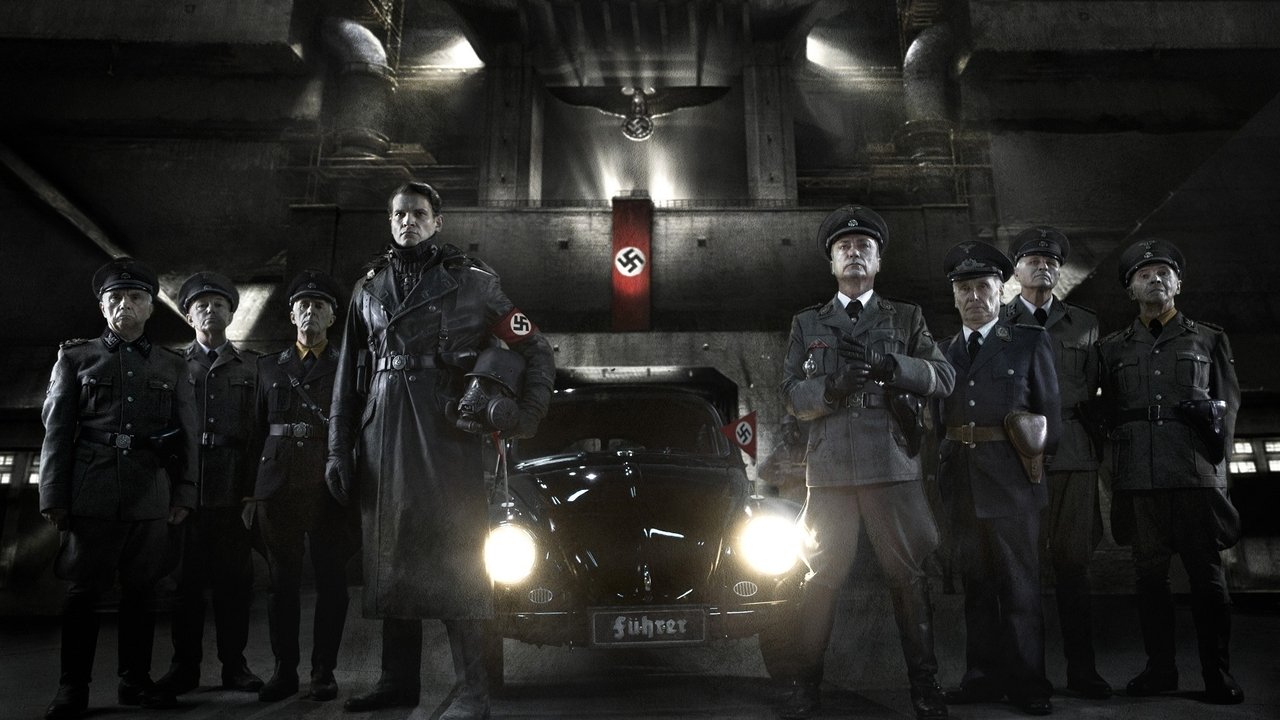
The action choreography is where the "Indie" seams show a bit. The space battles are grand and sweeping, but the ground-level skirmishes can feel a little chaotic and disjointed. However, the sound design is a triumph; the score by Slovenian industrial legends Laibach provides a thumping, Wagnerian weight to the visuals that makes the whole thing feel much "bigger" than its budget suggests.
Ultimately, Iron Sky is a "vibe" movie. It’s for the person who spent their weekends in the early 2000s browsing the cult section of a local video store, looking for something that dared to be ridiculous. It’s a film that proudly wears its B-movie badge like a medal of honor while utilizing the digital revolution to punch way above its weight class. It’s not perfect—the pacing stutters in the second act and some of the humor hasn't aged gracefully—but its sheer audacity makes it worth the trip to the dark side. It reminds me of a time when the internet felt like a place where a bunch of fans could actually build a spaceship together.

Keep Exploring...
-
Teenage Mutant Ninja Turtles II: The Secret of the Ooze
1991
-
Lake Placid
1999
-

Mystery Men
1999
-
Osmosis Jones
2001
-
Journey to the Center of the Earth
2008
-

Attack the Block
2011
-

Men in Black 3
2012
-
Teenage Mutant Ninja Turtles
2014
-
Shoot 'Em Up
2007
-
Taxi 4
2007
-
Aliens in the Attic
2009
-
Cop Out
2010
-

The Spy Next Door
2010
-

30 Minutes or Less
2011
-
Big Mommas: Like Father, Like Son
2011
-

One for the Money
2012
-
So Undercover
2012
-

Stand Up Guys
2012
-
Teenage Mutant Ninja Turtles
1990
-
Spy Kids
2001