Jack Reacher
"Sometimes the smartest man in the room is also the most dangerous."
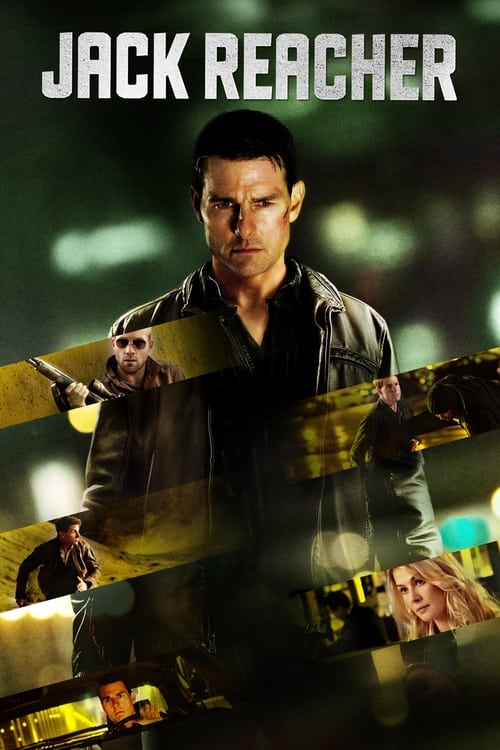
The opening six minutes of Jack Reacher are a masterclass in tension through silence. There is no swelling orchestra, no quippy dialogue—just the mechanical, metallic clicks of a sniper rifle and the rhythmic breathing of a killer in a parking garage. It was a bold way to start a big-budget studio film in 2012, a year dominated by the colorful, noisy arrival of The Avengers. While the rest of Hollywood was pivoting toward capes and quips, director Christopher McQuarrie (who later saved the Mission: Impossible franchise with Rogue Nation and Fallout) decided to give us a gritty, analog procedural that felt like it was unearthed from a time capsule labeled "1975."
I watched this recently on a Tuesday night while my neighbor was power-washing their driveway, and the steady, monotonous drone of the water outside actually synced up perfectly with the film’s cold, methodical pacing. It’s a movie that demands you pay attention to the small things, just like its titular protagonist.
The Elephant in the Room (and His Height)
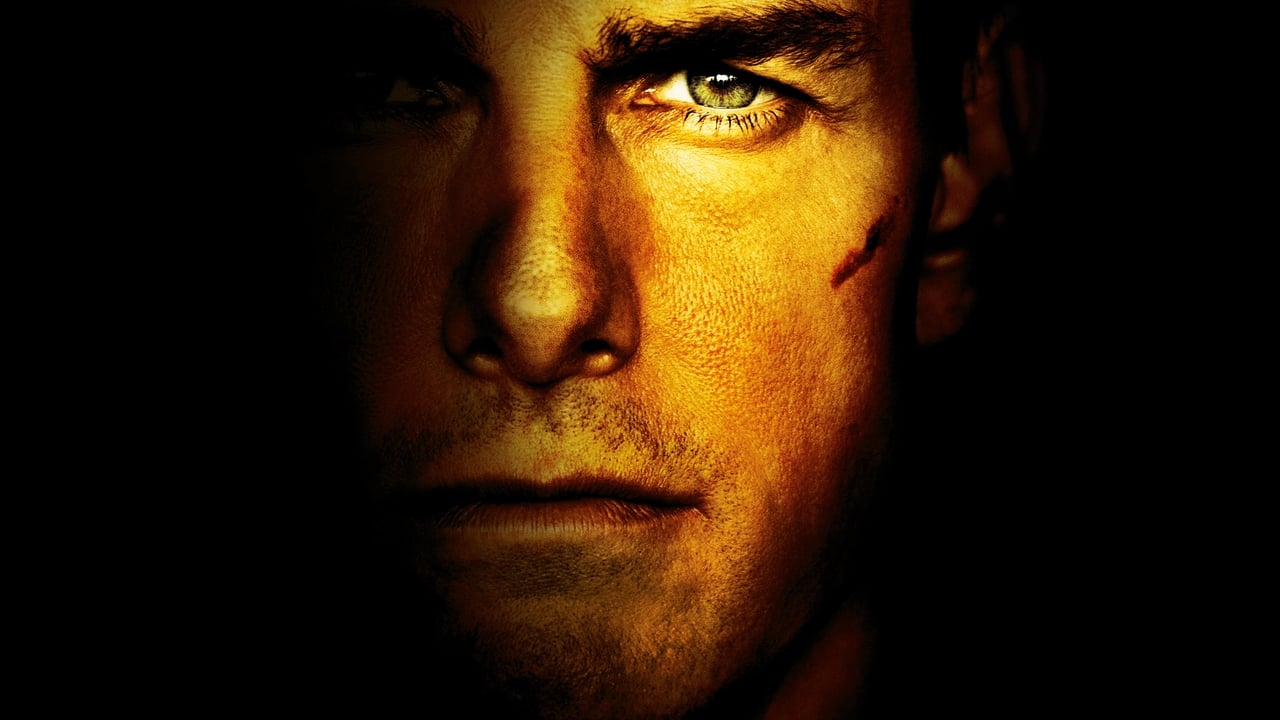
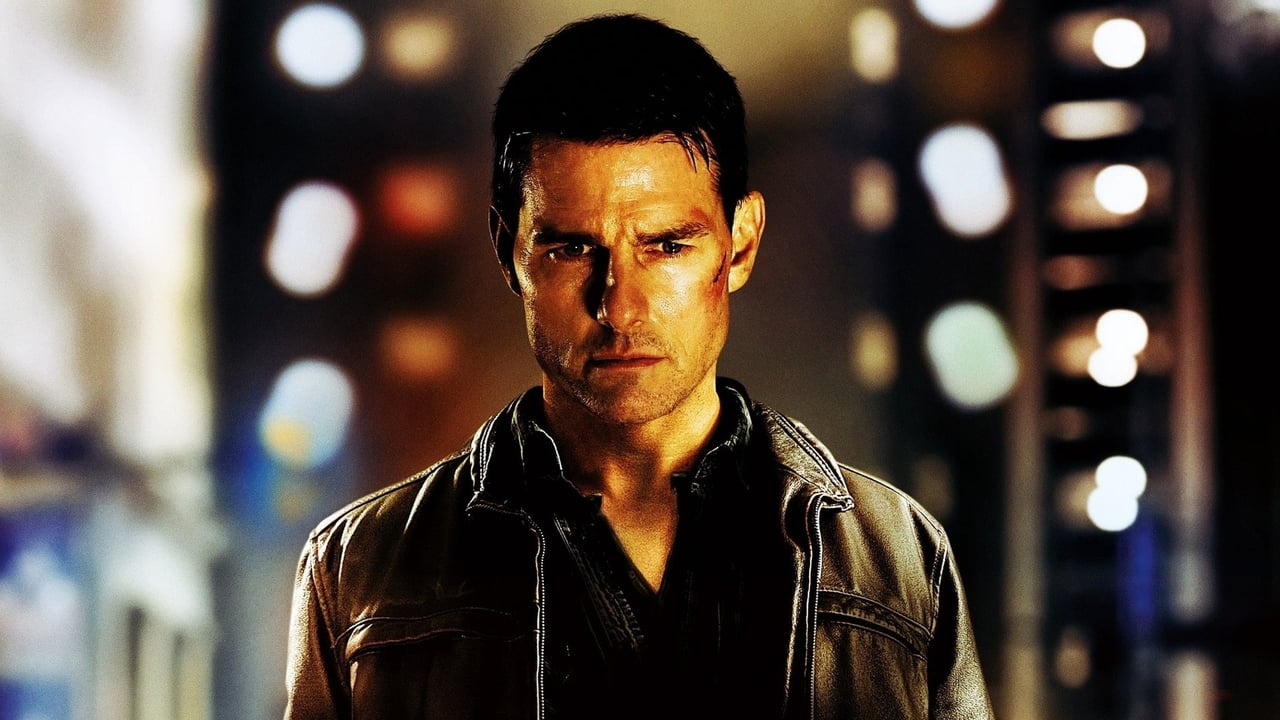
When Tom Cruise was cast as Jack Reacher, the internet—or at least the corner of it inhabited by Lee Child’s readers—nearly imploded. In the books, Reacher is a 6'5", 250-pound behemoth who looks like he was carved out of a mountainside. Tom Cruise is... not that. But looking back at the film now, the controversy feels like a footnote. Cruise brings a different kind of scale to the role: a terrifying, unblinking intensity. He plays Reacher as a man who is perpetually five steps ahead of everyone else, and he carries himself with a stillness that suggests he could kill you with a library card if he felt like it.
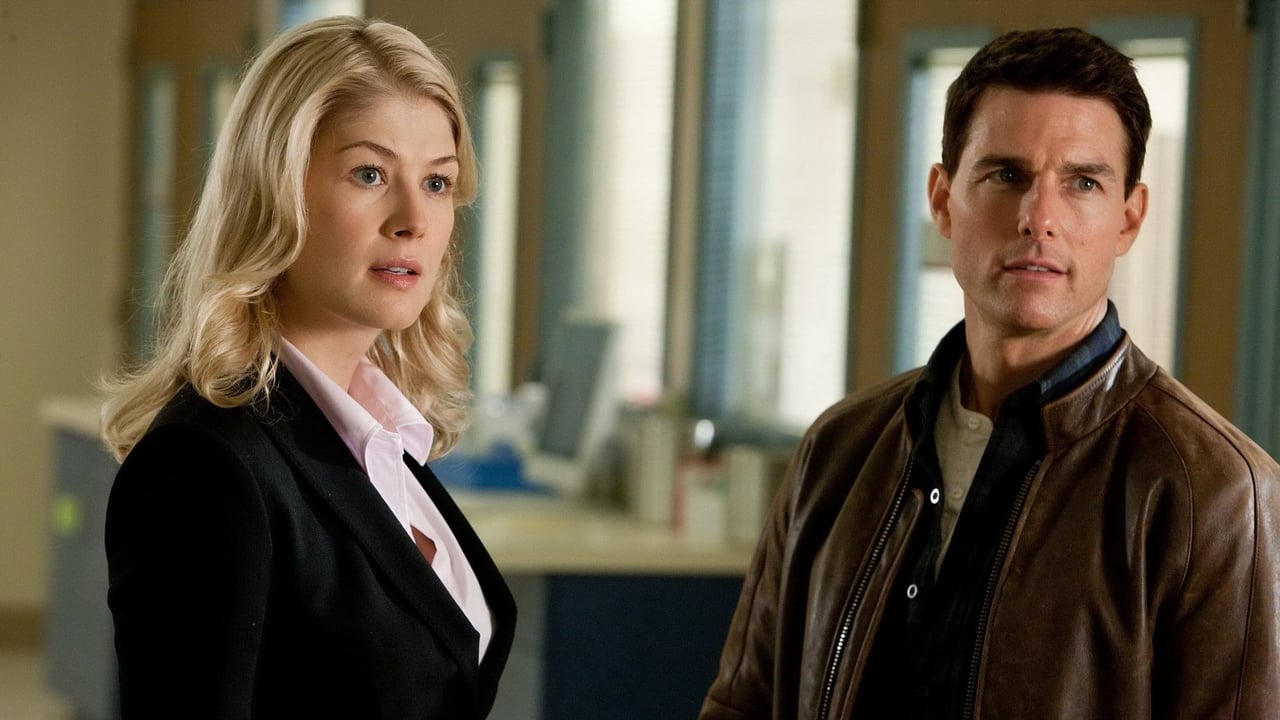
Jack Reacher is basically Sherlock Holmes if he decided to solve mysteries with his elbows instead of a pipe. He’s an ex-military investigator turned drifter, a ghost who doesn't use a cell phone or an email address. When he arrives to investigate a mass shooting that seems like an open-and-shut case, he teams up with defense attorney Helen Rodin, played with a sharp, grounded energy by Rosamund Pike (pre-Gone Girl). Their chemistry isn't romantic; it's professional and increasingly desperate, which makes the stakes feel real rather than like a standard Hollywood "meet-cute."
Practical Action and Engine Roar
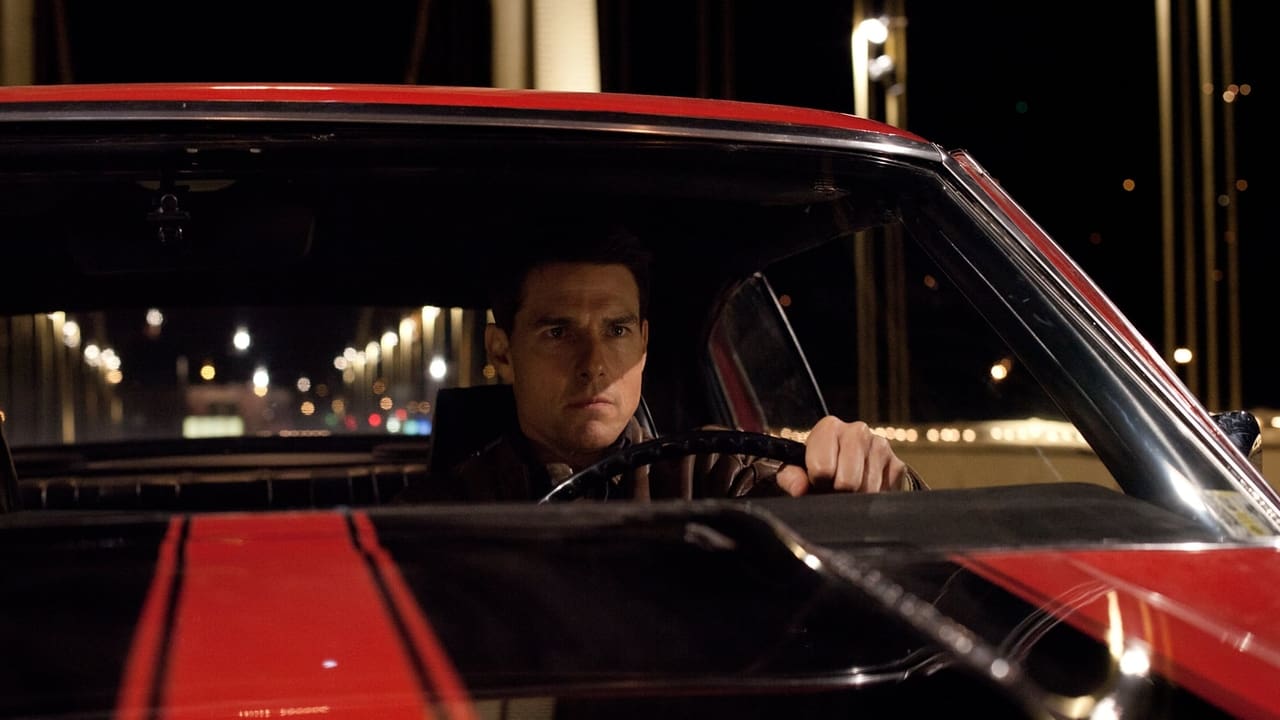
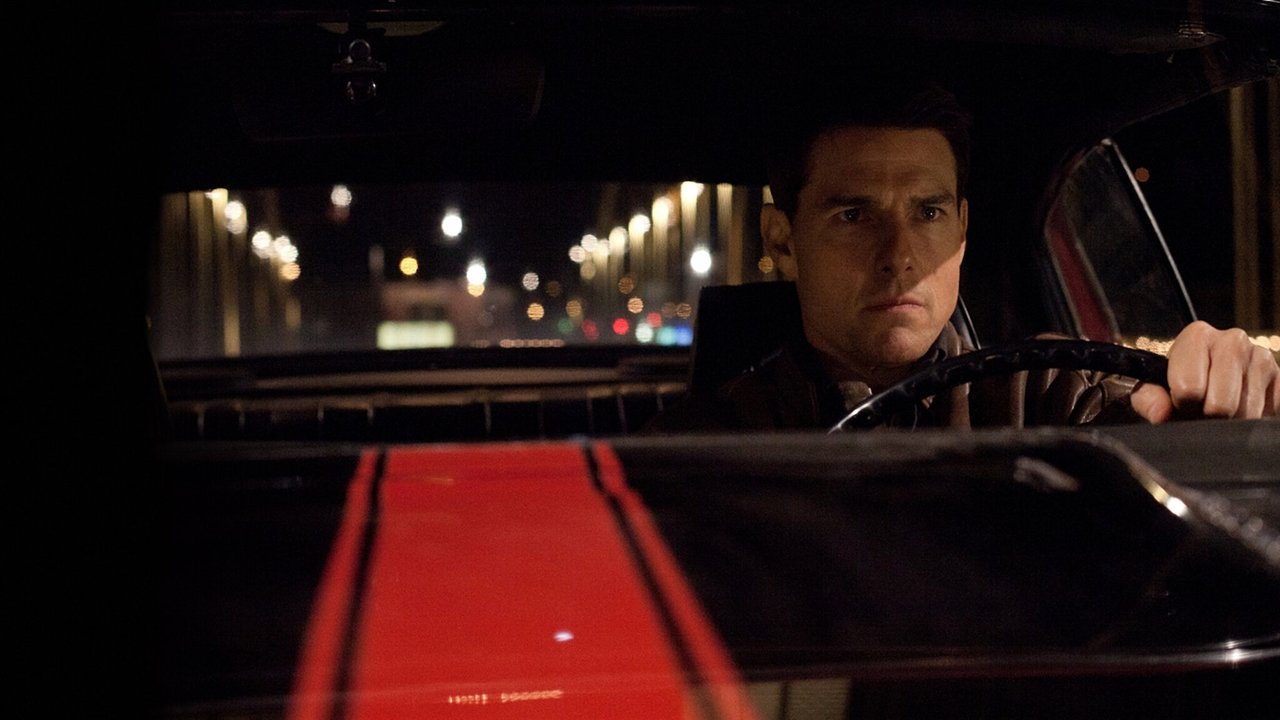
In an era where digital effects were beginning to make every car chase look like a video game, Jack Reacher went the opposite direction. The centerpiece car chase through the streets of Pittsburgh is a triumph of practical filmmaking. There is no music—just the guttural, raw scream of a 1970 Chevelle SS. You can feel the weight of the cars, the screech of the tires, and the genuine danger of the turns.
Tom Cruise famously did his own stunt driving here, and there’s a wonderful moment where the car accidentally stalls out during the chase. Instead of cutting, Christopher McQuarrie kept it in; you see Reacher frantically restarting the engine, a human error that adds a layer of grit you rarely see in blockbuster action. It makes the hero feel vulnerable, even if he is a world-class badass.
The hand-to-hand choreography follows the same philosophy. It’s not "wire-fu" or flashy gymnastics. It’s the Keysi Fighting Method—brutal, close-quarters combat designed to end a fight in seconds. When Reacher takes on five guys outside a bar, it’s not a dance; it’s a series of broken bones and efficient strikes. Jai Courtney shows up as the primary physical antagonist, and he has the personality of a wet brick here, but for once, that’s exactly what the role needs—a cold, blank obstacle for Reacher to overcome.
The Herzog Factor
One of the most inspired choices in modern action cinema was casting legendary director Werner Herzog as the villain, "The Zec." He is a man who survived the Siberian gulags by eating his own fingers to avoid gangrene, and Herzog delivers his lines with a terrifying, philosophical detachment. He doesn't need to fire a gun to be the scariest person on screen; he just needs to stare at you with those weary, ancient eyes.
The film performed well, earning $218 million globally on a $60 million budget, proving there was still an audience for "Dad Movies" that prioritized plot and practical stunts over CGI spectacle. It’s a film that has aged remarkably well because it doesn't rely on the tech of 2012; it relies on the fundamentals of the thriller genre: a compelling mystery, a formidable lead, and a villain who feels like a genuine threat.
Jack Reacher is a reminder of a specific window in the early 2010s where a major studio would still bankroll a mid-budget, R-rated (in spirit, if not in its PG-13 rating) detective story. It’s lean, mean, and incredibly confident. While the sequel unfortunately lost some of this magic by leaning into more generic tropes, this first entry stands as a high-water mark for Tom Cruise’s non-Impossible action career. It’s the kind of movie that makes you want to buy a one-way bus ticket and solve a crime, provided you have the elbows for it.
Keep Exploring...
-
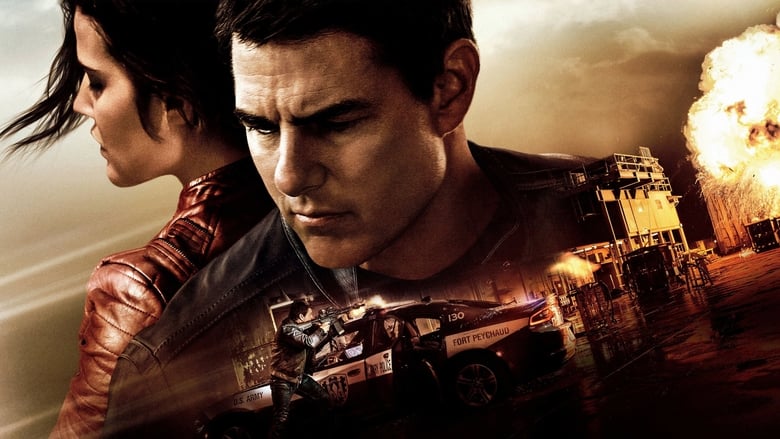
Jack Reacher: Never Go Back
2016
-
Fast & Furious
2009
-
Need for Speed
2014
-
Vantage Point
2008
-
xXx
2002
-
Collateral
2004
-
Patriot Games
1992
-
In the Line of Fire
1993
-
The Net
1995
-
Gangster Squad
2013
-
Felon
2008
-
Street Kings
2008
-

Blood and Bone
2009
-
Faster
2010
-
Takers
2010
-
Undisputed III: Redemption
2010
-
Batman: Year One
2011
-
Colombiana
2011
-
Contraband
2012
-

Get the Gringo
2012