John Carter
"A century in the making, a weekend to fail."
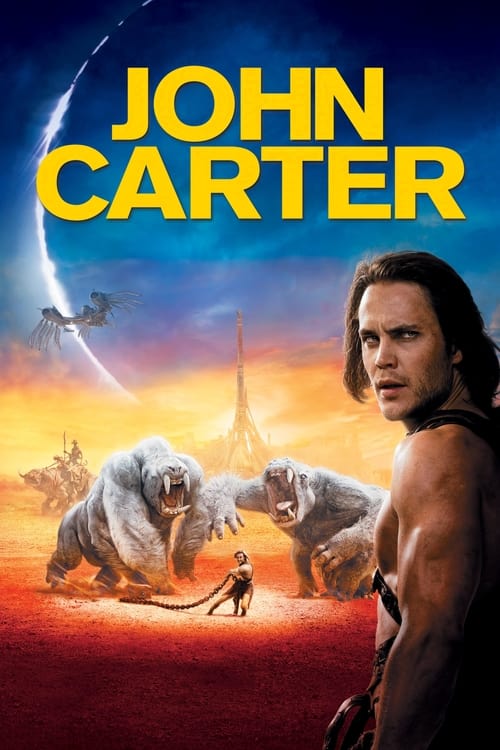
I have a permanent soft spot for the "magnificent failure"—those cinematic titans that swing for the bleachers, miss the ball entirely, and somehow manage to take out a very expensive scoreboard in the process. When Andrew Stanton made the jump from Pixar royalty to live-action spectacle with John Carter, he wasn't just making a movie; he was trying to exhume the very DNA of science fiction. The tragedy isn't that the movie is bad—it’s actually quite good—it’s that by the time the grandfather of sci-fi finally arrived on screen, all his grandchildren had already stolen his best stories.
I remember watching this in a half-empty theater where the air conditioning was set to "Arctic Tundra," clutching a bag of popcorn that was roughly 40% unpopped kernels. Despite the shivering and the dental hazards, I found myself leaning in. There is a sincere, nerdy heartbeat in John Carter that you just don't find in the cynical, assembly-line blockbusters we see today.
The Marketing Curse of the Red Planet
You can't talk about this film without talking about the disaster behind the curtain. In 2012, Disney was terrified of the word "Mars" because a previous animated flick, Mars Needs Moms, had cratered at the box office. So, they stripped the title of its pulp pedigree, turning "A Princess of Mars" into the aggressively bland John Carter. Disney basically sent a thoroughbred to the Kentucky Derby with its legs tied together.
The irony is that Andrew Stanton—the man who gave us Finding Nemo and WALL-E—treated the source material by Edgar Rice Burroughs with the reverence of a holy relic. This was a "passion project" in the most literal sense. Stanton had been obsessed with these books since he was a kid, and he brought in Pulitzer Prize-winner Michael Chabon to help craft a script that felt like a bridge between 19th-century Victorian grit and 21st-century digital wizardry.
But the audience in 2012 saw the trailers and thought, "Oh, a rip-off of Star Wars and Avatar." They didn't realize that George Lucas and James Cameron had been shamelessly raiding Burroughs' toy box for decades. John Carter was the original source, but it arrived at the party so late it looked like an uninvited guest wearing yesterday's fashion.
Gravity, Gladiators, and Giacchino
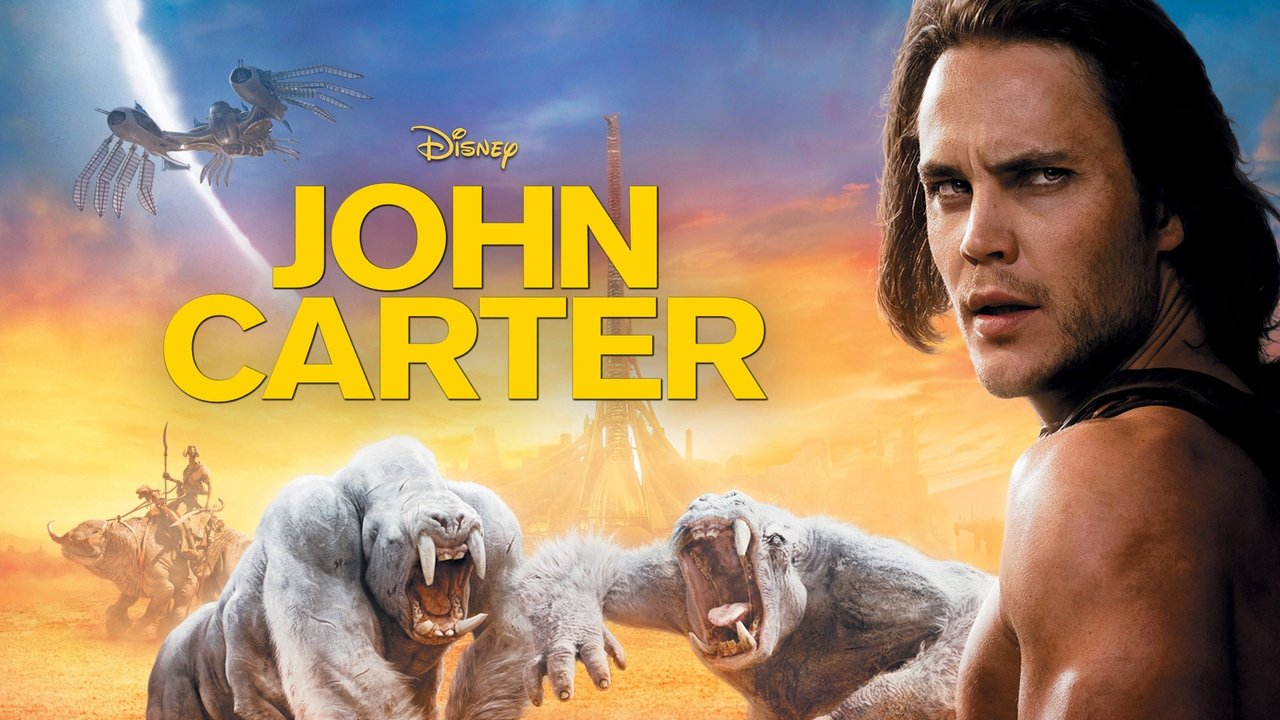
What actually happens on screen is a blast. The action choreography leans heavily into the physics of Mars—low gravity means Taylor Kitsch doesn't just run; he leaps like a human cannonball. In an era where "CGI sludge" was becoming the norm, the action here has a delightful sense of weight and momentum. The arena sequence, where Carter faces off against two Great White Apes, is a masterclass in clear, high-stakes staging. You always know where the characters are, what the goal is, and exactly how much it’s going to hurt when they hit the dirt.
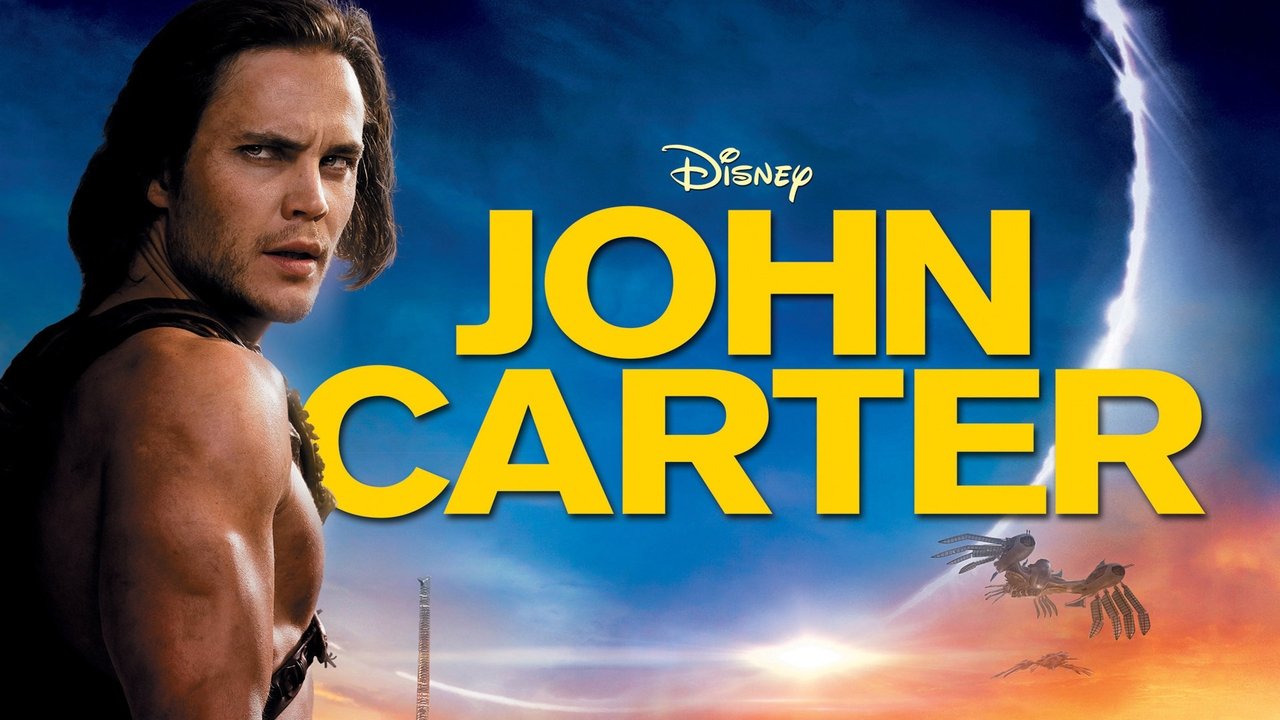
Taylor Kitsch gets a lot of flak for being "wooden," but I think he plays the war-weary veteran perfectly. He’s a man who has seen too much blood on Earth and just wants to be left alone to dig for gold. Opposite him, Lynn Collins as Dejah Thoris is the real revelation. She isn't a "damsel" in need of rescue; she’s a scientist and a warrior who probably could have handled the situation herself if she’d had a slightly better jetpack.
The secret weapon, though, is Michael Giacchino. His score is sweeping, melodic, and adventurous in a way that modern Hans Zimmer-inspired "brammm" soundtracks usually aren't. It feels like a throwback to the big, brassy themes of the 80s. When that music swells as Carter takes a literal leap of faith, it’s hard not to feel a bit of that old-school movie magic.
The "Avatar" Problem in Reverse
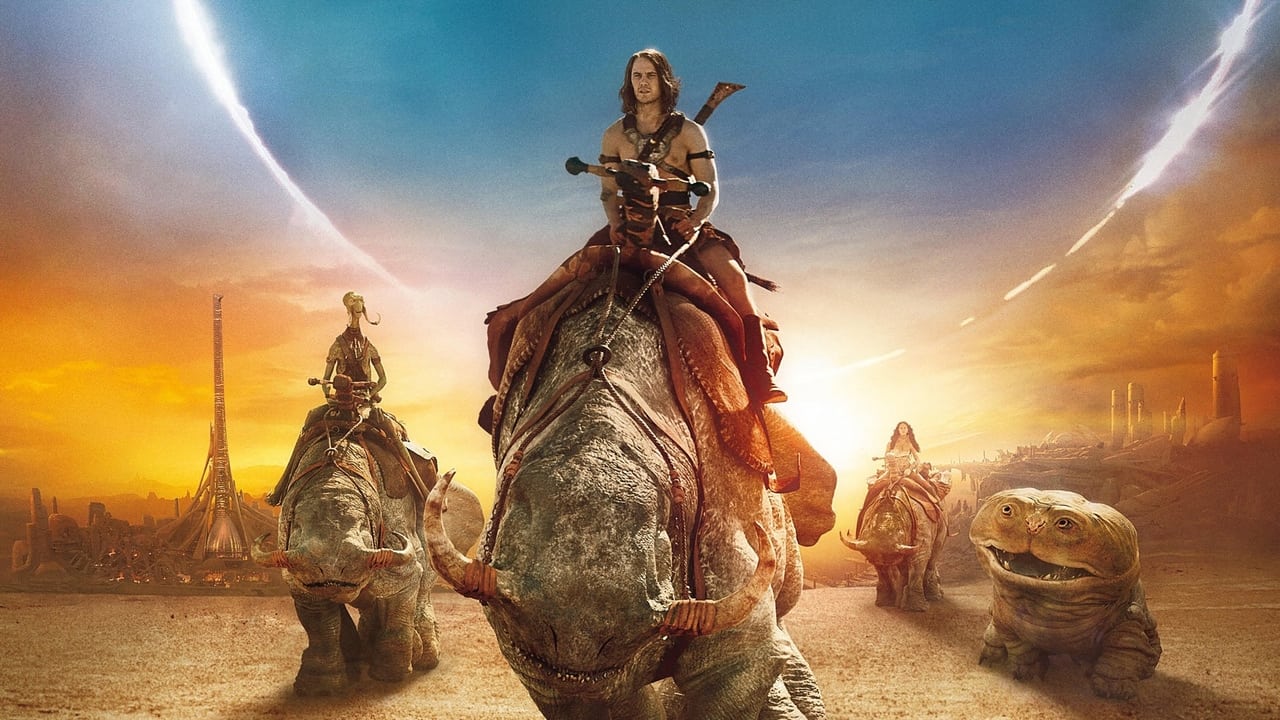
Looking back, the digital effects have aged remarkably well. The Tharks—those nine-foot-tall, four-armed green martians—feel like real, physical presences. This wasn't just guys in green leotards; the production used sophisticated motion capture. Willem Dafoe and Samantha Morton give these alien creatures genuine souls, making the political squabbles of Barsoom feel grounded rather than goofy.
Here are a few things that make the John Carter cult grow every year:
The Title Debacle: As mentioned, removing "Of Mars" is cited by marketing students today as an all-time "what were they thinking?" moment. The Woola Factor: Carter’s martian "dog," Woola, is arguably the most charming CG sidekick of the 2010s. It’s a movie that asks you to care about a space-dog-toad, and dammit, I did. The Civil War Parallel: The film starts as a Western, acknowledging the post-9/11 anxiety of the time by focusing on a soldier who has lost his "cause" and his home. The Script's Long Road: This story was stuck in "development hell" since the 1930s. At various points, Bob Clampett (Looney Tunes), Ray Harryhausen, and John McTiernan all tried to make it. * Language Nerdery: They hired a linguist to create a functional "Barsoomian" language, though most of it was cut to keep the runtime manageable.
Ultimately, John Carter is a victim of its own influence. It feels familiar because it invented the tropes we now take for granted. It’s an earnest, expensive, and deeply imaginative adventure that deserved a trilogy it will never get. If you can look past the generic title and the "flop" reputation, you’ll find a vibrant world waiting to be rediscovered. It’s the kind of movie that reminds me why we go to the cinema in the first place: to see things that shouldn't exist, done with a level of craft that makes us believe they do.
Keep Exploring...
-

Battleship
2012
-
Babylon A.D.
2008
-
Fantastic Four: Rise of the Silver Surfer
2007
-
Jumper
2008
-
The Incredible Hulk
2008
-

G.I. Joe: The Rise of Cobra
2009
-
TRON: Legacy
2010
-

Captain America: The First Avenger
2011
-
I Am Number Four
2011
-

X-Men: First Class
2011
-

Ender's Game
2013
-

G.I. Joe: Retaliation
2013
-
Man of Steel
2013
-
Oblivion
2013
-
Pacific Rim
2013
-
Star Trek Into Darkness
2013
-
Journey to the Center of the Earth
2008
-

Star Wars: The Clone Wars
2008
-
9
2009
-

The Host
2013