Killer Joe
"Some debts are paid in blood and drumsticks."
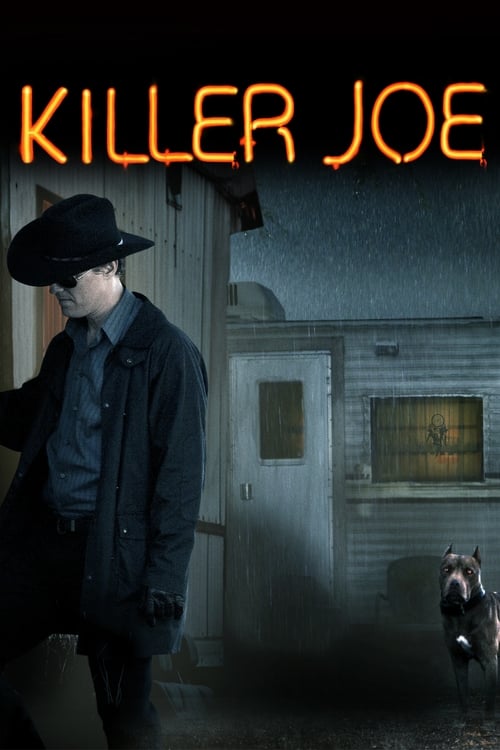
The first time I saw Matthew McConaughey step out of that sleek black town car in the pouring Texas rain, I knew the "shirtless rom-com guy" was officially dead and buried. I watched this movie in a cramped basement apartment where the radiator was stuck on high, and honestly, the oppressive, dry heat in the room only made the experience better. Killer Joe is a movie that deserves to be watched while you’re feeling slightly uncomfortable and probably sweating.
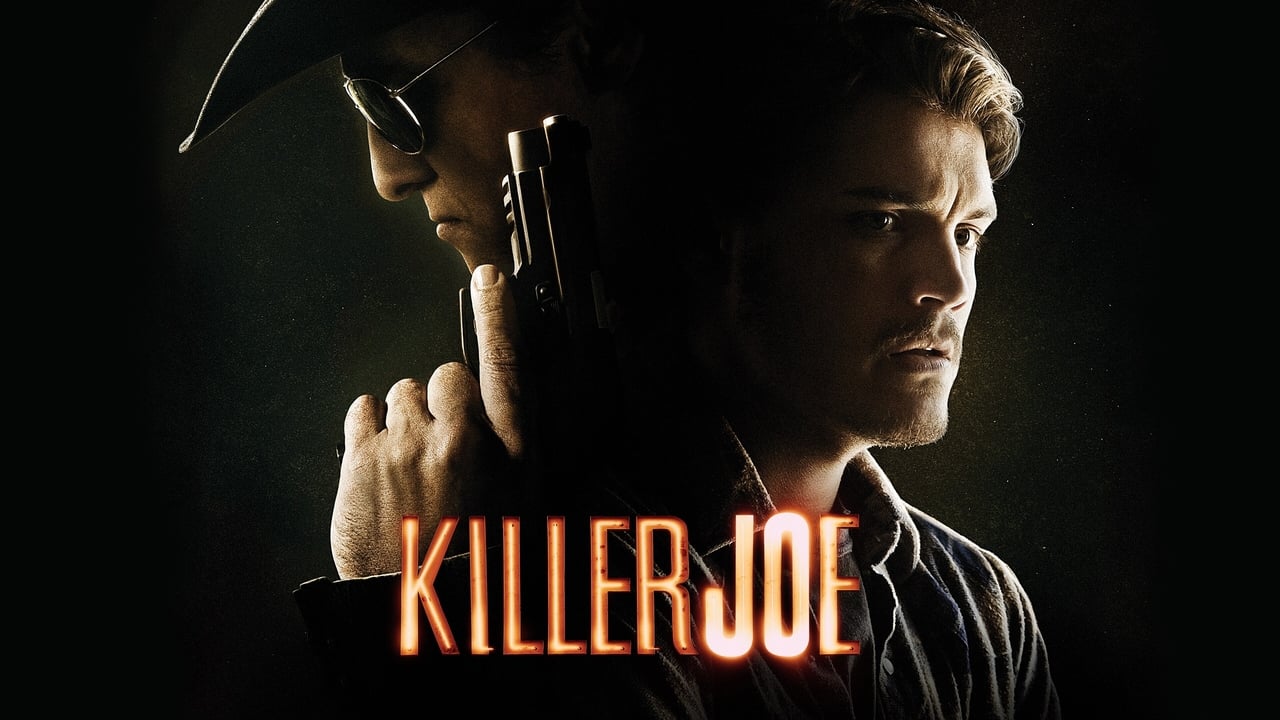
Released in 2012, Killer Joe arrived right at the peak of the "McConaissance." This was the same year McConaughey was winning hearts in Magic Mike and Mud, but Killer Joe was the dark, jagged pill in the middle of that winning streak. Directed by the legendary William Friedkin—the man who gave us The Exorcist—it’s a film that feels like it was dragged through a trailer park and then set on fire. It’s nasty, hilarious, and deeply "Modern Cinema" in the way it embraces the grit that the indie renaissance of the 90s made possible, but with the polished, digital cynicism of the 2010s.
The McConaissance’s Darkest Hour
The plot is a classic noir setup with a "deep-fried" twist. Emile Hirsch plays Chris, a low-level drug dealer who owes money to the wrong people. His solution? Hire a contract killer to off his mother for the insurance money. Enter Joe Cooper (Matthew McConaughey), a detective who moonlights as a hitman. When Chris can’t pay the retainer up front, Joe takes Chris’s sister, Dottie (Juno Temple), as "retainer" until the job is done.
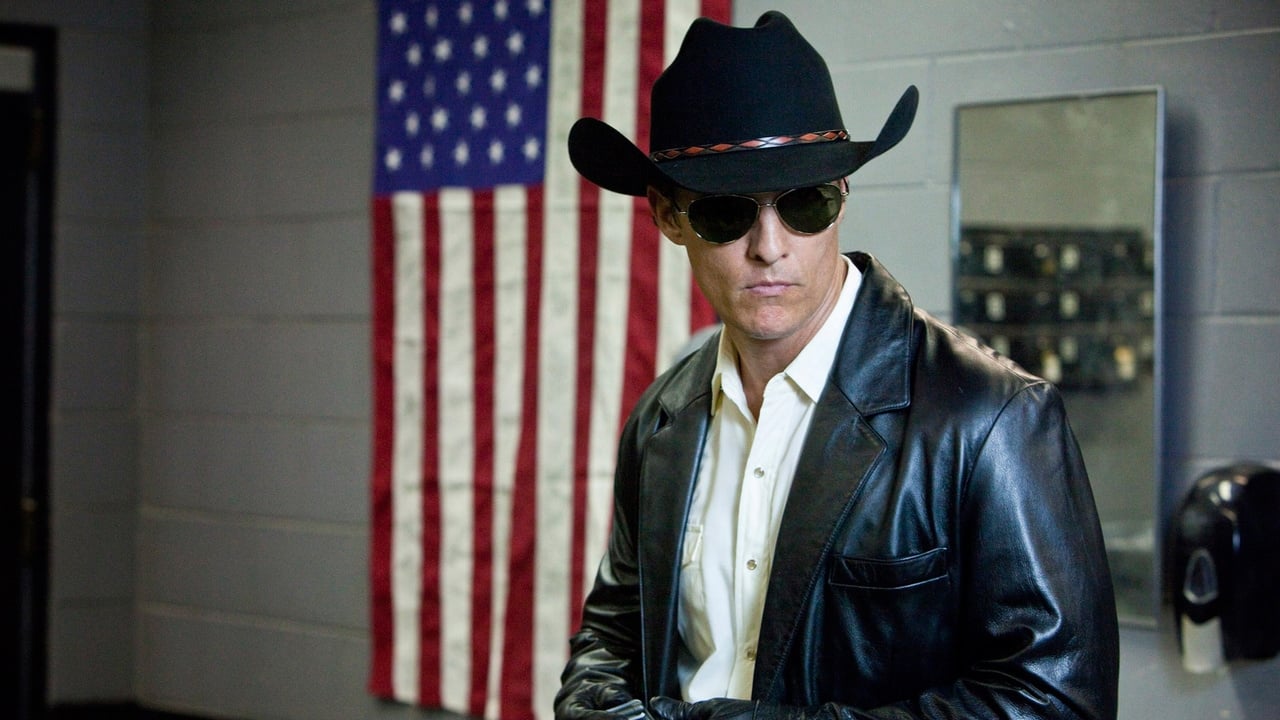
McConaughey is the sun around which this dumpster fire rotates. He plays Joe with a terrifying, quiet stillness. There’s no "alright, alright, alright" charm here; there’s only a predator who happens to wear a cowboy hat and expensive boots. Joe Cooper is the only character McConaughey ever played who I’m genuinely afraid would climb out of the TV and demand I apologize for my life choices. It’s a performance of pure, predatory control that anchors a movie that would otherwise spin off into total madness.
A Family Tree With No Leaves
While Joe is the star, the Smith family is the heartbeat of the film’s pitch-black comedy. Thomas Haden Church plays the father, Ansel, with a level of dim-witted apathy that is genuinely breathtaking. He’s a man who has clearly given up on every moral instinct he ever had, likely because they were too much work to maintain. Gina Gershon as Sharla, the stepmother, is equally brilliant, portraying a woman who is constantly playing a game she isn’t smart enough to win.
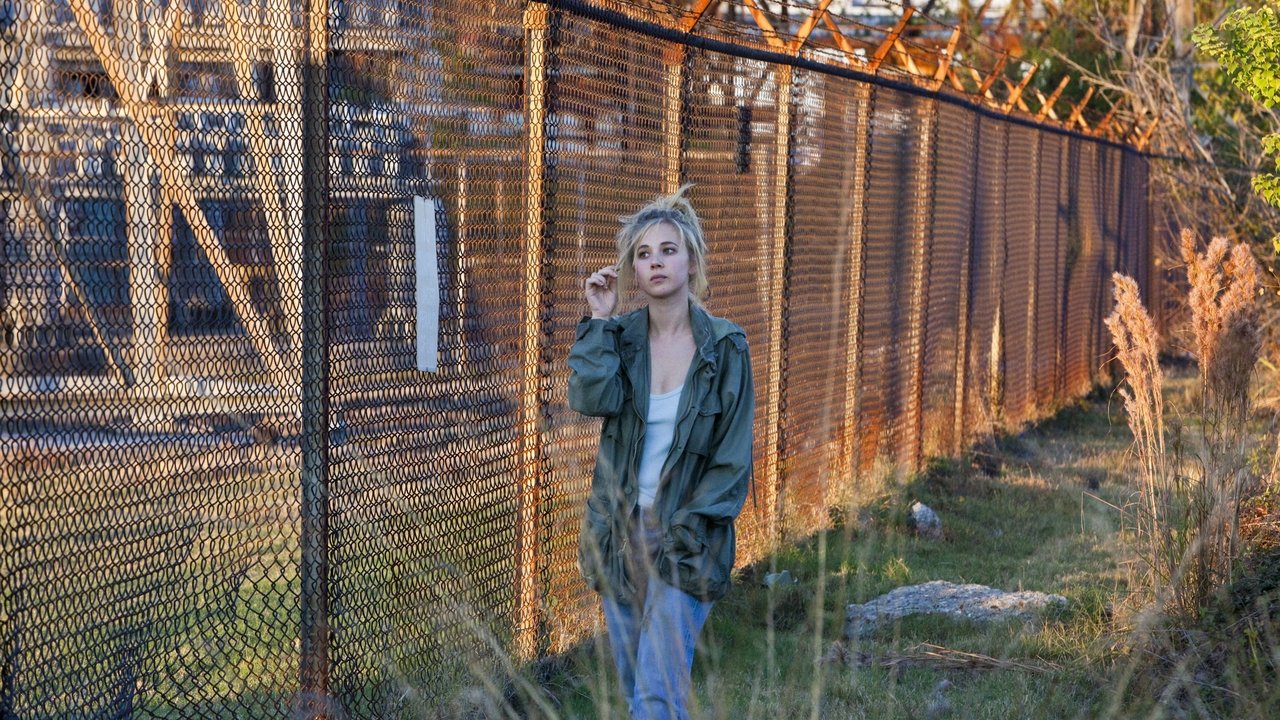
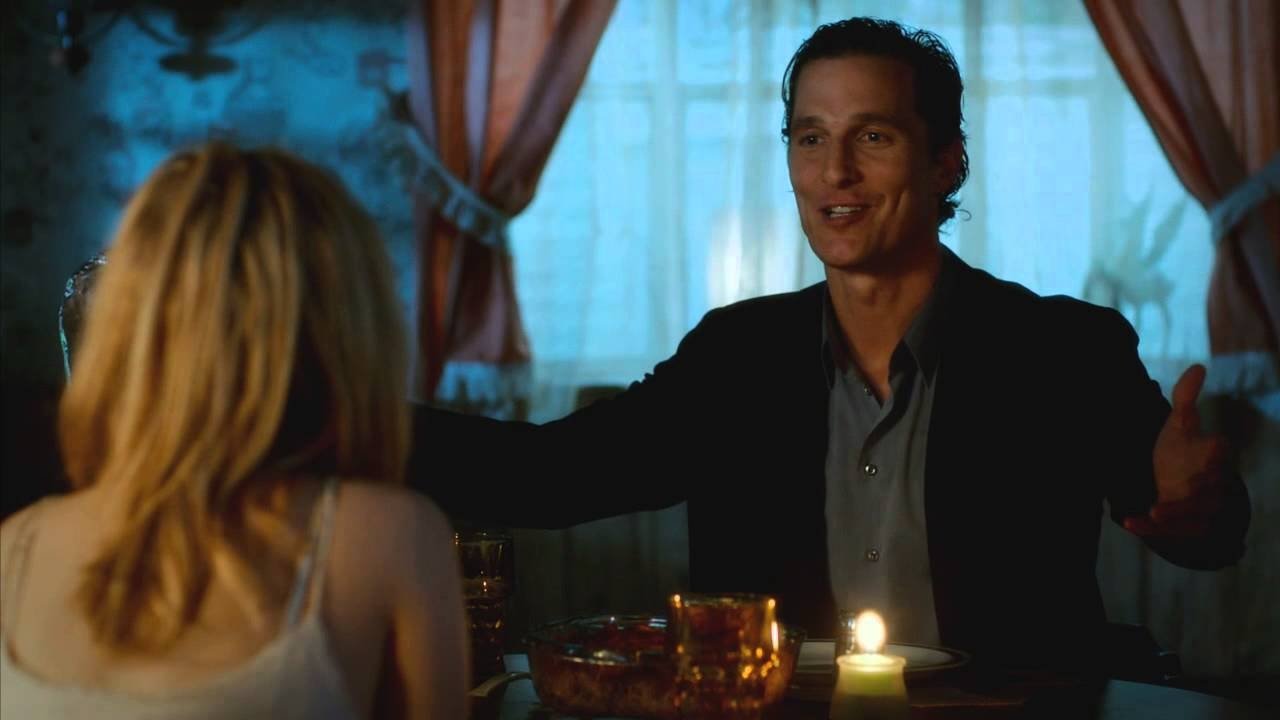
The chemistry—if you can call it that—between this family is a train wreck in slow motion. Friedkin shoots them in cramped, cluttered trailers that feel like they haven't been dusted since the Reagan administration. You can almost smell the stale beer and cigarettes through the screen. Juno Temple brings a haunting, ethereal quality to Dottie that makes the whole "retainer" situation feel even more unsettling. She’s the only character who feels like she belongs in a different movie, which is exactly why her interactions with the shark-like Joe are so magnetic.
The NC-17 Elephant in the Room
One of the reasons Killer Joe has fallen into the "obscure" category for many casual viewers is its notorious NC-17 rating. In 2012, getting that rating was usually a box-office death sentence, and the studio begged Friedkin to cut it down for an R. He refused. Looking back, he was right. If you trim the edges of this story, you lose the point.
The film is famous (or infamous) for a scene involving a piece of Fried Chicken that I won't spoil, other than to say you'll never look at a KFC bucket the same way again. It’s a sequence that tests your endurance, not through gore, but through sheer psychological domination. I remember I had a half-eaten bag of slightly stale pretzels while watching this, and by the end, I didn't want to touch food for a week.
The script, adapted by Tracy Letts from his own play, retains its theatrical roots. Most of the film takes place in a single location, which heightens the claustrophobia. In the transition from stage to digital film, Friedkin used the clarity of early 2010s digital cameras to make everything look just a bit too real. Every bead of sweat and every grease stain on a shirt is rendered with a sharpness that makes the world feel tactile and gross.
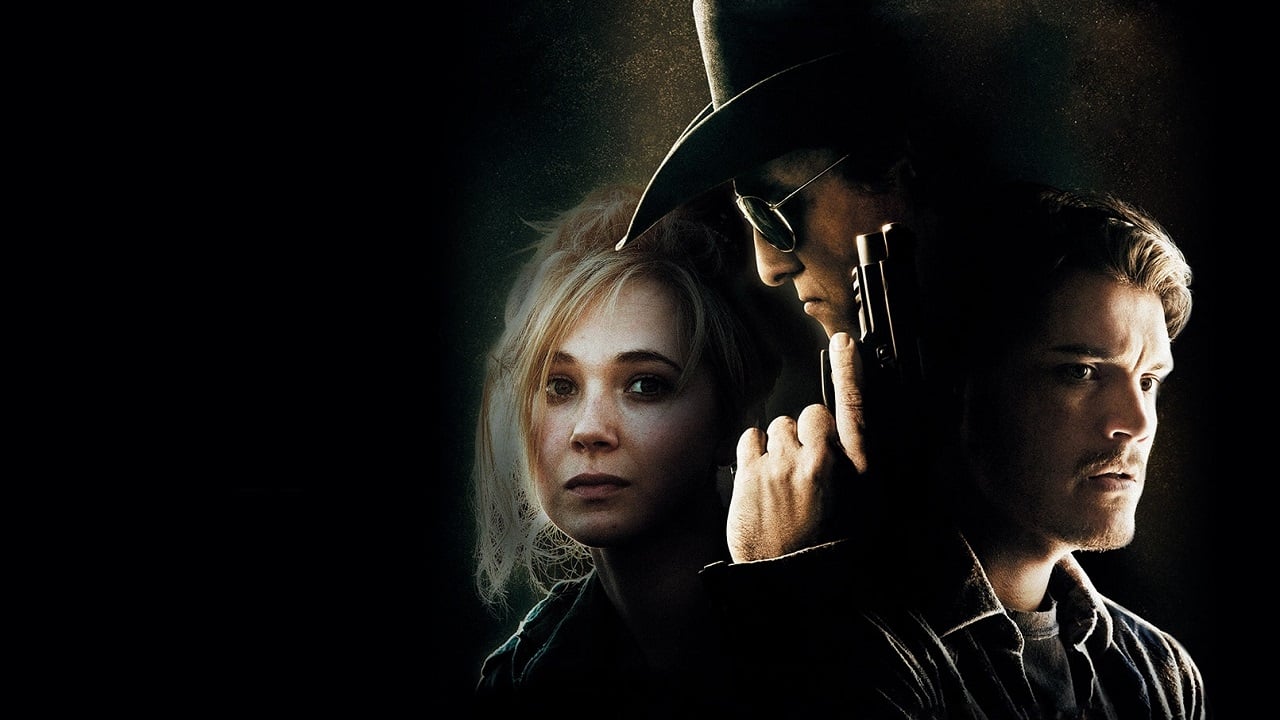
Why It Disappeared (and Why to Find It)
So why isn't this talked about as much as Drive or No Country for Old Men? It’s probably too mean for the mainstream. It doesn't offer a hero to root for, and the ending is an abrupt, violent question mark that leaves you blinking at the credits. It’s a film that refuses to play nice.
But for those who love their noir with a side of Southern Gothic madness, Killer Joe is a lost treasure. It captures a specific moment in Hollywood where a veteran director like Friedkin could use a rising superstar like McConaughey to make something truly uncompromising. It’s a reminder that even in the era of burgeoning franchises and the birth of the MCU, there was still room for a "totally deep-fried" story about very bad people doing very bad things.
Killer Joe is a masterclass in tone and tension that will leave you wanting to take a long, cold shower. It’s the peak of Matthew McConaughey’s transformative period and a testament to William Friedkin’s enduring ability to provoke an audience. If you have a strong stomach and an appreciation for the darkest of comedies, this is a debt you definitely want to collect. Just maybe skip the snacks while you watch.
Keep Exploring...
-
The Hunted
2003
-
The Lincoln Lawyer
2011
-
Before the Devil Knows You're Dead
2007
-
In the Valley of Elah
2007
-
Michael Clayton
2007
-
We Own the Night
2007
-

Lakeview Terrace
2008
-
Street Kings
2008
-
The Last House on the Left
2009
-
Brooklyn's Finest
2010
-
Takers
2010
-

The American
2010
-

Trust
2010
-

Get the Gringo
2012
-

The Iceman
2012
-
Dead Man Down
2013
-
A Most Violent Year
2014
-
Kill the Messenger
2014
-
Sabotage
2014
-
The Gambler
2014