Laurence Anyways
"A decade of love, evolving in slow motion."
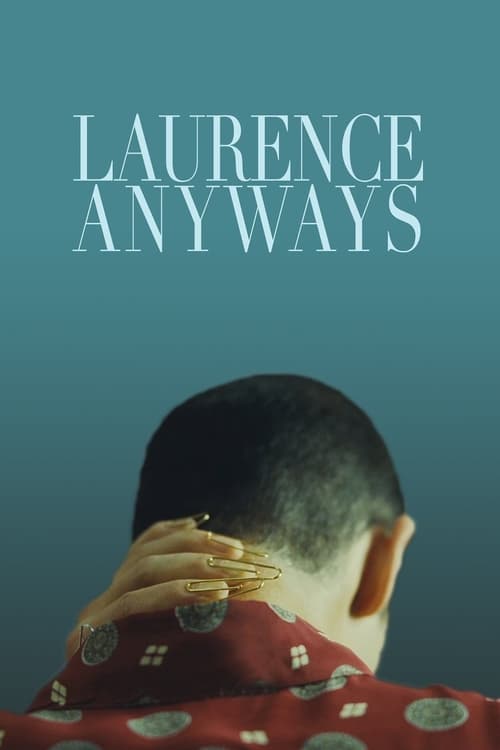
The first thing you notice about Laurence Anyways isn't the plot, but the box. Director Xavier Dolan chooses a 4:3 aspect ratio—that old-school, nearly square television shape—and it shouldn't work for a three-hour romantic epic. But as the screen fills with the 1990s-era apartment of Laurence and Fred, you realize the frame isn't a restriction; it’s a pressure cooker. I watched this for the first time while drinking a grape soda that tasted exactly like the purple Dimetapp I was forced to take as a kid, and that weirdly chemical sense of "distorted nostalgia" turned out to be the perfect pairing for this movie.
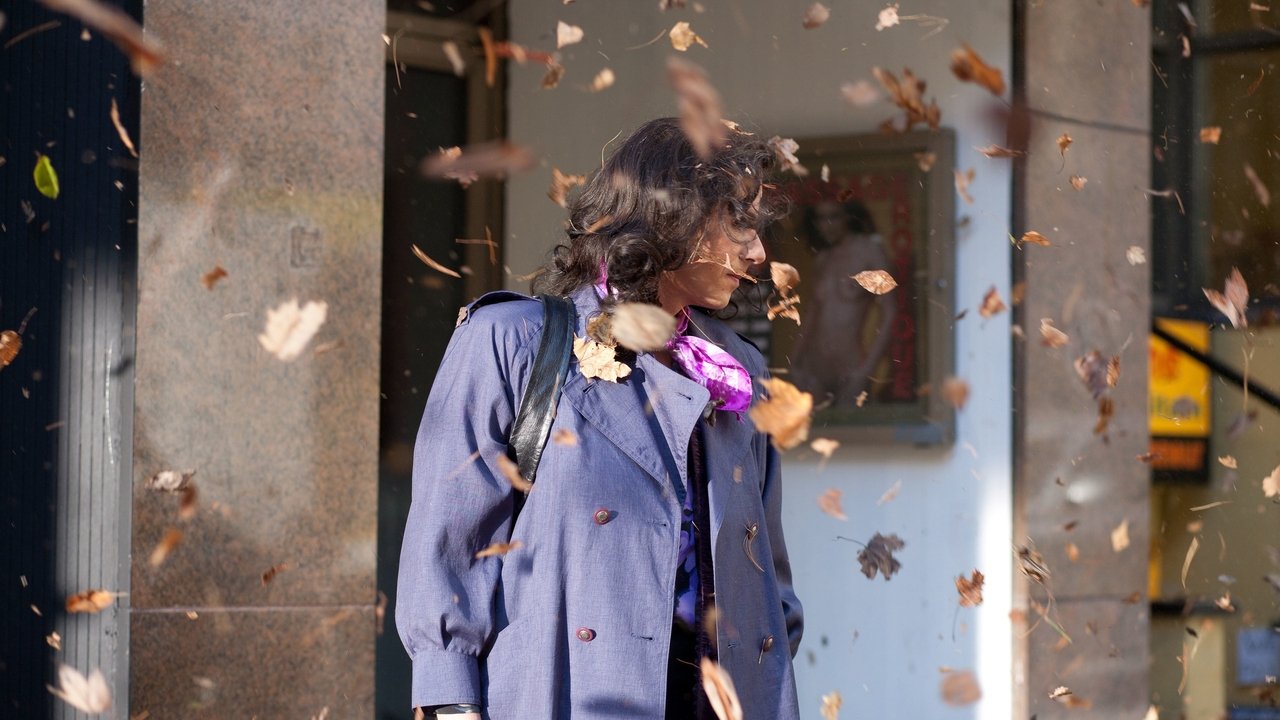
Released in 2012, Laurence Anyways feels like the final, glittering exhale of the "indie auteur" era before the MCU’s gravity well sucked all the oxygen out of the room. It’s a film that demands your attention through sheer, unadulterated style, and if you can survive the 168-minute runtime, it might just rewire how you think about identity.
The Audacity of the Wunderkind
When Xavier Dolan made this, he was only 23. That fact usually makes other filmmakers want to throw their cameras into the nearest lake. He writes, directs, and even oversaw the costumes, resulting in a film that looks like a high-fashion editorial come to life. The story follows Laurence (Melvil Poupaud), a popular literature teacher who, on her 30th birthday, confesses to her girlfriend Fred (Suzanne Clément) that she has spent her life living a lie. Laurence is a woman, and she can’t pretend otherwise for another second.
What follows isn't a simple "transition story." It’s a decade-long wrestling match between two people who are desperately, inconveniently in love. Dolan directs like he’s afraid the audience will fall asleep if a single frame lacks a neon lighting cue or a slow-motion rain of colorful laundry. It is maximalist filmmaking at its most arrogant and beautiful. While many dramas of this era were chasing a gritty, handheld "realism," Dolan went the other way, using the artifice of cinema to express internal chaos.
Performances that Bleed
If the visual style is the skin of the movie, the performances are the nervous system. Melvil Poupaud (who stepped in after Louis Garrel dropped out) plays Laurence with a quiet, dignified resolve that anchors the film’s more flamboyant tendencies. He makes the intellectual journey of Laurence feel grounded, even when the world around her is reacting with suburban horror.
But the movie belongs to Suzanne Clément. There is a scene in a cafe—often referred to by fans simply as "The Breakout"—where a nosy waitress asks one too many questions, and Fred absolutely loses her mind. It is one of the most frighteningly authentic depictions of a nervous breakdown ever filmed. She isn't just defending her partner; she’s screaming at a world that refuses to let them just be. Their chemistry is so thick you could carve it, which makes the inevitable tragedies of their "impossible love" feel like personal betrayals.
Nathalie Baye also shows up as Laurence's mother, providing a cold, brittle counterpoint to the central romance. Her performance reminds me that some parents treat their children’s happiness like a smudge on a window they’ve just cleaned.
Why It Vanished (And Why to Find It)
Laurence Anyways won the Queer Palm at Cannes and earned a standing ovation, yet it remains a "hidden gem" in the truest sense. Part of that is the length. In an era where digital streaming began to favor "bingeable" content over long-form cinema, a three-hour French-Canadian drama was a hard sell for North American distributors. It also lacked the CGI-heavy spectacle that was starting to define the early 2010s.
Looking back from over a decade later, the film’s use of the 1990s setting is fascinating. It’s not the "cool" 90s of Pulp Fiction; it’s the 90s of bulky sweaters, bad hair, and the slow, agonizing crawl of social progress. It captures a moment in time just before the internet changed the vocabulary of identity forever.
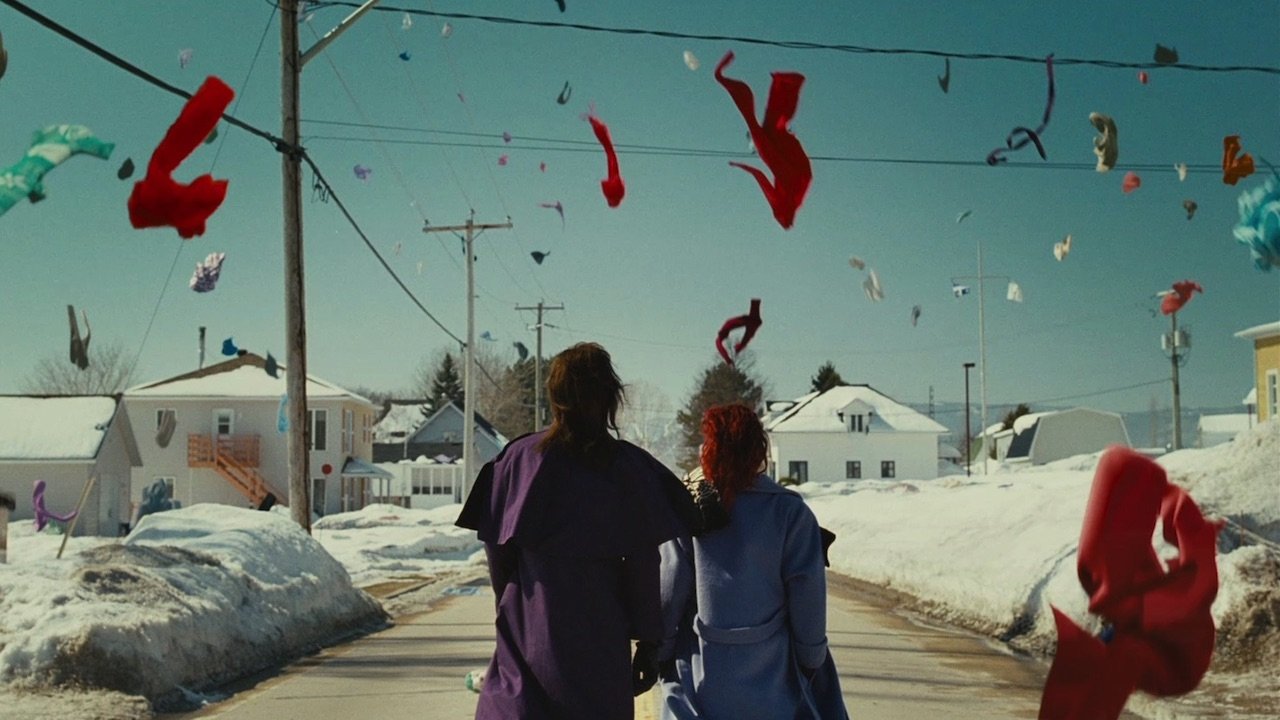
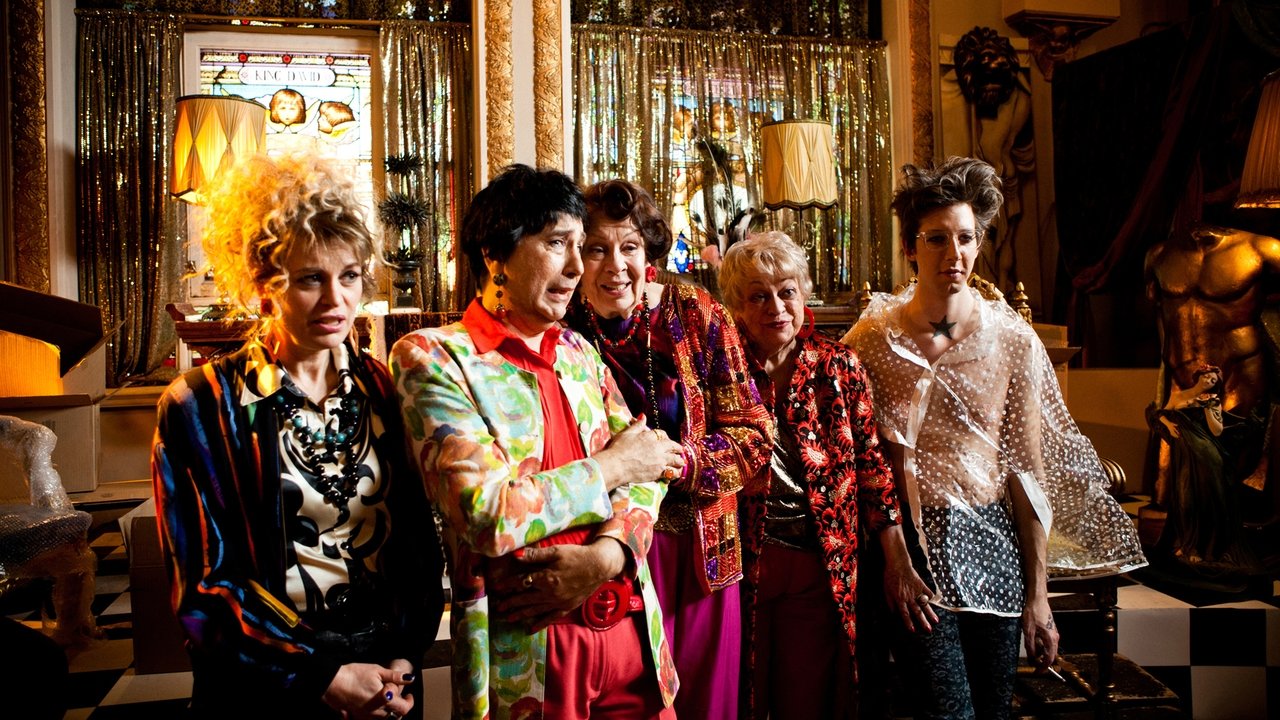
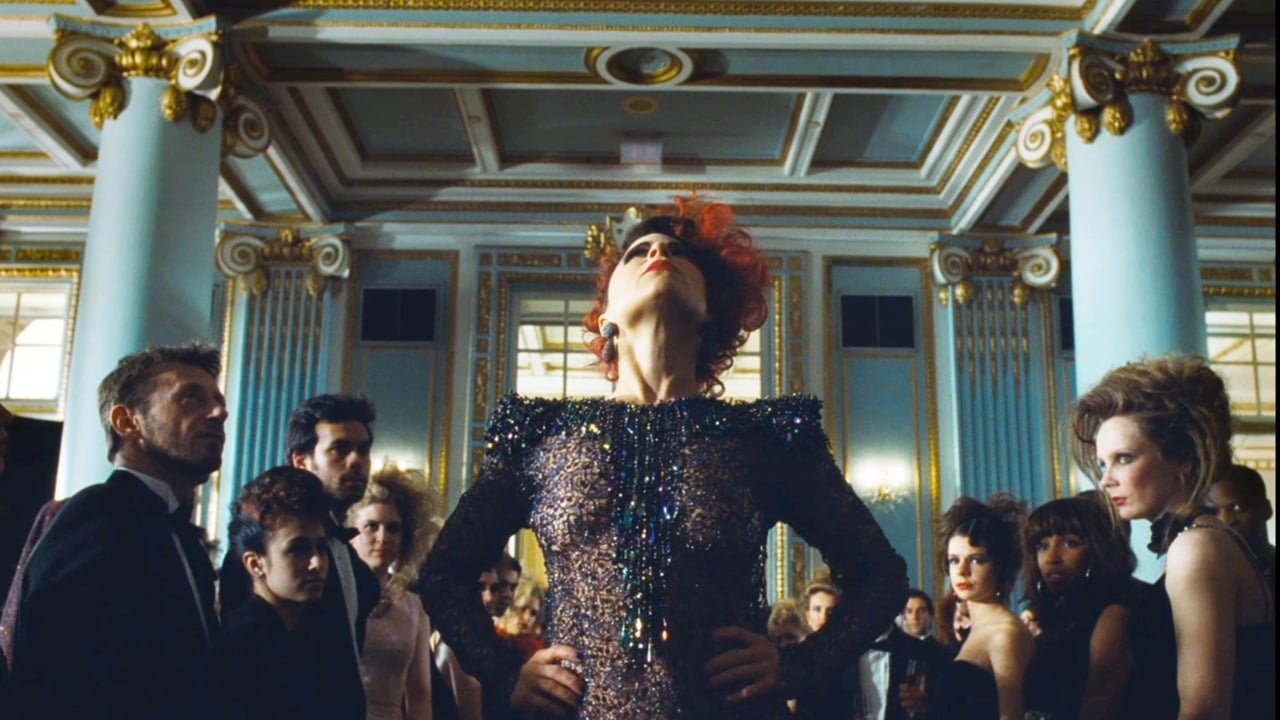
The film deals with heavy philosophical questions—Is love enough to bridge a fundamental change in personhood? Can we truly see the person we love, or do we only see our version of them?—but it never feels like a lecture. It feels like a fever dream. There are sequences, like a party where the guests are framed like Renaissance paintings or a literal rain of clothes in the middle of a street, that stick in your brain long after the credits roll.
Laurence Anyways is a masterpiece of "too much." It’s too long, too bright, and too emotional, which is exactly why it’s great. It’s the kind of movie that reminds you that cinema is supposed to be a grand gesture. If you’ve got a rainy afternoon and a willingness to let a movie sweep you off your feet, Laurence is waiting. Just make sure you have a box of tissues and maybe a grape soda nearby.
Stuff You Didn't Notice
The film’s wardrobe was so extensive that Xavier Dolan reportedly spent a significant portion of the budget just on vintage finds to ensure the "evolution" of the decade felt tactile. Also, if the soundtrack feels like a core memory, it's because it jumps from Depeche Mode to Duran Duran with a curated precision that helped define the "Dolan-esque" style of using pop music as a narrative engine.

Keep Exploring...
-

Heartbeats
2010
-
Mommy
2014
-
I Killed My Mother
2009
-

My Name Is Khan
2010
-
Amour
2012
-
It's Only the End of the World
2016
-
The Way He Looks
2014
-
Talk to Her
2002
-
Mr. Nobody
2009
-

Three Colors: Red
1994
-
A Dog's Will
2000
-
Millennium Actress
2002
-
Atonement
2007
-
The Reader
2008
-
The Wrestler
2008
-

Flipped
2010
-
Moonrise Kingdom
2012
-
About Time
2013
-
Across the Universe
2007
-
Becoming Jane
2007