Les Misérables
"Unfiltered voices, extreme close-ups, and revolutionary tears."
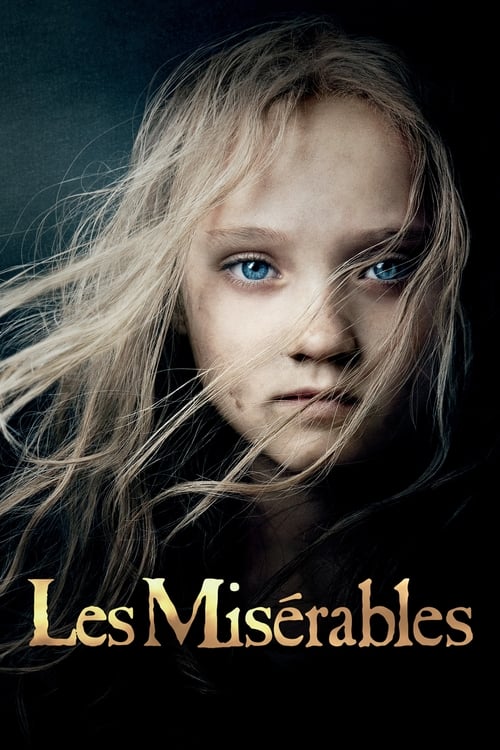
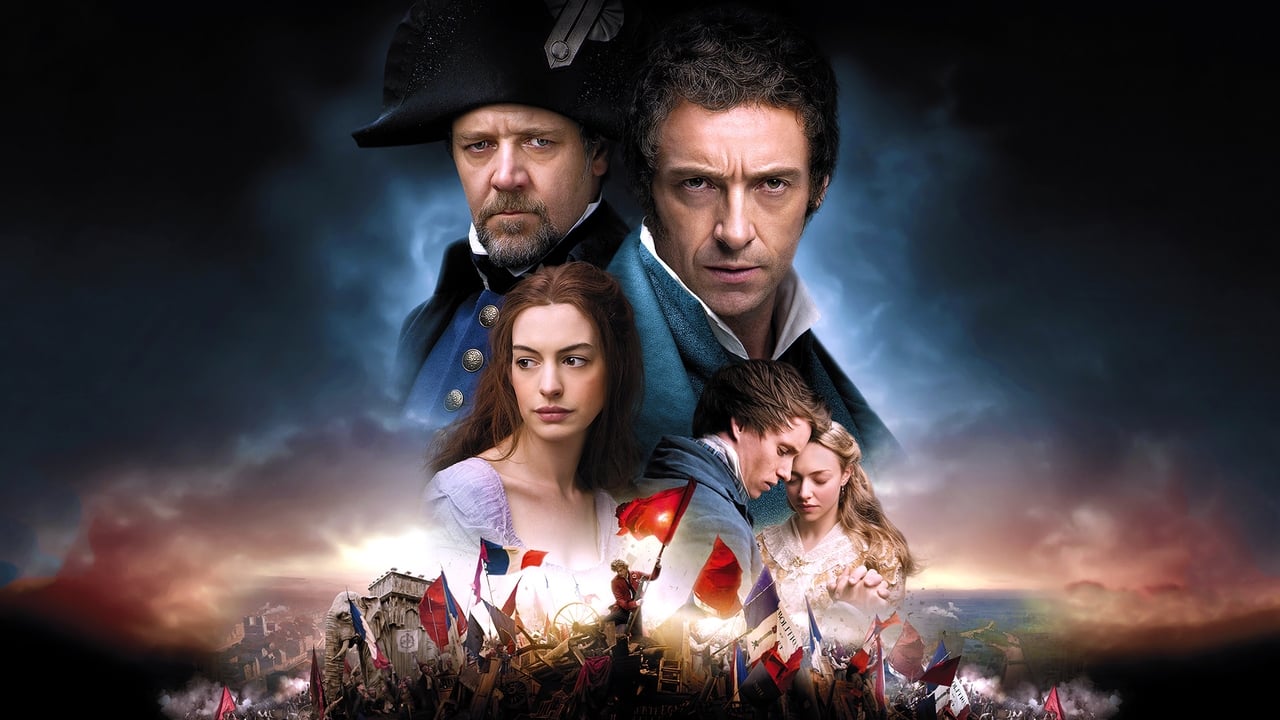
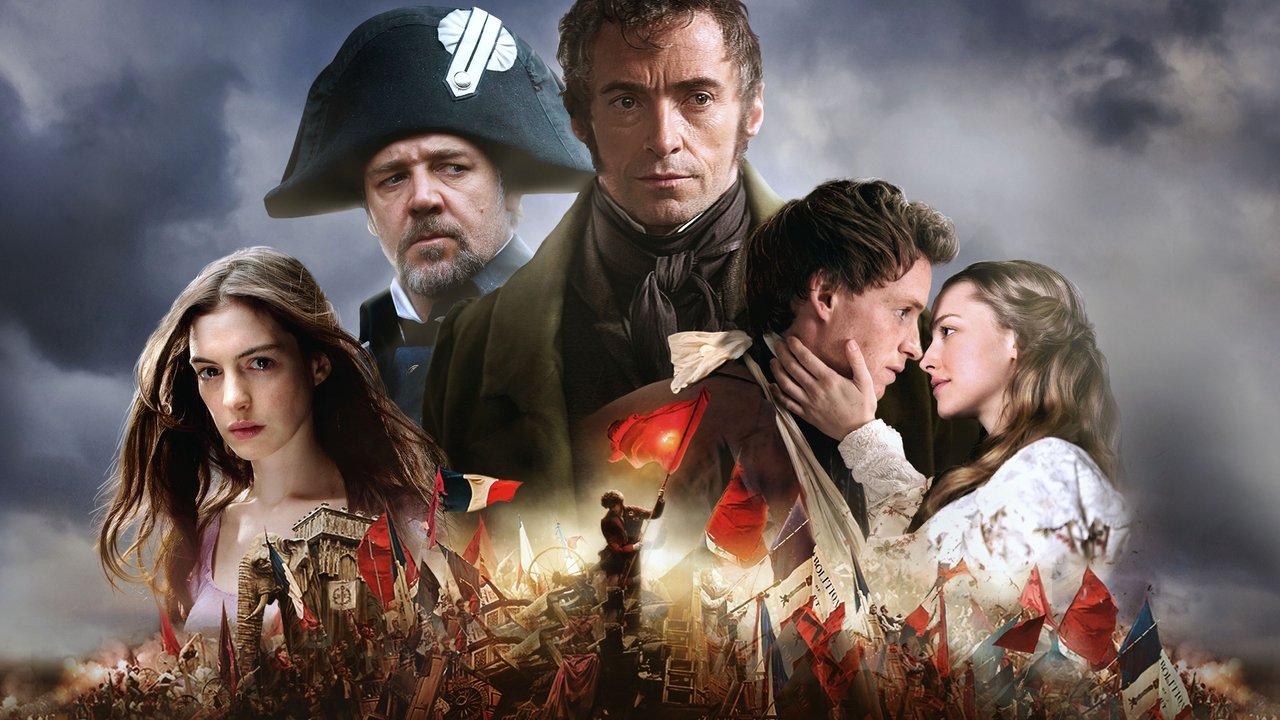
If you ever wanted to know exactly what the inside of Anne Hathaway’s throat looks like while she’s weeping, Tom Hooper’s 2012 adaptation of Les Misérables is the cinematic colonoscopy you’ve been waiting for. It begins not with a melody, but with the groaning of wood and the rhythmic splashing of a massive ship being hauled into a dry dock. It’s grand, it’s muddy, and it’s unapologetically loud. Looking back at it now, from an era where most blockbusters are polished to a sterile, CGI sheen, there is something stubbornly tactile about this movie that I find increasingly rare.
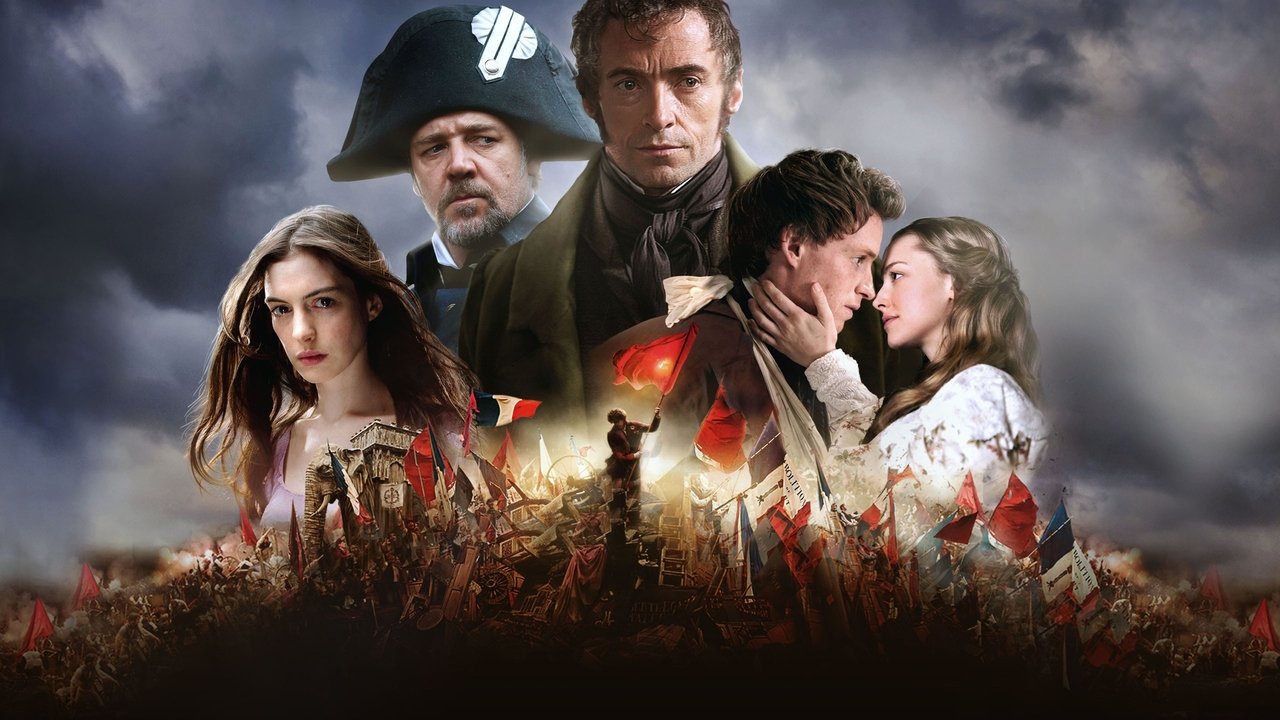
I watched this recently while wearing a pair of incredibly itchy wool socks, and honestly, the physical discomfort helped me lean into the 19th-century French gloom. It’s a film that wants you to feel the grit under your fingernails.
The Live-Singing Gamble
The defining characteristic of this Les Mis—the thing that dominated every DVD special feature and talk-show interview at the time—was the decision to record the singing live on set. In almost every other movie musical, actors spend weeks in a recording booth and then lip-sync on camera. Here, the cast wore hidden earpieces while a live pianist played in a trailer nearby.
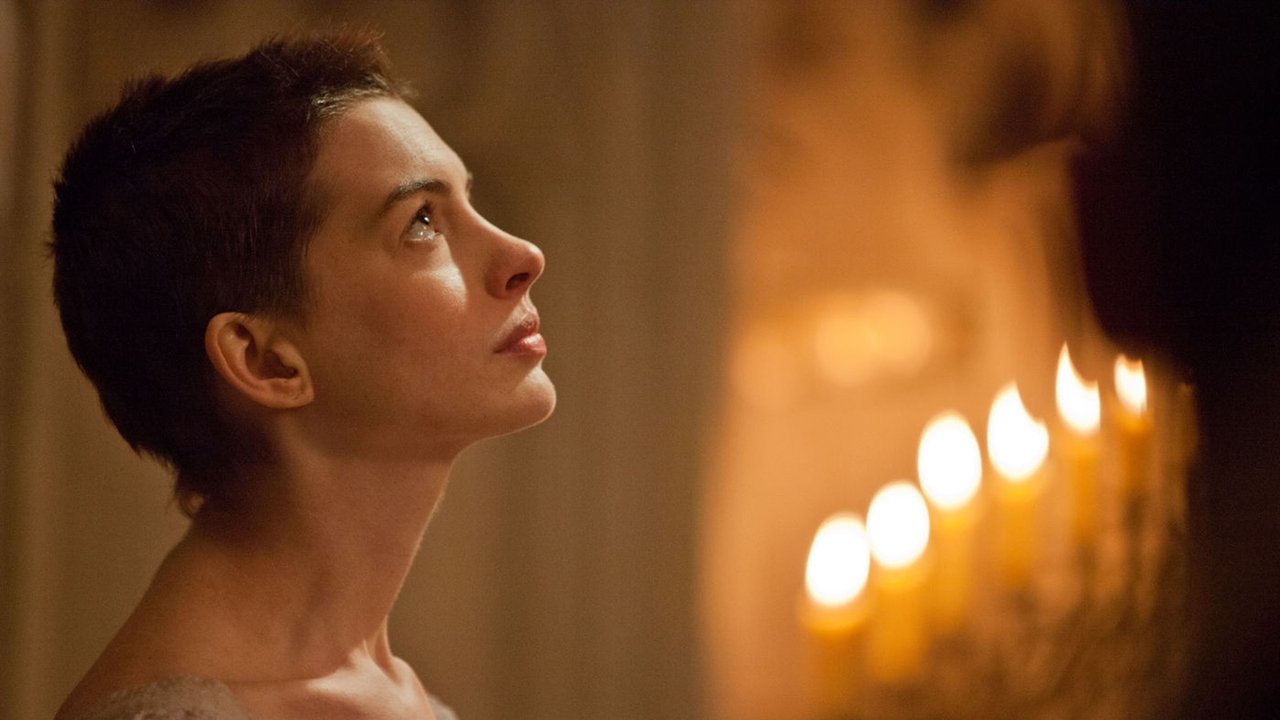
This choice changed the DNA of the performances. Because they weren't locked into a pre-recorded track, actors like Hugh Jackman could speed up or slow down based on their emotional state. It’s why Anne Hathaway’s rendition of "I Dreamed a Dream" remains the film’s gravitational center. She isn't just singing; she’s falling apart in real-time. By the time she hits those final notes, she looks like she’s been dragged through a hedge backwards by a tractor, and that rawness earned her an Oscar. It’s a far cry from the "perfect" studio vocals we usually get, and while it’s occasionally pitchy, I’ll take that emotional honesty over Auto-Tune any day.
The Face-to-Face Aesthetic
Director Tom Hooper made a stylistic choice that still divides fans today: the extreme close-up. He parks the camera roughly three inches from the actors' noses and stays there for entire songs. On a big screen, it’s a lot to take in. You see every pore, every tear duct, and every stray hair.
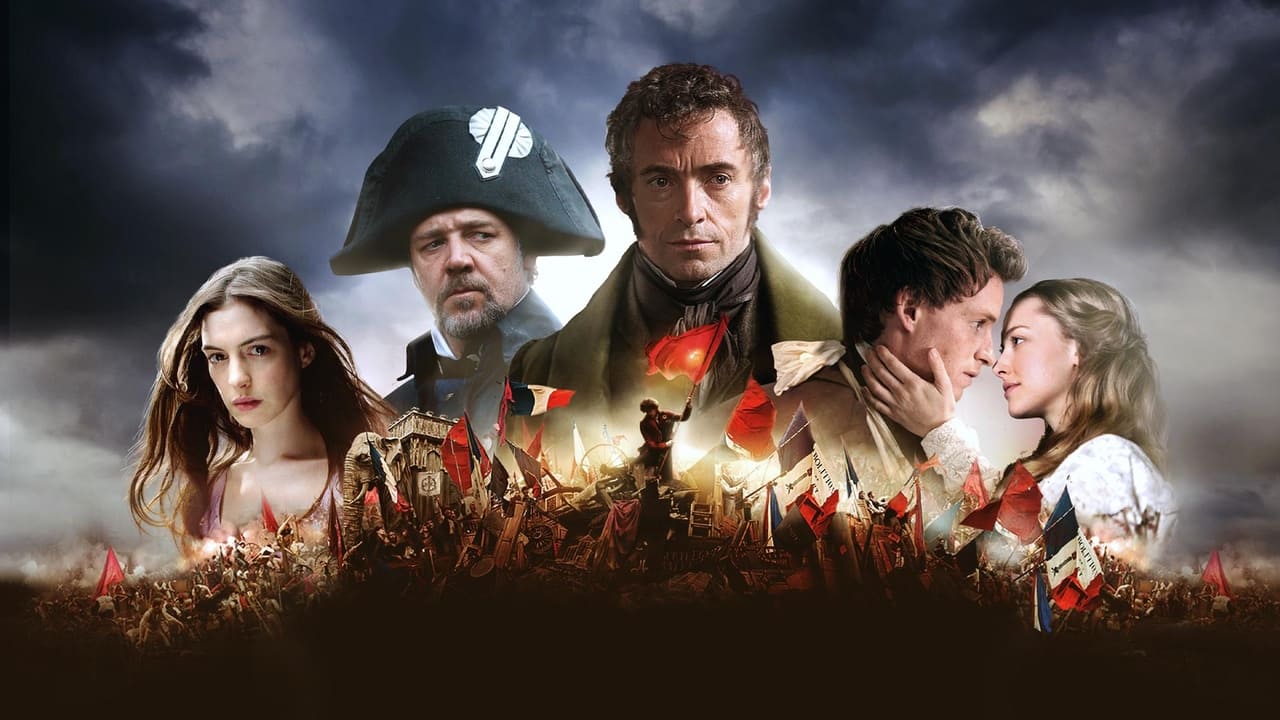
In a drama about the internal struggle of a man like Jean Valjean, this intimacy works. Hugh Jackman carries the weight of the world in his brow, and his physical transformation from the emaciated prisoner of the opening to the dignified mayor is genuinely impressive. Apparently, Jackman went on a 36-hour water fast to achieve that sunken-eyed look for the chain gang scenes—a level of commitment that makes my own gym routine look like a nap.
However, the close-ups can feel claustrophobic during the more "musical theater" moments. When Sacha Baron Cohen and Helena Bonham Carter show up as the Thénardiers for "Master of the House," the film tries to pivot to broad, Vaudevillian comedy. Their performances are fun, but the tight framing feels like trying to perform a circus act inside a telephone booth. It’s a weird tonal clash, but their grimy, pick-pocketing energy provides a necessary break from the relentless sobbing of the student revolutionaries.
The Javert Paradox
We have to talk about Russell Crowe. As the relentless Inspector Javert, Crowe brings a wonderful physical presence—he looks like a man carved out of granite. But when he opens his mouth to sing, the granite starts to crack.
There’s no getting around it: Russell Crowe sings like a man trying to explain his tax returns through the medium of soft rock. It’s thin, it’s nasal, and compared to the Broadway-trained pipes of Hugh Jackman or the youthful clarity of Eddie Redmayne (who is surprisingly great as Marius), it stands out for the wrong reasons. Yet, in retrospect, I don’t hate it as much as I used to. There’s a strange, stiff dignity to his singing that actually fits Javert’s rigid, rule-following personality. He isn’t a man of passion; he’s a man of the law. His "Stars" might not win a Grammy, but it feels like a character choice, even if it was a forced one.
A Blockbuster of Pure Emotion
Les Misérables was a massive gamble that paid off spectacularly. With a budget of $61 million—modest for an epic but high for a musical—it went on to gross over $442 million worldwide. It proved that audiences in the early 2010s were still hungry for earnest, high-stakes drama that wasn't wearing a cape.
It captures a specific moment in cinema's transition where we were starting to see the limits of digital effects and began craving something "real." The sets are massive, the crowds are dense, and the stakes feel genuinely life-and-death during the June Rebellion sequences. Amanda Seyfried brings a necessary sweetness as Cosette, acting as the light at the end of a very dark tunnel, and her chemistry with Eddie Redmayne gives the second half its heartbeat.
Looking back, the film’s flaws—the dizzying camera work and the uneven singing—are what make it memorable. It’s messy, loud, and deeply sentimental. It doesn't care if you think it's "too much." It wants to break your heart, and more often than not, it succeeds.
This is a film that demands your full attention and a box of tissues. While the "fish-eye" cinematography can be distracting and the pacing occasionally drags during the barricade scenes, the sheer power of the performances carries it through. It’s a bold, flawed, and beautiful piece of Modern Cinema that reminds us why we go to the movies: to feel something big, even if we have to look at Russell Crowe's singing face to get there.
Keep Exploring...
-
The King's Speech
2010
-

Elizabeth: The Golden Age
2007
-
Lincoln
2012
-

Red Cliff
2008
-

The Impossible
2012
-
Saving Mr. Banks
2013
-
Apollo 13
1995
-
The Iron Lady
2011
-

The Wind Rises
2013
-
Sweeney Todd: The Demon Barber of Fleet Street
2007
-
JFK
1991
-
Apocalypto
2006
-

Charlie Wilson's War
2007
-
Agora
2009
-
Invictus
2009
-
Public Enemies
2009
-
Real Steel
2011
-
Everest
2015
-

Hero
2002
-
The Queen
2006