Life of Pi
"Which story would you rather believe?"
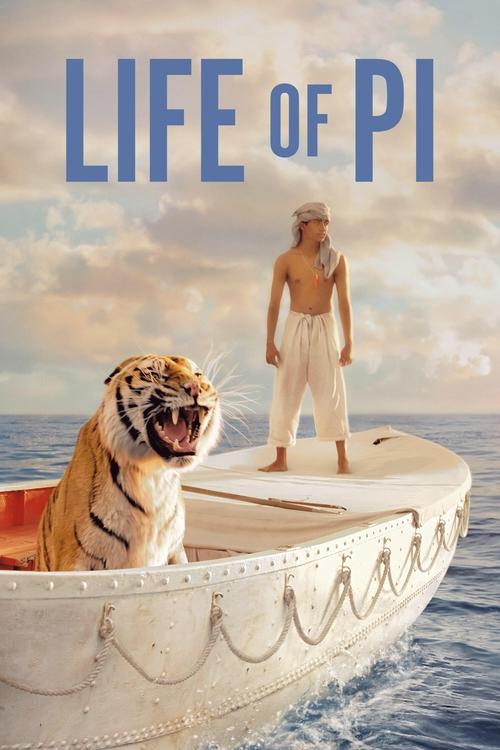
If you’d told me in 2011 that a movie about a kid, a boat, and a Bengal tiger would out-gross almost every major franchise film of its year, I would have assumed you’d spent too much time huffing the popcorn butter. But Ang Lee has a weird habit of doing the impossible. Before Life of Pi, the consensus was that Yann Martel’s Booker Prize-winning novel was "unfilmable"—a high-concept philosophical trap that would either be too expensive to make or too boring to watch.

Instead, Lee delivered a $600 million juggernaut that proved, for a brief moment in the early 2010s, that audiences actually craved high-art spectacles. I remember watching this on a Tuesday afternoon in a theater that smelled faintly of industrial-strength floor cleaner, nursing a slightly stale bag of Haribo gummy bears. I nearly choked on a gummy pineapple when the flying fish sequence hit the screen; it’s one of the few times I’ve felt a film’s scale actually physically overwhelm me.
The CGI Tiger that Actually Breathed
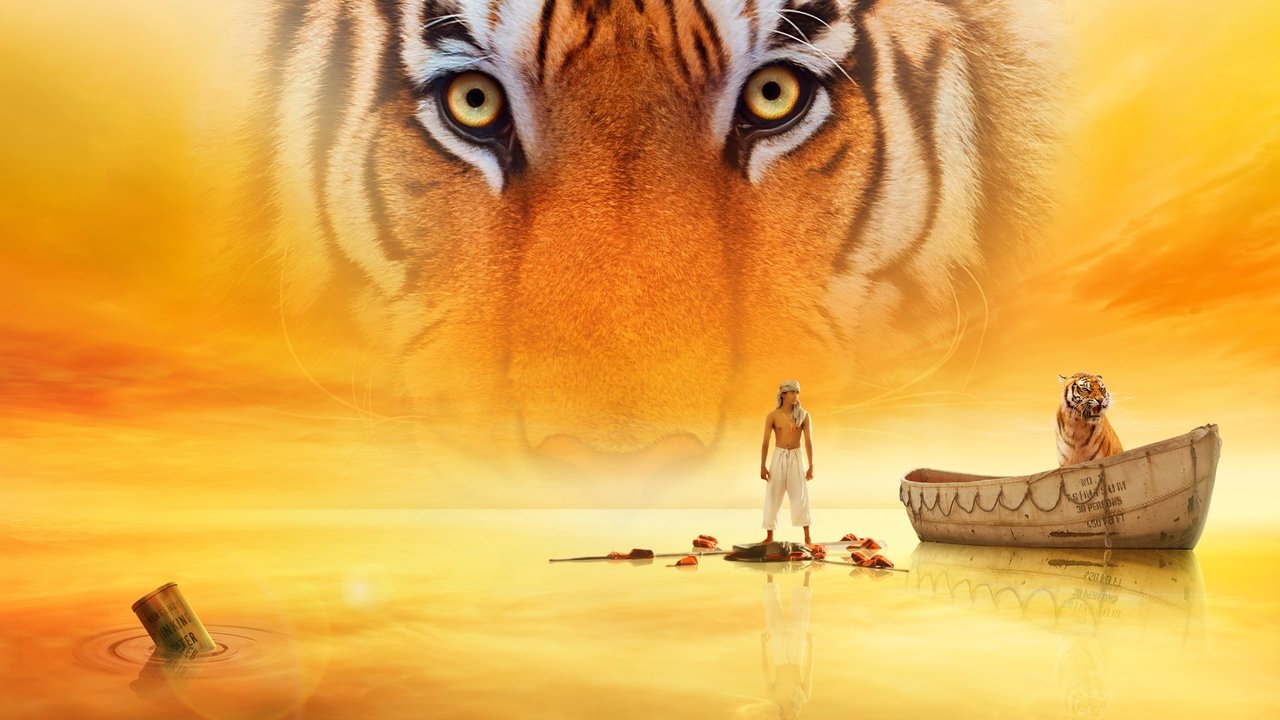
We have to talk about Richard Parker. In the early 2010s, we were right in the thick of the "uncanny valley" era of CGI. We’d seen Avatar change the game, but we’d also seen a lot of digital mud. Ang Lee and his effects team didn't just build a tiger; they built a performance. I’ll go ahead and say it: Richard Parker is a more compelling screen presence than half the actors currently working in the MCU.
The trick wasn't just the fur rendering (which was groundbreaking) but the restraint. The tiger doesn’t talk. He doesn’t have "human" eyes. He’s a terrifying, beautiful, 450-pound apex predator that would just as soon eat our protagonist as look at him. Watching the relationship develop between the animal and Suraj Sharma—who, remarkably, was a 17-year-old with zero acting experience when he was cast—is the film's heartbeat. Sharma had to carry 90% of the runtime while staring at a blue stick or a tennis ball, and he manages to convey a harrowing physical transformation that feels painfully real.
A Masterclass in "Meaningful" 3D
Looking back from a decade away, Life of Pi represents the absolute peak of the post-Avatar 3D craze. For a few years there, every studio was slapping a 3D conversion on their blockbusters to hike up ticket prices, usually resulting in a murky, headache-inducing mess. But Ang Lee treated 3D as a narrative tool rather than a gimmick.
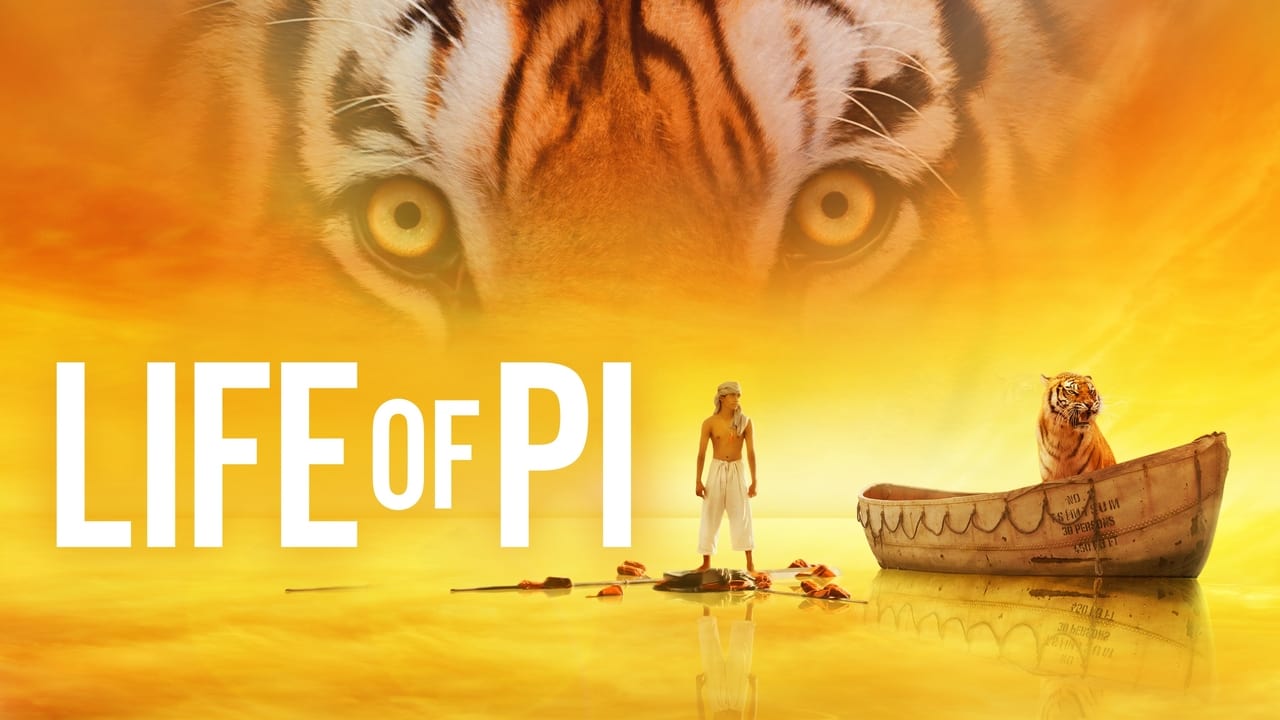
He uses the depth of field to emphasize the terrifying vastness of the Pacific and the claustrophobia of the lifeboat. There are shots where the water is so flat and reflective that the boat looks like it’s floating in the middle of a starfield. It’s visually decadent, but it serves the story's focus on the thin line between reality and spiritual hallucination. Claudio Miranda’s cinematography rightfully scooped an Oscar; it’s one of those rare films where you could pause at any random second and have a frame worth printing and hanging on your wall.
The Two Stories
While the middle hour is a survival adventure, the bookends are where the real "drama" lives. The framing device features an adult Pi, played with a soulful, weary warmth by Irrfan Khan, telling his story to a writer. This could have been a clunky way to handle the exposition, but Khan’s performance is so anchored in grief and wonder that it works.
The film’s "twist" ending—the revelation of a second, much darker version of the shipwreck—is what elevates this from a "boy and his tiger" tale into something more haunting. It asks the audience a direct question: When the truth is unbearable, which story do we tell ourselves to survive? Some critics at the time found the religious undertones a bit heavy-handed, but I’ve always found the film’s take on faith to be refreshingly messy. It’s not a sermon; it’s an acknowledgement that life is a shipwreck, and we’re all just trying to stay on the boat.
Stuff You Didn't Notice
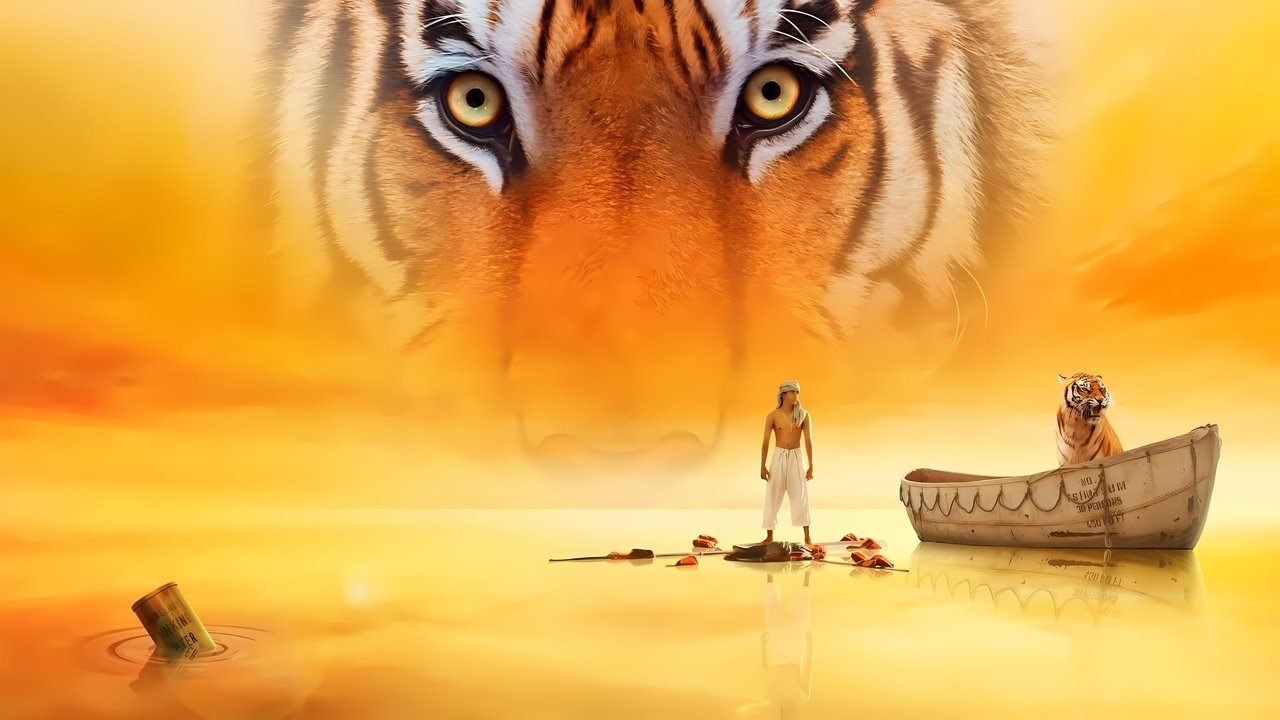
The production of Life of Pi was as much of an engineering feat as an artistic one. To film the ocean sequences, the crew built the world's largest self-generating wave tank in an abandoned airport in Taiwan. It held 1.7 million gallons of water and allowed Lee to simulate everything from a glassy calm to a Pacific storm.
Also, despite how real he looks, Richard Parker was almost entirely digital. Only about 24 shots in the film use a real tiger, mostly for reference. The effects team spent a year just studying the way a tiger’s skin folds over its muscles. That level of obsession paid off—the film didn't just win four Oscars; it fundamentally moved the needle for what digital creatures could achieve emotionally.
Life of Pi remains a staggering achievement of the "pre-franchise-fatigue" era. It’s a $120 million philosophical poem that somehow managed to become a global blockbuster. While the pacing in the first act can feel a bit like a geography lesson, once that ship goes down, you’re looking at one of the most immersive experiences in modern cinema. It’s a film that demands to be seen on the biggest screen possible, reminding us that CGI, when used by a poet like Ang Lee, can actually touch the soul.
Keep Exploring...
-

Crouching Tiger, Hidden Dragon
2000
-

Brokeback Mountain
2005
-

The Twilight Saga: Breaking Dawn - Part 2
2012
-

Sense and Sensibility
1995
-

Red Cliff
2008
-

The Karate Kid
2010
-
True Grit
2010
-
Twister
1996
-

The Horse Whisperer
1998
-
The Prince of Egypt
1998
-
Tarzan
1999
-

Cast Away
2000
-

The Darjeeling Limited
2007
-

Robin Hood: Prince of Thieves
1991
-
Forever Young
1992
-
Cool Runnings
1993
-

The Man in the Iron Mask
1998
-

Eight Below
2006
-
Bridge to Terabithia
2007
-
The Spiderwick Chronicles
2008