Lincoln
"A high-stakes gamble for the soul of a nation."
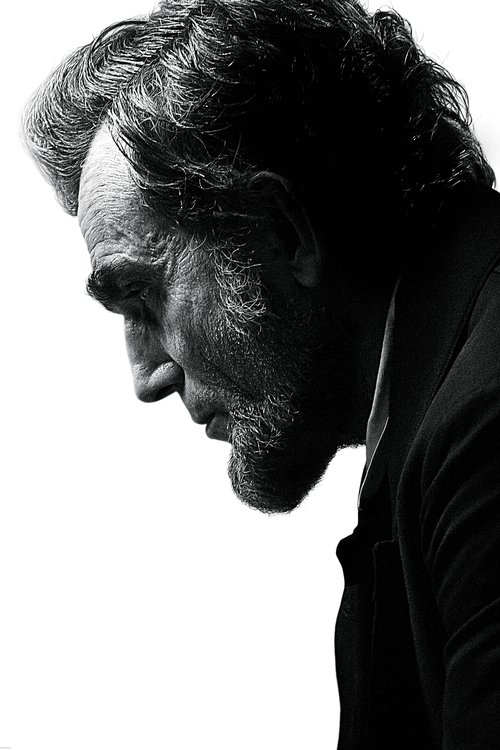
If you listen closely to the opening scenes of Lincoln, you aren’t hearing a generic Hollywood foley track. You are hearing the rhythmic, mechanical heartbeat of the actual gold pocket watch Abraham Lincoln carried in 1865, recorded by the sound team at the Library of Congress. It’s a tiny, obsessive detail, but it sets the stage for a film that chooses intimacy over the sweeping, widescreen mythology we usually associate with the 16th President.
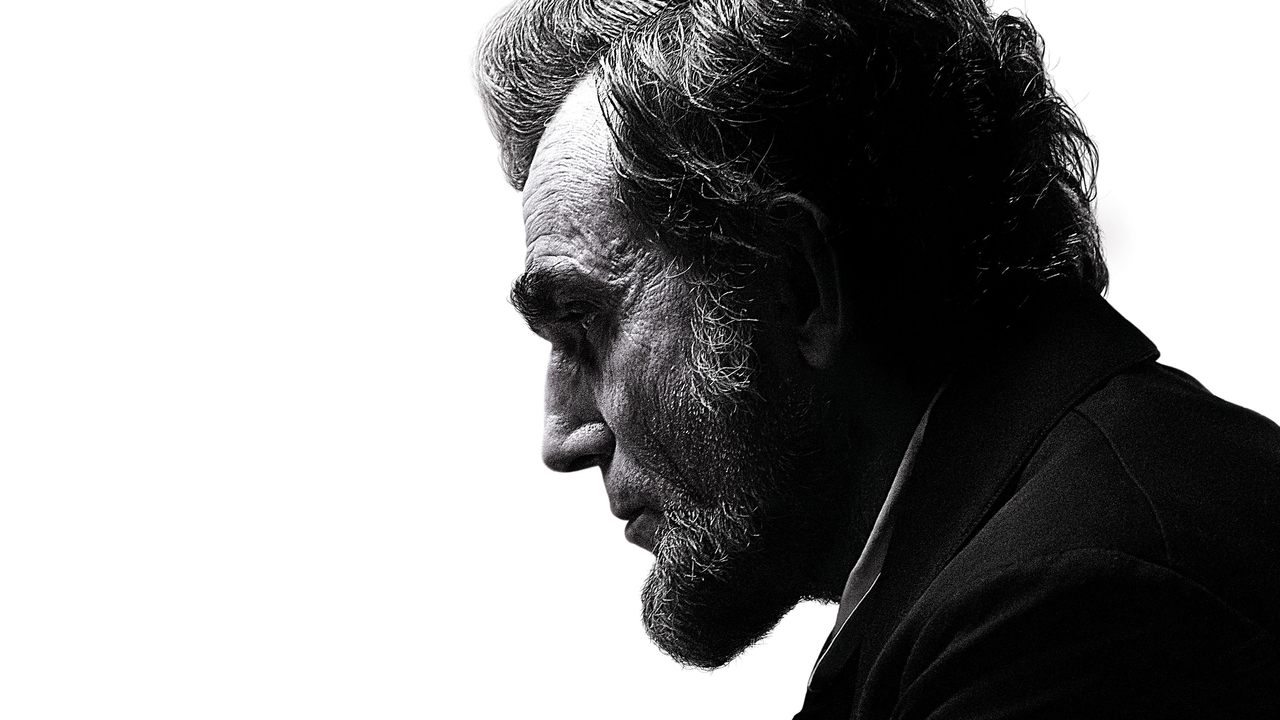
I’ll be honest, I usually find "Great Man" biopics to be a bit of a slog—three hours of prosthetic noses and actors shouting at the rafters to ensure they get their Oscar clip. But Steven Spielberg (the man who essentially invented the modern blockbuster with Jaws) does something unexpected here. He makes a movie about the American Civil War that is almost entirely about math, lobbying, and the messy, greasy gears of democracy. I watched this on a Tuesday night while eating a bowl of slightly burnt popcorn, and the char actually complemented the smoky, 1860s aesthetic of the film.
The Voice in the Shadows
The biggest shock in 2012 wasn't that Daniel Day-Lewis was good—we expected that—but that he was quiet. Instead of the booming, baritone "theatre voice" we’ve heard in a dozen school documentaries, he gives Lincoln a high, reedy, and weary tone. It’s a performance of posture; he sits like a man whose bones are made of lead, draped over chairs as if gravity is his personal enemy.
The story focuses on a very narrow window: January 1865. Lincoln is obsessed with passing the 13th Amendment to abolish slavery before the war ends, fearing that once peace is declared, the political will to free enslaved people will vanish. It turns the most sacred moment in American legislative history into a backroom brawl. Daniel Day-Lewis plays Lincoln not as a marble statue, but as a master storyteller who uses "folksy" anecdotes to distract his opponents while he’s metaphorically picking their pockets.
Apparently, the actor’s commitment was so intense that he requested everyone on set, including Steven Spielberg, call him "Mr. President." He even spent his downtime sending text messages in 19th-century dialect to Sally Field, who plays Mary Todd Lincoln. Sally Field herself had to fight for the role, eventually gaining 25 pounds to better reflect the physical reality of the First Lady. Their chemistry is heartbreaking; they play a couple bonded by shared grief and the crushing weight of public life, rather than just two people in fancy costumes.
The Art of the Dirty Deal
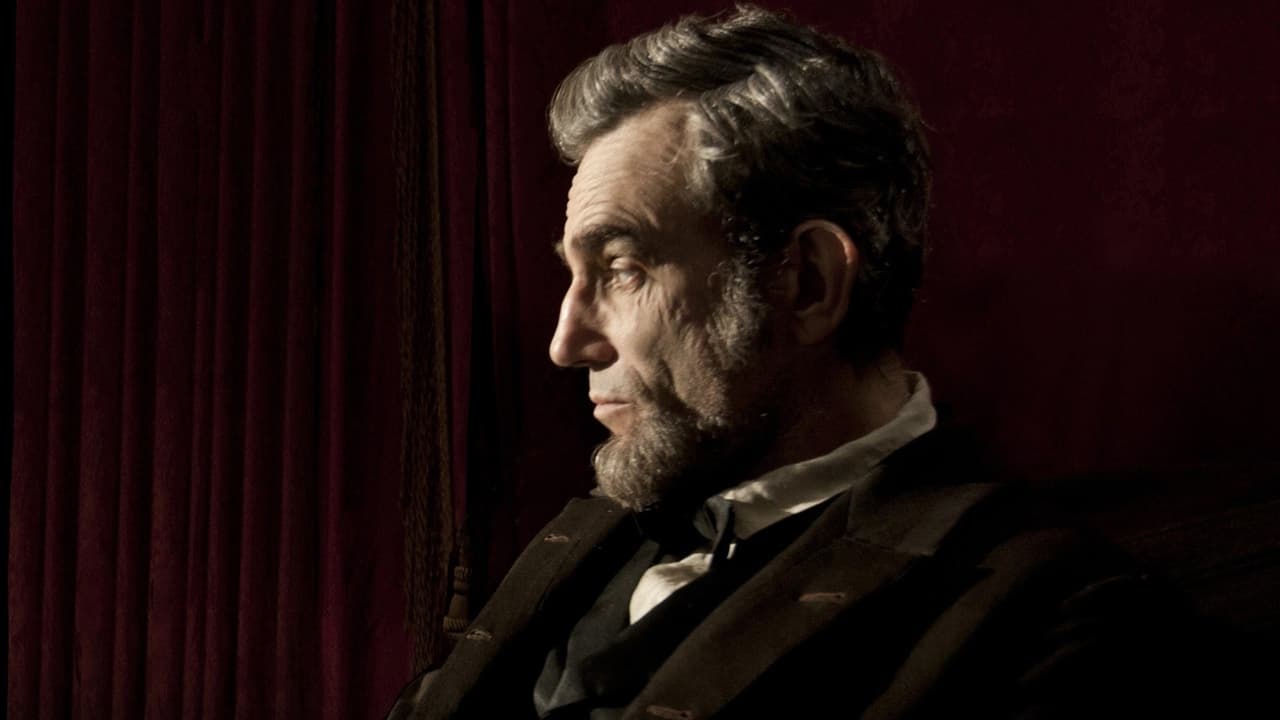
While the heavy lifting is done by the Lincolns, the movie’s secret weapon is the ensemble of political fixers. James Spader is an absolute delight as W.N. Bilbo, a colorful operative hired to "persuade" (read: bribe or charm) reluctant Democrats into voting for the amendment. James Spader’s Bilbo is essentially a time-traveling Red Reddington and I’m here for it. He brings a necessary levity to a film that could have easily felt like a three-hour history lecture.
Then there’s Tommy Lee Jones as Thaddeus Stevens. Jones was born to play a cantankerous, brilliant abolitionist with a secret heart of gold and a very obvious wig. His verbal sparring matches in the House of Representatives provide the film’s most "crowd-pleasing" moments. Looking back, this was one of the last great "talky" blockbusters. With a budget of $65 million, it went on to gross over $275 million worldwide. It proved that audiences in the early 2010s were still hungry for dense, intelligent dramas—provided the craft was this high.
The film also captures a specific transition in Steven Spielberg’s career. He moved away from the frantic energy of his earlier work toward a more "stately" style. Working with his longtime cinematographer Janusz Kamiński, he fills the rooms with shafts of "holy" light and enough dust motes to make you sneeze just watching it. Janusz Kamiński needs to turn down the 'holy light' filter just a smudge, but it does give the film the feeling of an old photograph coming to life.
A Legacy of Grime and Grace
What keeps Lincoln from feeling like a museum piece is the screenplay by Tony Kushner. He treats the dialogue like a contact sport. The film reminds me that "the good old days" of politics were actually way more corrupt and chaotic than we imagine. It’s a movie about the moral cost of doing the right thing. Lincoln has to lie, stall, and engage in some truly shady patronage to ensure the 13th Amendment passes, and the film doesn't shy away from that moral compromise.
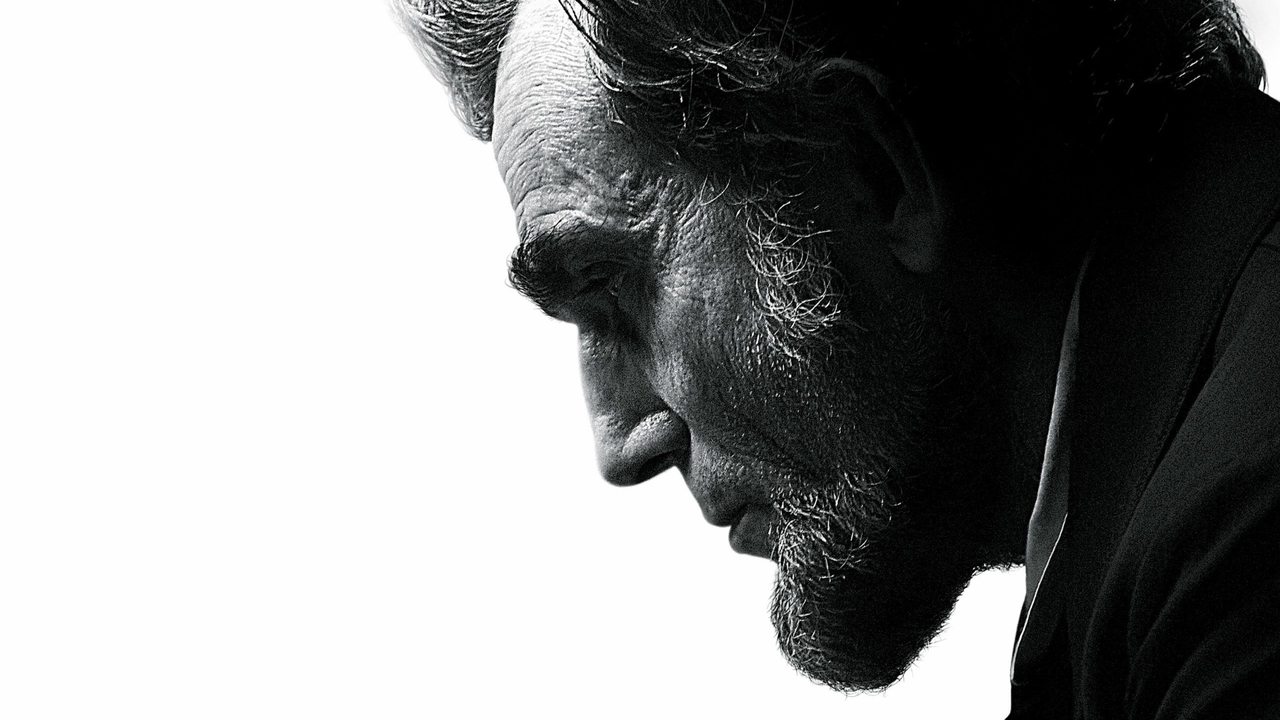
In the era of CGI-heavy spectacles, Lincoln stands as a testament to the power of a well-timed pause and a perfectly delivered monologue. It’s a film that earns its 149-minute runtime not through action, but through tension. You know how the vote ends—it’s in every history book—and yet, during the final tally in the House, I found myself holding my breath.
The production was a decade-long labor of love. Steven Spielberg actually waited twelve years to make it because he wanted to ensure the script was perfect and that Daniel Day-Lewis was finally ready to say yes. That patience shows in every frame. It’s a film that rewards your attention, demanding you follow the complex threads of 19th-century law while never losing sight of the human being at the center of the storm.
This isn't just a movie for history buffs; it's a gripping thriller about how the world actually changes. It’s a reminder that even our greatest icons were just people trying to figure it out in the dark. If you’ve been putting this one off because it looks "educational," do yourself a favor and dive in. The performances alone are worth the price of admission, and the Spader-led political shenanigans are the icing on the cake. It’s a grand, dusty, brilliant achievement that gets better every time I revisit it.


Keep Exploring...
-
Munich
2005
-
The Post
2017
-
Amistad
1997
-

The Terminal
2004
-
Les Misérables
2012
-
The Color Purple
1985
-
Saving Private Ryan
1998
-
Red Cliff
2008
-

War Horse
2011
-
The Impossible
2012
-
Saving Mr. Banks
2013
-
JFK
1991
-
Apollo 13
1995
-
A.I. Artificial Intelligence
2001
-
Schindler's List
1993
-
The King's Speech
2010
-
The Iron Lady
2011
-

The Wind Rises
2013
-
Apocalypto
2006
-

Charlie Wilson's War
2007