Lockout
"One man. Half a joke. No way out."
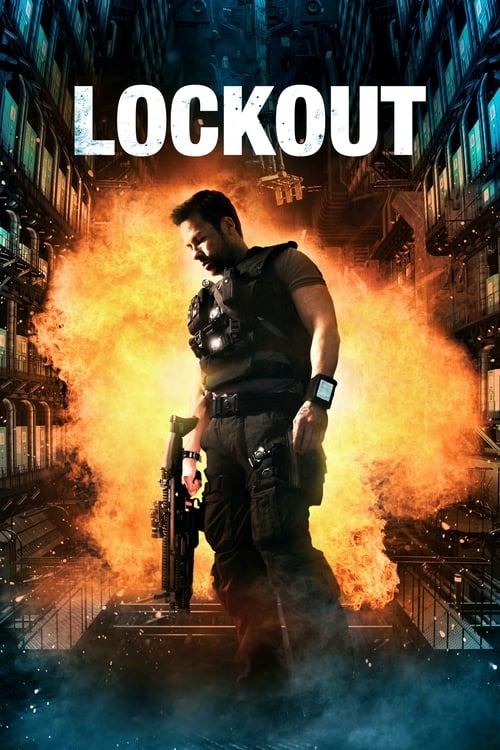
In 2012, we were caught in a strange cinematic transition. The gritty, self-serious "Nolan-ization" of action was in full swing, yet the Marvel quip-machine was just beginning to find its rhythm. Tucked away in the corner of this shifting landscape was Lockout, a film that felt like it had been cryogenically frozen in 1997 and thawed out just in time to confuse a modern audience. It is a movie that shouldn’t exist as it does—a high-concept sci-fi prison break produced by Luc Besson that feels less like a polished blockbuster and more like a rowdy, cigarette-stained love letter to the era of the one-liner.
I watched this recently while drinking a glass of lukewarm ginger ale that had lost its fizz about twenty minutes prior, and honestly, that flat, slightly sweet sensation perfectly mirrored the experience of watching Lockout. It’s a movie that doesn’t quite pop, but you can’t help but enjoy the taste.
The Most Charming Jerk in Orbit
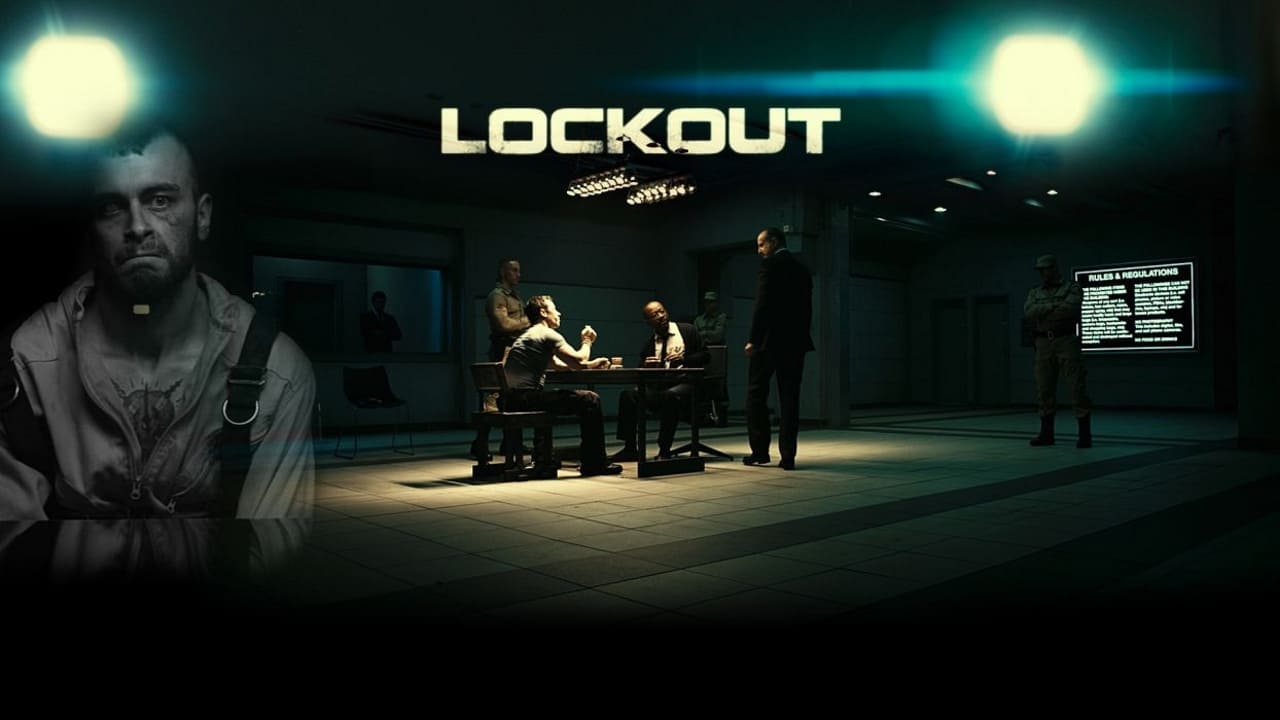
The main reason to visit MS One—the maximum-security space prison where the plot unfolds—is Guy Pearce. We usually see Pearce (Memento, L.A. Confidential) in roles that require intense, furrowed-brow acting, but here, he is clearly having the time of his life playing Snow. Snow is a falsely accused agent who is less a character and more a collection of sarcasm-delivery systems. He’s jacked, he’s covered in bruises, and he refuses to take anything seriously, even while being interrogated by a stone-faced Peter Stormare.
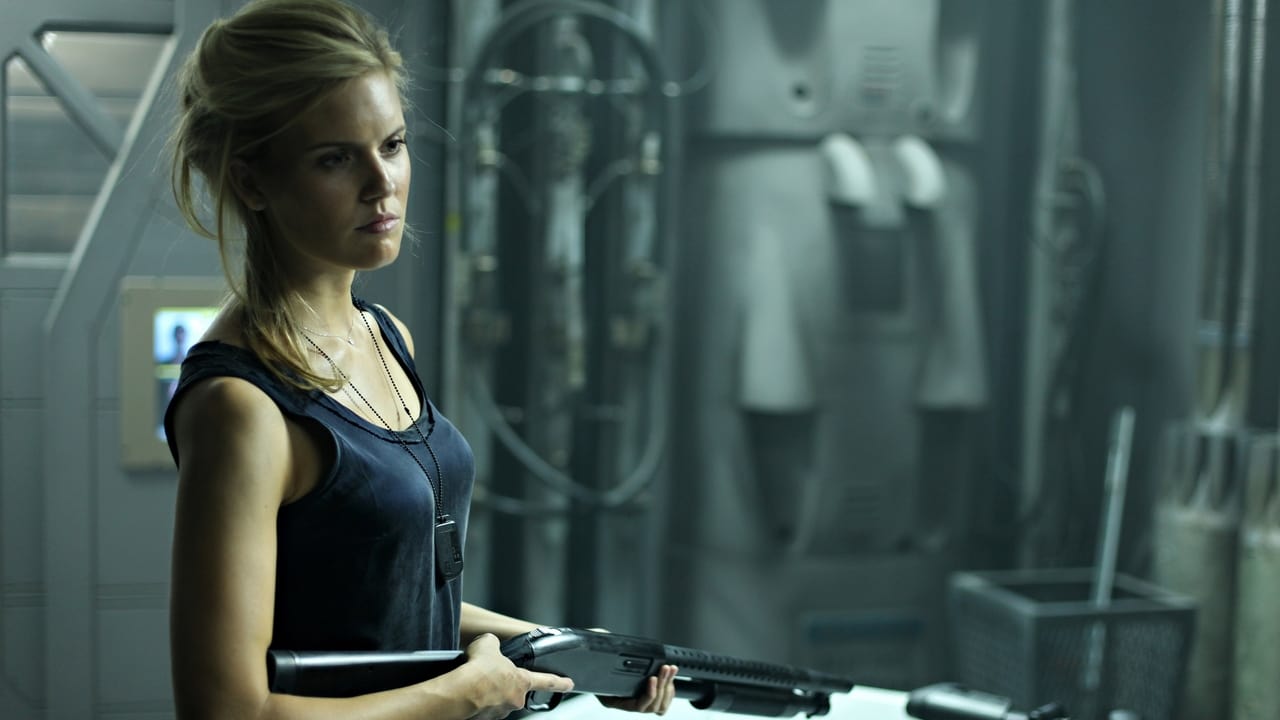
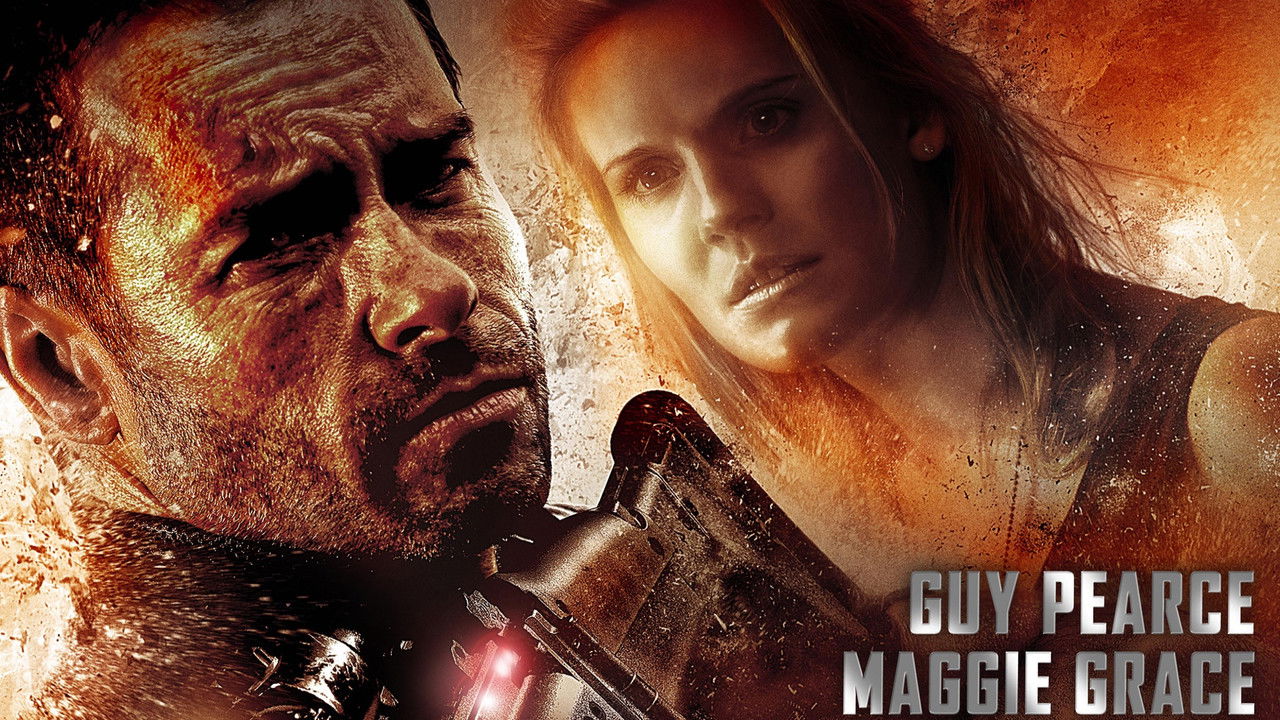
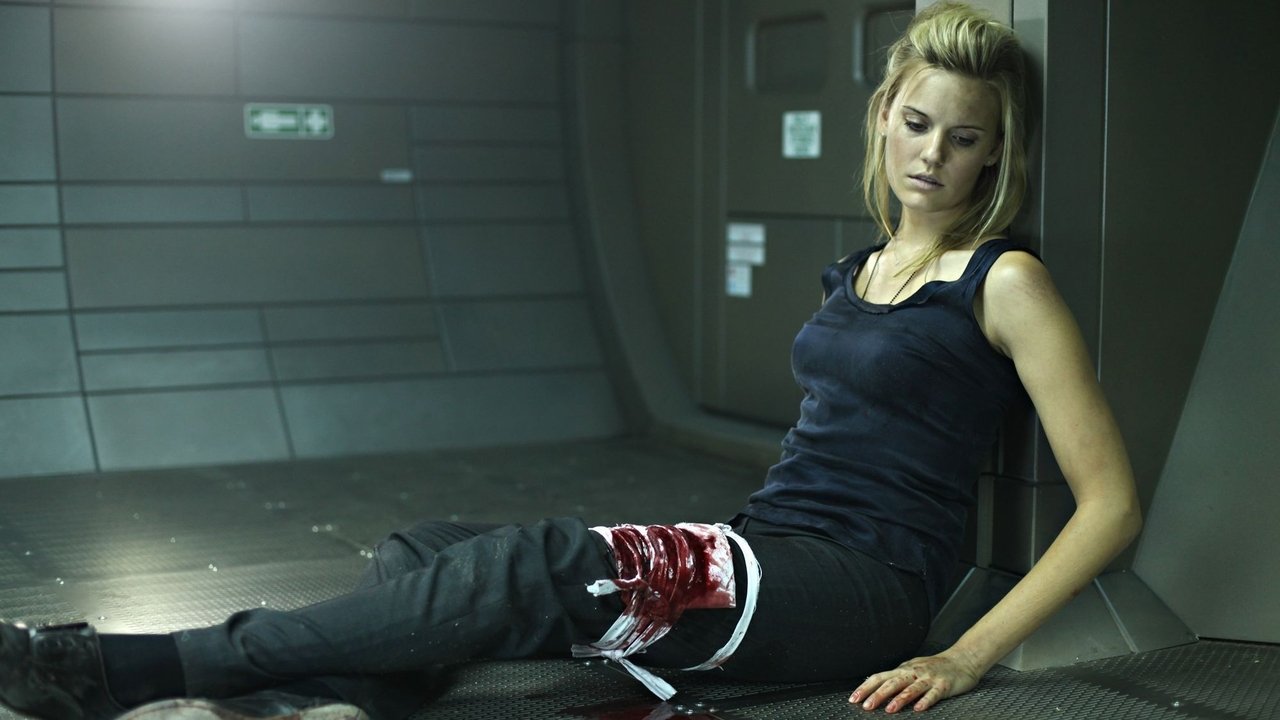
When Stormare's character, Langral, asks Snow how he’d like to be killed, Snow’s response is pure 90s gold: "I'd like to be an old man, lying in my warm bed, with a young girl by my side." It’s a performance that anchors the entire film. Without Pearce leaning into the absurdity, the movie would likely collapse under its own weight. He’s paired with Maggie Grace as Emilie Warnock, the President's daughter. While the "damsel in distress" trope was already feeling a bit dusty by 2012, Grace manages to hold her own, serving as the necessary straight-man to Pearce's relentless snark. Their chemistry works because it’s built on mutual annoyance, which is far more realistic for a space-prison riot than instant romance.
A Collision of Pixels and Practicality
Looking back at this era of modern cinema, the digital divide is stark. Lockout was made for a relatively modest $20 million, and in some scenes, that budget screams for help. There is an early motorcycle chase through a futuristic city that is, quite frankly, a disaster. To put it bluntly, the motorcycle chase looks like it was rendered on a microwave. It’s the kind of early-2010s CGI that has aged like milk in the sun, reminding us that during this period, if you didn’t have a James Cameron budget, your digital effects were a massive gamble.
However, once the action moves inside the prison, things get significantly better. The production design of MS One is claustrophobic and tactile. The film excels when it relies on practical sets and the chaotic energy of its villains. Vincent Regan plays Alex, the "sane" leader of the convicts, but it’s Joseph Gilgun as his brother, Hydell, who steals every scene he’s in. Joseph Gilgun acts like he’s trying to swallow the entire set whole, delivering a performance of such unhinged, twitchy mania that he makes the stakes feel genuinely dangerous. The contrast between the clean, sterile hallways of the prison and the grime-covered, howling inmates creates a tension that the shaky CGI couldn’t hope to achieve.
The Lawsuit That Defined a Legacy
Part of why Lockout has drifted into the "obscure" category is the legal drama that followed its release. If you watch the movie and think, "This feels exactly like Escape from New York," you aren’t alone. John Carpenter actually sued the filmmakers for plagiarism. The French courts eventually ruled in Carpenter's favor, agreeing that the similarities—a cynical anti-hero, a rescue mission of a political figure, a ticking clock—were too close for comfort.
It’s a fascinating bit of trivia because it frames Lockout not just as a movie, but as a piece of "fan-fiction" that got too big for its boots. It captured that post-9/11 cynicism but tried to wrap it in the colorful, frantic energy that Luc Besson’s EuropaCorp was known for. It was a bridge between the era of the singular action star and the era of the franchise. It didn’t spawn a sequel or a universe; it just existed for 95 minutes, cracked some jokes, and left.
Lockout is the definition of a "Saturday afternoon" movie. It isn't going to change your life, and it’s certainly not going to win any awards for visual effects, but it has a specific, stubborn charm. It’s a reminder of a time when an action movie could just be a lean, mean, 95-minute sprint through a ridiculous premise without needing to set up five spin-offs. If you can forgive the occasionally terrible CGI, Guy Pearce will more than make up for it with a performance that deserves to be remembered as one of the best "bad-attitude" heroes of the decade.
The film is currently a bit of a nomad on streaming services, often popping up on platforms like Netflix or Prime before vanishing again. It’s a survivor of a weird era of filmmaking, a bit of a legal outcast, and a total blast if you’re in the right frame of mind. Just make sure your ginger ale is cold.

Keep Exploring...
-
District B13
2004
-
Doomsday
2008
-

Death Race 2
2010
-
District 13: Ultimatum
2009
-
Carriers
2009
-
Race to Witch Mountain
2009
-
Darkman
1990
-
Lake Placid
1999
-
The One
2001
-
Taken 2
2012
-
Chain Reaction
1996
-
Escape from L.A.
1996
-
The Saint
1997
-
Volcano
1997
-
Star Trek: Insurrection
1998
-
Red Planet
2000
-

Final Fantasy: The Spirits Within
2001
-
Star Trek: Nemesis
2002
-

Paycheck
2003
-
Sky Captain and the World of Tomorrow
2004