LOL
"Status: Complicated. Privacy: Non-existent. Drama: Trending."
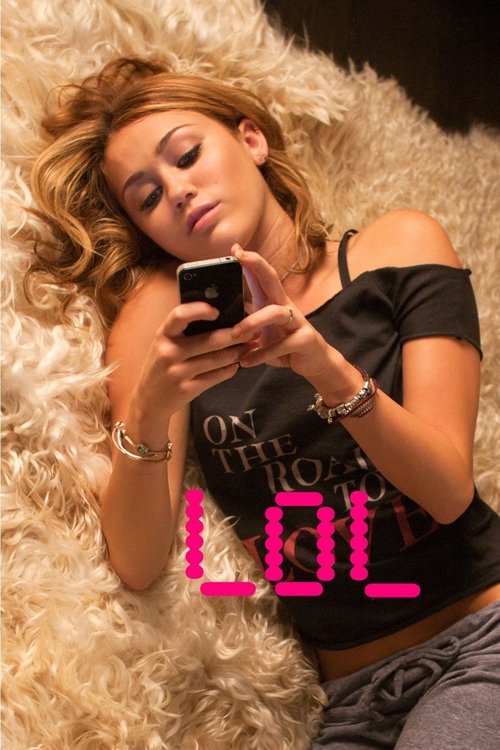
There is something inherently embarrassing about a film titled LOL in the year of our lord 2024, yet it perfectly encapsulates the "cringe-is-king" energy of the early 2010s. This was an era where we were still figuring out how to act on the internet, and Hollywood was even more confused. Released in 2012, this movie arrived right as Miley Cyrus was frantically trying to shed her Hannah Montana wig and prove she could handle "adult" themes—which, in this case, mostly involves smoking a pipe once and writing in a diary about boys.
I recently revisited this while eating a bowl of lukewarm mac and cheese in a room lit entirely by a "lava lamp" that hasn't actually flowed since 2015, and honestly, the atmosphere was a perfect match. LOL is a fascinator. It’s not a masterpiece, and at the time, critics treated it like a biohazard, but as a piece of digital archaeology, it’s surprisingly watchable. It captures that brief, weird window where Facebook was the center of the universe and "text speak" was considered a legitimate cinematic language.
The Digital Time Capsule
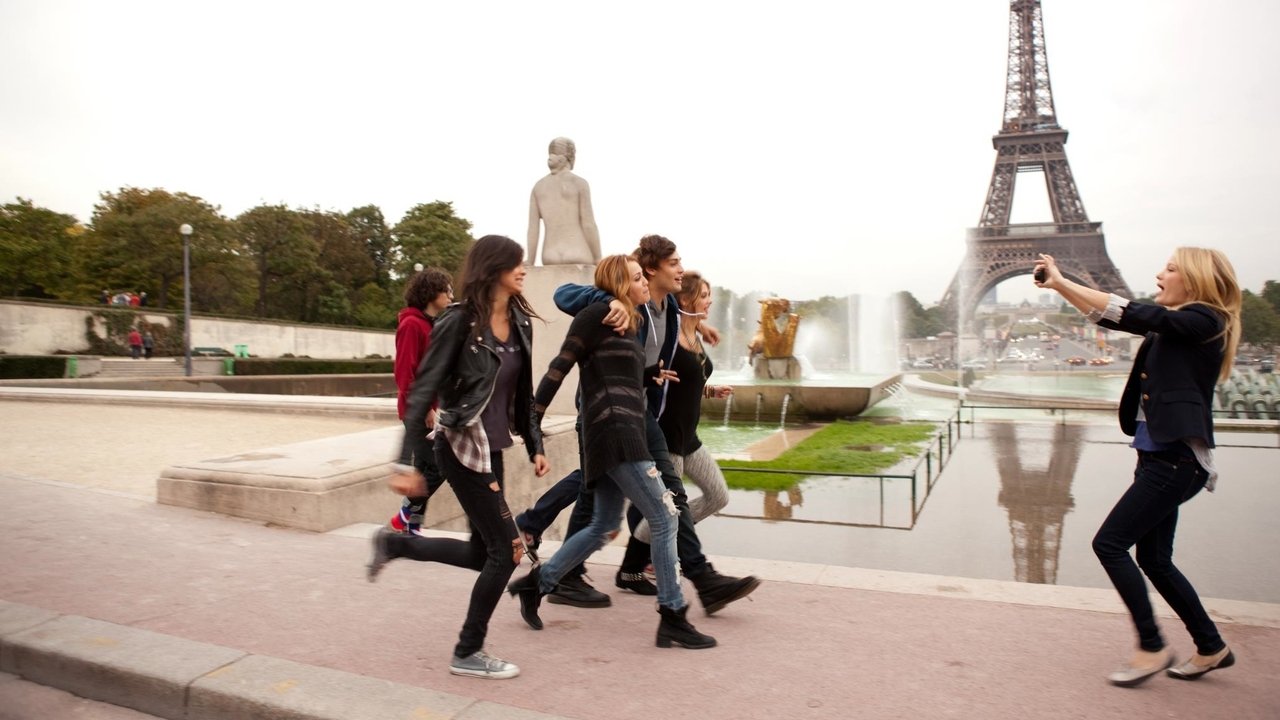
Directed by Lisa Azuelos—who was remaking her own 2008 French hit of the same name—the film follows Lola (Miley Cyrus), a high schooler navigating the treacherous waters of breakups, new flings with the resident "sensitive musician" Kyle (Douglas Booth, who looks like he was sculpted by a Renaissance master with a penchant for hair gel), and a rocky relationship with her mother, Anne.
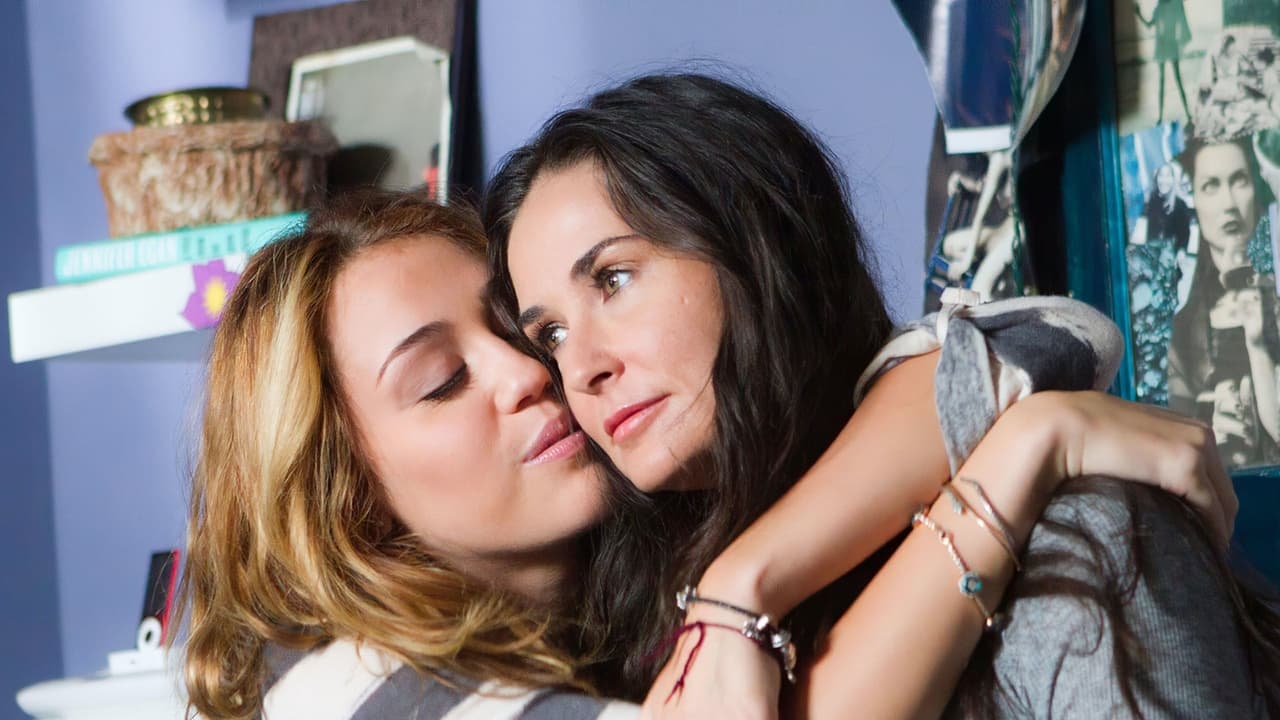
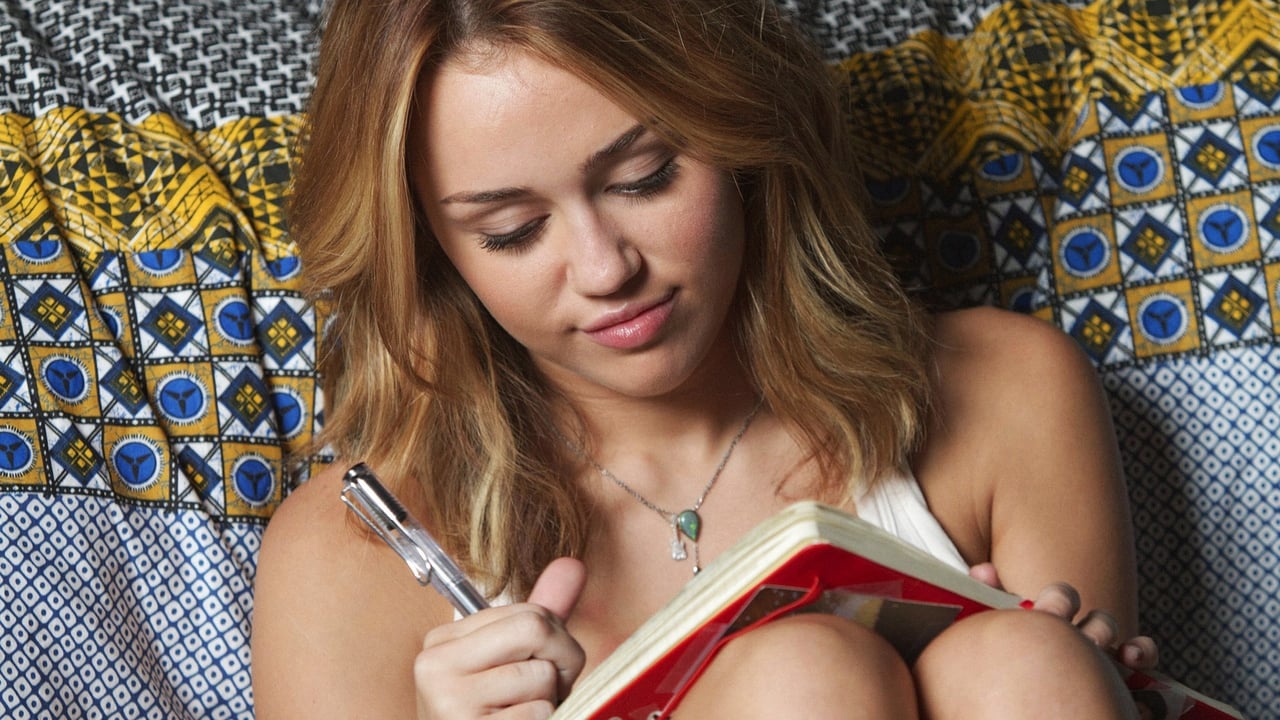
What strikes me now isn't the drama, but the technology. The film is obsessed with the mechanics of 2012 communication. We see constant overlays of text messages and Facebook status updates that look like they were designed on a first-generation iPad. It’s a cinematic time capsule of people who think 'racy' means wearing eyeliner to a funeral. Looking back, this was the dawn of our current "always-on" anxiety, but here it’s treated with a breezy, almost naive sincerity. There’s a scene where Demi Moore (playing the mom) reads Lola’s diary, and the "scandalous" revelations feel like something out of a Victorian novel compared to what’s on TikTok today.
Mother, Daughter, and the "Cool Dad"

The heart of the film is supposed to be the friction between Miley Cyrus and Demi Moore. While Moore brings a level of professional gravity to the role of the stressed-out divorcee, the script doesn’t give her much to do besides look concerned and occasionally flirt with her ex-husband, played by Thomas Jane (who I still maintain is one of our most underrated "gruff-but-charming" actors, forever solidified in my mind by his turn in The Punisher).
Miley Cyrus is... well, she’s Miley. She has that raspy, magnetic energy that made her a superstar, but you can feel her straining against the PG-13 leash. She wants to be edgy, but the movie wants her to be a relatably messy teen. The chemistry with Douglas Booth is actually quite sweet, even if their "indie" lifestyle involves the kind of curated grunge that only exists in movie versions of Chicago. They represent that post-9/11 teen angst that had largely traded politics for personal branding. It’s essentially a 97-minute music video for a song that never quite hits the chorus.
The Movie Hollywood Tried to Hide
One of the most interesting things about LOL isn't on the screen, but in the ledger. It was a legendary box office disaster, but not because audiences hated it—they just couldn't find it. Despite having one of the biggest pop stars on the planet at the helm, Lionsgate essentially "dumped" the film. It was released in only 111 theaters with virtually zero marketing. Apparently, the studio had shifted its focus entirely to The Hunger Games, leaving Lola and her diary to gather dust in the digital bargain bin.
Turns out, the film has a strange second life. It’s a favorite for "hate-watching" or nostalgic sleepovers. There are some fun bits of trivia for the eagle-eyed: Ashley Greene, riding high off the Twilight craze at the time, plays the "mean girl" rival, and Ashley Hinshaw plays the best friend. The film also features a very young Jean-Luc Bilodeau, who fans might recognize from the sitcom Baby Daddy.
The production was also something of a family affair; Miley’s mother, Tish Cyrus, served as a producer, ensuring her daughter’s transition from Disney to "serious actress" stayed within certain boundaries. It’s also worth noting that the soundtrack is actually pretty solid, featuring tracks from Cults and Grouplove, which really hammers home that 2012 "Urban Outfitters" aesthetic.
Ultimately, LOL is a relic of a transition era. It’s too polished to be a gritty teen drama and too awkward to be a classic rom-com. Yet, there’s a charm to its clumsiness. It’s a reminder of a time when the internet felt like a playground rather than a battlefield, and when a "status update" felt like the most important thing in the world. I wouldn't call it a good movie, but I would call it a necessary one for anyone trying to understand the DNA of early 2010s pop culture. It’s a lightweight, occasionally cringey, but undeniably earnest look at a world that feels a lot further away than twelve years.
Just don't expect it to actually make you laugh out loud.
Keep Exploring...
-
Camp Rock
2008
-
Hannah Montana: The Movie
2009
-
What to Expect When You're Expecting
2012
-
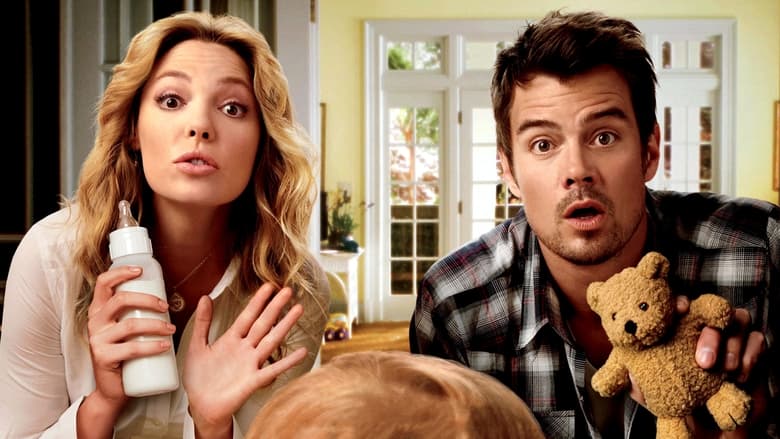
Life As We Know It
2010
-
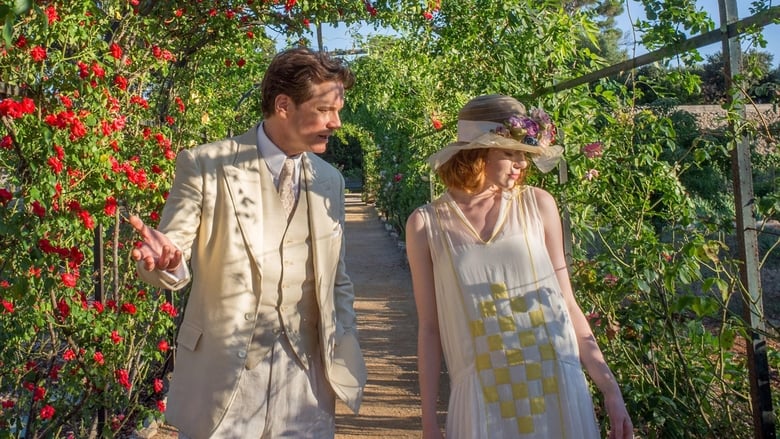
Magic in the Moonlight
2014
-
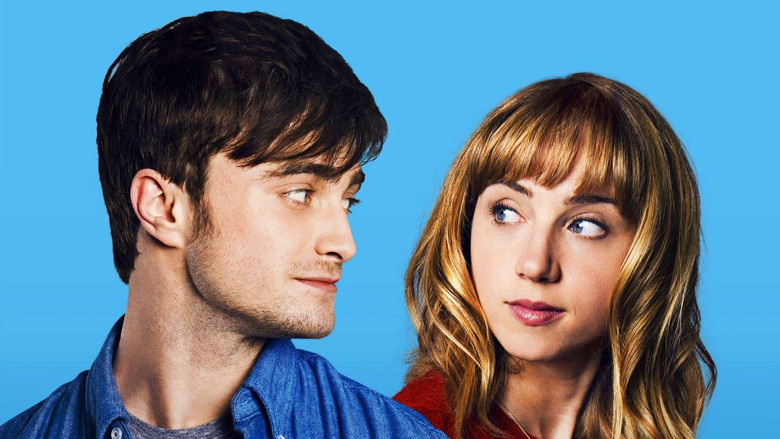
What If
2013
-
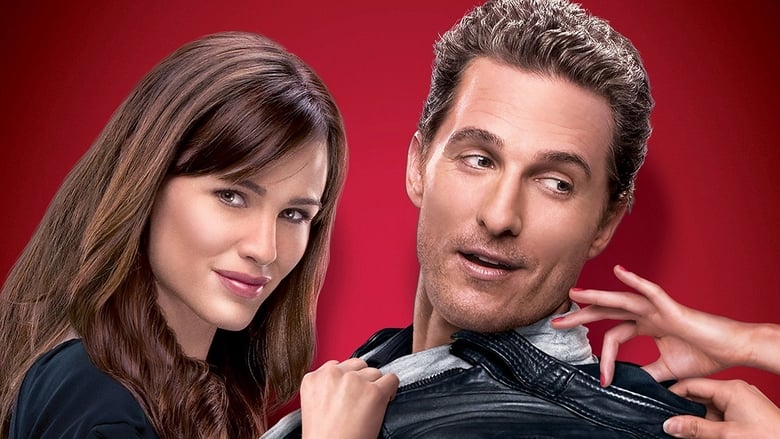
Ghosts of Girlfriends Past
2009
-

Leap Year
2010
-
Monte Carlo
2011
-
Never Been Kissed
1999
-
S1m0ne
2002
-
First Daughter
2004
-
Coyote Ugly
2000
-
Bedtime Stories
2008
-
Killers
2010
-
This Means War
2012
-

Aloha
2015
-
Just Like Heaven
2005
-
Nick and Norah's Infinite Playlist
2008
-
Love & Other Drugs
2010