Looper
"The hitman meets his match: himself."
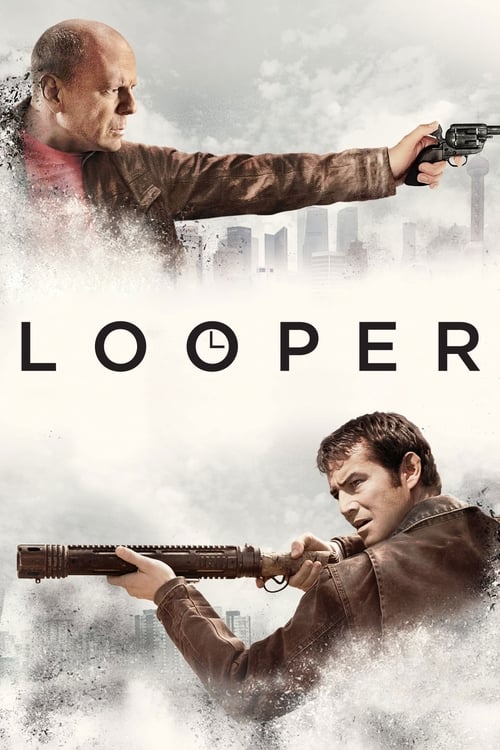
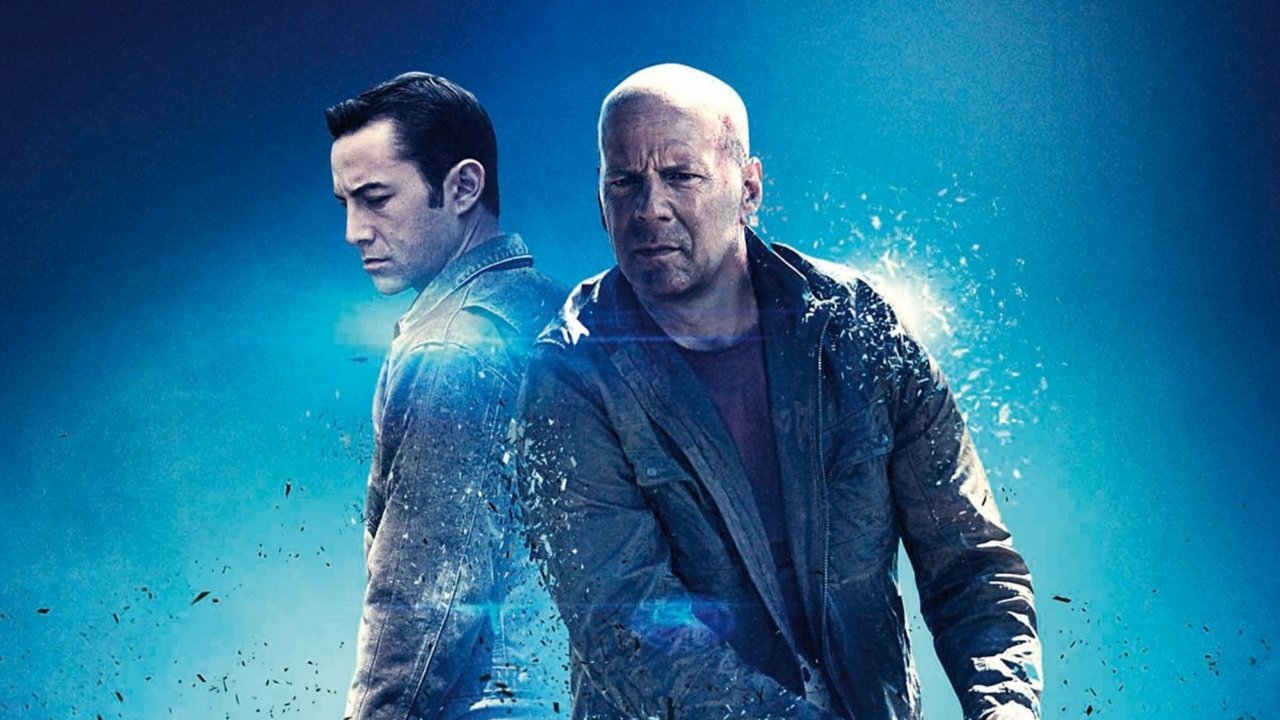
The first thing you notice about Looper isn’t the time-traveling assassins or the hovering "jet-bikes" that look like they were cobbled together in a high school shop class. It’s Joseph Gordon-Levitt’s nose. It’s slightly broader, his eyebrows are slanted differently, and he’s wearing contact lenses to match the steel-blue gaze of Bruce Willis. It is a bizarre, daring choice that could have easily derailed the movie into "uncanny valley" territory, but it serves as the perfect gateway into Rian Johnson’s gritty, low-rent future.
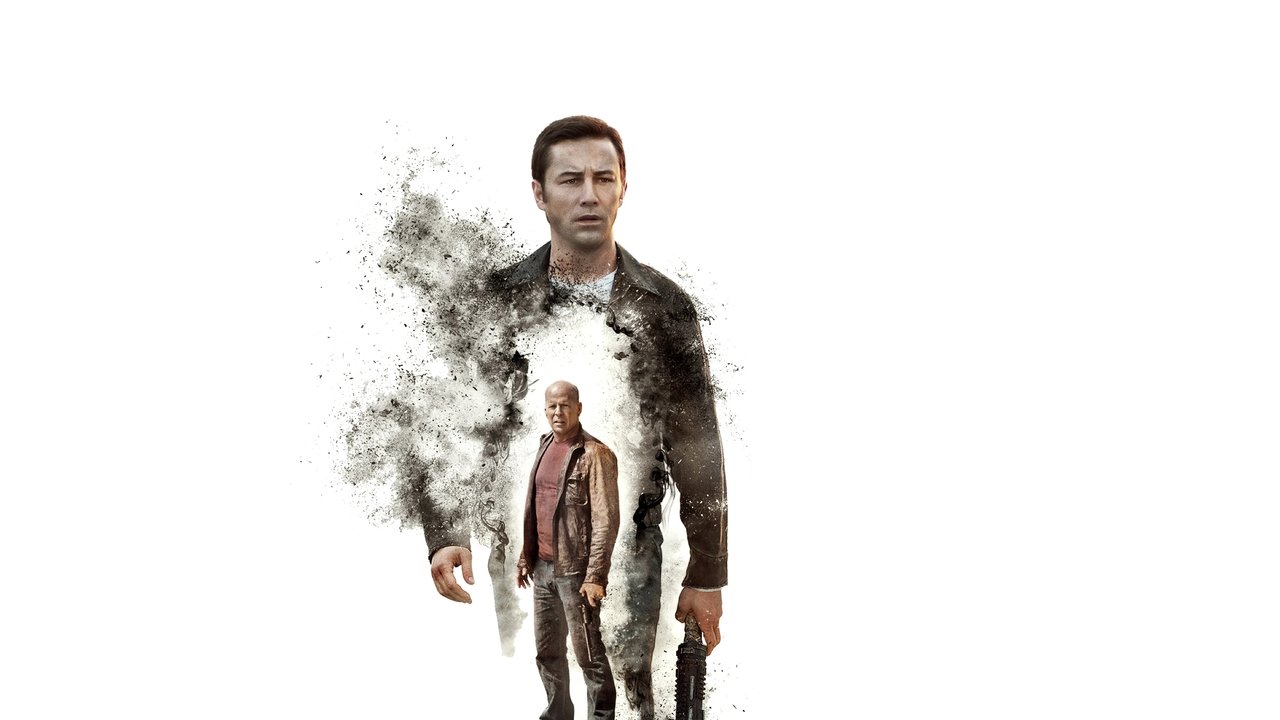
I watched this film for the third time last Tuesday while nursing a lukewarm cup of peppermint tea and dealing with a persistent hang-nail, and it struck me how well it bridges the gap between the "high-concept" thrillers of the early 2010s and the character-driven indie spirit Johnson brought from his debut, Brick. Released in 2012, Looper arrived at a specific crossroads in cinema. We were moving past the gritty realism of the post-9/11 Bourne era and entering the dawn of the interconnected superhero behemoths. Looper felt like a holdout—a self-contained, mid-budget sci-fi original that cared more about the "why" than the "how."
High Stakes and Blunderbusses
The world-building here is wonderfully tactile. In 2044, "loopers" are hitmen for a future mob that hasn't even been formed yet. Because tracking technology in 2074 makes disposing of bodies impossible, the mob sends their targets back in time to be executed and disposed of in the past. It’s a clean system until the looper’s "loop" is closed—meaning they have to kill their older self.
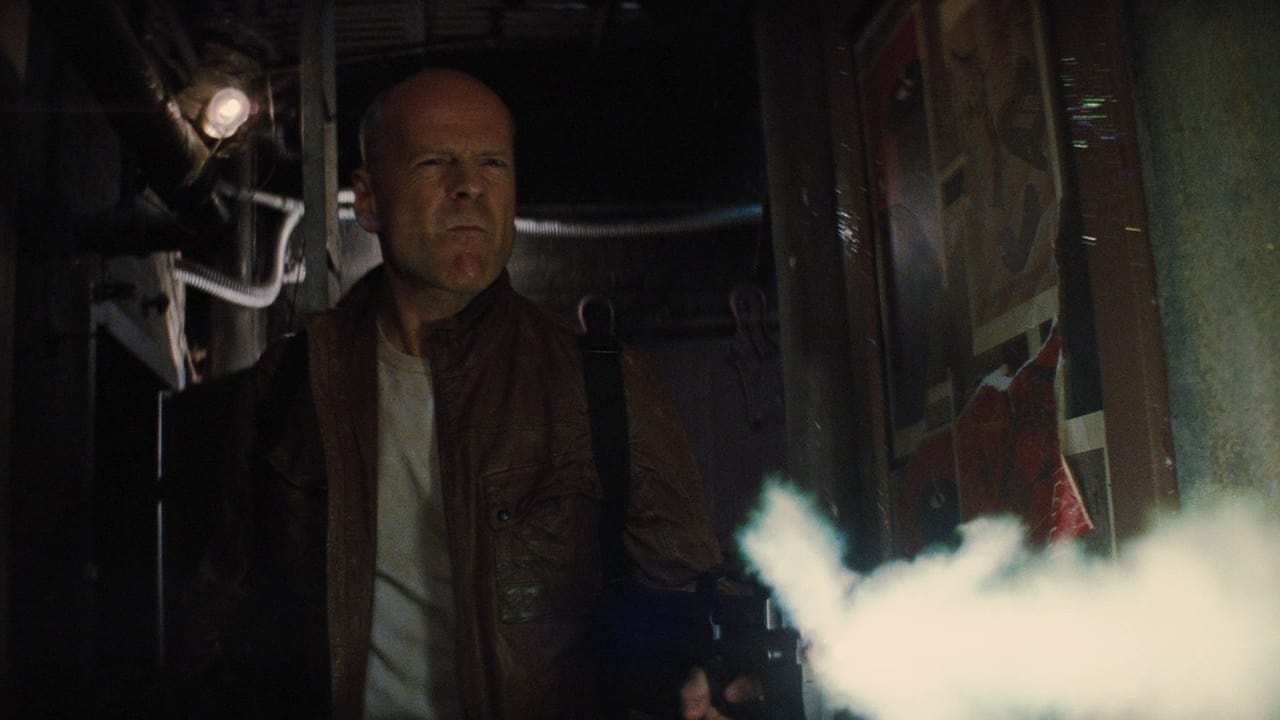
When Joseph Gordon-Levitt (Young Joe) hesitates to kill Bruce Willis (Old Joe), the film explodes into a chase that is less about high-tech gadgets and more about desperate, sweaty survival. The action choreography by Rian Johnson and his team avoids the "shaky cam" tropes that plagued the early 2000s. Instead, we get these punchy, rhythmic sequences. The "blunderbuss" shotguns the loopers use are intentionally clumsy; they’re short-range, messy, and loud. It gives the shootouts a physical weight that CGI-heavy spectacles often lack. Watching Bruce Willis go full "John McClane" with a pair of P90s in a hallway is arguably the actor’s last great hurray before he checked out of leading roles.
The Mid-Movie Pivot
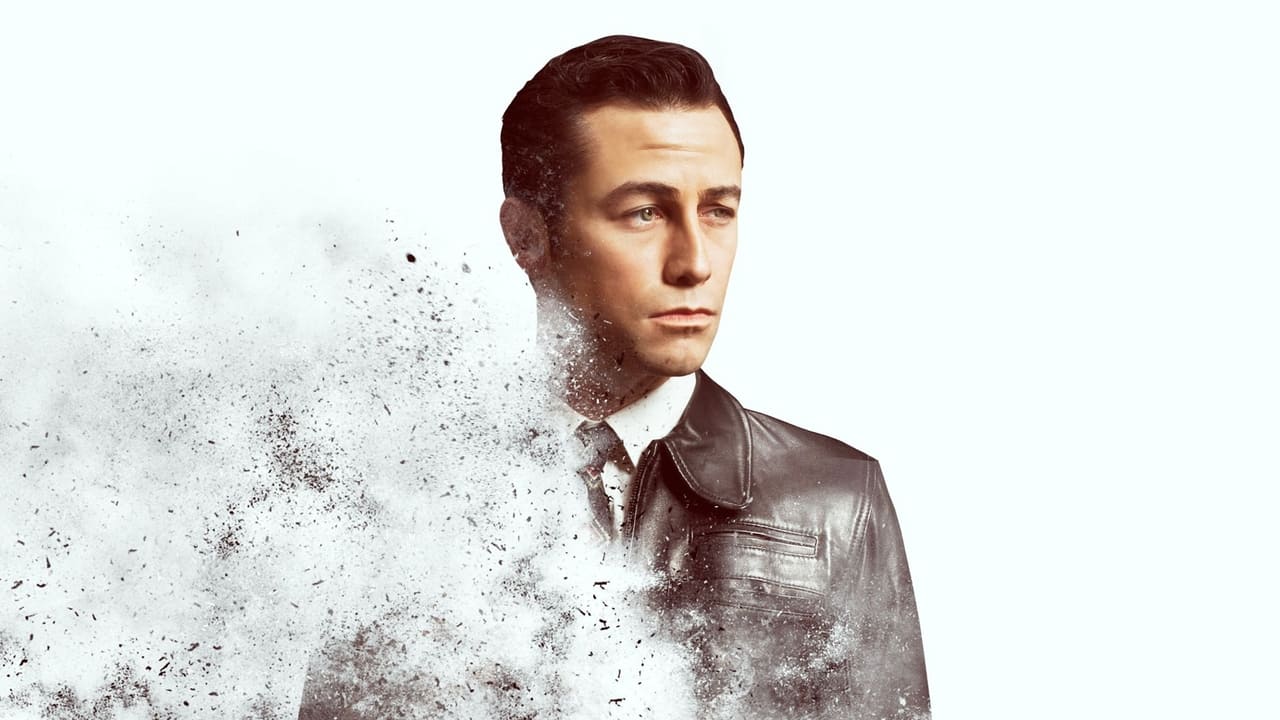
What makes Looper a true cult favorite—the kind of movie fans still debate over drinks—is the massive tonal shift in the second act. Most action movies would have spent the entire runtime in the city, playing a cat-and-mouse game between the two Joes. Instead, we end up on a farmhouse. Enter Emily Blunt as Sara, a woman protecting her son, Cid, on a remote cane farm.
Emily Blunt is the secret weapon of this movie. She brings a fierce, protective energy that grounds the sci-fi craziness. The chemistry between her and Joseph Gordon-Levitt is prickly and believable, moving the story away from "cool time travel tricks" toward a meditation on motherhood and the cycles of violence. The telekinesis subplot is the film’s weirdest flex, and yet, it pays off in a climax that feels earned rather than tacked on. It’s a reminder that Rian Johnson isn't afraid to alienate a portion of his audience to tell a more interesting story.
Stuff You Might Have Missed
The production of Looper is a treasure trove for trivia nerds. For instance, Nathan Johnson (the director’s cousin) composed the score using "found sounds." He recorded field noises—clanging metal, humming fans, rhythmic thumps—and processed them into a haunting, industrial soundscape that makes the film feel lived-in and decaying.
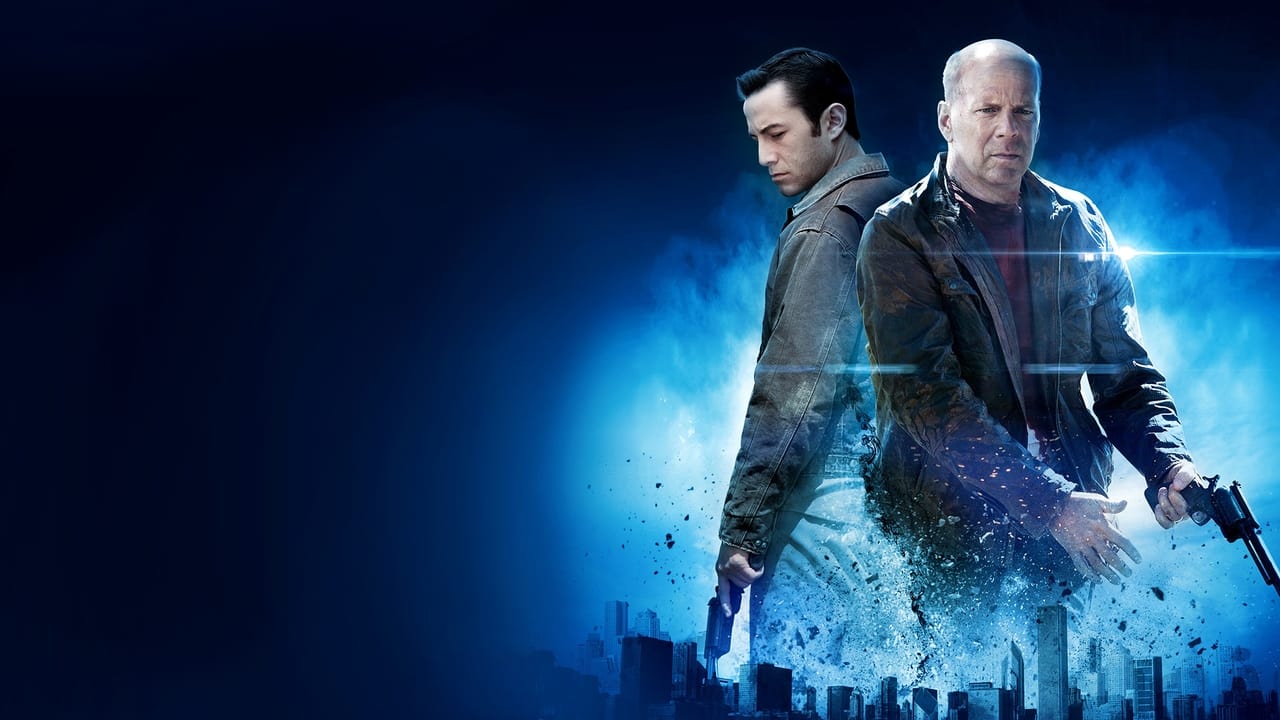
Then there’s the "Chinese connection." Initially, the "future" Joe retires to was supposed to be Paris. However, because of a co-production deal with DMG Entertainment, the location was swapped to Shanghai. It actually works better; the sleek, neon-soaked skylines of Shanghai provide a sharper contrast to the dusty, crumbling Kansas of 2044.
Other cool details? Look closely at Noah Segan as Kid Blue. Segan is a Johnson regular, and his character—a wannabe tough guy who can’t quite get it right—provides a tragicomic foil to the stoic Joes. Also, Joseph Gordon-Levitt spent weeks listening to audio of Bruce Willis’s old films on his iPod to nail the cadence of his voice. It’s that level of commitment that keeps the "two actors, one character" conceit from falling apart.
Ultimately, Looper is a rare breed of film: an action movie with a brain and a sci-fi movie with a heart. It doesn't get bogged down in the paradoxes of time travel—in fact, there’s a great scene in a diner where Bruce Willis tells his younger self (and the audience) to stop thinking about it because "we’ll be here all day making diagrams with straws." It’s an invitation to focus on the emotional stakes instead.
Looking back from over a decade later, the film’s practical effects and gritty cinematography by Steve Yedlin have aged beautifully. It remains a testament to what can happen when a director is given thirty million dollars and the freedom to get a little weird. If you haven't revisited the farm lately, it’s time to close the loop.
Keep Exploring...
-
Death Race
2008
-
9
2009
-
Pandorum
2009
-
Premium Rush
2012
-
Push
2009
-
Surrogates
2009
-
Terminator Salvation
2009
-

Repo Men
2010
-
The Book of Eli
2010
-
Total Recall
2012
-
Elysium
2013
-

Riddick
2013
-

World War Z
2013
-
Predator 2
1990
-
RoboCop 2
1990
-
Pitch Black
2000
-
Equilibrium
2002
-
Serenity
2005
-
Carriers
2009
-

Starship Troopers
1997