Magic Mike
"The American Dream, stripped down."
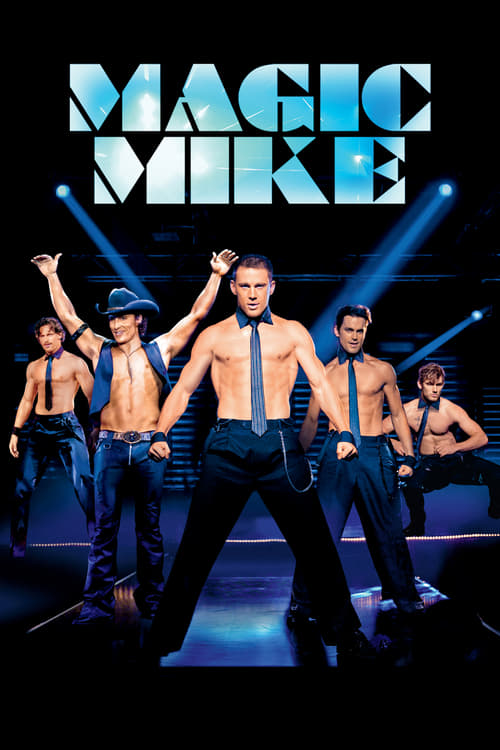
I distinctly remember watching this in a hotel room in Des Moines while trying to ignore a fly that had been trapped in the lamp for three days. It was an oddly appropriate setting. On the screen, men were grinding for dollar bills in Tampa; in my room, I was trying to figure out if the hotel’s "complementary" coffee was actually drinkable. Both experiences felt like the gritty reality of the American hustle.
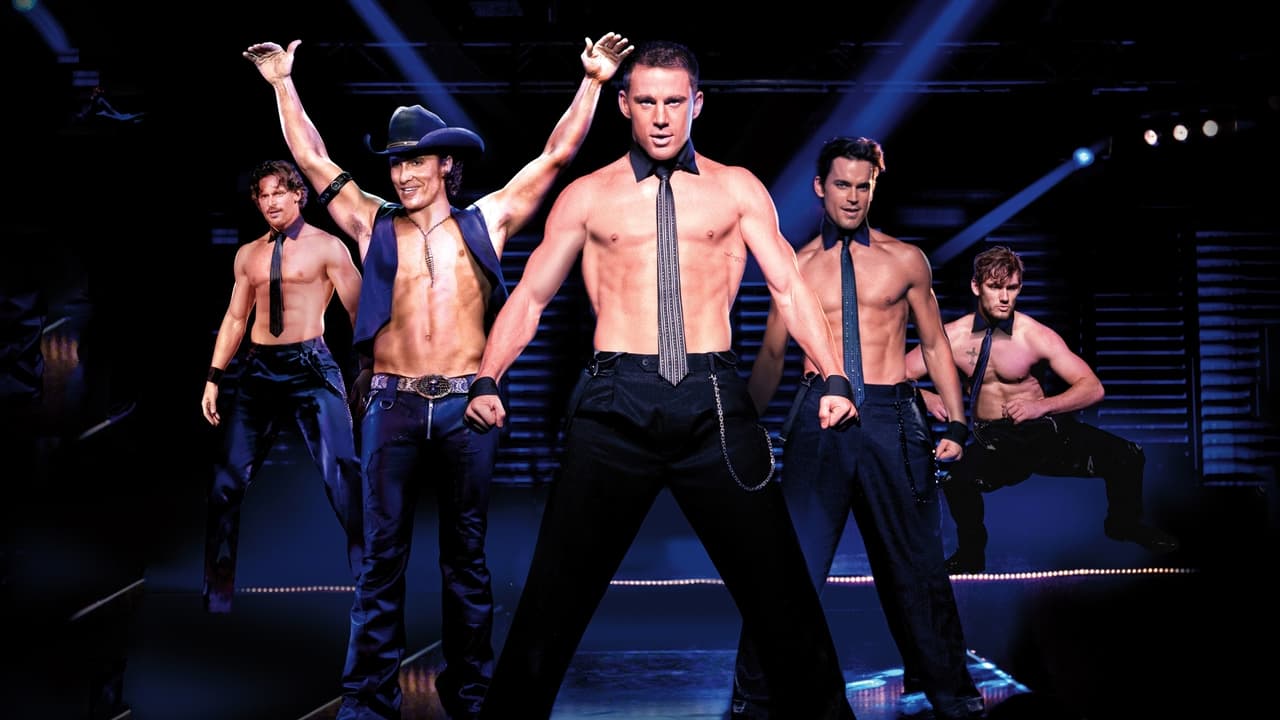
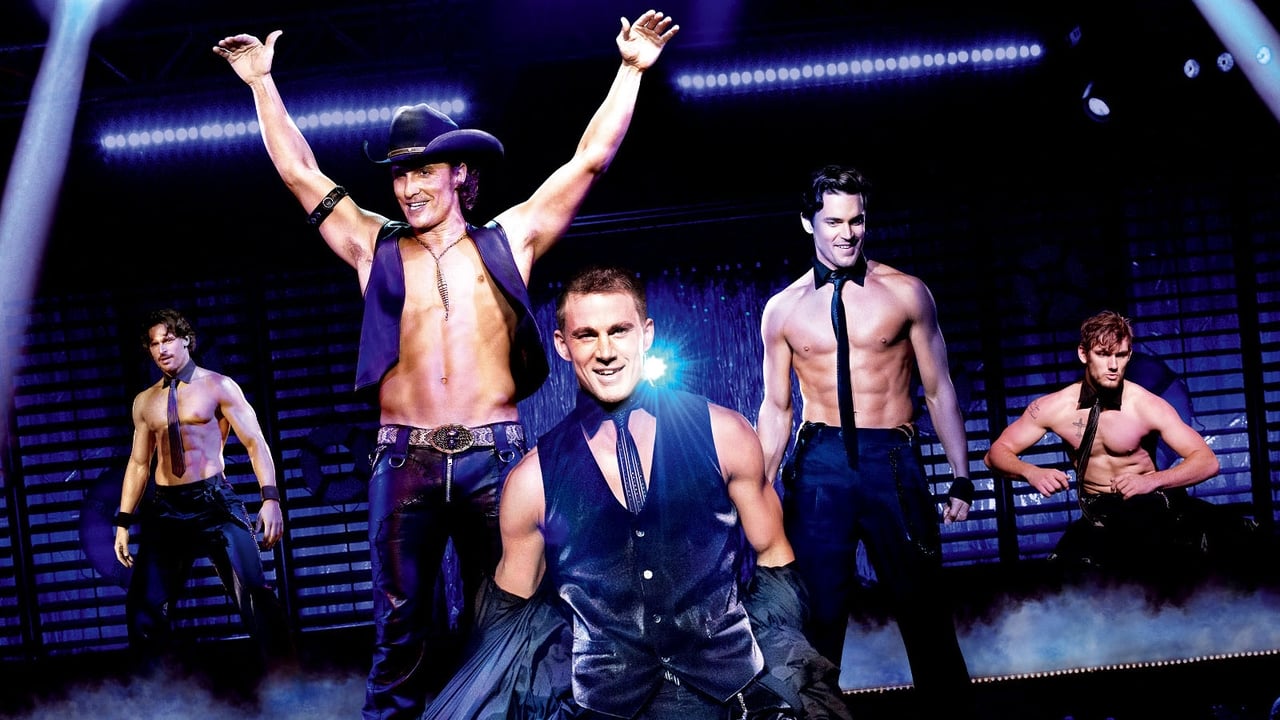
When Magic Mike was marketed in 2012, the trailers promised a rowdy, neon-soaked "girls’ night out" filled with six-packs and stage lights. What Steven Soderbergh (Ocean's Eleven, Traffic) actually delivered was a deceptively smart, sun-bleached drama about the gig economy and the death of the middle class. It just happened to have a lot of baby oil. Looking back, it’s one of the most successful "bait-and-switches" in cinema history, and I mean that as a high compliment.
The McConaissance and the Art of the Hustle
At the center of the storm is Channing Tatum (21 Jump Street, Foxcatcher), playing Mike Lane. This wasn’t just a role for Tatum; it was a semi-autobiographical exorcism, drawing on his own pre-fame days as a 19-year-old stripper in Florida. Tatum has always had a physical grace that borders on the superhuman, but here, he finds a weary, blue-collar soul. Mike isn't just a dancer; he’s a roof layer, a car detailer, and a custom furniture designer. He is the personification of the 2012 side-hustle.
But the film is completely hijacked by Matthew McConaughey (Interstellar, True Detective). This was the exact moment the "McConaissance" shifted into high gear. As Dallas, the owner of the Xquisite strip club, McConaughey plays the character like a cult leader who forgot to start a religion and settled for a tanning bed. He is terrifying, charismatic, and deeply oily—both literally and figuratively. When he delivers the "the law says you can't touch" speech, you realize he isn't just running a club; he’s selling a fantasy that he’s starting to believe himself.
The plot follows the standard "mentor and protégé" template. Mike takes "The Kid," played by Alex Pettyfer (I Am Number Four), under his wing. Pettyfer’s Adam is a blank slate of a character, which works for the story, but he’s easily the least interesting person in the room. The real stakes lie in Mike’s relationship with Adam’s sister, Brooke (Cody H. Carolin), who acts as the film’s moral compass, and his casual fling with Olivia Munn (The Newsroom), who brings a sharp, cynical edge to the "cool girl" archetype.
The $160 Million Dollar Thong
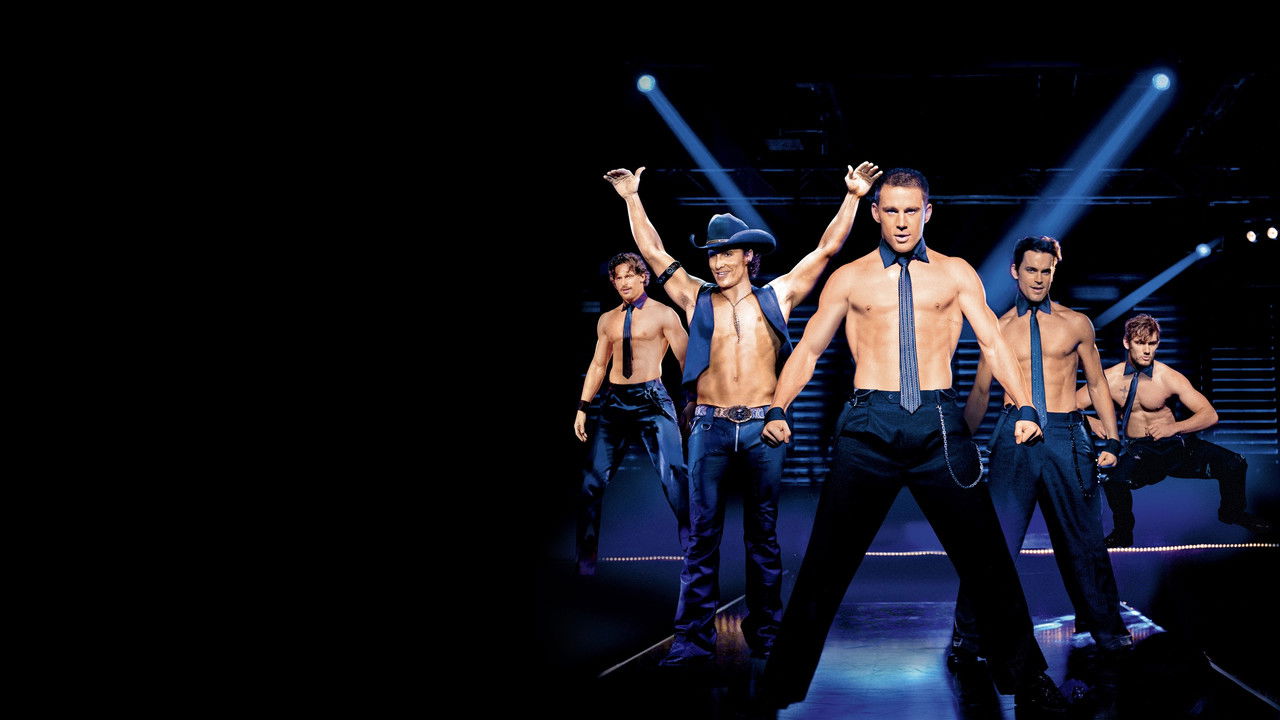
The financial story behind Magic Mike is just as fascinating as the film itself. This was the era where the mid-budget drama was supposed to be dead, swallowed by the emerging MCU formula. Steven Soderbergh and Channing Tatum put up $7 million of their own money to fund it. They skipped the studio interference, shot it in 25 days, and used Soderbergh’s signature digital cinematography style—yellow-tinted, naturalistic, and handheld.
The gamble paid off to the tune of $167 million. It was a cultural phenomenon that proved there was a massive, underserved audience for adult-oriented stories that treated female (and male) desire with something other than a punchline. Yet, for all its success as a "blockbuster," it feels remarkably indie. The scenes in the club are loud and choreographed with jaw-dropping precision—shoutout to Joe Manganiello (True Blood) for his sheer commitment to the "Big Dick Richie" persona—but the scenes outside the club are quiet, almost mournful.
Digital Grit and Florida Heat
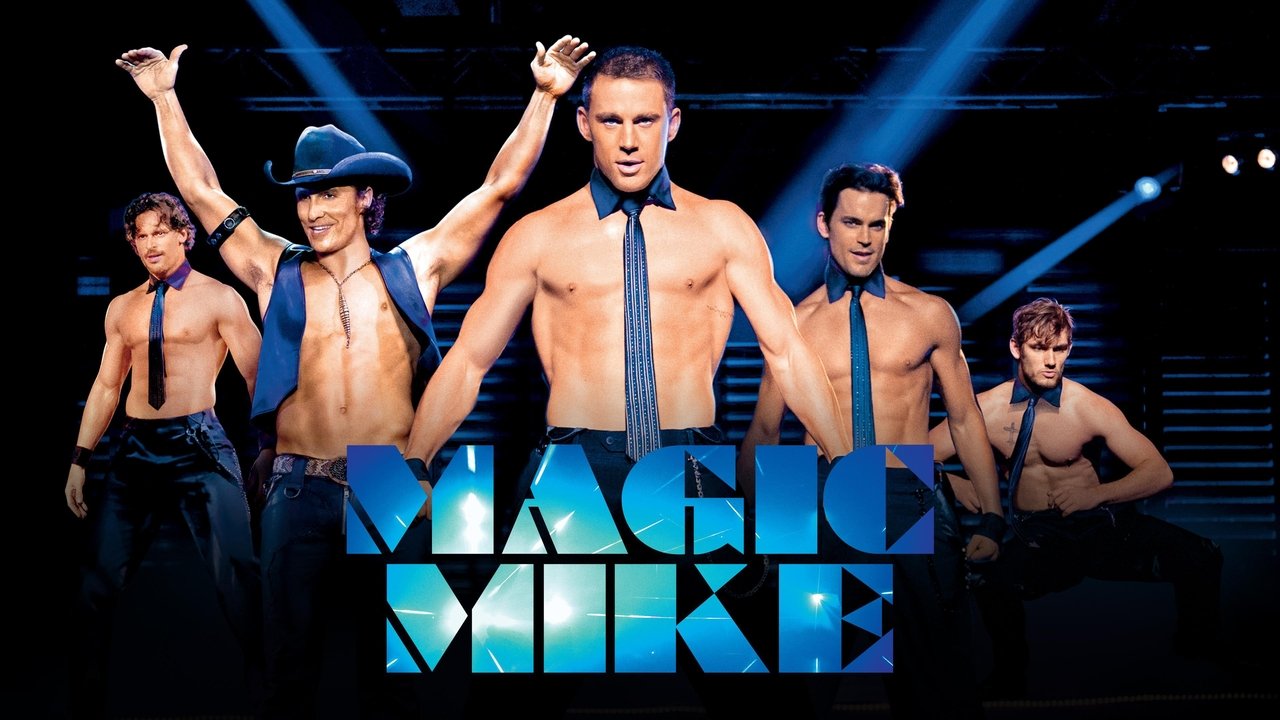
Soderbergh’s choice to shoot on digital (under his usual pseudonym, Peter Andrews) gives the film a specific 2010s texture. It’s not "pretty" in a traditional Hollywood sense. It looks like a humid afternoon in Tampa—the kind where your shirt sticks to your back. This visual honesty grounds the drama. When Mike gets denied a bank loan for his furniture business because his credit is "non-existent," it feels more visceral than any of the backflips on stage.
The film does stumble a bit in its third act. The "downward spiral" trope for Adam feels a little rushed, and the chemistry between the main couple has all the heat of a damp sponge. But you don’t watch Magic Mike for the romance; you watch it for the anthropology of the hustle. It’s about the realization that "easy money" is never actually easy, and that the stage lights eventually have to turn off.
It’s easy to dismiss this as a "stripper movie," but that’s a mistake. It’s a snapshot of a specific American moment, where everyone was trying to sell a piece of themselves just to stay afloat. It’s funny, it’s a bit sad, and it’s surprisingly well-made.
Magic Mike is the rare blockbuster that actually has something on its mind besides its own sequel. While it launched a massive franchise and a live show in Vegas, this original installment remains a tight, smartly directed drama about the cost of the American Dream. It’s a testament to what happens when a director like Steven Soderbergh decides to take a "low-brow" premise and treat it with genuine respect. Come for the dancing, stay for the scathing critique of the banking system. No, really.

Keep Exploring...
-
Magic Mike XXL
2015
-

The Informant!
2009
-
Love & Other Drugs
2010
-

Arthur Christmas
2011
-
Silver Linings Playbook
2012
-
The Best Exotic Marigold Hotel
2012
-
Logan Lucky
2017
-

The Santa Clause
1994
-

Babe
1995
-
Out of Sight
1998
-
About a Boy
2002
-

About Schmidt
2002
-

Traffic
2000
-
Stepmom
1998
-

Something's Gotta Give
2003
-
Shall We Dance?
2004
-

Mr. & Mrs. Smith
2005
-

The Darjeeling Limited
2007
-
Be Kind Rewind
2008
-
Nick and Norah's Infinite Playlist
2008