Maniac
"Through his eyes, your hands are stained."
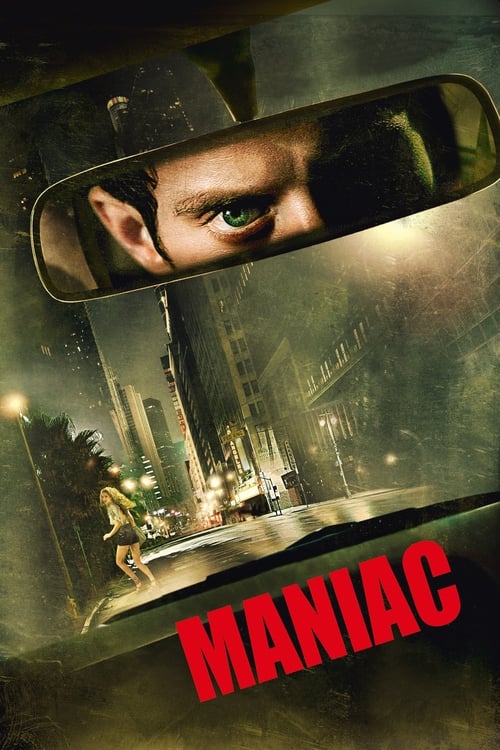
There is a specific kind of audacity required to remake a cult classic known primarily for its "sleaze factor." When Alexandre Aja (the mind behind the hyper-violent High Tension) and director Franck Khalfoun decided to revisit William Lustig’s 1980 grime-fest Maniac, the horror community collectively braced for another hollow, digital-sheen retread. Instead, what we got in 2012 was a technical masterclass in perspective that fundamentally shifts the "slasher" dynamic. By trapping the camera—and the viewer—entirely within the first-person POV of the killer, the film stops being a spectator sport and starts feeling like a confession.
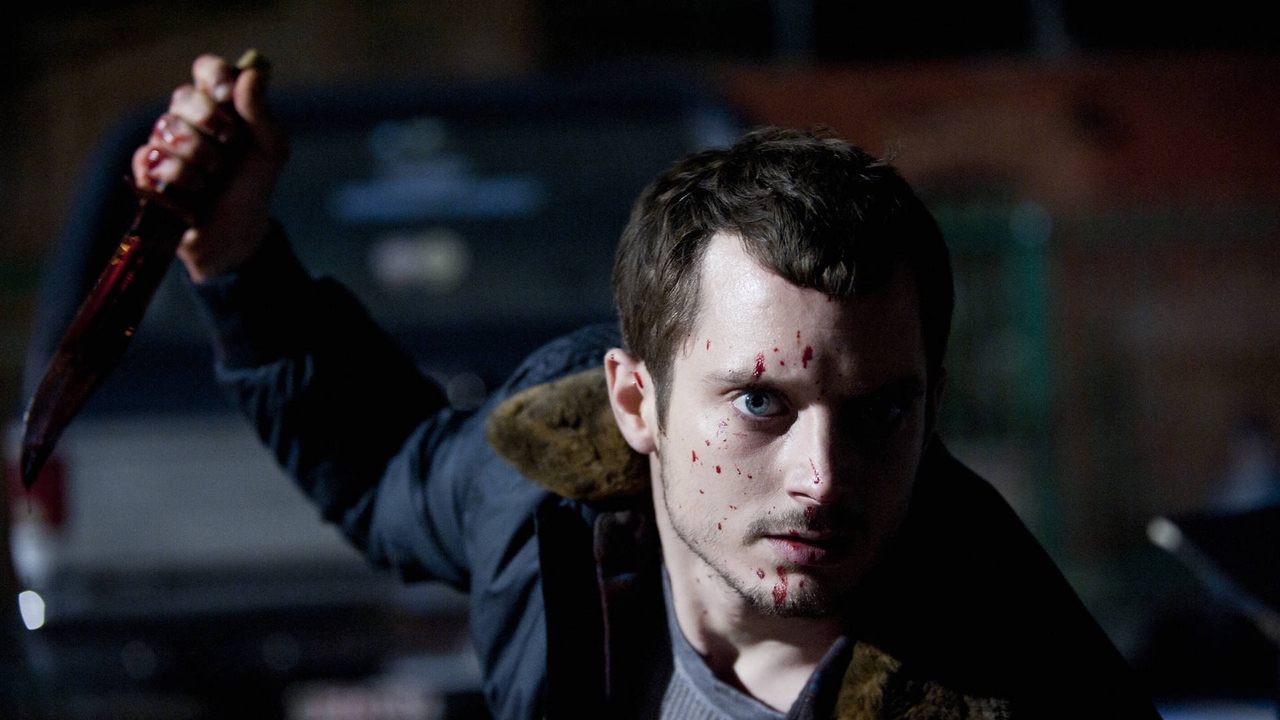
I watched this for the first time on a laptop while my neighbor was outside loudly pressure-washing their driveway; the rhythmic, clinical hiss of the water outside somehow synced perfectly with the onscreen scalpings, making the whole experience feel deeply, uncomfortably industrial.
A Hobbit in the Mirror
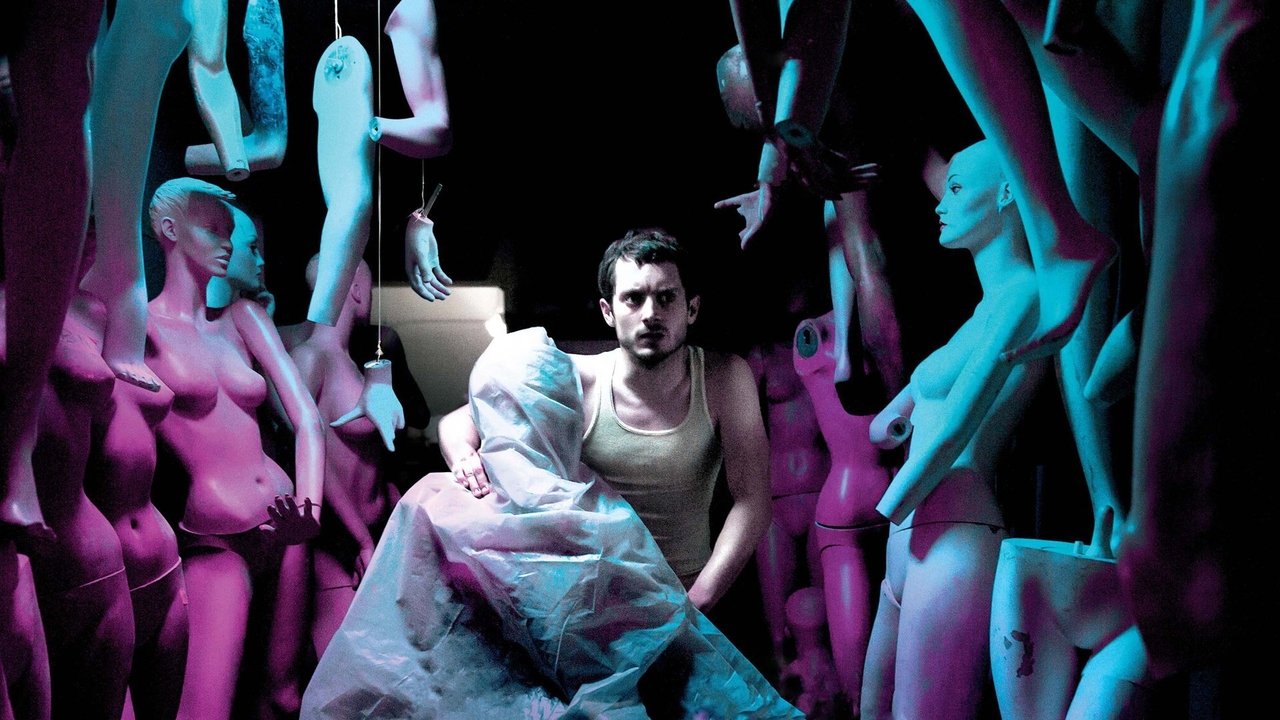
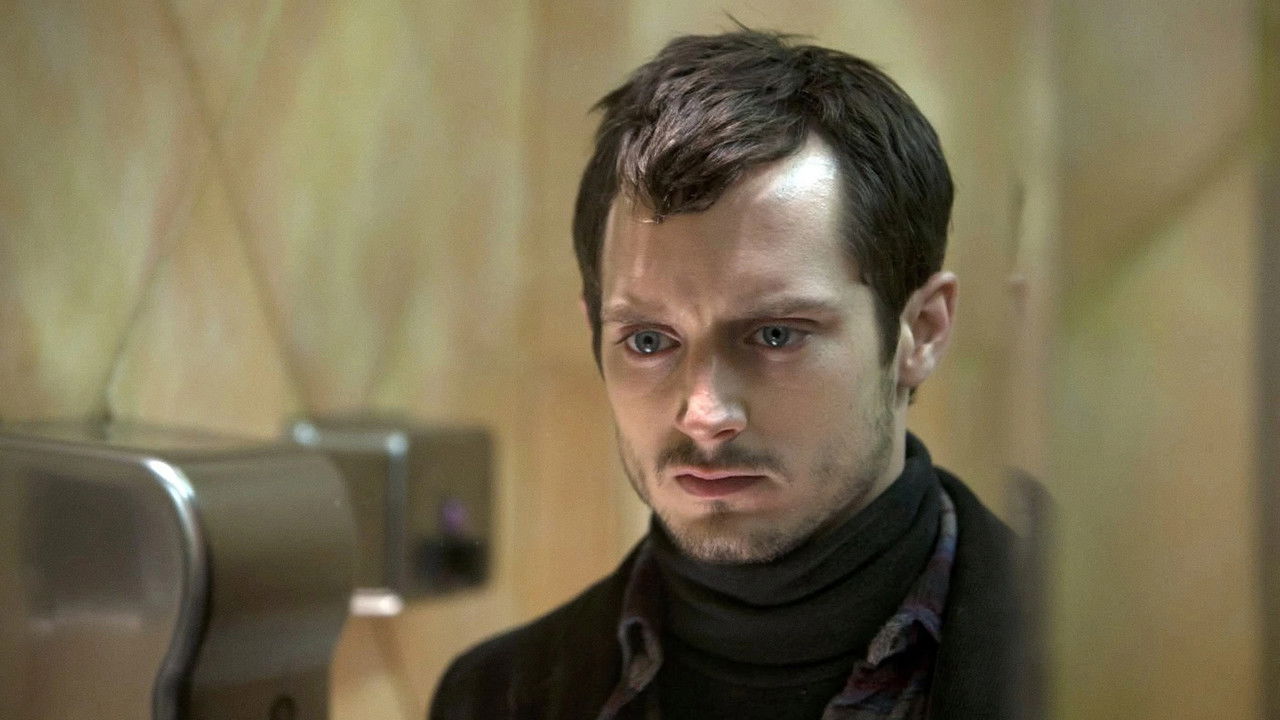
The most brilliant stroke of casting in the early 2010s wasn't a superhero or a prestige lead; it was putting Elijah Wood behind the eyes of Frank Zito. By 2012, Wood was still inextricably linked to the purity of Frodo Baggins. Taking that wide-eyed, soulful innocence and curdling it into the psyche of a mannequin-obsessed serial killer is a stroke of genius. Because we rarely see Frank’s face—only his hands, his shadow, or his reflection in shattered glass—Wood has to do the heavy lifting with his voice.
He breathes like a man perpetually on the verge of a panic attack. When he does appear in reflections, his slight frame and those massive, expressive eyes don't scream "monster." They scream "broken child," which is infinitely more unsettling. Elijah Wood turned a B-movie slasher into a tragic character study simply by breathing into a microphone. It’s a performance that leverages his "star persona" against the audience, making his interactions with Anna (Nora Arnezeder) feel like a genuine romance that is being poisoned from the inside by Frank's trauma-induced hallucinations of his mother (America Olivo).
The Neon-Soaked POV Gimmick
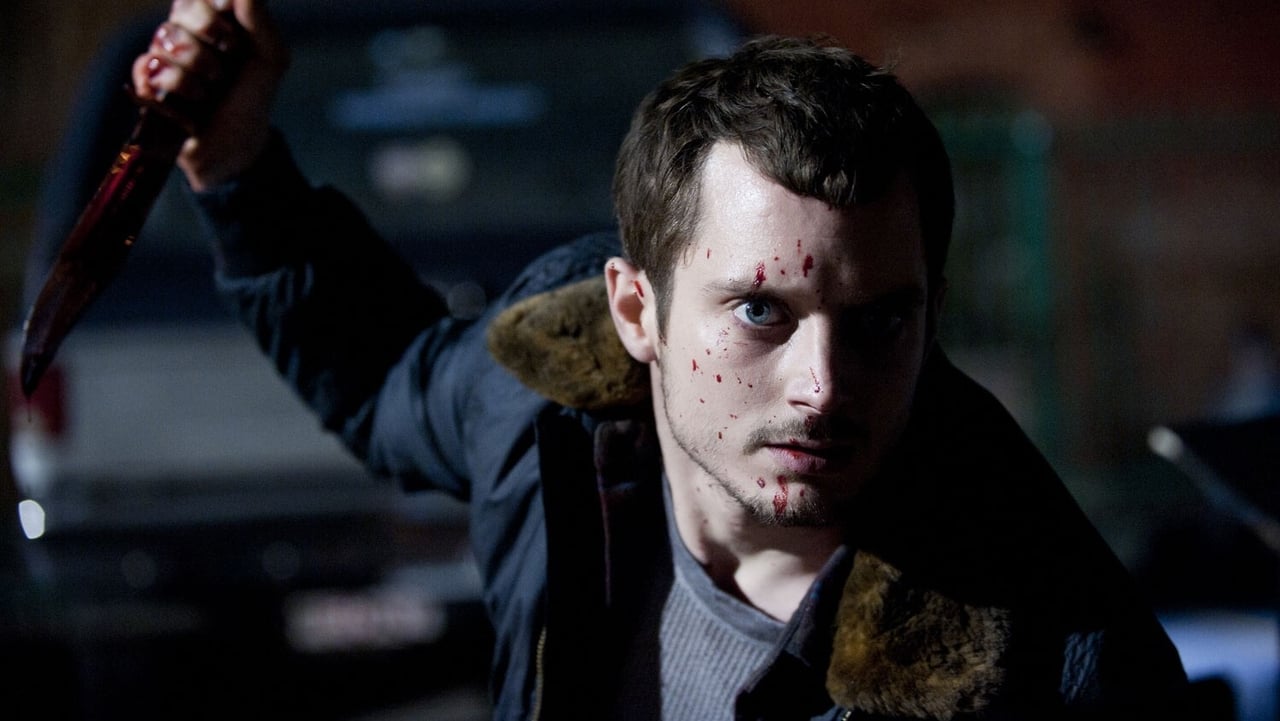
Technically, Maniac is a marvel of the transition-era from analog sensibilities to digital precision. While the 1980 original was all about the sweat and grime of 42nd Street, the 2012 version leans into the "Refn-core" aesthetic that was exploding at the time (think Drive or Only God Forgives). The cinematography by Maxime Alexandre is fluid and nightmarish, using the POV restriction not just as a gimmick, but as a way to hide the monster in plain sight.
We are forced to stalk with him. We feel the heavy weight of the knife; we see the trembling of his fingers as he prepares to scalp his victims. It is a deeply voyeuristic experience that challenges why we watch horror in the first place. If you find yourself rooting for the POV camera to turn the corner, you’re essentially rooting for a murder. This isn't the fun, "cheer-for-the-kill" vibe of Friday the 13th; it’s a suffocating, claustrophobic descent into madness. The score by ROB anchors this perfectly—a pulsating, synth-heavy tribute to the 80s that feels modern and cold, rather than nostalgic and warm.
Behind the Scalps and Studio Walls
Despite its craft, Maniac basically vanished upon release. With a measly box office of just over $2.6 million, it became one of those "DVD bin" discoveries that horror nerds trade like secret handshakes. Much of this obscurity stems from its uncompromising nature. Apparently, the film was so intense that it was effectively banned in New Zealand—an ironic twist given that it’s the home of Elijah Wood’s most famous trilogy. The ratings boards simply didn't know what to do with a film that forced the audience to "become" the killer for 89 minutes.
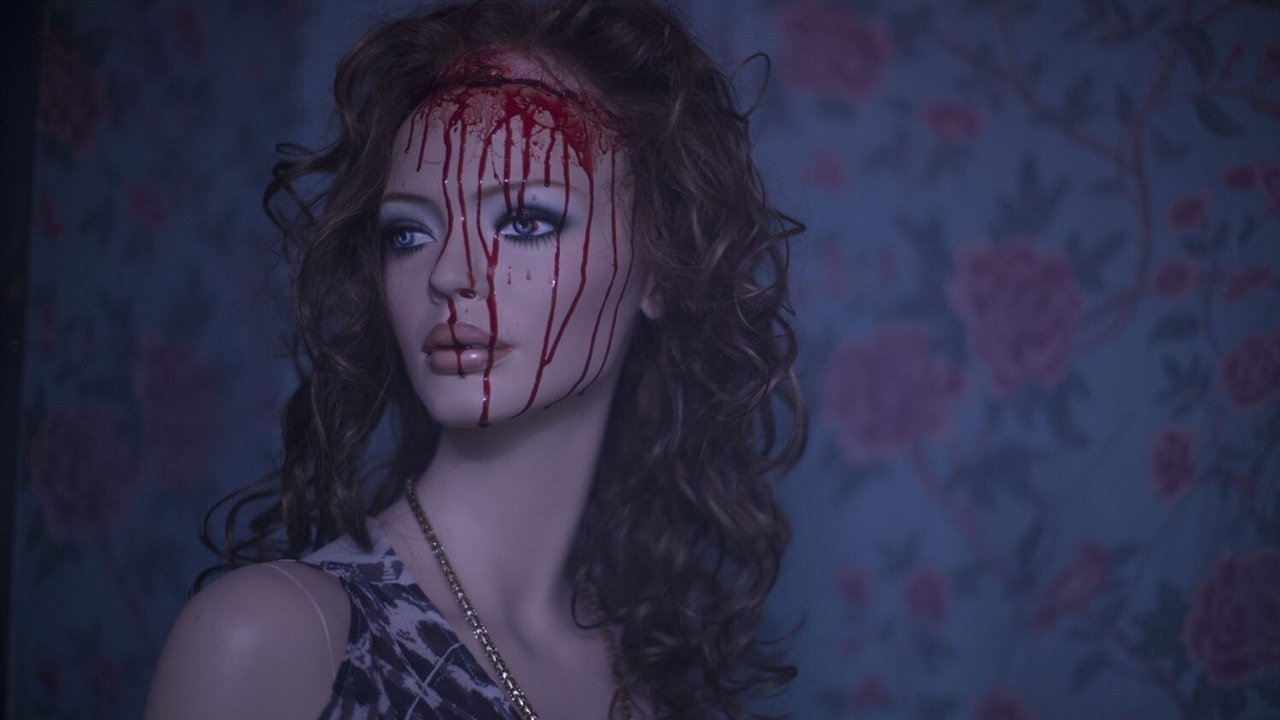
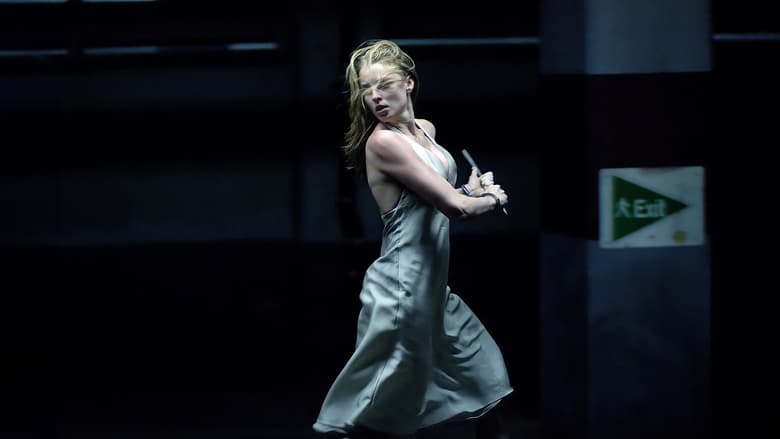
The practical effects, however, are where the film pays its dues to the old school. In an era where CGI blood was becoming the lazy standard, Franck Khalfoun insisted on physical squibs and prosthetic scalps that look horrifyingly real under the neon lights of Los Angeles. One particular scene involving a car park and a hunting knife is so anatomically convincing it makes your own forehead itch in sympathy. It’s that blend of high-concept digital filmmaking and "Tom Savini-style" practical gore that makes this remake a rare beast that actually surpasses its predecessor in terms of psychological weight.
Maniac is a fascinating relic from the tail-end of the "Extreme Cinema" wave, proving that you can take a decades-old slasher blueprint and make it feel cutting-edge with the right perspective. It’s a difficult, often repulsive watch, but it’s executed with such stylistic flair and atmospheric dread that it’s impossible to ignore. If you missed this one during the 2012 shuffle, find the biggest screen you can, turn the lights off, and prepare to feel very, very guilty about what you’re seeing. Just keep a mirror handy—you’ll want to make sure it’s still just you in the room.
Keep Exploring...
-
P2
2007
-
The Hitcher
2007
-

Vacancy
2007
-
Quarantine
2008
-
The Descent: Part 2
2009
-
The Last House on the Left
2009
-

Curse of Chucky
2013
-
13 Sins
2014
-
Wrong Turn 2: Dead End
2007
-
Carriers
2009
-
Don't Be Afraid of the Dark
2010
-
The Collection
2012
-
The Possession
2012
-
The Tall Man
2012
-
Would You Rather
2013
-
Creep
2014
-
Stonehearst Asylum
2014
-

Time Lapse
2014
-
Mirrors
2008
-
Child's Play 2
1990