Mirror Mirror
"A Technicolor fever dream where the Queen reigns supreme."
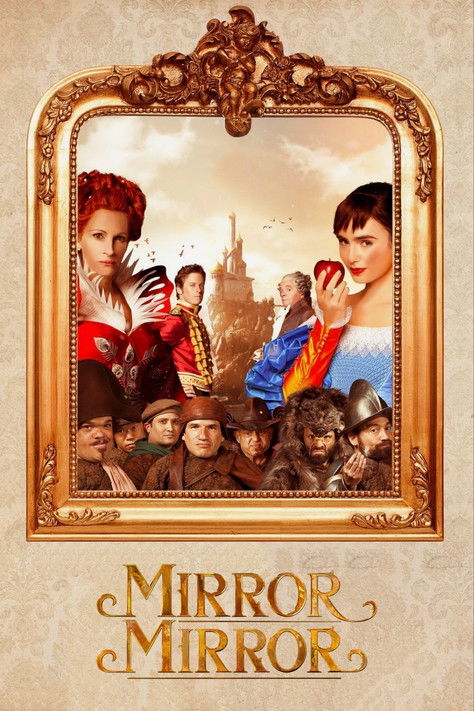
In 2012, Hollywood had a very specific, very strange obsession with Snow White. Within just a few months, we got two wildly different takes on the Brothers Grimm classic: the "gritty" and self-serious Snow White and the Huntsman, and the candy-coated, eccentric explosion that is Tarsem Singh’s Mirror Mirror. At the time, critics weren't quite sure what to make of this film’s tonal gymnastics, but looking back a decade later, it’s clear which one had more personality. I recently rewatched this while struggling to assemble a flat-pack bookshelf and eating cold leftover pad thai with far too much lime juice, and I realized: we don't make big-budget studio movies this weird anymore.

The Visual Language of a Visionary
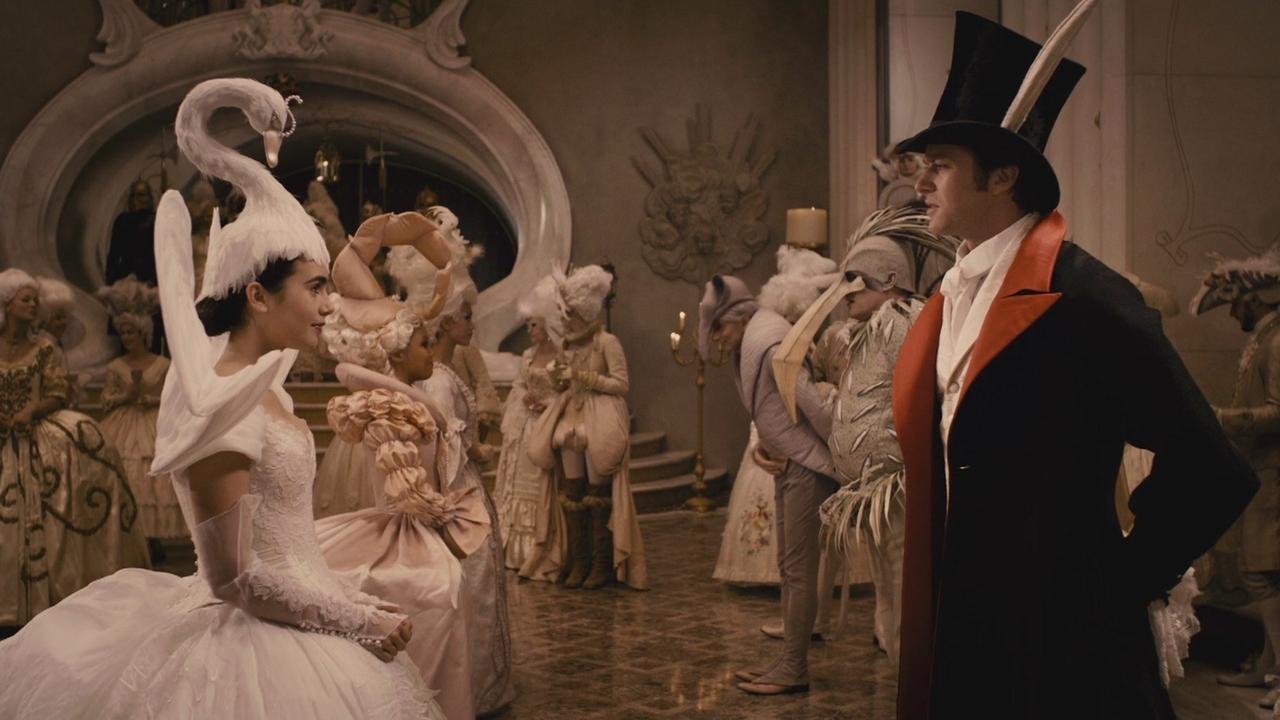
If you know the work of director Tarsem Singh (The Fall, The Cell), you know that plot is usually just a clothesline he uses to hang up some of the most breathtaking imagery in cinema. Mirror Mirror is no exception. This isn't the "mud and blood" aesthetic that defined so many post-Lord of the Rings fantasies. Instead, it’s a tribute to the theatrical, the surreal, and the sheer power of a costume budget.
The late, legendary costume designer Eiko Ishioka—in her final film role—turned this movie into a moving art gallery. The Evil Queen’s dresses are architectural marvels that look like they belong in the Met Gala rather than a forest. There’s a specific shot of Julia Roberts in a massive red gown, framed against a stark white background, that is so visually arresting it makes you forget the screenplay is essentially a collection of "I’m getting old" jokes. This film was a late-era champion of the "it looks like a high-fashion editorial vomited onto a soundstage" aesthetic, and I mean that as the highest possible compliment. In an era where digital color grading often turns everything into a muddy grey slurry, the vibrant yellows and deep magentas here are a refreshing shock to the system.
A Queen Who Just Wants to Be Liked
The real engine of this movie is Julia Roberts. Usually, the "Evil Queen" is played with icy, Shakespearean dread, but Roberts plays her as a narcissistic, debt-ridden socialite who is just trying to maintain her skincare routine and her tax bracket. She’s funny, she’s catty, and she seems to be having a much better time than anyone else on screen. Her chemistry with Nathan Lane, who plays her bumbling sycophant Brighton, provides the film's most consistent laughs.

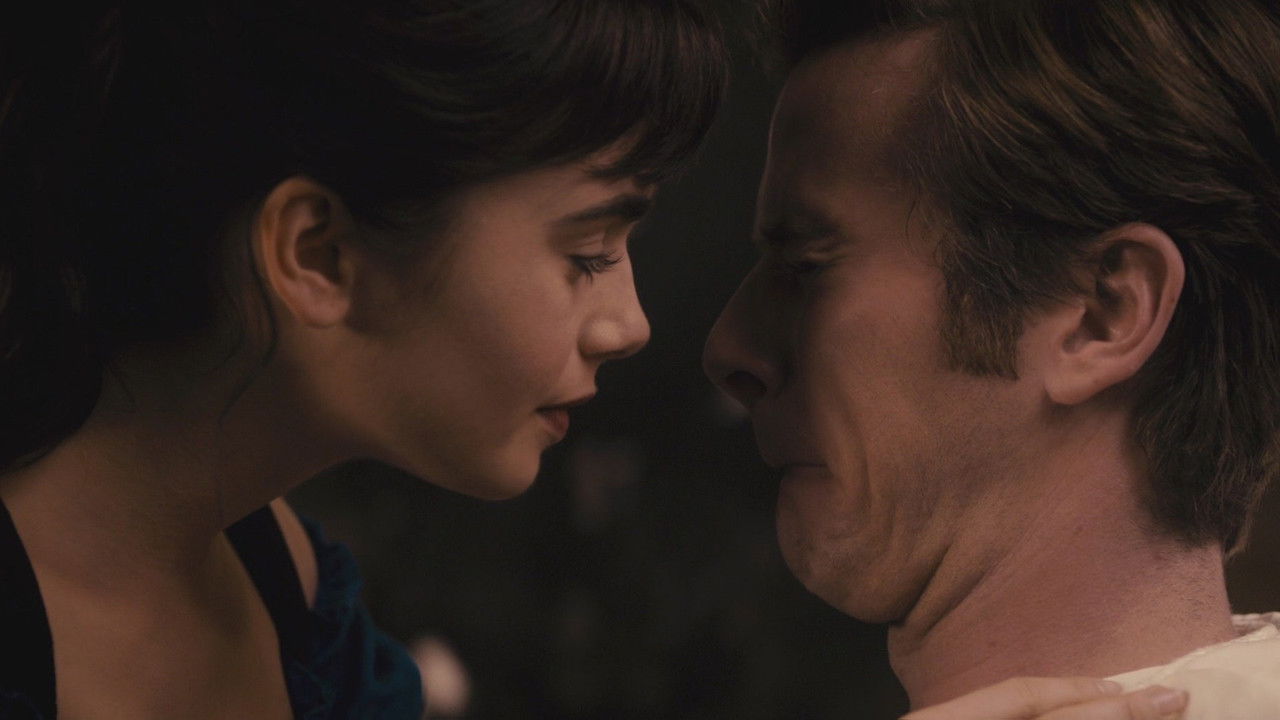
Then we have Lily Collins as Snow White. This was her breakout moment, and she nails the transition from the wide-eyed, sheltered princess to the sword-wielding rebel leader. Her eyebrows alone deserve their own billing in the credits. Opposite her is Armie Hammer as Prince Andrew Alcott. This was before the actor’s public fall from grace, and looking back, he was actually quite good at being the "himbo" archetype. There is a sequence where the Queen uses a "puppy love" potion on him, and he spends ten minutes panting and trying to lick people’s faces. It’s absurd, it’s humiliating, and it perfectly captures the film’s refusal to take itself seriously.
The 2012 Fairy Tale Face-Off
Looking back from the vantage point of the 2020s, Mirror Mirror feels like a relic of a very specific moment in the "CGI Revolution." We were moving away from the purely digital landscapes of the late 2000s and trying to find a balance with physical sets. The Queen’s palace feels like a real, tangible space, even if the forest outside is clearly a stylized soundstage. It captures that transition where digital tools were being used to enhance a director’s specific, quirky vision rather than just to create a generic "epic" scale.
While the film was a modest box office success, it has grown into something of a cult favorite for people who appreciate "camp" with a capital C. It’s a movie that concludes with a full-blown Bollywood song-and-dance number performed by Lily Collins and the seven dwarves. Why? Because Tarsem Singh is Indian and he thought it would be fun. That kind of unhinged directorial whim is exactly what's missing from the modern, focus-grouped blockbuster landscape.
Stuff You Didn't Notice
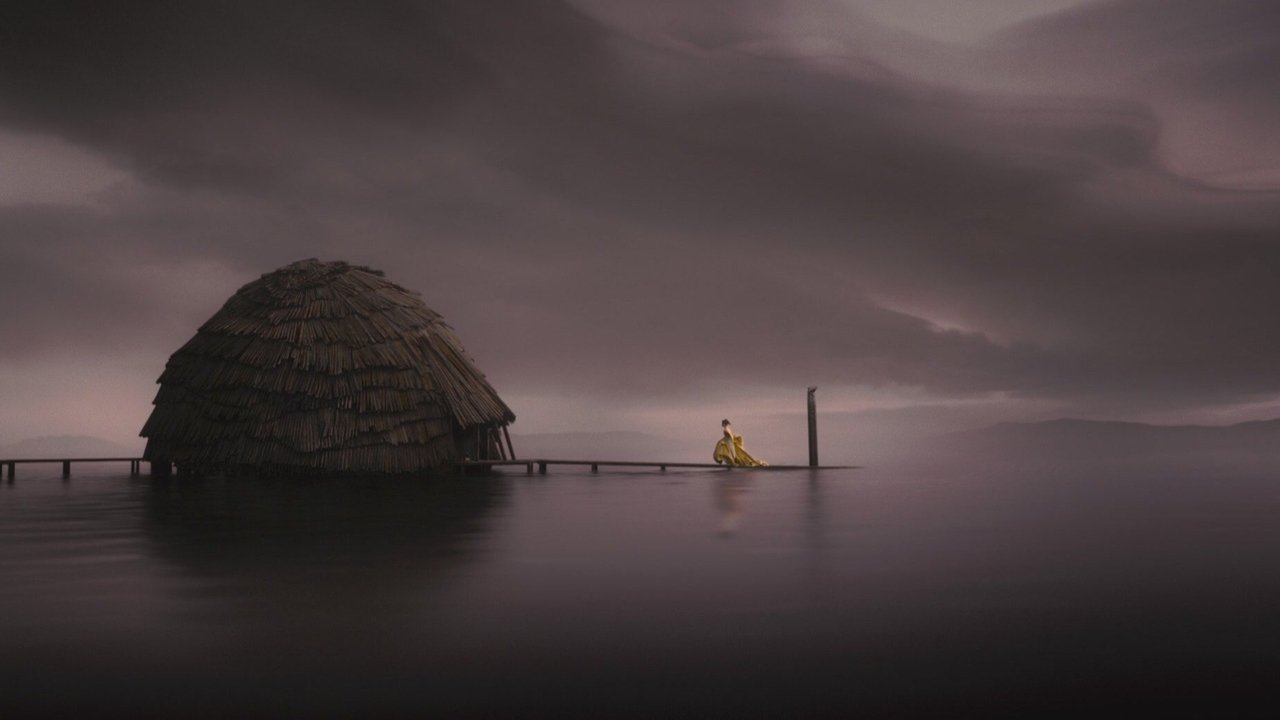
The Dwarf Tech: The "Seven Rebellious Dwarves" aren't just miners here; they are highwaymen who use literal stilts to look like giant monsters and rob travelers. It’s a clever bit of world-building that gives them a tactical reason for their lifestyle. The Final Bow: This was Eiko Ishioka's final project before she passed away. She was battling cancer during the shoot, and Tarsem has often spoken about how her dedication to the costumes gave the film its soul. The Mirror World: Instead of a talking face in a piece of glass, the "Mirror" is a gateway to a literal cabin in the middle of a dark, infinite ocean. It’s an eerie, high-concept choice that feels like it belongs in a much darker movie. The Height of Fashion: One of Julia Roberts’ dresses was so wide and heavy (nearly 60 pounds) that her children used to hide under the skirt during breaks in filming. * Stunt Work: Despite the family-friendly vibe, the swordplay is actually quite decent. Lily Collins trained for months to handle those sequences without looking like she was just waving a prop around.
Mirror Mirror isn't a perfect film. The pacing drags in the middle, and some of the humor feels a bit dated (Prince Alcott being shirtless for 40% of the runtime feels like a very 2012 marketing mandate). However, its commitment to visual splendor and its playful, slightly weird heart make it a joy to revisit. It’s a fairy tale that isn't afraid to be silly, stylish, and a little bit vain—much like the Queen herself. If you’re tired of the gritty reboot era, this is the perfect Technicolor palate cleanser.
Keep Exploring...
-
Night at the Museum: Battle of the Smithsonian
2009
-
Night at the Museum: Secret of the Tomb
2014
-
Stuart Little
1999
-
Last Action Hero
1993
-
Shrek the Halls
2007
-
Shrek the Third
2007
-
Horton Hears a Who!
2008
-

Puss in Boots
2011
-
The Smurfs
2011
-
Brave
2012
-
The Book of Life
2014
-

Asterix and Obelix vs. Caesar
1999
-
Nim's Island
2008
-
Aliens in the Attic
2009
-

Bee Movie
2007
-
Evan Almighty
2007
-
Bedtime Stories
2008
-

Bolt
2008
-
Cars 2
2011
-
Rango
2011