Moonrise Kingdom
"A meticulously mapped escape from the ordinary."
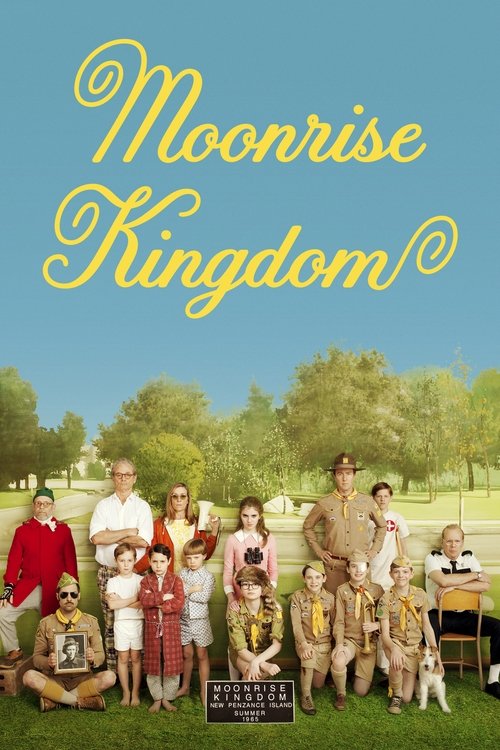
If you were to peek inside my brain on a particularly cluttered Tuesday, you’d likely find something resembling the storage shed of a Khaki Scout troop: a mess of half-remembered maps, vintage records, and a nagging desire to run away to a cove that doesn’t exist. This is the specific, artisanal frequency that Wes Anderson tunes into with Moonrise Kingdom. While I was re-watching this for the fourth time—distracted briefly by a particularly stubborn hangnail I spent three minutes trying to fix with a pair of blunt scissors—I realized that this film isn’t just a "quirky" coming-of-age story. It’s a survival guide for the misunderstood.
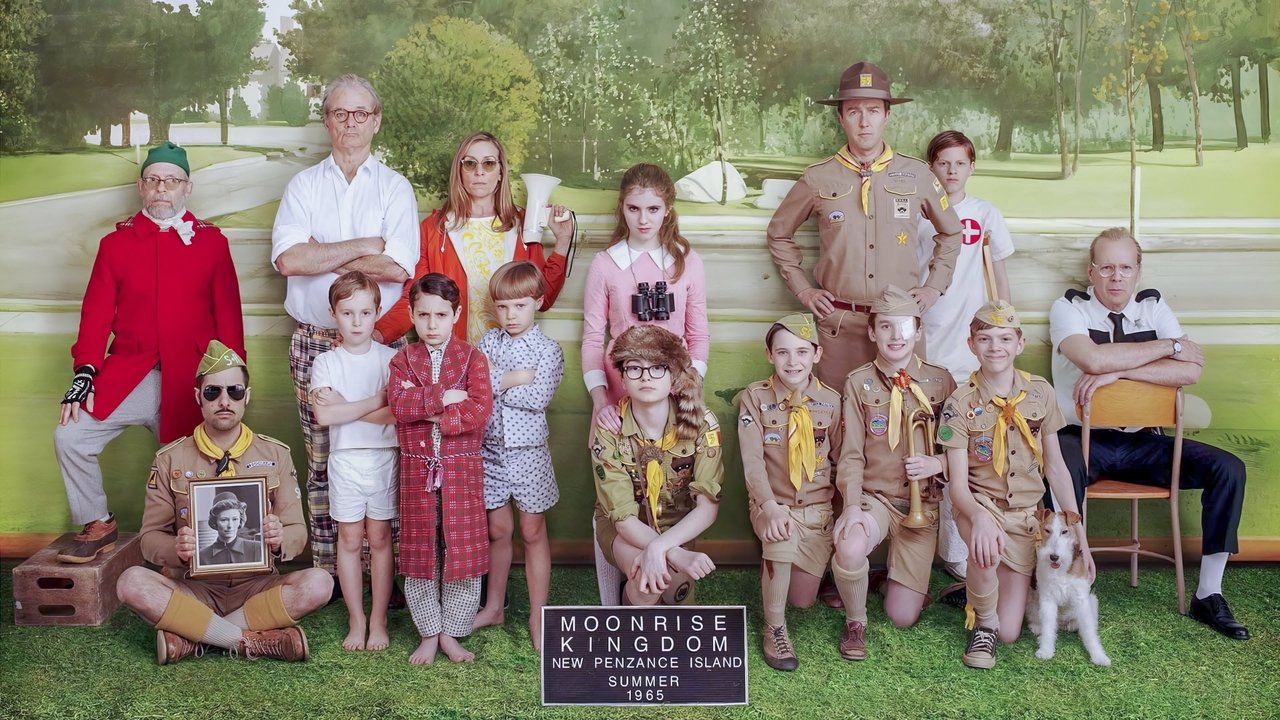
Released in 2012, Moonrise Kingdom arrived at a fascinating crossroads in modern cinema. We were deep into the digital revolution; the gritty, handheld realism of the 2000s was beginning to feel a bit exhausted, and the MCU was just starting to standardize the "blockbuster look." In the middle of this, Anderson doubled down on the analog. He gave us a film that feels like a hand-stitched quilt in a world of polyester. It’s a movie that celebrates the tangible: the scratch of a needle on a record, the weight of a portable typewriter, and the smell of a brewing storm on a New England island.
The Adults in the Room (Are Actually Children)
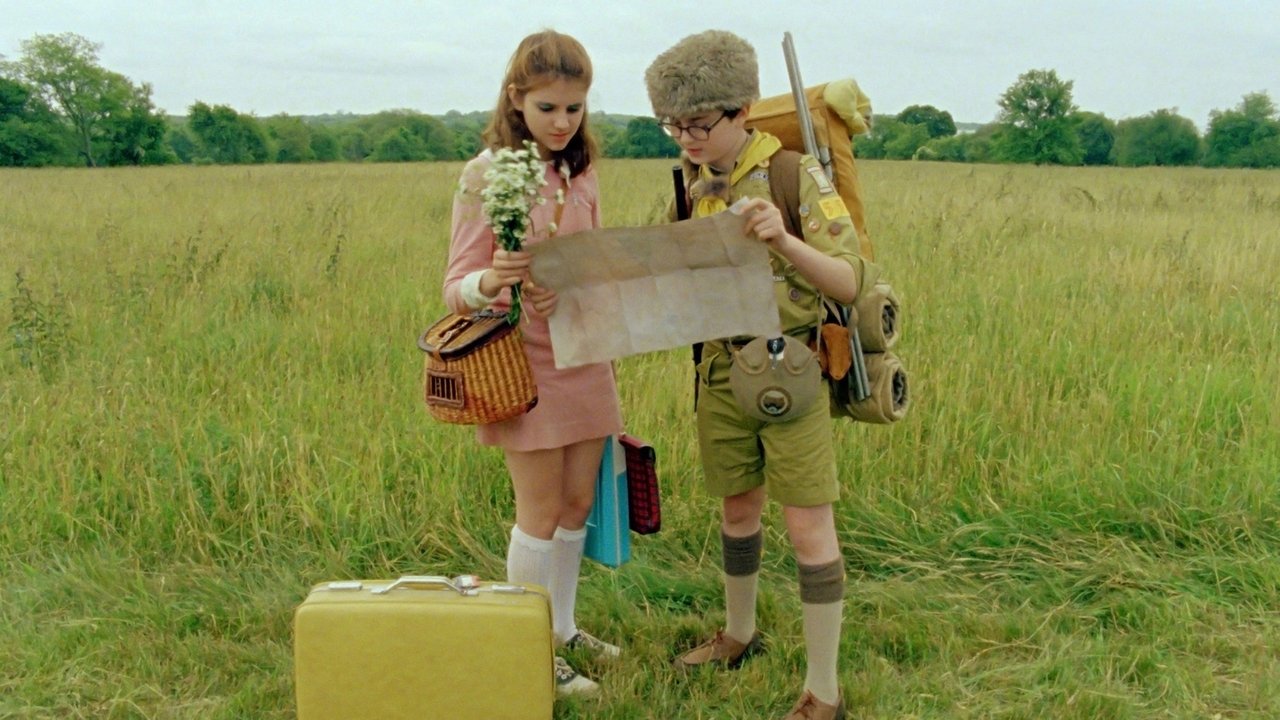
The brilliance of the script, co-written by Anderson and Roman Coppola (who previously captured that same sense of melancholic adventure in The Darjeeling Limited), lies in its role reversal. The central lovers, Sam and Suzy—played with startling, deadpan sincerity by newcomers Jared Gilman and Kara Hayward—are the only characters who seem to have their lives mapped out. They are stoic, decisive, and deeply committed to their shared exile.
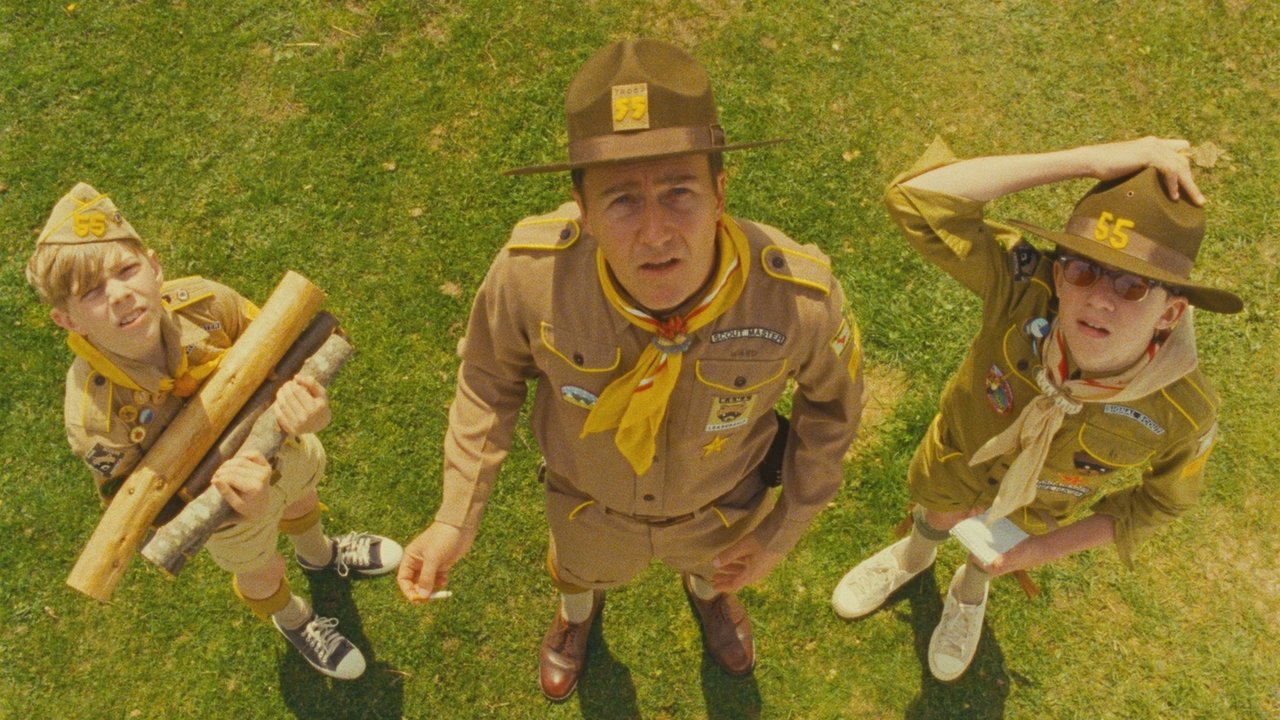
Conversely, the "authorities" are a mess of arrested development. Edward Norton is pitch-perfect as Scout Master Ward, a man who treats badge-earning with the gravity of a Joint Chiefs of Staff meeting, yet clearly uses the scouts to fill a void in his own soul. Then there’s Bruce Willis as Captain Sharp. Looking back, this is easily one of Willis’s most soulful performances. He isn’t a John McClane action hero here; he’s a lonely, sad-eyed policeman who just wants to do the right thing but isn't sure what that is.
The Bishop parents, played by the legendary Bill Murray and Frances McDormand, provide the film's cynical heartbeat. They are two people who have drifted so far apart that they communicate through a megaphone. Watching Murray chop down a tree while shirtless and clutching a bottle of wine is a mood that I think we’ve all felt at 3:00 PM on a Sunday. He manages to make "sad dad" look like a high-art performance.

A Symmetrical Battle for the Human Heart
Visually, this is Anderson at his most refined. Working with his longtime cinematographer Robert D. Yeoman, he turns the island of New Penzance into a living diorama. There’s a philosophical weight to this level of control. Some critics argue that Anderson’s obsession with symmetry is a cage, but I see it as a defense mechanism. In a world where Sam is a "difficult" orphan and Suzy is "emotionally disturbed," the rigid framing provides a sense of order that their lives lack.
The score by Alexandre Desplat, interwoven with the compositions of Benjamin Britten, acts as a narrator. It’s percussive and playful, yet it carries the ominous weight of the approaching hurricane. It reminds us that while the kids are playing house in the wilderness, the stakes are life and death. Wes Anderson is essentially the Stanley Kubrick of dollhouses, using extreme aesthetic precision to mask a deep, vibrating anxiety about belonging.
The Stuff You Didn’t Notice (But Now You Will)
Part of the joy of being a Popcornizer reader is the deep-dive trivia that makes a film stick to your ribs. Moonrise Kingdom is a goldmine for this:
The Murray Discount: Bill Murray was so dedicated to the project that he reportedly took a massive pay cut, earning the SAG minimum (about $900 a week) just to be part of the ensemble. Practical Magic: In an era where a storm like the one in the finale would usually be a CGI soup, Anderson insisted on using miniatures and practical effects. The lightning? It was created using old-school strobe effects and hand-painted elements. The "Noye’s Fludde" Connection: The opera the children perform at the start is a real work by Benjamin Britten. Anderson actually performed in a production of it as a child, which is where the seed for the entire movie was planted. Record Breaking: The film became a massive "sleeper hit." On its opening weekend, it had the highest per-theater average of any live-action film in history at the time, proving that there was a hungry audience for artisanal indie cinema in the middle of the "shaky-cam" era. * A Real Treehouse: The rickety, impossibly high treehouse in the scout camp wasn't a set piece in a studio—it was built for real on location, and Edward Norton actually had to climb it.
Moonrise Kingdom is a rare specimen: a film that feels both like a faded memory and a vivid dream. It captures that specific age where you are too old to be a child but too young to be an adult, trapped in a middle ground where the only logical solution is to pack a suitcase full of books and a record player and head for the coast. It’s funny, it’s heartbreakingly beautiful, and it features a French pop dance sequence that lives rent-free in my head. If you haven't visited New Penzance lately, grab your binoculars. The storm is coming, and it’s wonderful.

Keep Exploring...
-

The Darjeeling Limited
2007
-

The Grand Budapest Hotel
2014
-

Rushmore
1998
-

The Royal Tenenbaums
2001
-
Fantastic Mr. Fox
2009
-
The Life Aquatic with Steve Zissou
2004
-

10 Things I Hate About You
1999
-

Hotel Chevalier
2007
-
The French Dispatch of the Liberty, Kansas Evening Sun
2021
-

(500) Days of Summer
2009
-

Begin Again
2014
-

The Wrestler
2008
-

Crazy, Stupid, Love.
2011
-

What If
2013
-
High Fidelity
2000
-

Punch-Drunk Love
2002
-

Stranger Than Fiction
2006
-

Dilwale Dulhania Le Jayenge
1995
-
Asteroid City
2023
-

What's Eating Gilbert Grape
1993