Now Is Good
"Love like you’re running out of time."
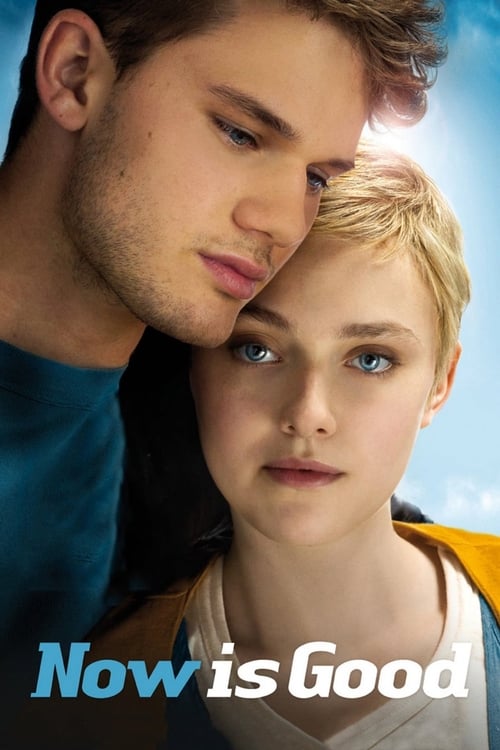
The year 2012 occupied a strange pocket of cultural history where the "Tumblr aesthetic" was reaching its zenith—think flower crowns, grainy film filters, and a peculiar, romanticized obsession with beautiful tragedies. It was the era of the "Terminal Teen" drama, landing right in the middle of a wave that gave us Restless (2011) and the juggernaut that was The Fault in Our Stars (2014). Into this soft-focus landscape stepped Now Is Good, a British indie that managed to feel both like a product of its time and a surprisingly grounded take on a genre that usually collapses into saccharine syrup.
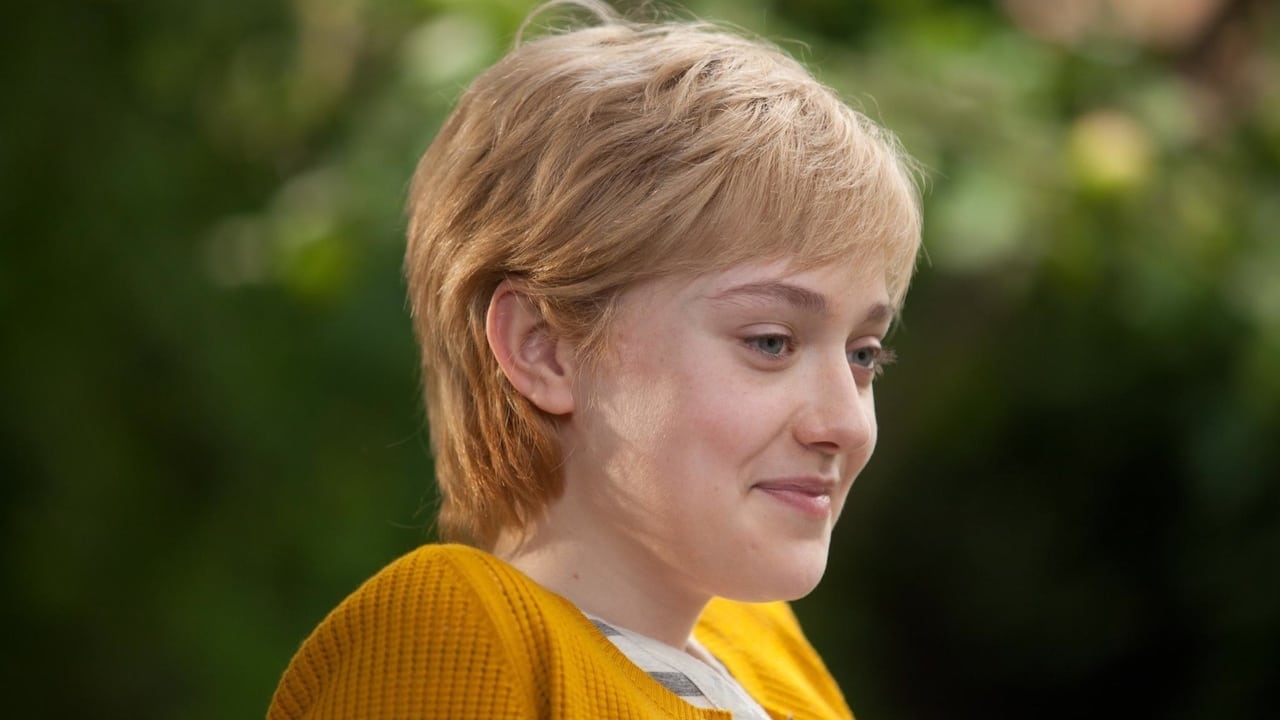
I watched this on a Tuesday evening while my neighbor was aggressively leaf-blowing his driveway for forty-five minutes straight, and honestly, the sheer mundane annoyance of that sound provided a perfect counterpoint to the film’s heightened emotional stakes.
The Bucket List Blues
The setup is one we’ve seen before: Tessa, played by Dakota Fanning, has leukemia and has decided to stop treatment. She’s got a list of rebellious milestones she wants to hit before the clock runs out. While the "dying girl with a bucket list" trope can often feel like a cynical grab for your tear ducts, director Ol Parker (who would later go on to give us the pure serotonin of Mamma Mia! Here We Go Again) keeps things remarkably tactile.
The film doesn't shy away from the ugliness of the situation. Tessa isn't a saintly martyr; she's often prickly, selfish, and rightfully pissed off. My personal hot take? Losing your virginity is a weirdly high-priority logistics item for someone with a failing immune system, but Fanning plays it with such desperate, itchy urgency that you stop questioning the logic and start feeling the panic. She captures that specific teenage feeling that life is happening elsewhere, and she’s just trying to grab a handful of it before the doors close.
Performances That Punch Up
What elevates this from a standard "sick-flick" is the caliber of the ensemble. Dakota Fanning pulls off a British accent that is surprisingly not a disaster—a feat that many American actors have tripped over in much more expensive productions. She brings a certain steely intensity that prevents the movie from becoming too wispy.
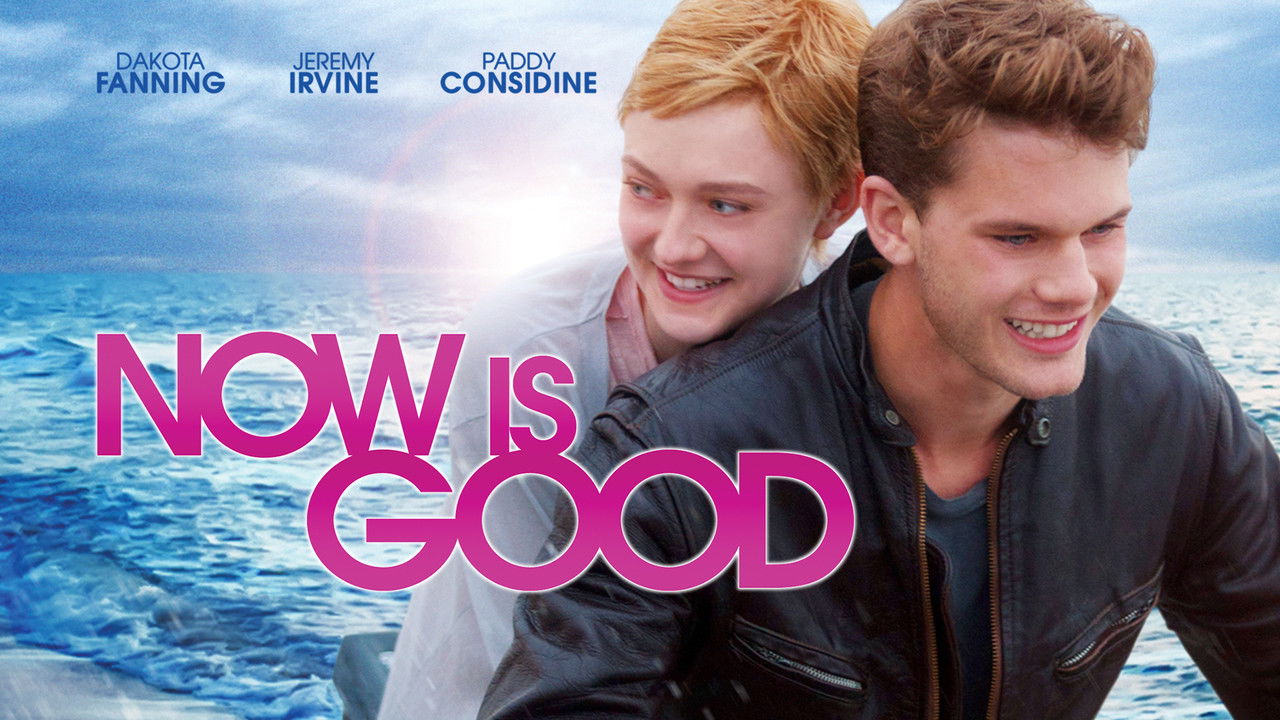
Opposite her is Jeremy Irvine, fresh off the high-stakes horse-crying of Spielberg’s War Horse. As Adam, the boy-next-door who becomes the romantic anchor, he’s serviceable, but the real heart of the film beats in the family home. Paddy Considine, playing Tessa’s father, is absolutely devastating. Considine has this incredible ability to play "repressed British dad" with such transparency that you can see every crack in his soul. His performance is a masterclass in how to show a character trying to hold the world together with Scotch tape and sheer will.
Kaya Scodelario, then the queen of cool for anyone who grew up on Skins, pops up as Tessa’s best friend, Zoey. She brings a necessary jolt of chaos to the proceedings, reminding us that life—even when it’s ending—is often messy, loud, and inconvenient.
The Indie Polish
Looking back from over a decade away, Now Is Good feels like a snapshot of the UK indie scene before it was fully swallowed by the streaming giant aesthetic. It was shot on a modest budget of $4.5 million, and you can see that resourcefulness in the way it uses its locations. There’s a specific, overcast British beauty to the cinematography by Erik Wilson (the man behind the lens for Submarine and Paddington). He manages to make the Brighton coast look like both a playground and a graveyard.
The film opted for a traditional theatrical release but struggled at the box office, which is a shame. It’s the kind of "middle-tier" drama that used to thrive on DVD sales and word-of-mouth recommendations between friends. In an era where every indie feels like it’s auditioning to be a ten-episode miniseries, there’s something refreshing about a 103-minute story that knows exactly where it’s going and isn't afraid to arrive there.
The score by Dustin O’Halloran is another highlight. If you’ve ever sat in a coffee shop trying to look deep while writing in a journal, you’ve probably listened to O’Halloran. His piano work here is delicate and melancholic without being manipulative. It’s the sound of 2012 indie-sensibility at its most refined.
Does it Earn the Tears?
The biggest hurdle for a film like this is the ending. We know what’s coming—the genre dictates it. The challenge is making the journey feel like more than just a countdown to a funeral. While some of the plot beats feel a little too "Sundance-by-numbers," the chemistry between the cast keeps it afloat.
I tend to be cynical about movies that use illness as a plot device, but there’s a sincerity here that’s hard to ignore. It avoids the glossy, over-produced sheen of later American entries in the genre. It feels like a small, hand-crafted thing made by people who actually cared about the characters, rather than just the demographic they represented.
Now Is Good is a poignant, well-acted reminder that the "Modern Cinema" era wasn't just about the rise of the MCU or the death of film stock. It was also about these small, character-driven stories that found beauty in the mundane. It might not reinvent the wheel, but it certainly knows how to make that wheel turn in a way that’ll leave you reaching for the tissues. It’s a bittersweet time capsule of 2012 that still carries a surprising amount of weight.
Keep Exploring...
-
Imagine Me & You
2006
-
Blue Valentine
2010
-

Heartbeats
2010
-
Beginners
2011
-
The First Time
2012
-

Blue Is the Warmest Color
2013
-
The Spectacular Now
2013
-
Submarine
2011
-
Anna Karenina
2012
-
The Postman
1994
-
Leaving Las Vegas
1995
-
Chasing Amy
1997
-
Buffalo '66
1998
-
Monster's Ball
2001
-
Secretary
2002
-
Garden State
2004
-

High School Musical
2006
-
An Education
2009
-
Atonement
2007
-

Cashback
2007