Paperman
"Fate is a folded sheet of paper."
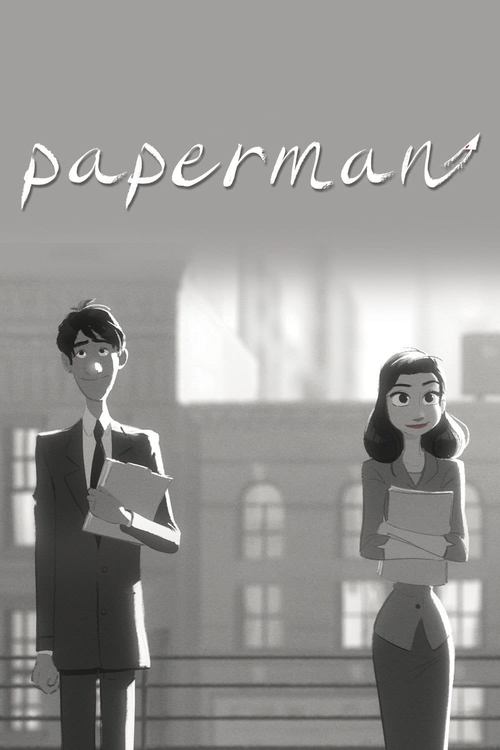
2012 was a strange, transitional year for the heavy hitters at Disney. We were deep into the post-Renaissance slump, trying to figure out if the studio could ever truly reclaim the magic of the 90s without just mimicking Pixar’s homework. While the big features were busy finding their footing, a seven-minute short film quietly premiered ahead of Wreck-It Ralph and proceeded to do something I hadn't seen in years: it made the medium of animation feel experimental again. I actually watched this for the third time while sitting in a laundromat, waiting for a dryer that sounded like it was filled with gravel, and the contrast between the film's elegance and my damp socks was startling. It reminded me that even in the most sterile, grey-scale environments, there’s a flicker of something transcendent if you’re looking for it.
The Ghost in the Machine
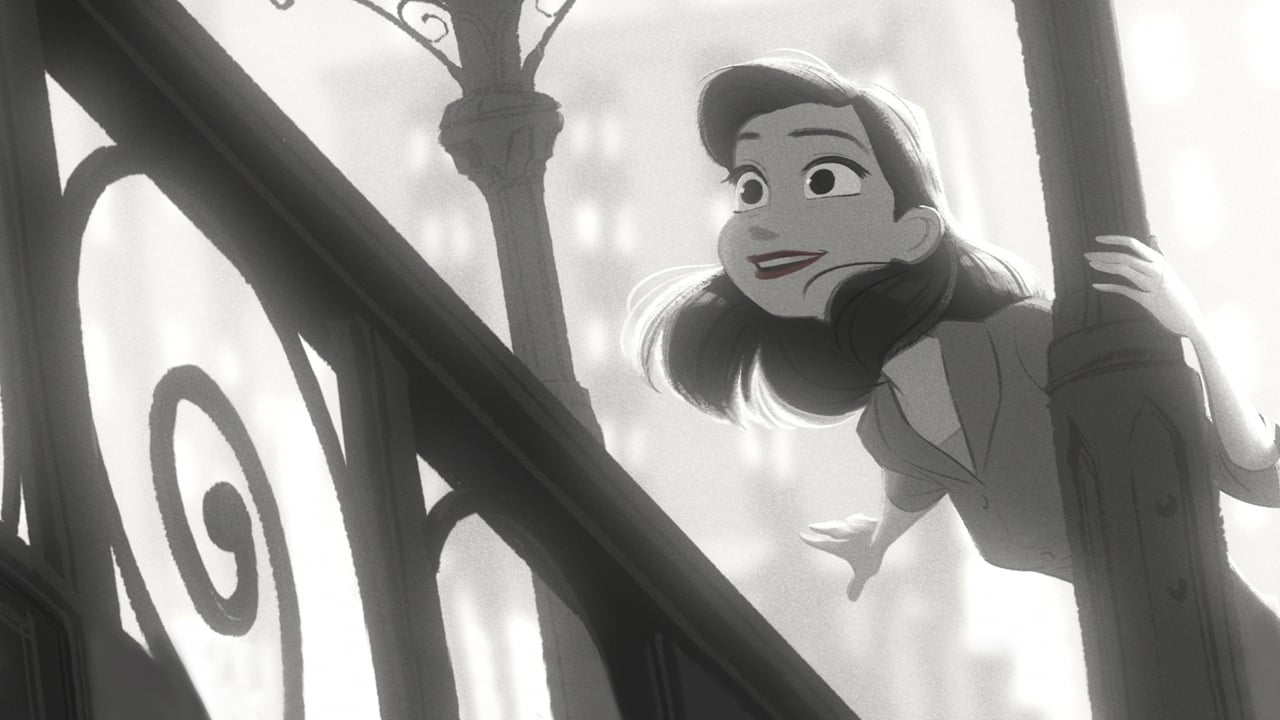
Looking back from our current vantage point of hyper-realistic CGI, Paperman feels like a radical act of defiance. Director John Kahrs—who had put in his time at Pixar on films like The Incredibles and Ratatouille—was obsessed with the idea that something was being lost in the transition from pencils to pixels. In the 90s and 2000s, the "CGI Revolution" was all about depth, textures, and lighting. But John Kahrs missed the expressive, shaky, human line of hand-drawn animation.
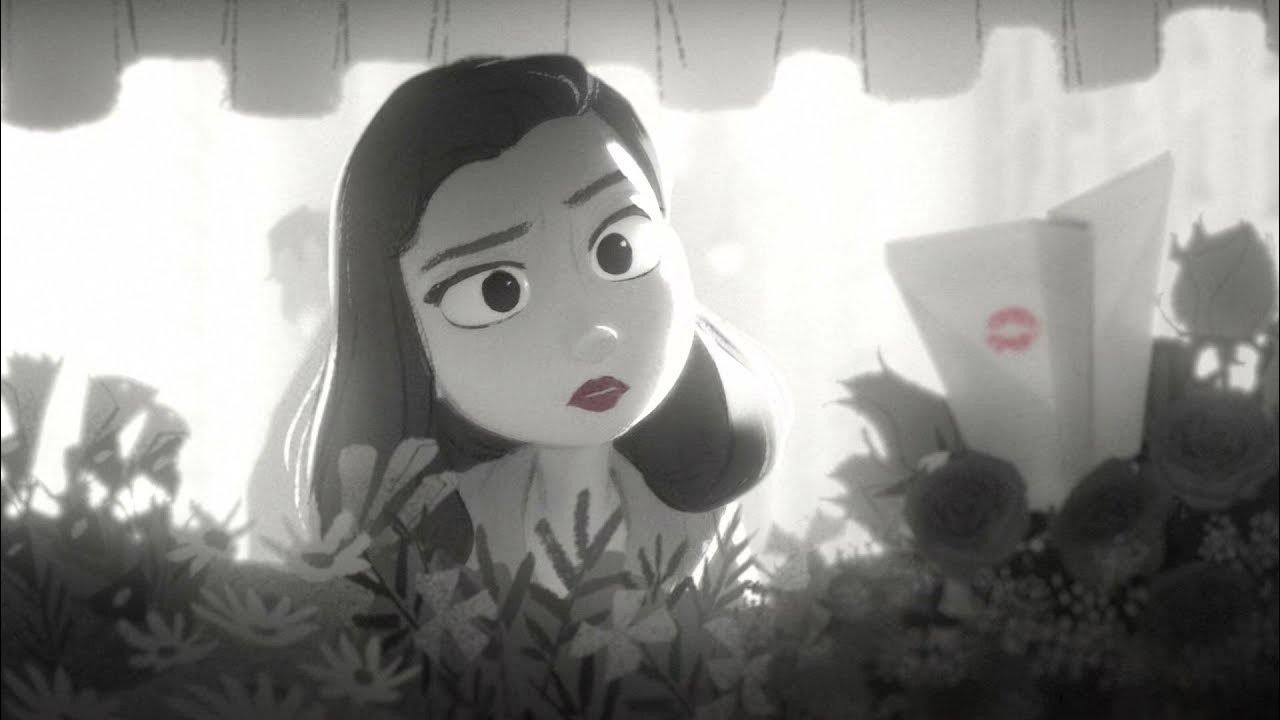
To solve this, the team at Disney developed a software called "Meander." It basically allowed animators to draw 2D lines directly onto a 3D CG framework. It wasn't just a filter or a "cel-shaded" look; it was a hybrid that allowed the characters to have the weight of a 3D model but the soul of a sketch. When you watch George (voiced by John Kahrs himself) frantically folding planes, notice the way his sleeve creases or the way the hair of Meg (voiced by Kari Wahlgren) catches the wind. It’s not mathematically "perfect" like a modern MCU character's suit; it’s poetic. Disney’s shorts are often more daring than their $200 million features, and Paperman is the ultimate evidence of that. It was the first Disney short to win an Oscar since 1969, and frankly, it deserved it for the tech alone.
A Red Smudge in a Grey World
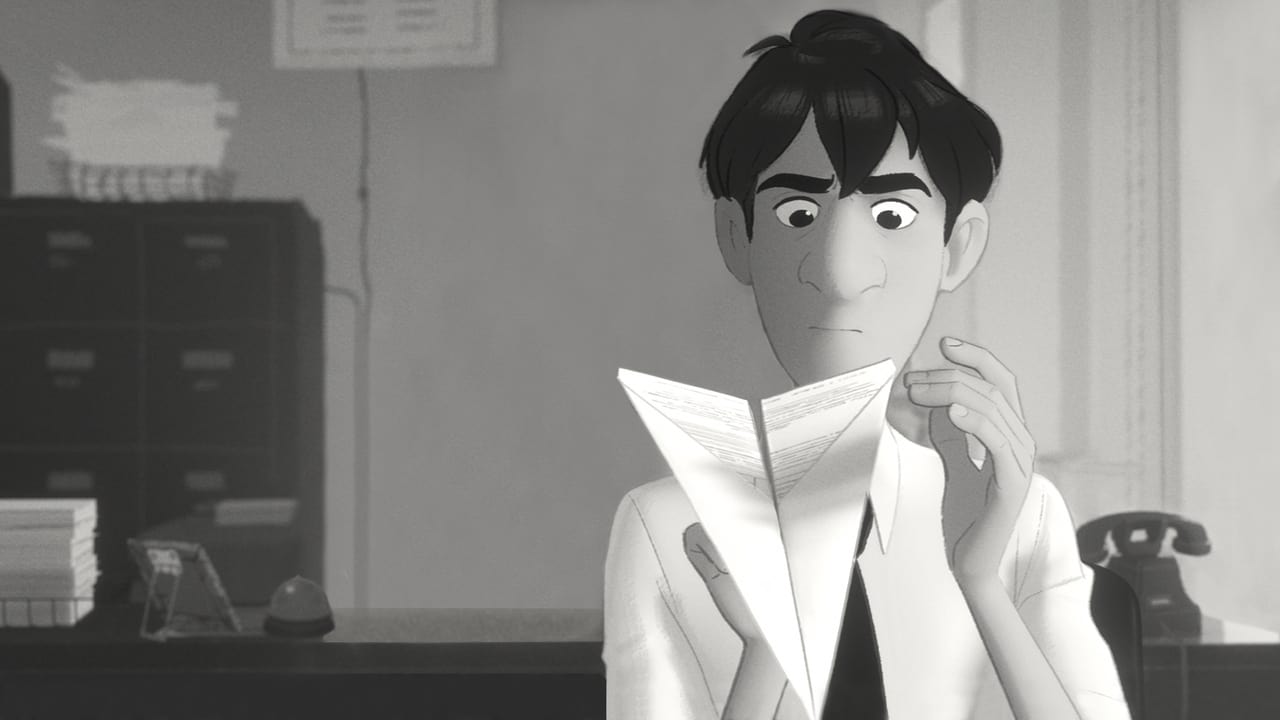
The narrative setup is deceptively simple: boy meets girl, boy loses girl, boy spends the rest of his workday trying to launch paper airplanes across a busy Manhattan street to catch her attention. It’s a silent film in every sense that matters. There’s no dialogue, only the sweeping, romantic score by Christophe Beck, which feels like it was plucked straight out of a 1940s Powell and Pressburger production.
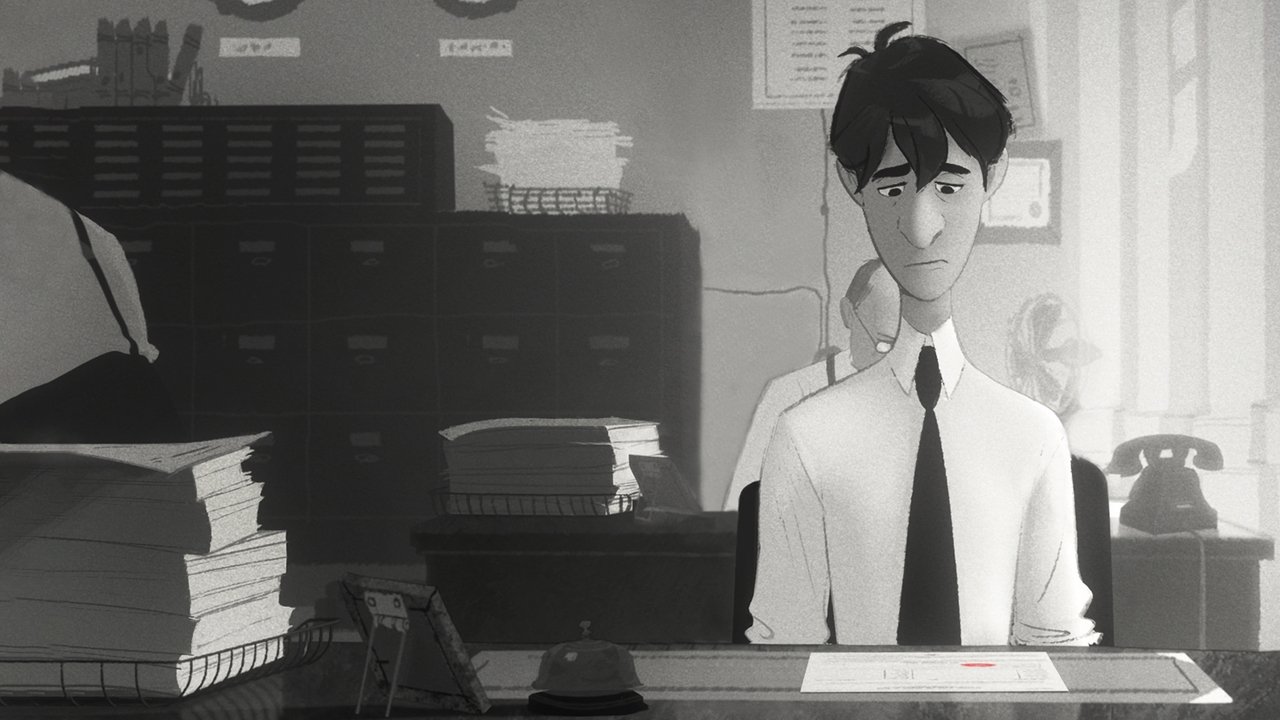
The color palette is a masterclass in restraint. It’s almost entirely black, white, and varying shades of corporate grey, reflecting the crushing anonymity of the urban grind. Then, there’s the lipstick. A single, vibrant red smudge on a sheet of paper. It functions as the film's North Star. In the "Modern Cinema" era of 1990-2014, we saw a lot of films try to use color as a heavy-handed metaphor, but here, it’s a heartbeat. It’s the only thing that feels "real" in George’s world of stacks of paperwork and a literal giant of a boss (Jeff Turley) who seems to exist only to keep George from ever looking out the window.
The Physics of Fate
Where Paperman gets truly interesting—and perhaps a bit controversial for some—is in its final act. It shifts from a grounded, relatable "meet-cute" into something approaching magical realism. When the paper planes take on a life of their own, I’ve heard people argue that it "breaks the rules" of the story. I disagree. To me, it’s a philosophical question about agency. Is the "magic" actually happening, or is the film showing us the invisible gravitational pull of two people who were meant to collide?
There’s a beautiful irony in the fact that George uses the very tool of his oppression—the endless, boring office paper—as the vehicle for his escape. It’s a meditation on finding utility in the mundane. The film asks us to grapple with the idea that the universe isn't just a series of random accidents. It suggests that if we throw enough of ourselves into the wind, something eventually has to fly back. Turns out, John Kahrs was inspired by the feeling of being a "stranger in a crowd" while commuting through Grand Central Station. He took that hollow, Y2K-era tech anxiety of "missing the connection" and turned it into a folded-up prayer.
Paperman is a rare example of a film that uses cutting-edge technology to tell a story that feels ancient. It’s a seven-minute sigh of relief. While it’s easy to get lost in the trivia of how "Meander" worked or the fact that it was produced by Kristina Reed, the real legacy of the film is its emotional efficiency. It doesn't waste a single frame. It’s a reminder that even in a world of digital perfection and corporate drones, the most powerful thing you can do is make a mess, fold a plane, and hope for a gust of wind. It’s delicate, yes, but it’s got a backbone of pure, unadulterated cinematic joy.

Keep Exploring...
-
A Goofy Movie
1995
-

Hotarubi no Mori e
2011
-
Song of the Sea
2014
-
When Marnie Was There
2014
-
The Princess and the Frog
2009
-

Tangled Ever After
2012
-
Millennium Actress
2002
-

Barbie in the 12 Dancing Princesses
2006
-
Cinderella III: A Twist in Time
2007
-
Coraline
2009
-
Barbie: Princess Charm School
2011
-
Presto
2008
-
Partly Cloudy
2009
-
Day & Night
2010
-

Secret of the Wings
2012
-
Toy Story of Terror!
2013
-
Feast
2014
-
Lava
2014
-
Tinker Bell and the Legend of the NeverBeast
2014
-
Tinker Bell and the Pirate Fairy
2014