Pitch Perfect
"High notes, low blows, and total pitch-perfection."
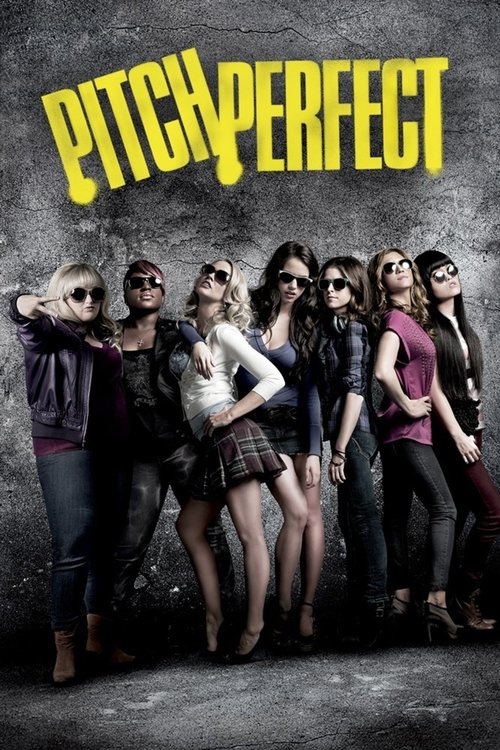
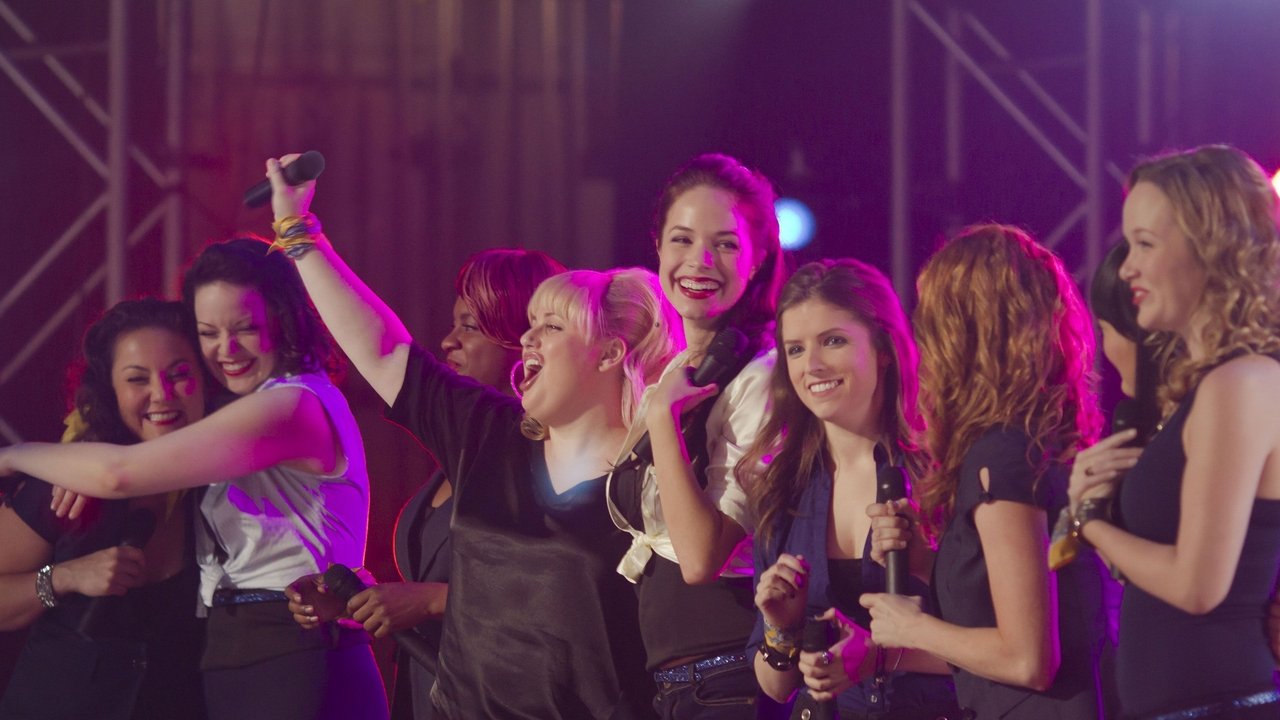
The first time I saw Pitch Perfect, I was sitting in a dorm room that smelled vaguely of burnt popcorn and cheap laundry detergent, watching it on a laptop screen that was far too small for the sheer scale of the Barden Bellas' final performance. It was 2012, the year we all thought the world might end, and if it had, at least we would have gone out trying to master the "Cups" rhythm on any flat surface within reach.
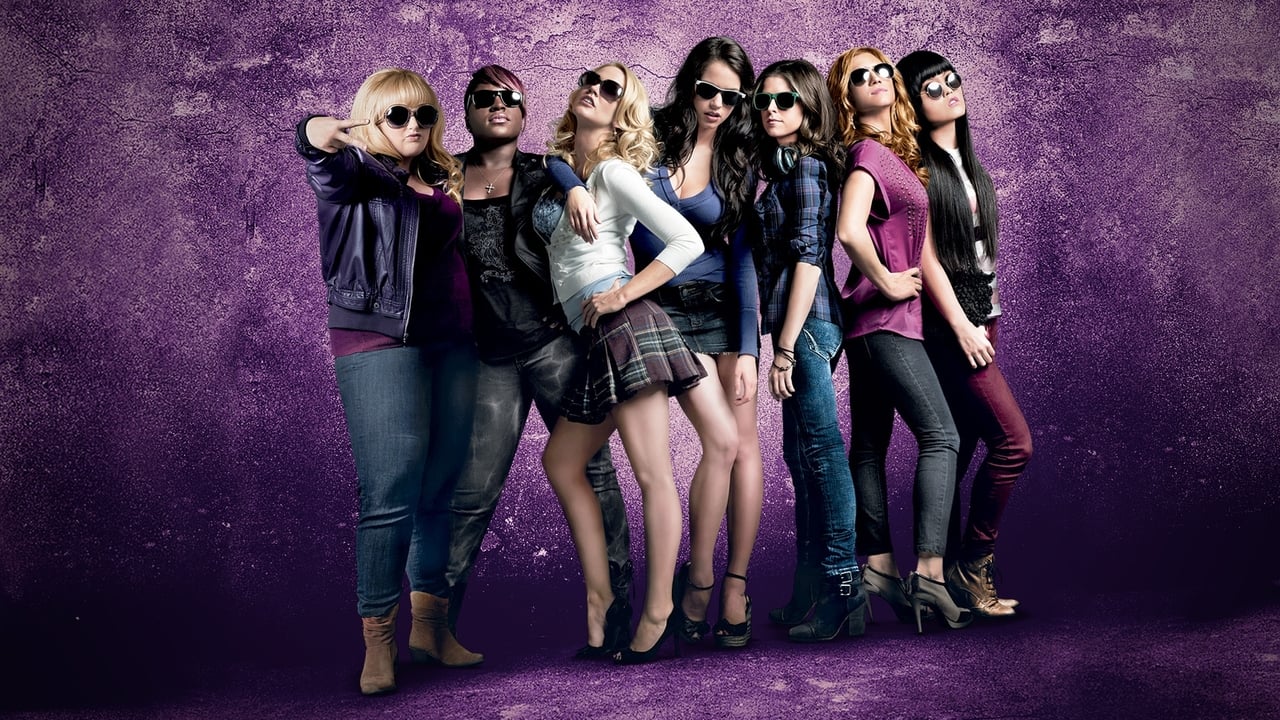
Looking back, Pitch Perfect arrived at a very specific crossroads in pop culture. We were deep in the throes of Glee mania, but the shine was starting to wear off. We wanted something that acknowledged how inherently dorky a cappella was while still making us want to buy the soundtrack. Enter director Jason Moore and screenwriter Kay Cannon, who took a non-fiction book about the cutthroat world of collegiate singing and turned it into a weird, witty, and surprisingly sharp comedy that feels like Bring It On’s musical cousin.
The Anti-Ingénue and the "Fat Amy" Factor
What makes the movie work—and what I think keeps it fresh over a decade later—is Anna Kendrick. Before she was Beca, she was the uptight Jessica in Twilight or the powerhouse in Up in the Air. Here, she’s the ultimate 2012 "cool girl" with her headphones perpetually on and a "too-cool-for-school" attitude that should be annoying but isn't. She’s the anchor that stops the movie from floating away into pure camp.
But if Kendrick is the anchor, Rebel Wilson is the runaway speedboat. As Fat Amy, Wilson walked away with the entire movie. It’s hard to overstate how much of a phenomenon she was in 2012. Her comedic timing is chaotic in the best way possible, often feeling like she’s in a completely different movie than everyone else—and yet, she’s exactly what the Bellas needed. Her chemistry with the uptight Anna Camp (Aubrey) and the chronically optimistic Brittany Snow (Chloe) creates a group dynamic that actually feels like a college clique: a bunch of people who have absolutely nothing in common except one very specific, very niche hobby.
Honestly, the Treblemakers are essentially a collection of human Axe Body Spray bottles, but even they work because of Skylar Astin's Jesse. He’s the "movie geek" romantic interest, a trope that was peaking in the early 2010s, but he plays it with so much genuine sincerity that you forgive the fact that his character's entire personality is just "loving The Breakfast Club."
The Riff-Off and the Digital Transition
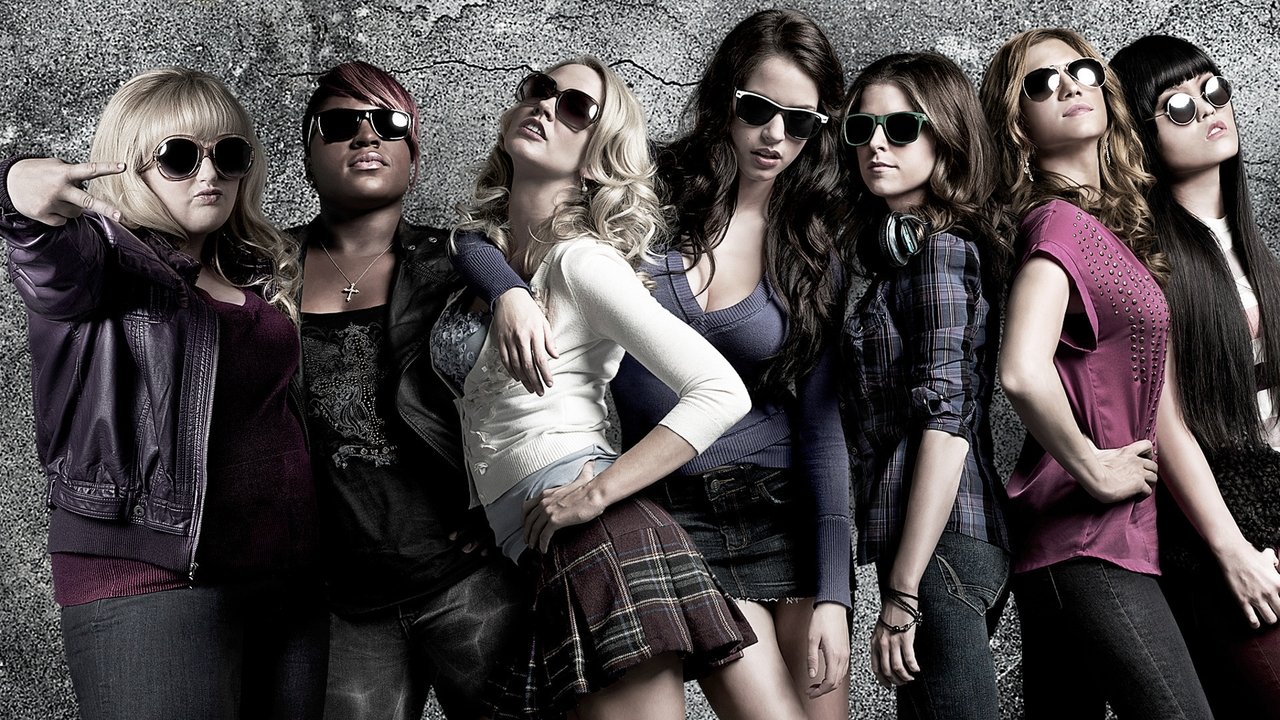
Technically, the film is a product of that interesting "Modern Cinema" era where digital cameras were finally starting to look as rich as film, and the editing was adapting to a generation raised on YouTube. The "Riff-Off" scene is a masterclass in rhythmic editing. It’s the centerpiece of the film, and it’s where the movie proves it isn't just a collection of jokes—it’s a legitimate musical.
There’s a precision to the sound mixing here that was groundbreaking for its time. Unlike earlier movie musicals that felt overly dubbed, the arrangements in Pitch Perfect feel tactile. You can hear the beatboxing of Ester Dean and the vocal bass lines, which was a refreshing change from the heavily autotuned "wall of sound" common in 2012 pop.
The film also captured the very beginning of the "viral marketing" era. Anna Kendrick actually learned the "Cups" song after seeing a video on Reddit (the original being by the band Lulu and the Lampshades). The studio saw her do it, put it in the movie, and it became a quadruple-platinum hit. It was one of the last times a movie song felt like a genuine organic discovery rather than a pre-packaged TikTok sound.
A Box Office "Beca-Sly" Success
When you look at the numbers, Pitch Perfect is a fascinating case study in "legs." It didn't open as a massive #1 hit. Produced on a relatively modest $17 million budget by Elizabeth Banks and her team, it opened in limited release before expanding. It relied on word-of-mouth, eventually grossing over $115 million worldwide. It was a sleeper hit that became a cultural juggernaut, spawning two sequels and a TV spin-off.
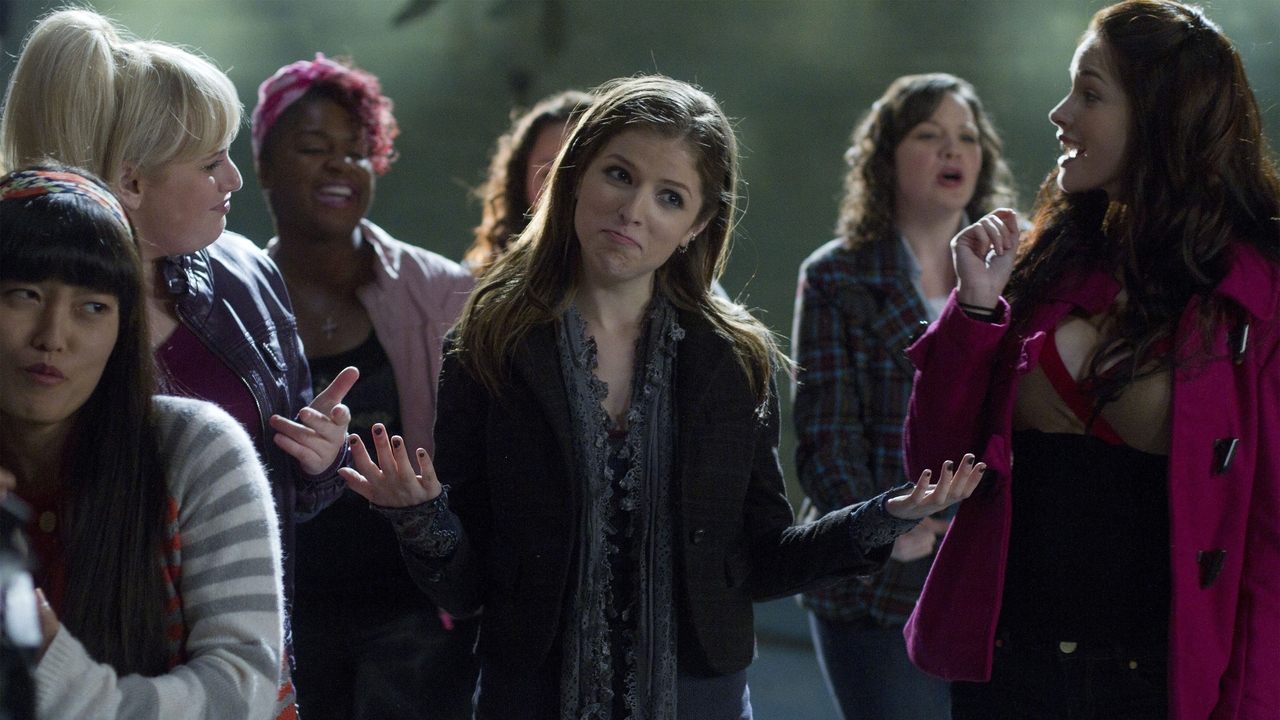
The production stories are just as charmingly scrappy as the Bellas themselves. For instance, that infamous projectile vomiting scene? The "vomit" was a mixture of oatmeal and beet juice, and the actress who had to take the brunt of it, Anna Camp, reportedly had to do multiple takes of being doused in the stuff. It was the film’s way of saying: "We aren't Glee; we're gross and weird."
Ultimately, Pitch Perfect succeeds because it trusts its audience to be "in" on the joke. It parodies the tropes of sports movies—the training montages, the heartbreaking loss, the final comeback—but replaces the football with vocal runs. It’s a movie that rewards rewatching, mostly because the background jokes and the deadpan delivery from the commentators (played by Elizabeth Banks and John Michael Higgins) are often funnier than the main plot.
It captures a specific moment in the early 2010s before the world got significantly darker. It’s a film about finding your "people" in the oddest of places, and it does so with a screenplay that’s much smarter than a movie about singing aca-people has any right to be. Even if you don't like a cappella, you'll probably walk away trying to flip a plastic cup. My cat actually knocked a full glass of water onto my laptop during the final mash-up scene, and I didn't even move to clean it up until the credits rolled. That's the power of a good Barden Bella arrangement.
Keep Exploring...
-
Pitch Perfect 2
2015
-
Pitch Perfect 3
2017
-
Music and Lyrics
2007
-

High School Musical 3: Senior Year
2008
-
Hannah Montana: The Movie
2009
-
High School Musical 2
2007
-
Nick and Norah's Infinite Playlist
2008
-
Bridesmaids
2011
-
Begin Again
2014
-
Another Cinderella Story
2008
-

Starstruck
2010
-
Juno
2007
-
Knocked Up
2007
-
27 Dresses
2008
-

Forgetting Sarah Marshall
2008
-
Step Up 2: The Streets
2008
-

17 Again
2009
-
He's Just Not That Into You
2009
-
The Proposal
2009
-
Love & Other Drugs
2010