Red Dawn
"A city invaded, a legacy digitally altered."
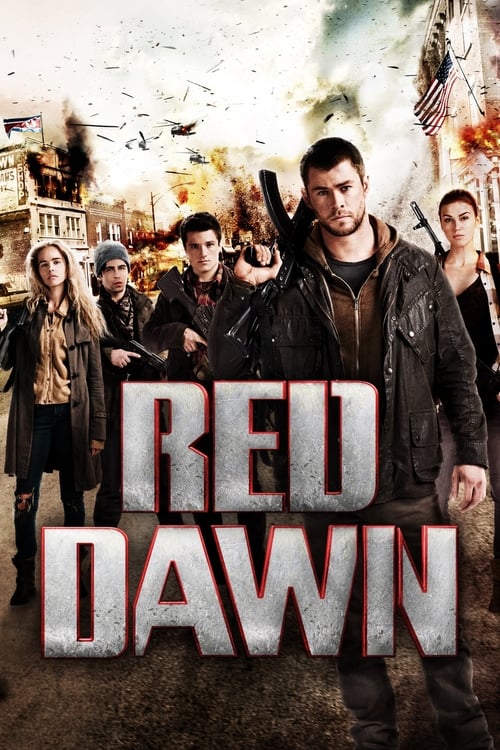
The most fascinating thing about the 2012 remake of Red Dawn isn't on the screen—it’s the digital ghosts haunting the background. If you look closely at the enemy uniforms or the propaganda posters, you might notice something a bit "off," like a patch that doesn’t quite sit right on a sleeve. That’s because this movie is a relic of a very specific moment in the "Modern Cinema" era where Hollywood’s desire for global box office gold collided head-on with political reality. Originally, the invaders were the Chinese army. However, realizing they’d never get a cent of revenue from the massive Chinese market if they made them the villains, the studio spent $1 million in post-production to digitally swap every flag and insignia to North Korean.
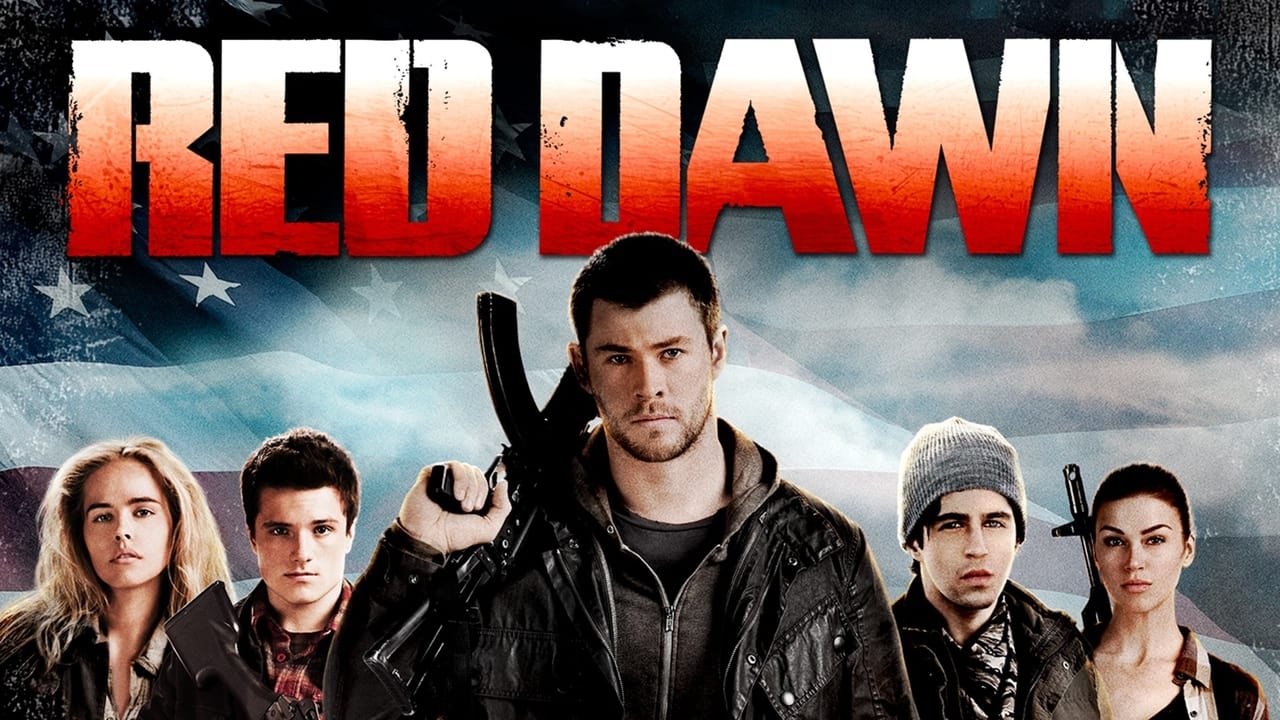
I watched this film on a Tuesday afternoon while eating a bowl of cereal that had gone slightly soggy, which, honestly, felt like the perfect culinary pairing for a movie that had spent three years sitting on a dusty shelf due to MGM’s bankruptcy. By the time it finally hit theaters, Chris Hemsworth had already become a global superstar as the God of Thunder in The Avengers, making his presence here feel like a transmission from a previous life.
Guerrilla Warfare in the Suburbs
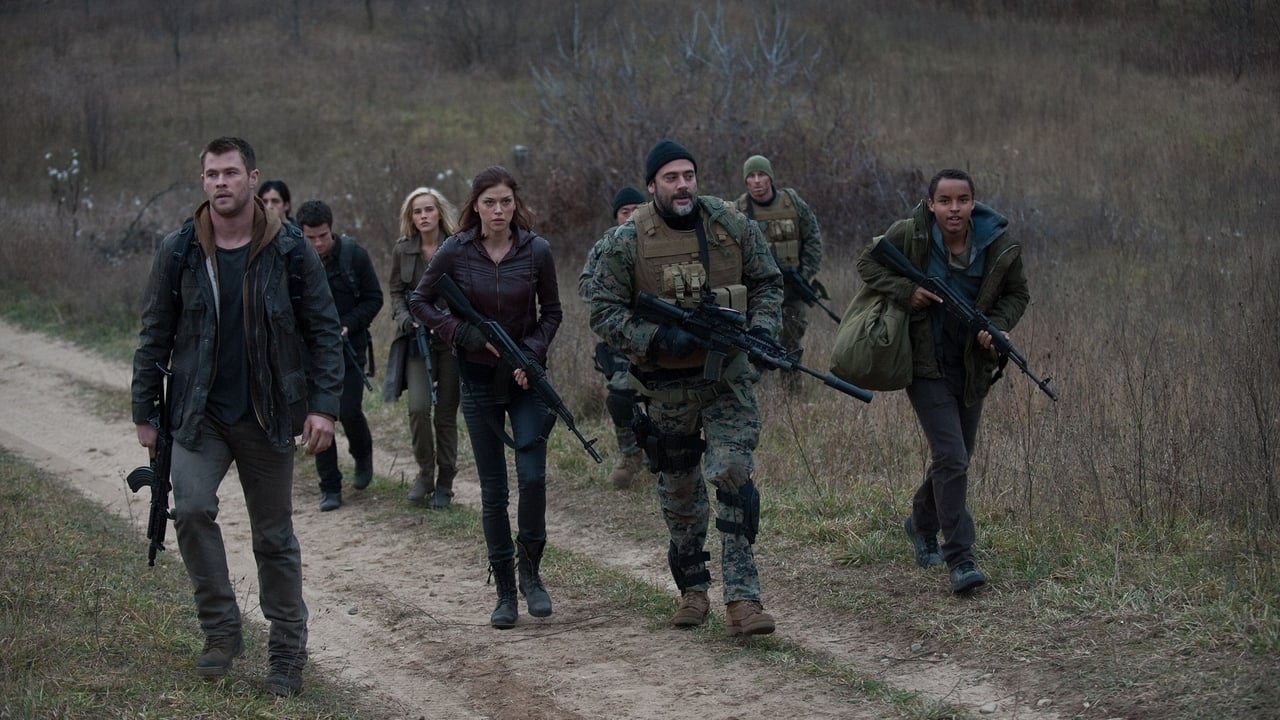
The premise remains as gloriously absurd as the 1984 original: a foreign power manages to land paratroopers in the middle of a Washington state suburb without anyone noticing until they’re literally hitting the pavement. This time, instead of the Cold War dread of the Reagan era, we get a post-9/11 anxiety cocktail mixed with early 2010s "Modern Warfare" aesthetics. The town of Spokane is occupied, and a group of high schoolers—led by Hemsworth's Jed Eckert, an Iraq War vet on leave—heads for the hills to start a resistance.
The problem is that the film never quite decides if it wants to be a gritty survival drama or a glossy teen adventure. Josh Peck plays Matt Eckert, Jed’s hot-headed younger brother, and I’ll just say it: Josh Peck is to gritty action what a marshmallow is to a knife fight. Every time he tried to channel "rebel soldier angst," I found myself waiting for him to make a joke about Oprah. The chemistry between the brothers is the engine of the film, but it frequently stalls because the script treats their relationship like a checklist of cliché arguments rather than a lived-in bond.
The Stuntman’s Perspective
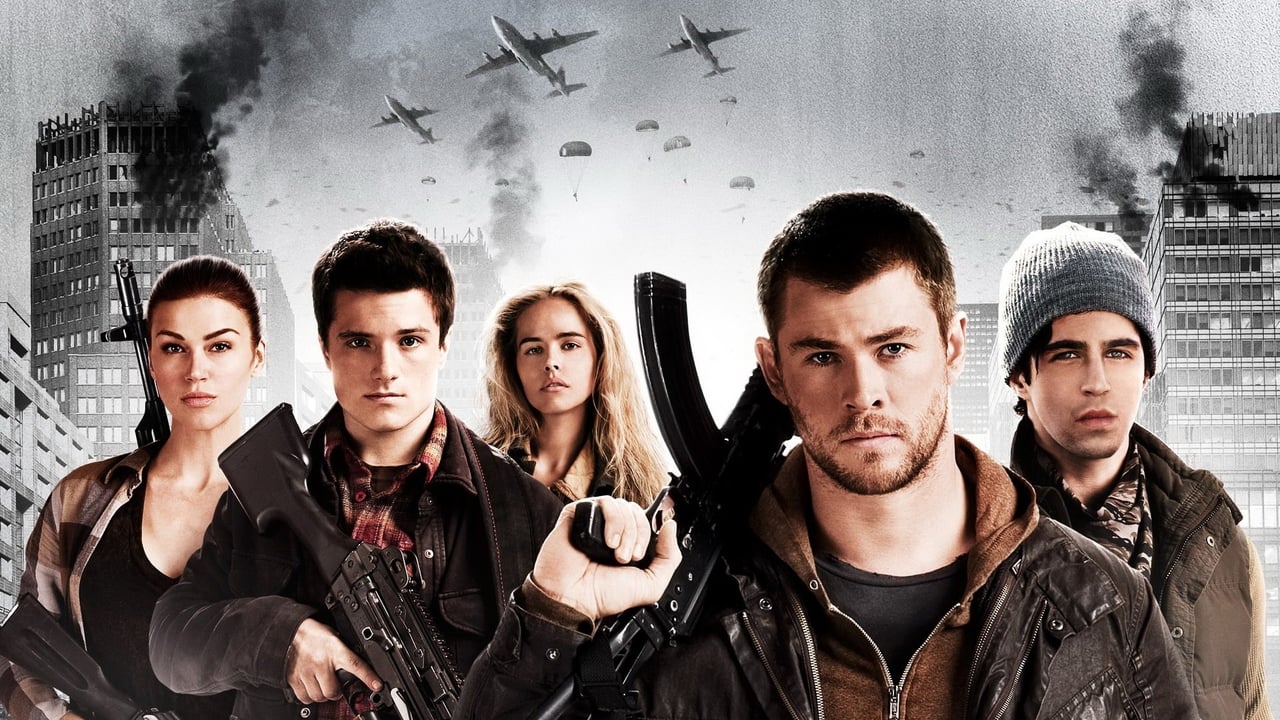
If there is a saving grace here, it’s the direction of Dan Bradley. This was his directorial debut, but he’s a legend in the industry as a stunt coordinator and second-unit director, having worked on the Bourne trilogy and Quantum of Solace. You can feel that DNA in the action sequences. The initial invasion sequence is genuinely chaotic and terrifying, capturing the "shaky-cam" energy that dominated the era.
There’s a tangible, physical weight to the car chases and the urban skirmishes that CGI-heavy movies often lack. I appreciated that when a car flips or a building explodes, it feels like it’s actually happening in a real geographical space. Adrianne Palicki (Friday Night Lights, John Wick) also brings a much-needed toughness to the group as Toni, showing more combat-ready poise than most of the male leads.
However, the film suffers from the "invincible teenager" trope that plagued so many YA-adjacent films of the early 2010s. Within what feels like forty-eight hours, these kids go from playing football to performing complex tactical maneuvers that would make a Navy SEAL sweat. They basically turn into the Delta Force of the Pacific Northwest because they had one weekend of camping with Thor. It’s fun in a "turn your brain off" sort of way, but it lacks the genuine sense of loss and desperation that made the original Red Dawn a cult classic.
A Time Capsule of Transition
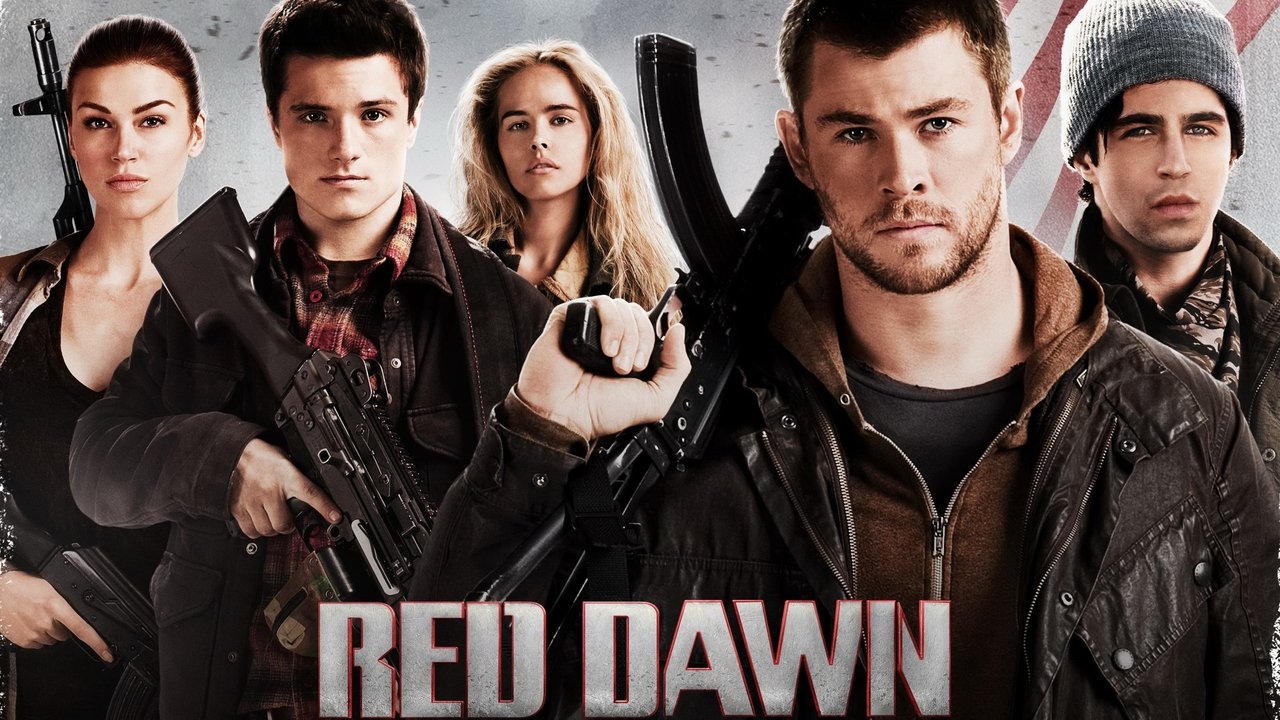
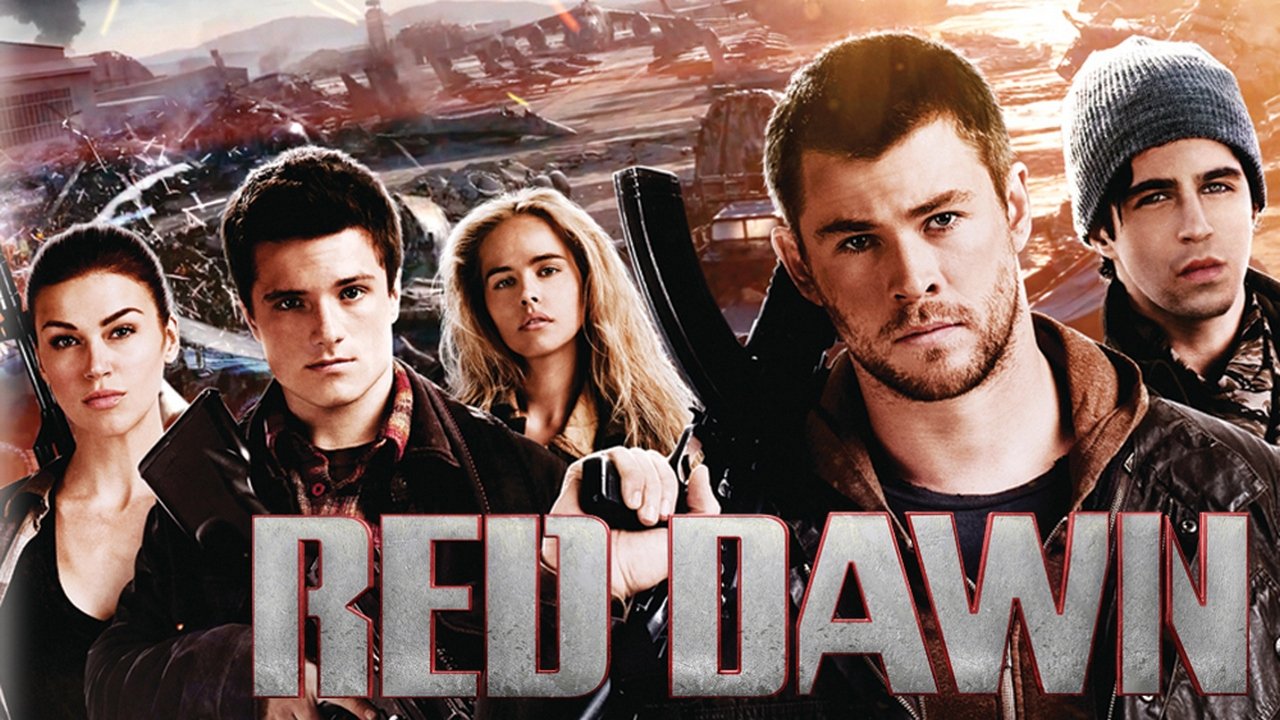
Looking back, the 2012 Red Dawn is a perfect example of the transition from the grit of the 2000s to the franchise-obsessed 2010s. You’ve got Josh Hutcherson right as The Hunger Games was taking off, and even a young Connor Cruise in the mix. It was a movie trying to launch a new "Wolverines" brand in an era where audiences were starting to demand more than just "reboot what worked before."
Apparently, the cast underwent an intensive military training camp in the mountains before filming, which included learning how to fire live rounds and clear rooms. It’s a shame that the script didn’t match that level of commitment. The movie isn't a disaster—it’s a competent, fast-paced actioner that works well enough for a 5-minute distraction or a rainy afternoon—but it’s ultimately overshadowed by its own production history. It’s a movie that was finished, shelved, digitally altered, and then released into a world that had already moved on to the next big thing.
The 2012 Red Dawn is a loud, occasionally thrilling, but mostly forgettable echo of a better movie. It serves as a fascinating footnote in the careers of its stars, particularly Chris Hemsworth, who carries the film on his very broad shoulders. If you’re a fan of stunt-driven action or you just want to see what a $1 million digital nationality-swap looks like, it’s worth a look. Just don't expect it to stir any deep patriotic fervor or reinvent the genre. In the end, it’s a movie that yells "Wolverines!" with plenty of volume but not quite enough heart.
Keep Exploring...
-
Cirque du Freak: The Vampire's Assistant
2009
-
Race to Witch Mountain
2009
-
Drive Angry
2011
-
Bullet to the Head
2012
-
Carriers
2009
-
Takers
2010
-
Seeking Justice
2011
-
Act of Valor
2012
-
Stand Up Guys
2012
-
Dead Man Down
2013
-
Killing Season
2013
-
Machete Kills
2013
-
Sabotage
2014
-

G.I. Joe: Retaliation
2013
-
Assassins
1995
-

Under Siege 2: Dark Territory
1995
-
Chain Reaction
1996
-
Daylight
1996
-
Escape from L.A.
1996
-
The Peacemaker
1997