Resident Evil: Damnation
"Leon Kennedy’s Worst European Vacation Yet"
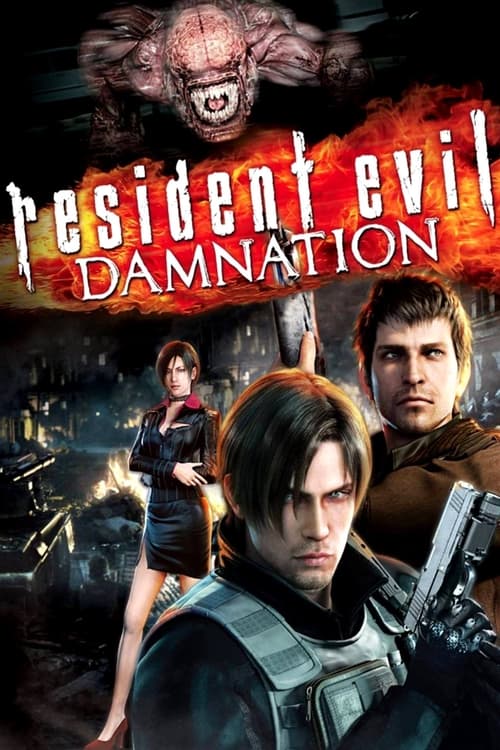
I remember the first time I watched Resident Evil: Damnation. I was huddled over a laptop in a dimly lit dorm room, eating a bowl of Honey Bunches of Oats—the kind with the extra almond clusters—and feeling a strange sense of relief. After years of watching the live-action film franchise veer off into a desert-landscape superhero saga that had almost nothing to do with the games, Damnation felt like a homecoming. It wasn't just a movie; it was a "cutscene" that finally respected my intelligence as a fan.
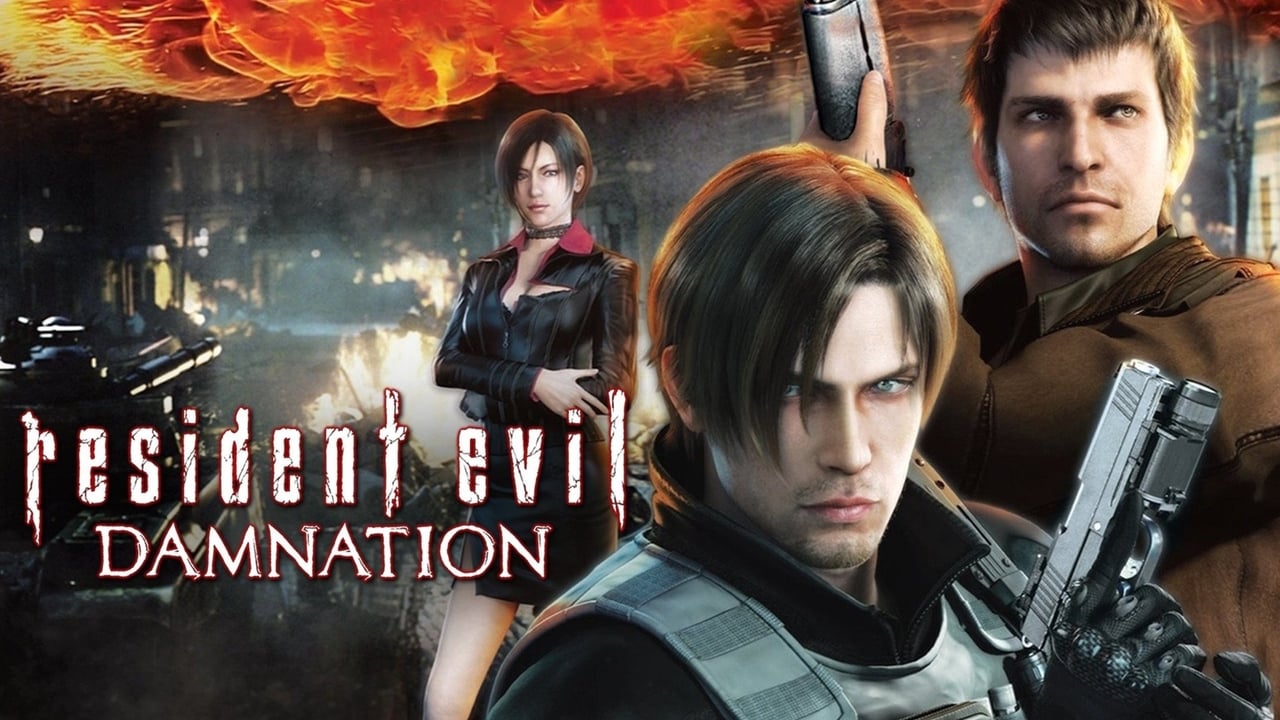
Released in 2012, Damnation arrived at a fascinating crossroads for the Resident Evil brand. The games were leaning heavily into "action-horror," nearly abandoning the "survival" part of the equation, and this film reflects that high-octane shift. It’s a relic of that specific window in cinema where CGI was transitioning from "impressive for a computer" to "actually looks like a movie."
A Political Powder Keg with Monsters
While the live-action films were busy blowing up the entire world, director Makoto Kamiya and writer Shoutarou Suga decided to keep things grounded—well, as grounded as you can be when there are giant monsters involved. We follow Leon S. Kennedy into the fictional "East Slavic Republic," a place caught in a gritty civil war. This isn't just about zombies in a mansion; it’s about the terrifying reality of what happens when biological weapons are treated like artillery.
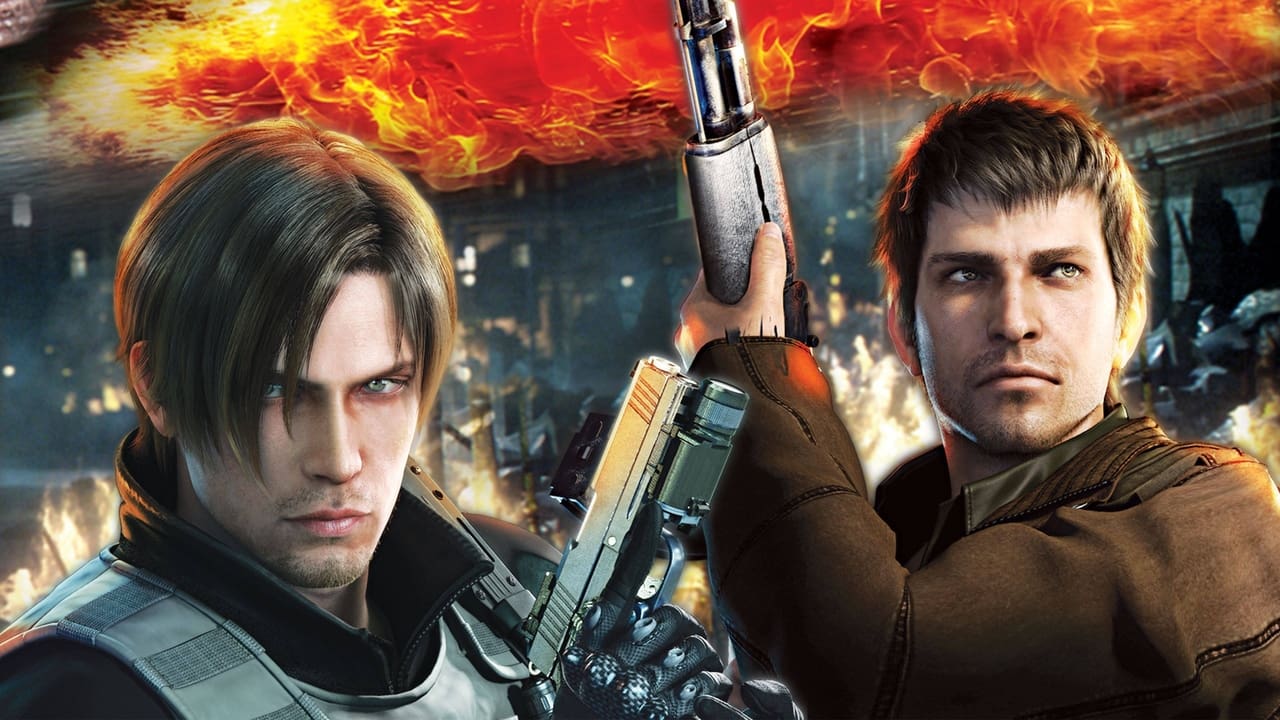
The film does a fantastic job of establishing a post-9/11 atmosphere. There’s a palpable sense of cynicism regarding international intervention and the "war on terror." Leon is told to pack up and leave by his own government just as things get interesting, and his decision to stay and go rogue is peak Leon. He’s no longer the rookie cop from Raccoon City; he’s a weary, sarcastic veteran who has seen too many people turn into puddles of goo. Matthew Mercer provides the voice here, and honestly, Mercer is the definitive Leon Kennedy for me. He brings a dry, "I'm too old for this" wit that balances the absurdity of the plot.
The Art of the Biological Weapon

From a horror perspective, Damnation excels by focusing on the "monsters as tools" angle. The Lickers in this film are genuinely unsettling, not just because of their exposed brains and long tongues, but because they are being controlled. There’s a specific kind of dread in seeing a monster that usually hunts you in the dark suddenly acting like a loyal German Shepherd for a rebel fighter.
The creature design stays remarkably true to the source material, which is something the 2012 era of CGI really started to master. We see the return of the Tyrants—tall, trench-coat-wearing hulks that move with a terrifying, unstoppable momentum. The final act of the movie is essentially a giant "boss battle," but it’s choreographed with more spatial awareness and tension than most of the big-budget blockbusters of that year. It’s basically a $100 million action movie made for a fraction of the cost because they didn't have to pay for catering or trailers.
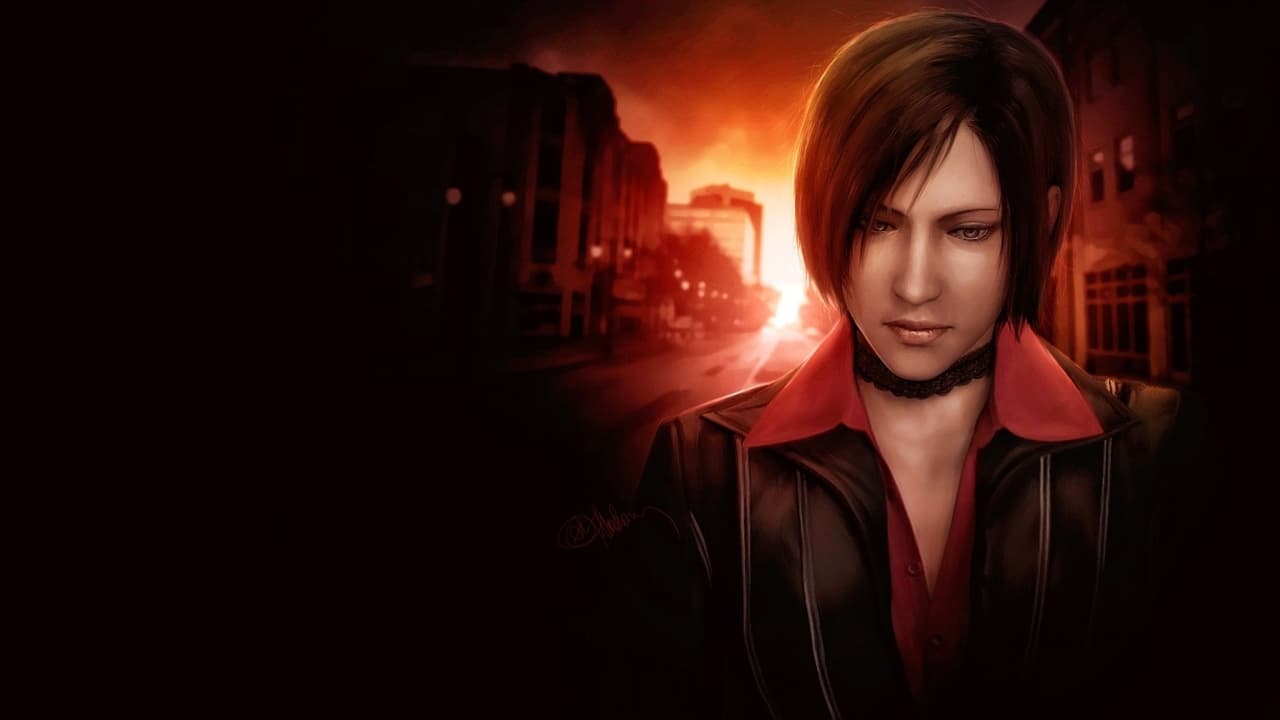
The motion capture work, handled by Digital Frontier, shows the era's growing pains but also its ambitions. While the human faces can occasionally slip into the "uncanny valley"—that weird space where they look almost real but slightly robotic—the action choreography is top-tier. The fight between Leon and Courtenay Taylor’s Ada Wong is a highlight, capturing that playful, dangerous chemistry the two have shared since 1998.
Why It Vanished Into the Vaults

Despite being a superior piece of Resident Evil media, Damnation mostly lived on DVD and Blu-ray shelves, overshadowed by the loud, leather-clad theatrical releases. It’s a "fan-service" film in the best way possible, but that also meant it didn't get the marketing push it deserved. In 2012, "direct-to-video" still carried a bit of a stigma, a leftover sentiment from the VHS days that these were "lesser" movies.
Looking back, that stigma was totally unfair. Damnation serves as a bridge between the analog horror of the 90s and the digital spectacle of the 2010s. It’s a movie that knows exactly what it is: a gritty, political thriller that happens to feature a guy in a tactical vest fighting monsters the size of city buses. It doesn't overstay its welcome, and it treats its lore with a reverence that was rare for video game adaptations at the time.
Ultimately, Resident Evil: Damnation is the perfect Friday night watch for someone who wants the thrills of a horror game without the stress of holding the controller. It captures a specific moment in the CGI revolution where the technology finally caught up to the imagination of the game designers. If you can look past the occasional stiff facial expression, you’ll find a surprisingly smart, action-packed story that understands why we fell in love with this nightmare in the first place. It's a reminder that sometimes the best way to experience a franchise is to step away from the Hollywood glitz and get back to the monsters in the dark.
Keep Exploring...
-
Resident Evil: Degeneration
2008
-
Resident Evil: Death Island
2023
-
Resident Evil: Vendetta
2017
-

Evangelion: 1.0 You Are (Not) Alone
2007
-

Evangelion: 2.0 You Can (Not) Advance
2009
-

Evangelion: 3.0 You Can (Not) Redo
2012
-
Dragon Ball Z: Battle of Gods
2013
-
Astro Boy
2009
-
Carriers
2009
-

Superman/Shazam!: The Return of Black Adam
2010
-
Batman: The Dark Knight Returns, Part 1
2012
-
Justice League: Doom
2012
-
Justice League: The Flashpoint Paradox
2013
-

Dragon Ball Z: The Return of Cooler
1992
-

Dragon Ball Z: Broly - The Legendary Super Saiyan
1993
-

Dragon Ball Z: Fusion Reborn
1995
-

Cowboy Bebop: The Movie
2001
-
Final Fantasy VII: Advent Children
2005
-
Lake Placid
1999
-
Batman Beyond: Return of the Joker
2000