Rise of the Guardians
"The Avengers of your childhood dreams."
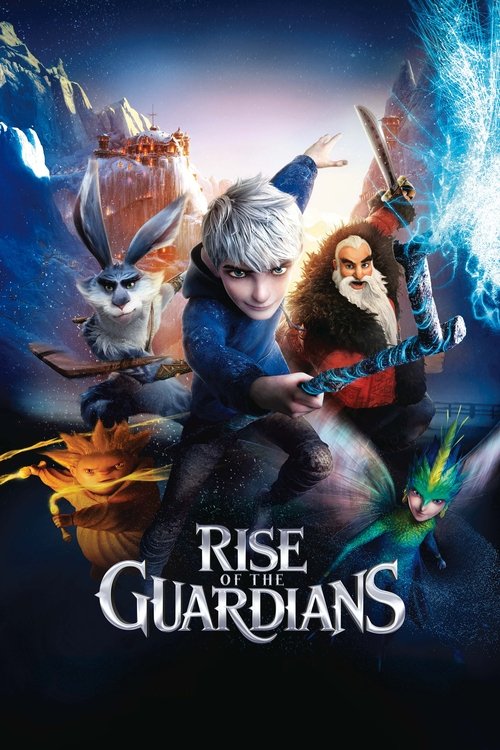
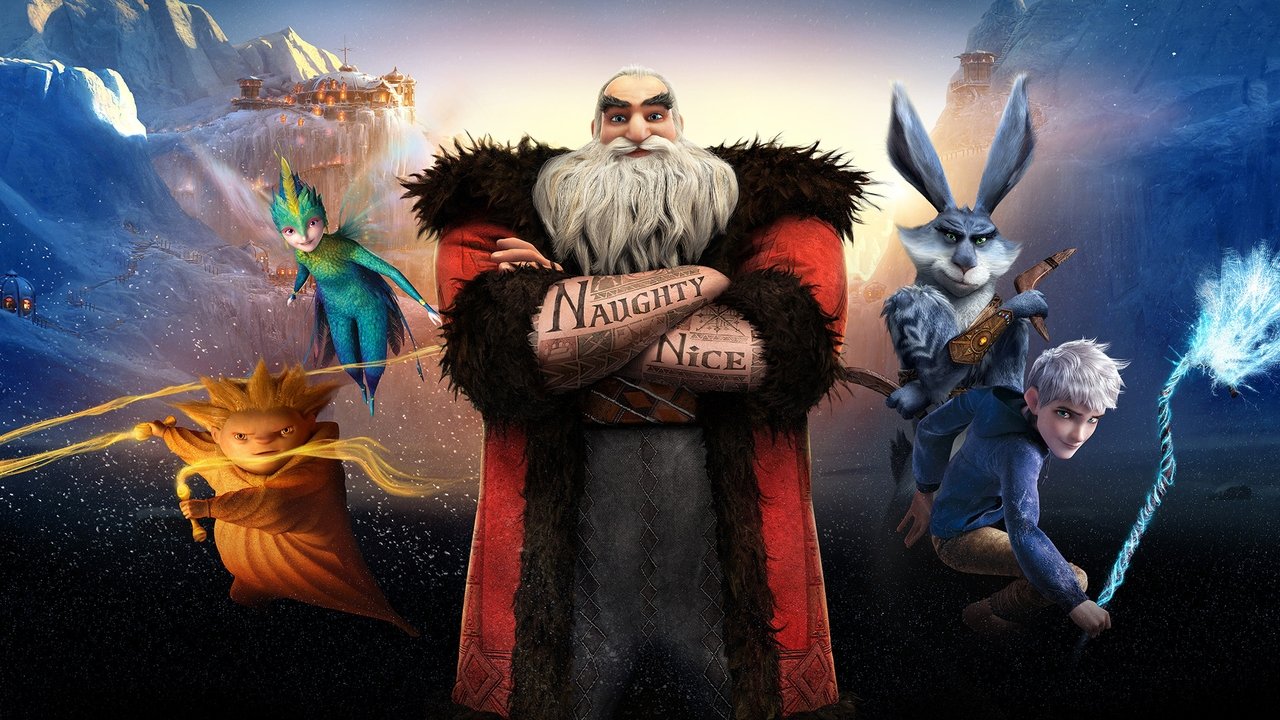
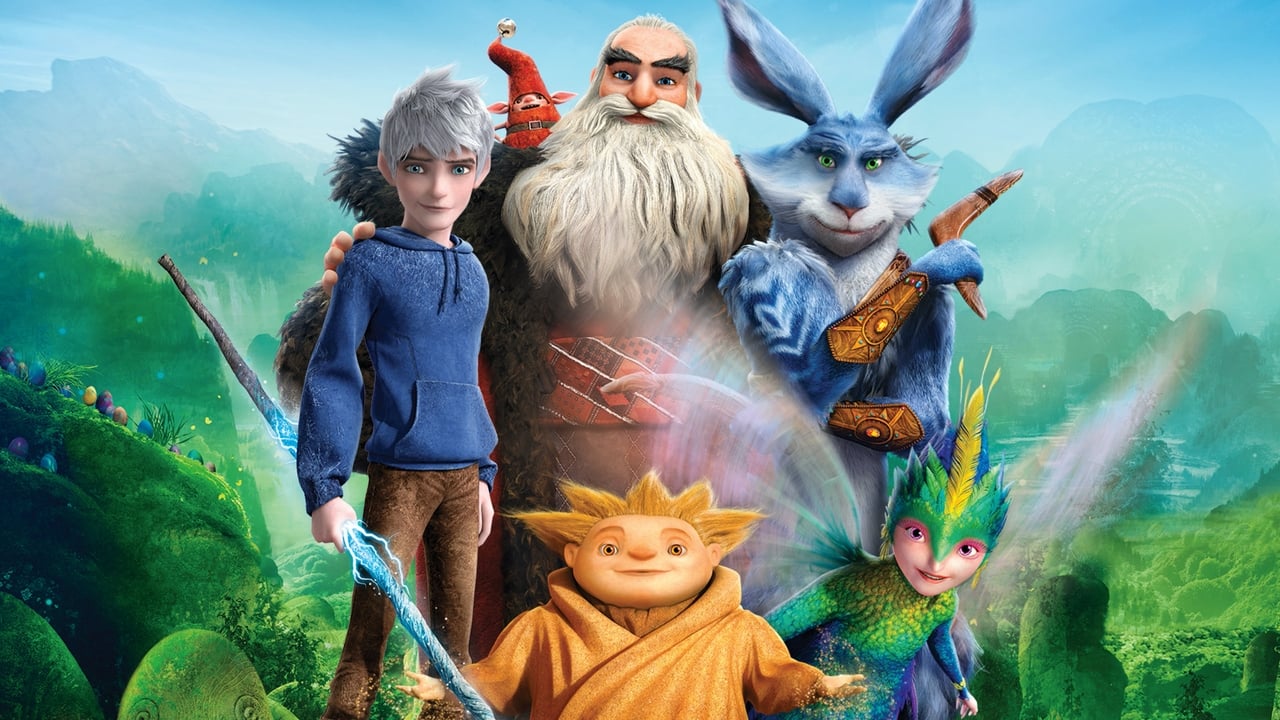
Imagine if the Avengers didn't wear spandex, but instead smelled of peppermint, wood shavings, and old-growth forest. That was the pitch for Rise of the Guardians in 2012, a year when Marvel’s The Avengers was rewriting the rulebook on how to sell a franchise. While the world was busy watching Iron Man and Captain America trade quips, DreamWorks was quietly assembling a much stranger, much more soulful team: a Russian-accented Santa with "Naughty" and "Nice" tattooed on his forearms, a six-foot-one boomerang-wielding Easter Bunny, and a mute Sandman who communicates entirely in golden emojis.
I watched this for the first time on a Tuesday afternoon while unsuccessfully trying to fix a leaky kitchen faucet, and for ninety-seven minutes, the fact that I was ankle-deep in lukewarm water didn't matter one bit. There is a kinetic, almost desperate energy to this film that makes it feel less like a "kids' movie" and more like a high-fantasy epic that just happens to feature the Tooth Fairy.
Reimagining the Icons
By 2012, the CGI revolution had moved past the "can we make hair look real?" phase and into the "how do we make this look like art?" phase. Chris Pine voices Jack Frost, our resident emo-teen protagonist who just wants to be seen. He’s the entry point into a secret world where the Guardians of Childhood protect the "lights" (the souls of children).
What’s fascinating looking back is how the film treats these icons. This was the era of the "gritty reboot," and while Rise of the Guardians isn't exactly The Dark Knight, it’s definitely not your grandma’s holiday special. Alec Baldwin's North (Santa) is a warrior-philosopher who treats toy-making like a high-stakes engineering project. Hugh Jackman voices Bunny as a literal outback commando, and the decision to make the Easter Bunny a terrifyingly buff Australian is the kind of unhinged creative choice I live for.
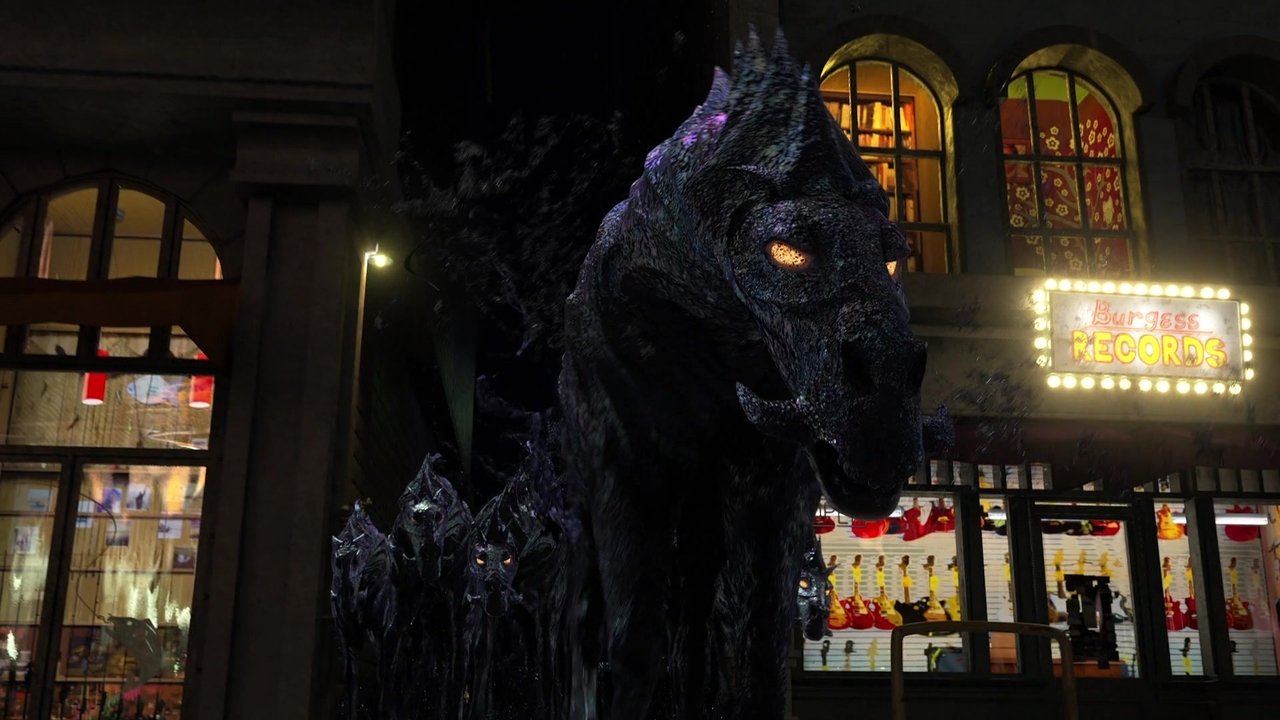
The villain, Pitch Black (voiced with oily, Shakespearean menace by Jude Law), is a direct reflection of post-9/11 anxieties. He doesn’t want to steal toys; he wants to replace hope with fear. In a cinematic landscape that was becoming increasingly corporatized, Pitch feels like a surprisingly sharp metaphor for the cynical "adult" world trying to snuff out the imagination of the next generation.
The Craft of the Chaos
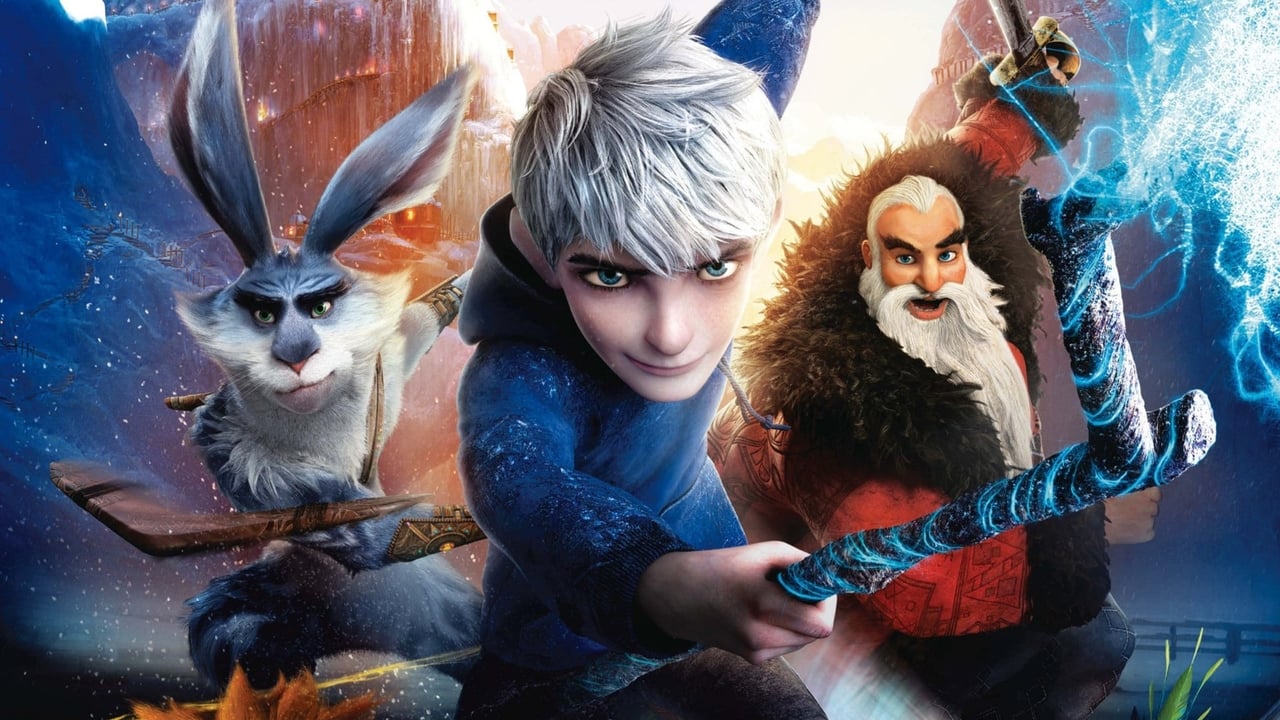
Director Peter Ramsey—who would later go on to give us the masterpiece Spider-Man: Into the Spider-Verse (2018)—brought a level of action choreography here that was frankly light-years ahead of what Disney was doing at the time. The sleigh-ride sequence isn't just a whimsical trip; it’s a high-speed chase with G-force and weight. The camera doesn't just sit there; it dives, weaves, and pulls focus in a way that feels like it was shot by a real cinematographer rather than rendered on a server farm.
Apparently, Guillermo del Toro served as an executive producer, and his DNA is all over the production design. You can see it in the clockwork complexity of the North Pole and the gothic, shadowy depths of Pitch’s lair. It’s a film that trusts its audience to handle a little darkness.
The score by Alexandre Desplat (The Shape of Water, The Grand Budapest Hotel) is another secret weapon. Instead of leaning on pop song needle-drops—the bane of many 2000s animated films—Desplat delivers a lush, orchestral soundscape that gives the film a sense of timelessness. It makes the stakes feel real, even when those stakes involve a giant rabbit jumping through magical holes in the ground.
The Cult of Frost
Despite the pedigree and the $145 million budget, the film famously underperformed at the box office, leading to a massive write-down for DreamWorks. It was a "flop" by Hollywood standards, but that’s where the story gets interesting. In the decade since, it has morphed into a genuine cult classic.
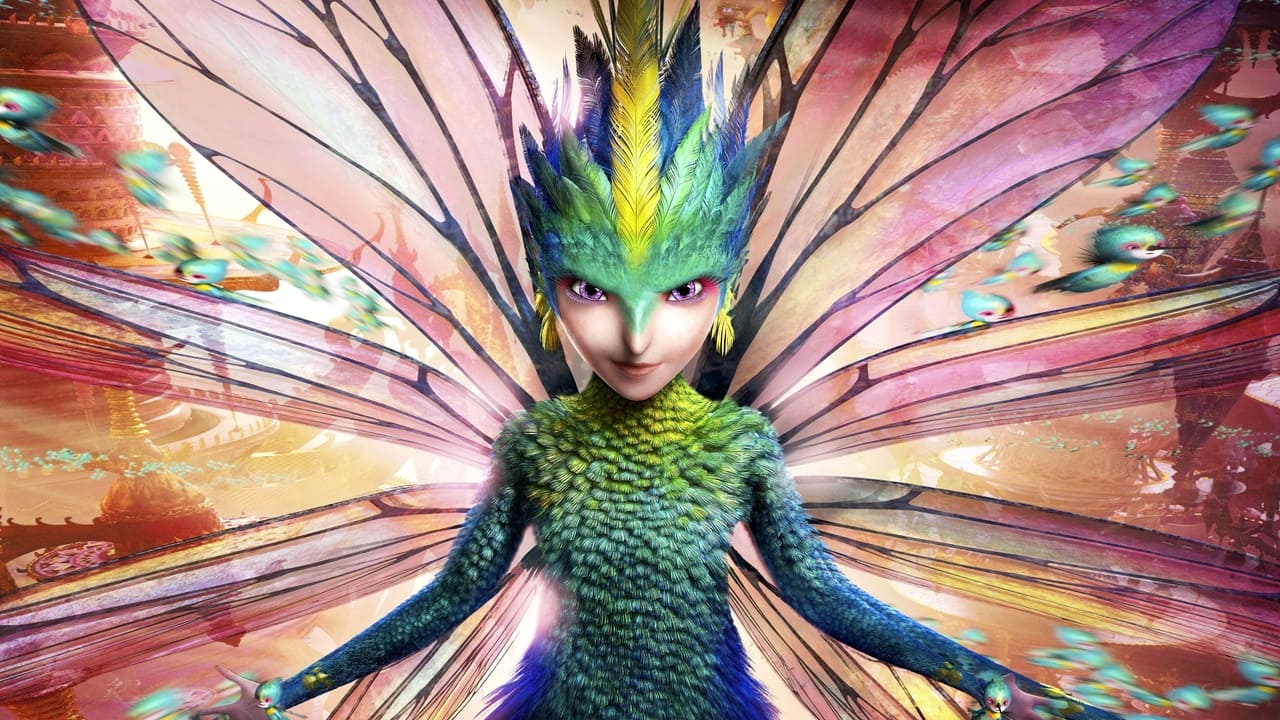
If you spent any time on the creative corners of the internet in the mid-2010s, you couldn't escape Jack Frost. The character inspired a level of fan devotion—and fan art—that rivaled major anime franchises. People saw something in the film’s loneliness and its themes of "being seen" that resonated far more than the marketing team ever expected. It even spawned a massive crossover fandom known as "The Big Four," where fans wrote elaborate stories linking Jack Frost with characters from Brave, Tangled, and How to Train Your Dragon.
A few bits of trivia for the collectors out there:
Leonardo DiCaprio was originally cast as Jack Frost before Chris Pine took over. It’s based on the book series The Guardians of Childhood by William Joyce, who was also a pioneer in early CGI short films. Peter Ramsey was the first African-American to direct a big-budget animated feature. The Sandman’s "dreamsand" effects were so technically demanding that they required an entirely new set of software tools to render the billions of individual particles. * The "Naughty" and "Nice" tattoos on Santa’s arms were Alec Baldwin’s idea to give the character more "heft."
Rise of the Guardians is a relic of that brief, beautiful window where big studios were willing to take massive financial risks on weird, atmospheric fantasies. It isn't perfect—the pacing in the second act gets a bit frantic—but it has more heart in its pinky finger than most of the assembly-line sequels we get today. It’s a film that understands that childhood isn't just about bright colors and giggles; it’s about the battle to keep believing in something when the world feels a little too dark. If you missed it in 2012 because you thought it looked like a generic holiday cash-in, give it those five minutes of your time. You might just find yourself looking for frost on the windowpanes tomorrow morning.
Keep Exploring...
-
Brave
2012
-

Sinbad: Legend of the Seven Seas
2003
-

Puss in Boots
2011
-
How to Train Your Dragon 2
2014
-
Epic
2013
-
The Book of Life
2014
-
Legend of the Guardians: The Owls of Ga'Hoole
2010
-
Horton Hears a Who!
2008
-
Last Action Hero
1993
-
Anastasia
1997
-
Hercules
1997
-

The Emperor's New Groove
2000
-
The Road to El Dorado
2000
-
Treasure Planet
2002
-

The Polar Express
2004
-
Pokémon: The First Movie
1998
-
Arthur and the Invisibles
2006
-
Kung Fu Panda
2008
-
How to Train Your Dragon
2010
-
Shrek Forever After
2010