Ruby Sparks
"Be careful what you write for."
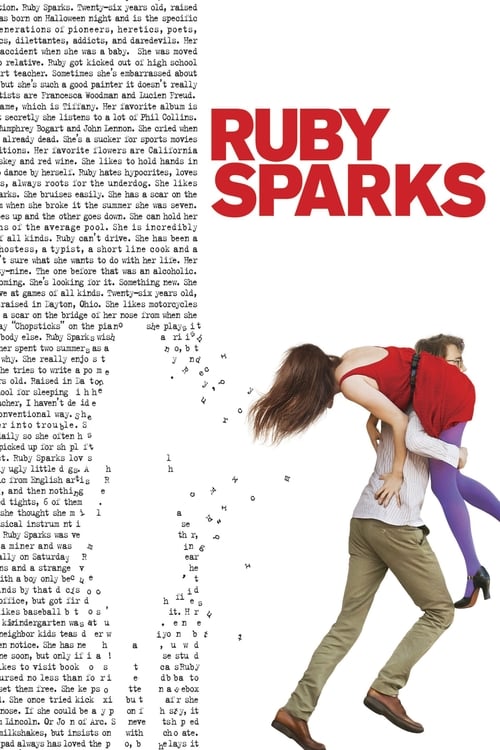
In the early 2010s, indie cinema was obsessed with the "Manic Pixie Dream Girl"—that quirk-laden, ukelele-strumming ethereal sprite designed solely to fix a sad man’s life. Then came Ruby Sparks, a film that took that trope, gave it a typewriter, and then set the whole concept on fire. It’s a movie that starts as a whimsical fantasy and ends as a bruising interrogation of what it actually means to love a person rather than an idea.
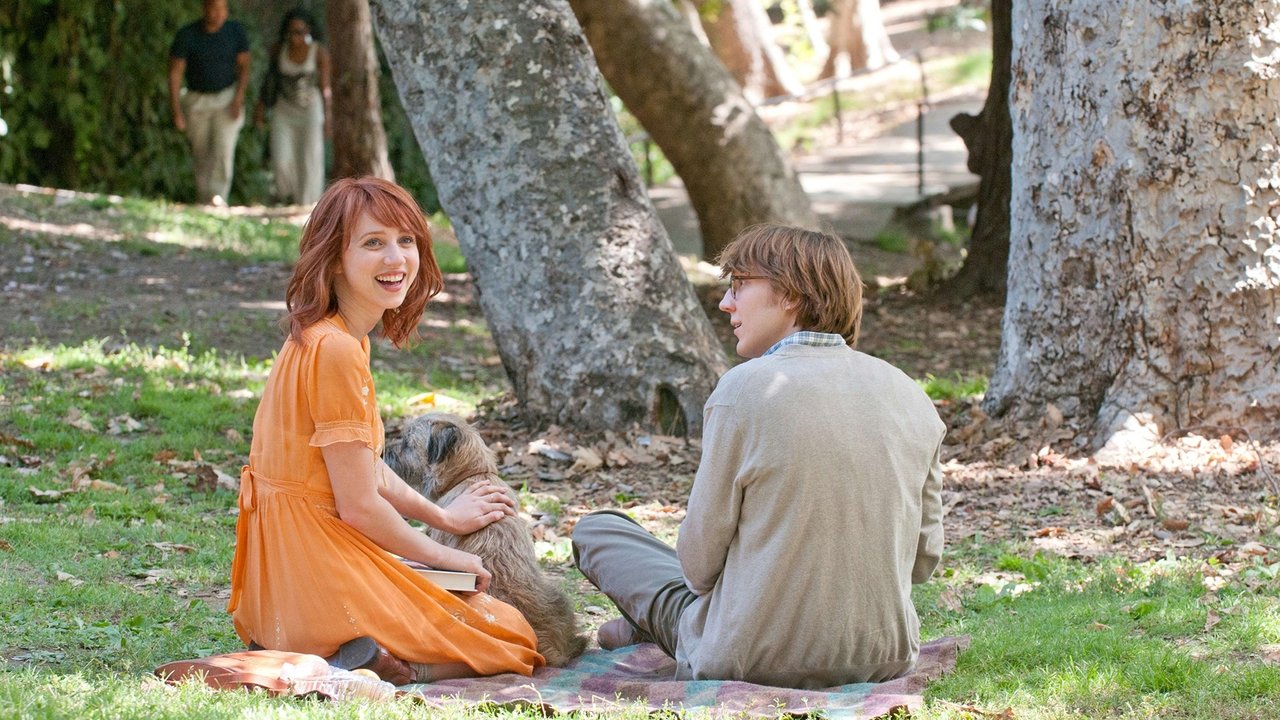
I watched this recently while eating a bowl of cereal that had gone slightly soggy because I forgot I’d poured the milk, which felt appropriate for a movie about things not being quite as fresh or perfect as you initially hoped. Even with room-temperature milk, the film’s bite remains sharp.
The Girl of His Dreams (Literally)
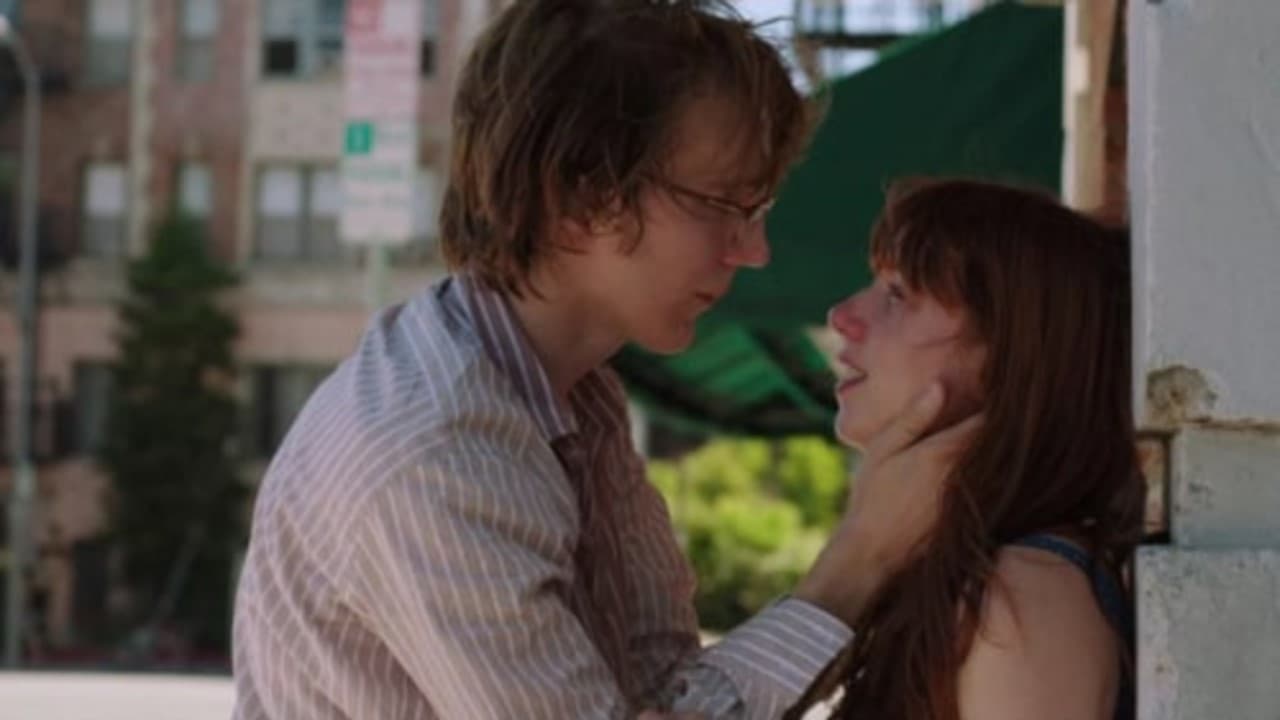
The premise sounds like the setup for a breezy, magical-realist rom-com. Calvin (Paul Dano) is a struggling novelist who once wrote a bestseller at nineteen and has spent the last decade being the "lonely genius" archetype. His therapist tells him to write a page about someone who likes his dog. He writes Ruby (Zoe Kazan). A week later, she’s in his kitchen making eggs.
What follows is a fascinating experiment in tone. For the first forty minutes, directors Valerie Faris and Jonathan Dayton—who gave us the sunshine-yellow vibes of Little Miss Sunshine—play it relatively straight. Calvin’s brother, Harry (played with a wonderful, grounded cynicism by Chris Messina), provides the audience’s POV. When he finds out Calvin can change Ruby’s personality just by typing a new sentence, his reaction isn't horror; it’s envy.
Calvin is essentially a soft-boy version of Victor Frankenstein with a better haircut. At first, he promises not to "edit" her, but the moment Ruby starts showing actual human agency—getting bored, wanting to see friends, or being sad—Calvin can't help himself. The film shifts from a "what-if" fantasy into a psychological drama about the toxic desire to control our partners.
Performance and the Real-Life Spark

The chemistry here isn’t just good; it’s uncomfortable. Paul Dano and Zoe Kazan were a real-life couple when they filmed this (and still are), and Zoe Kazan actually wrote the screenplay. There is a level of trust between the leads that allows them to go to some incredibly dark places. Kazan is spectacular here because she has to play several "versions" of the same person—the clingy version, the manic version, the depressed version—all while maintaining a core identity that Calvin is slowly erasing.
We also get these strange, vibrant detours. Annette Bening and Antonio Banderas show up as Calvin’s bohemian mother and her eccentric partner, Mort. Their house is a redwood-and-glass palace of hippy-dippy wellness that makes Calvin’s sleek, white, sterile apartment look like a prison. These scenes are crucial because they show us what Calvin is afraid of: a mess. He hates the mess of his mother’s life, so he tries to curate a "clean" romance with a girl he can literally rewrite.
The cinematography by Matthew Libatique—who did the haunting, claustrophobic work on Black Swan—does a lot of heavy lifting here. He captures Los Angeles in a way that feels both expansive and lonely, highlighting the bright, sunny California light that often masks the darkness of the story.
Why This Gem Deserves a Second Draft
It’s a bit of a mystery why Ruby Sparks didn't become a massive cultural touchstone. It arrived in 2012, right when the "Sundance Style" was starting to feel a bit formulaic, and it might have been dismissed as just another quirky indie. It earned just over its $8 million budget, which in Hollywood terms means it practically vanished. It also had to compete with the dawn of the blockbuster era we’re still living in—the first Avengers came out that same summer, sucking all the oxygen out of the room.
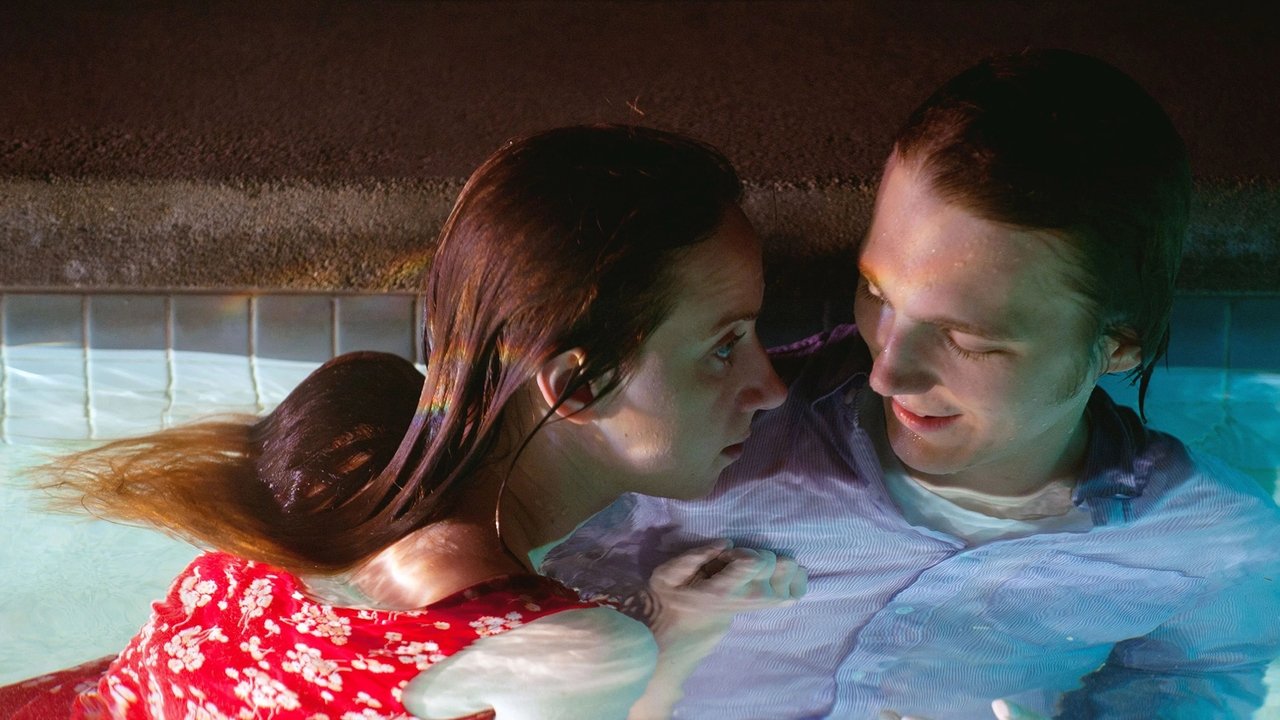
Looking back, the film was incredibly prescient about the way we consume people through social media and "main character energy." Calvin doesn't want a partner; he wants a supporting character. The climax of the film—which I won’t spoil, but involves a typewriter and a lot of screaming—is one of the most harrowing things I’ve seen in a "romance." It strips away all the whimsical indie trappings to show the absolute ugliness of male entitlement. It’s a romantic comedy that hates the "romantic" part of the equation.
If you missed this one because you were too busy watching Alia Shawkat in Arrested Development (who has a great, albeit brief, turn here as a jaded fan) or keeping up with the MCU, it’s time to track it down. It’s a rare film that uses a "magic" conceit to tell a very ugly, very human truth. It’s not always a "fun" watch, but it’s an essential one for anyone who has ever tried to make a partner fit into a box they didn't belong in.
Ruby Sparks is a sharp, clever, and eventually devastating look at the stories we tell ourselves about love. It subverts its own genre with a surgical precision that few films have managed since. It reminds me that sometimes the most dangerous thing you can do is get exactly what you asked for, especially if you haven't done the work to deserve it.
Keep Exploring...
-
Ghost Town
2008
-
Sliding Doors
1998
-

17 Again
2009
-
Across the Universe
2007
-
Dan in Real Life
2007
-
Lars and the Real Girl
2007
-
Penelope
2007
-
The Nanny Diaries
2007
-
Nick and Norah's Infinite Playlist
2008
-
Wild Child
2008
-
Youth in Revolt
2009
-
I Love You Phillip Morris
2010
-
Morning Glory
2010
-
The Switch
2010
-
The Odd Life of Timothy Green
2012
-
Shallow Hal
2001
-
Just My Luck
2006
-
Stranger Than Fiction
2006
-
No Reservations
2007
-

Wizards of Waverly Place: The Movie
2009