Rurouni Kenshin Part I: Origins
"The ghost of the revolution carries a dull blade."
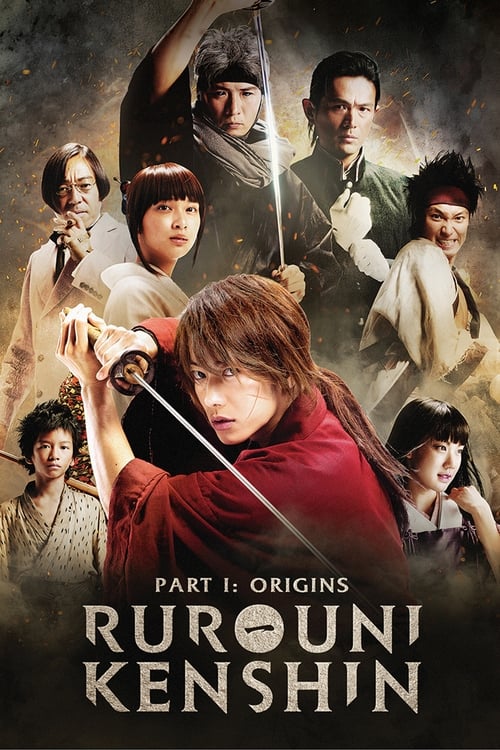
The first time I heard the metallic clack of a sword being sheathed in Keishi Otomo’s Rurouni Kenshin, I wasn't just hearing a sound effect; I was hearing the death knell of the "cursed" anime adaptation. Before 2012, live-action manga transitions were usually a graveyard of neon wigs and embarrassing wire-work. I remember watching this on a laptop with a cracked screen that made every sword swing look like it was actually splintering my monitor, and yet, the sheer gravity of the film cut through the technical limitations.
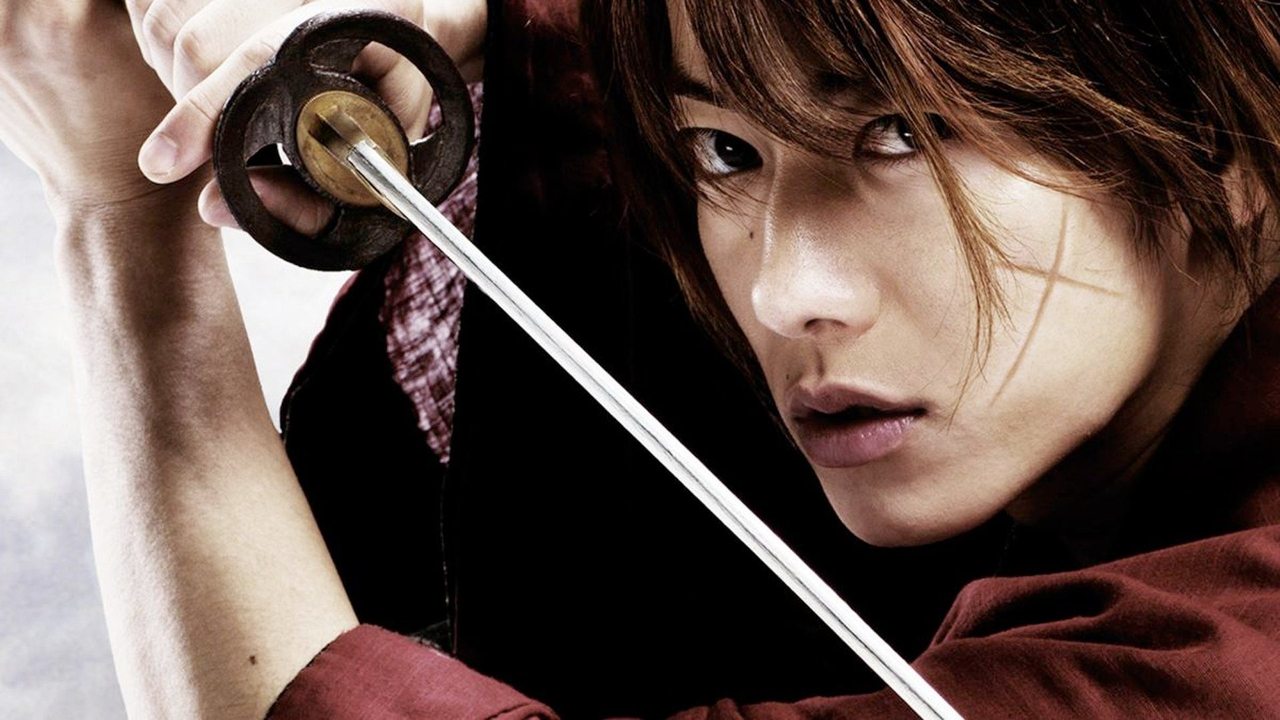
This isn't just a "fan-service" flick; it’s a grim, mud-flecked historical epic that just happens to have a protagonist with orange hair and a cross-shaped scar.
The Heavy Price of Peace
Set in 1868, the film opens in the slaughter of the Bakumatsu war. It’s a terrifying, desaturated sequence where we see Takeru Satoh as the "Hitokiri Battosai," a legendary assassin who is less a man and more a whirlwind of steel. When the smoke clears and the Meiji era begins, the film shifts gears into a world trying to pretend it isn't built on a mountain of bones.
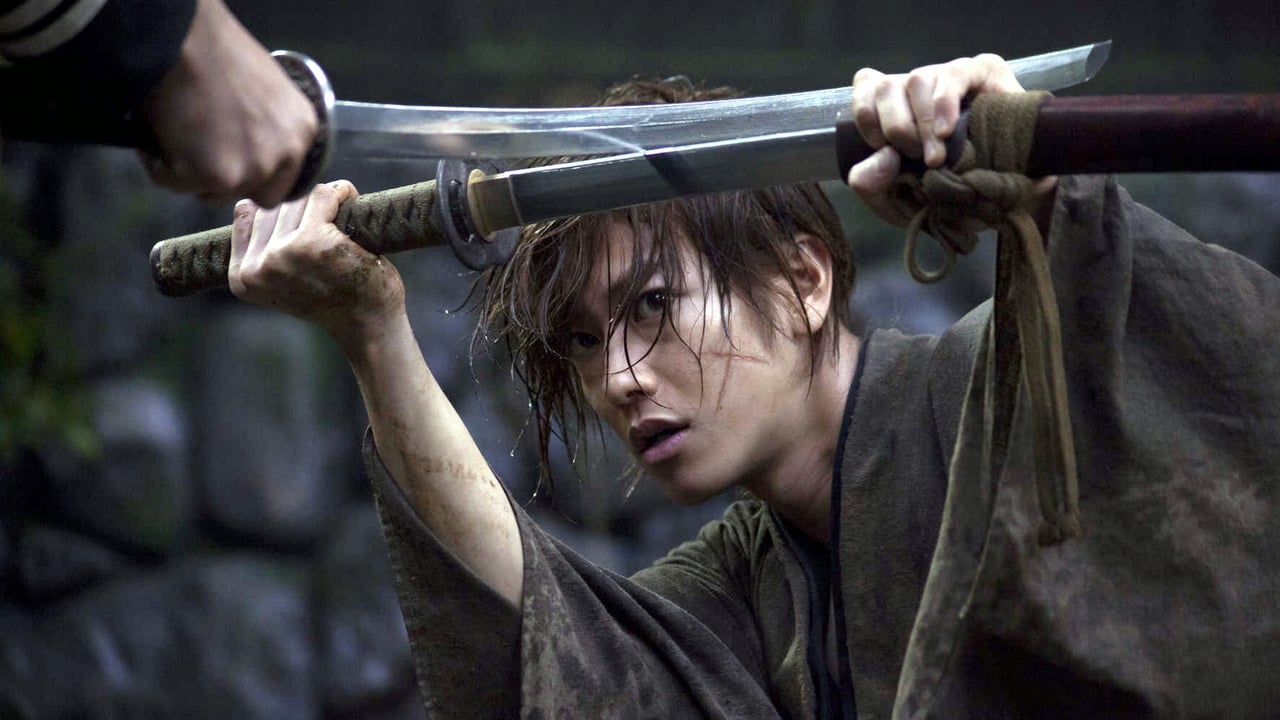
Kenshin Himura is now a wanderer with a sakabato—an inverted-blade sword that cannot kill. Takeru Satoh manages a miraculous feat here: he balances the "oro?"-style gentleness of the manga character with a terrifying, latent stillness. You can see the PTSD in his eyes. He’s a man who has decided that carrying a blunt sword is the only way to keep his soul from sharpening into a weapon again.
The "Dark/Intense" modifier really earns its keep here. This isn't the bright, Saturday-morning version of the story. The villain, Kanryu Takeda (played with oily, manic energy by Teruyuki Kagawa), isn't just a cartoon baddie; he’s the embodiment of the worst parts of "modernity"—a man who replaces the honor of the sword with the soulless, industrialized slaughter of the Gatling gun and the slow poison of opium.
Choreography That Defies the Digital Shift
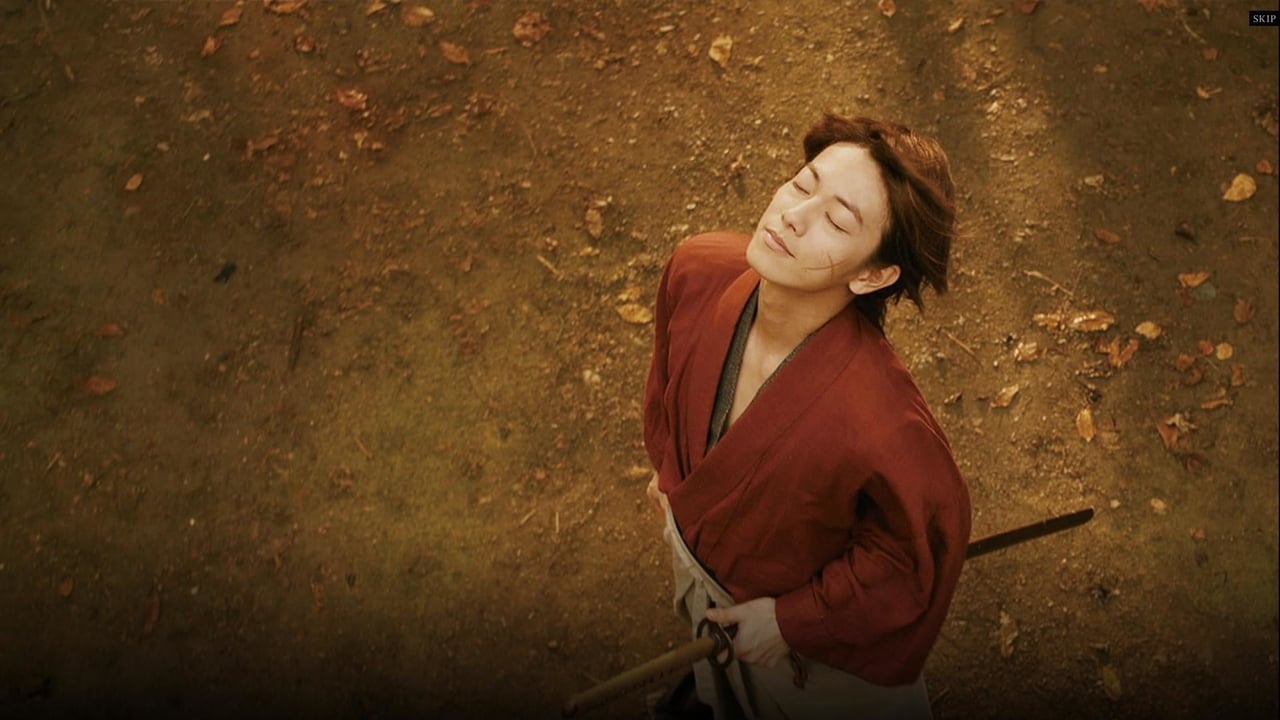
Coming out in 2012, Origins arrived right as the film industry was fully leaning into digital "weightlessness." We were getting used to CGI characters bouncing off walls like rubber balls. But Kenji Tanigaki, the action director and a protégé of Donnie Yen, went the other way. He decided to treat the laws of physics like a suggestion rather than a rule, while keeping the impact brutally real.
The fight in the Kamiya dojo is a masterclass in spatial awareness. Kenshin doesn't just "fight"; he flows. He uses the architecture of the room, sliding under floorboards and running across walls, but there’s a tactile crunch to every landing. Apparently, Takeru Satoh performed the vast majority of his own stunts, and you can tell. There’s no "shaky-cam" hiding a lack of talent here. The camera stays wide enough to let you see the footwork, which is a rarity in the post-Bourne era of action cinema.
The standoff with Koji Kikkawa as Udo Jine is the film’s atmospheric peak. Jine is a relic of the war who wants to be a monster, and the contrast between his heavy, brutal style and Kenshin’s evasive speed is gripping. It’s one of the few times in modern action where the hero feels genuinely threatened by a guy in a fancy hat.
The Soul in the Machinery
Looking back, Rurouni Kenshin was a pioneer for the "prestige" franchise. It didn't feel like a cynical cash-grab; it felt like a film made by people who actually liked the Meiji period. The production design by Studio Swan is lived-in and filthy. The costumes aren't "cosplay"—they are clothes that have been sweated in, bled on, and repaired.
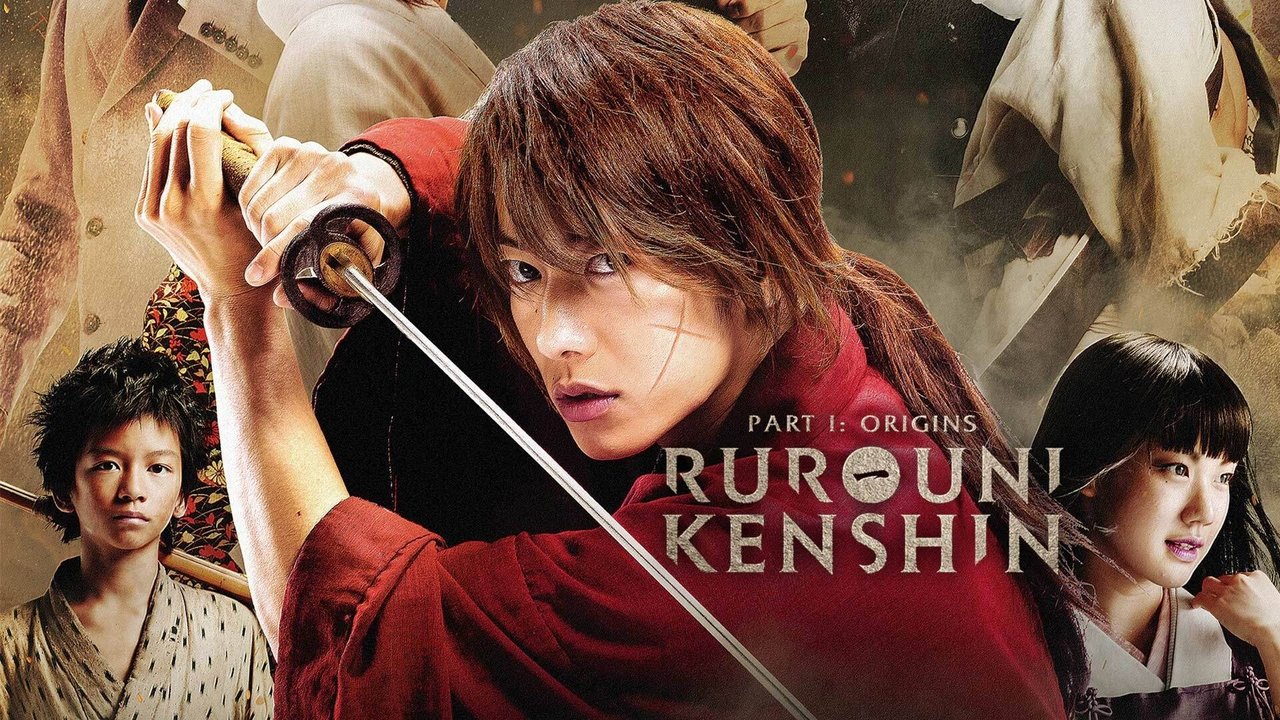
While the film hits the franchise beats—introducing Emi Takei as the spirited Kaoru and Munetaka Aoki as the delightfully rowdy Sanosuke Sagara—it stays grounded in the tragedy of Megumi Takani (Yu Aoi). Her subplot involving the forced manufacture of "Spider's Web" opium provides the moral weight that keeps the sword-swinging from feeling empty. It’s a reminder that while the samurai era was ending, the new era of corporate greed was just as lethal.
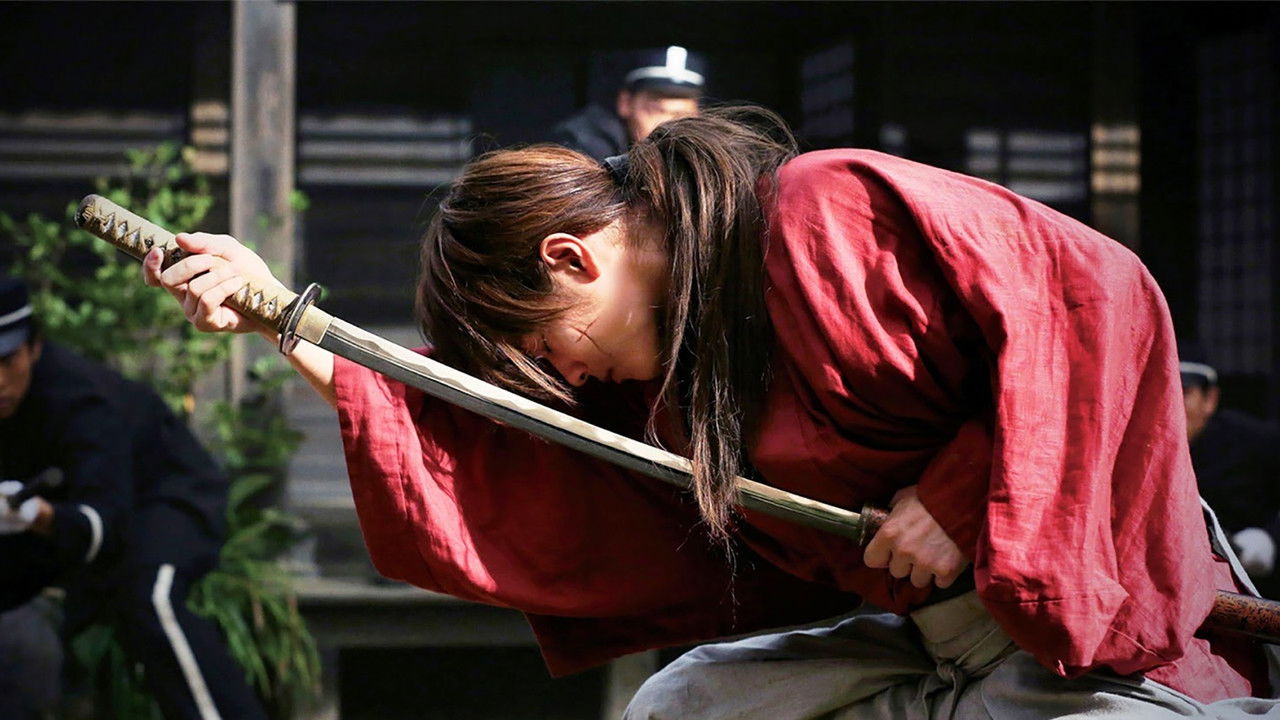
Interestingly, the film managed to dodge the era's obsession with over-explaining everything. It respects the reader's intelligence, letting the visual storytelling of a blood-stained scarf or a discarded sword tell the history of the revolution. It’s a "modern classic" in the sense that it proved you could take a fantastical source and treat it with the solemnity of a Kurosawa film without losing the "popcorn" fun.
Rurouni Kenshin: Origins is the rare adaptation that understands the heart of its source material is found in its themes, not just its hair colors. It’s a somber, thrilling meditation on whether a man can truly outrun his own shadow, wrapped in some of the best swordplay of the 21st century. If you’ve ignored it because you "don't do anime," you’re missing out on one of the tightest action films of the last twenty years. It’s a sharp reminder that sometimes, the most powerful thing you can do with a blade is refuse to use it.
Keep Exploring...
-
Red Cliff
2008
-
Kingdom of Heaven
2005
-
The Count of Monte Cristo
2002
-
300
2007
-

War Horse
2011
-
Defiance
2008
-
The Forbidden Kingdom
2008
-

Wizards of Waverly Place: The Movie
2009
-
Justice League: The Flashpoint Paradox
2013
-
Final Fantasy VII: Advent Children
2005
-
The Round Up
2010
-
The Flowers of War
2011
-
The Last of the Mohicans
1992
-

Braveheart
1995
-
The Messenger: The Story of Joan of Arc
1999
-
The Patriot
2000
-
Black Hawk Down
2001
-
We Were Soldiers
2002
-
Troy
2004
-

The 13th Warrior
1999