Rust and Bone
"Broken bodies, beating hearts, and killer whales."

The first time I saw Matthias Schoenaerts in Rust and Bone, I didn't think I was looking at an actor; I thought someone had simply filmed a very handsome, very dangerous stray dog. He has this heavy-lidded, Neanderthal energy that makes every room he enters feel two sizes too small. When the film opens, his character, Ali, is scavenging leftover food on a train with his young son, heading to the French Riviera not for a vacation, but to crash with a sister he barely knows. It’s a gritty, tactile start to a movie that eventually turns into one of the most unexpected romances of the last twenty years.
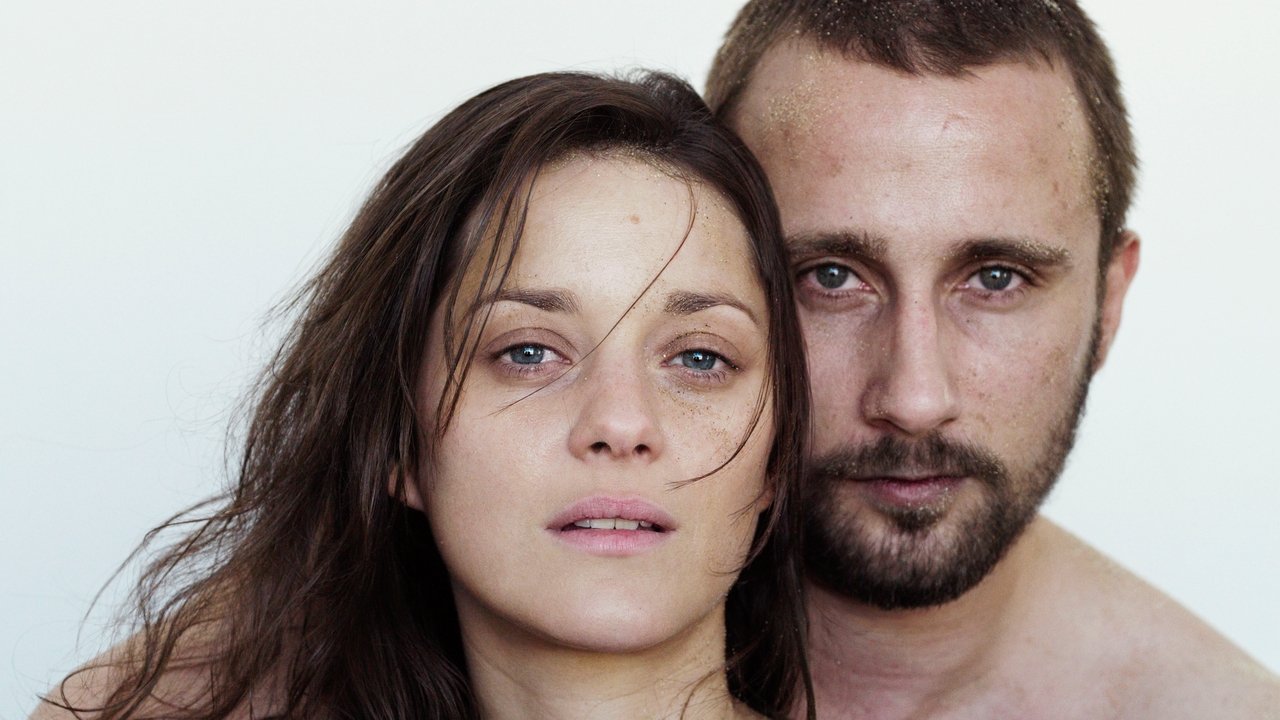
I first watched this on a flight where the person next to me was aggressively peeling an orange, and the sharp, acidic scent strangely complemented the crisp, digital clarity of the Mediterranean sun on my screen. It’s a movie you can almost smell—saltwater, sweat, and cheap cologne.
Bruised Hearts and Concrete Knuckles
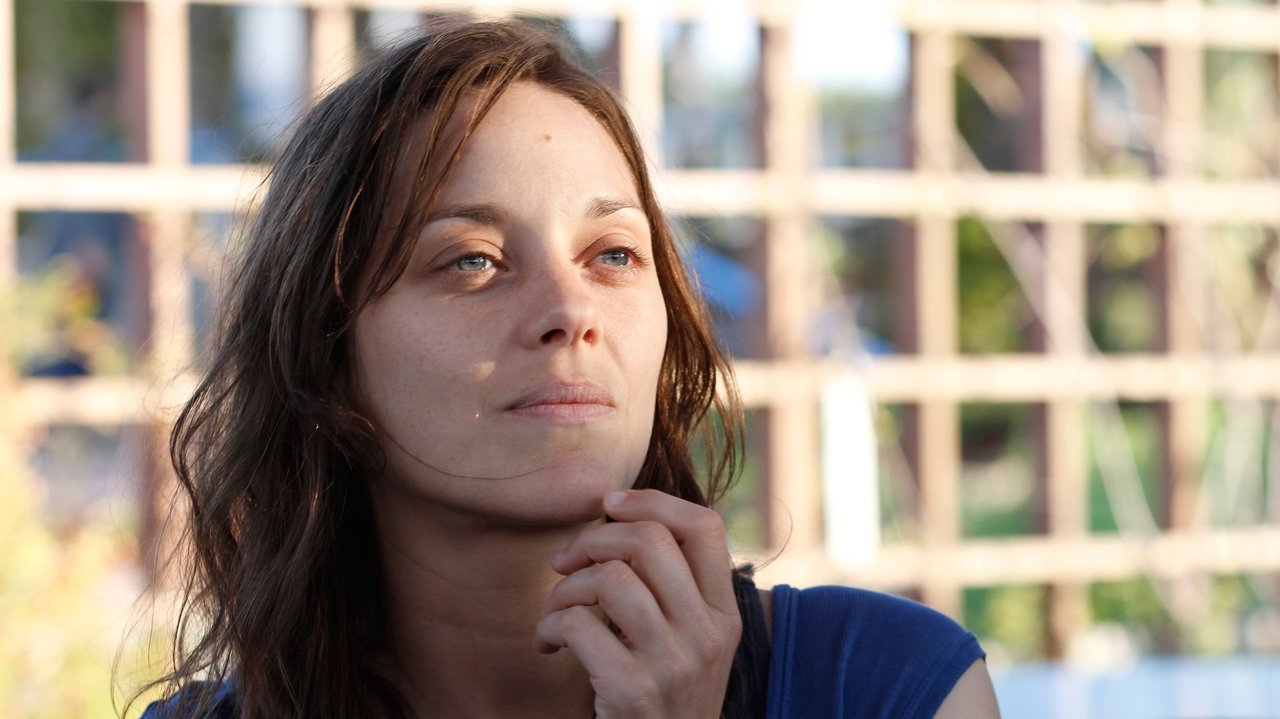
Rust and Bone is a film about bodies—what they can do, how they break, and how they heal. Ali is a guy who solves problems with his fists, eventually drifting into the world of underground street fighting. Then he meets Stéphanie, played by a luminous Marion Cotillard. At the time, Cotillard was already an Oscar winner for La Vie en Rose, but here she sheds every ounce of Hollywood glamour. She’s a trainer of killer whales at a marine park, a job that feels majestic until a horrific accident during a performance cost her both her legs.
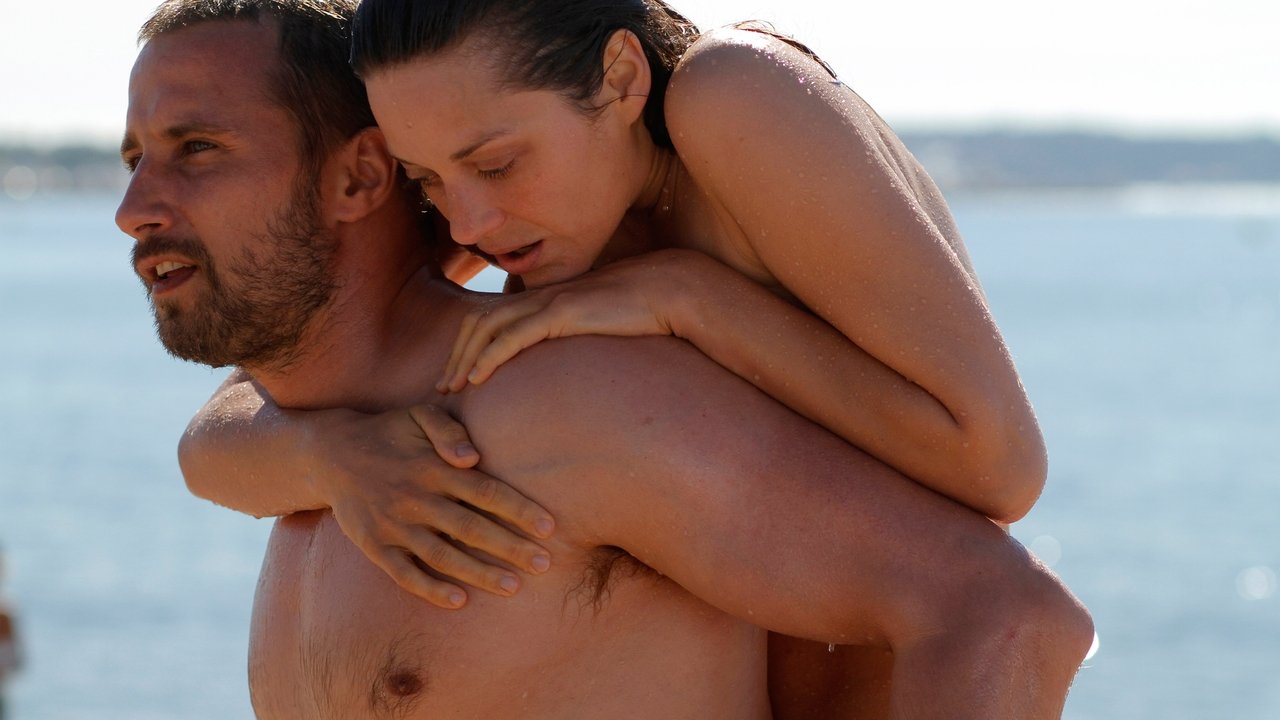
What follows isn't your typical "inspirational" drama. Jacques Audiard (who also directed the incredible prison thriller A Prophet) is far too cynical—or perhaps too honest—for that. The relationship that develops between Ali and Stéphanie is blunt and functional. He doesn’t pity her. In fact, he’s almost shockingly indifferent to her disability, which is exactly what she needs. He takes her swimming in the ocean, carrying her into the surf like a sack of grain, and for the first time since the accident, she feels like a person rather than a patient. I’ll be honest: this movie treats emotional trauma like a contact sport, and it’s better for it.
Digital Magic for Human Misery
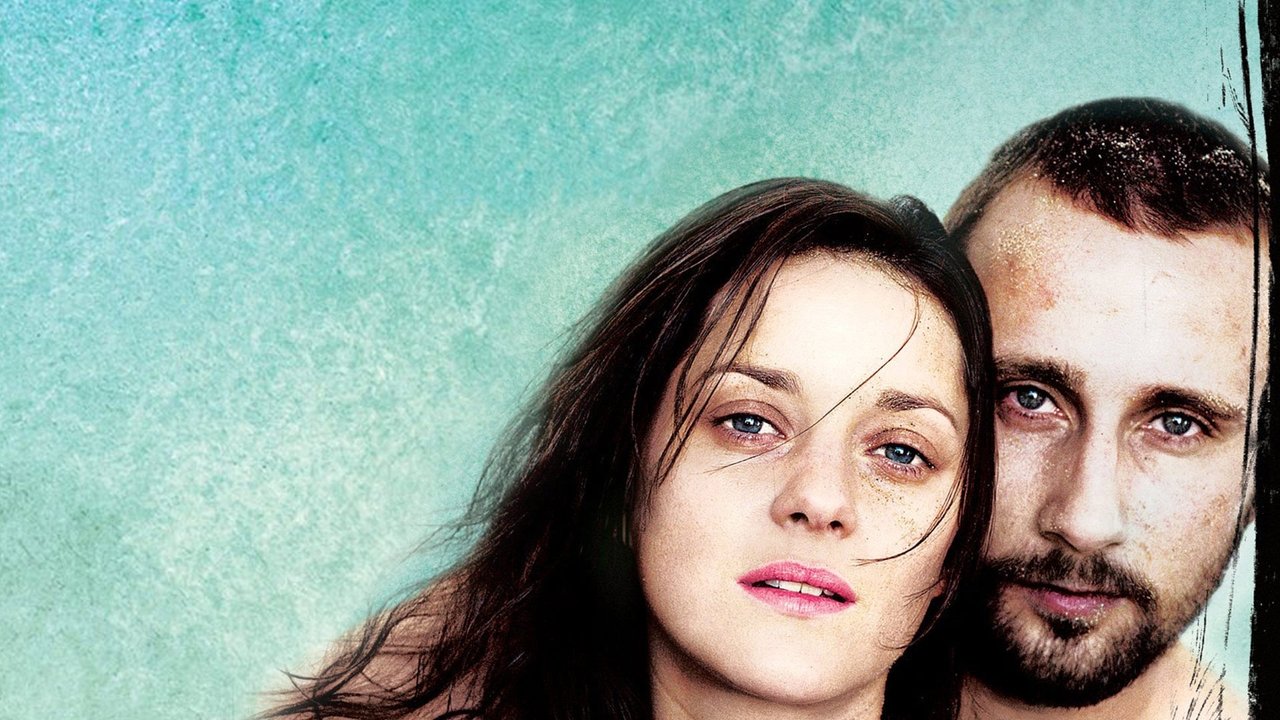
Looking back from our current era of "de-aging" and CGI multiverses, the visual effects in Rust and Bone feel like a landmark of restraint. To depict Stéphanie’s amputation, Cotillard wore green knee-high stockings, and the production team digitally removed her lower legs in post-production. It sounds simple, but in 2012, the seamlessness was breathtaking. It wasn't used for a spectacle; it was used to ground the drama in a terrifying reality. When you see her sitting on the edge of her bed, the absence of her legs feels heavy and permanent. It’s a reminder that during this 1990-2014 window, CGI was finding its soul, moving beyond dinosaurs and space battles into the realm of intimate human stories.
The cinematography by Stéphane Fontaine (who later shot Jackie) captures the French Riviera not as a tourist postcard, but as a place of harsh contrasts. You have the shimmering, expensive blue of the Orka tanks and the bleached, dusty heat of the parking lots where Ali brawls for cash. It’s beautiful, but it’s a "bruised" kind of beauty. Adding to that is a score by Alexandre Desplat, who manages to make even the most violent moments feel like they have a heartbeat.
The Era of the European Powerhouse
This film arrived at a specific moment in the early 2010s when European "prestige" cinema was having a major crossover second. Before the streaming giants completely flattened the distribution landscape, movies like this and Amour were genuine conversation starters. Rust and Bone was based on a short story collection by Canadian author Craig Davidson, and Audiard’s decision to transplant those gritty, North American stories to the south of France was a stroke of genius. It gave the film a "transatlantic" feel—rough like an American indie, but sophisticated like a French art film.
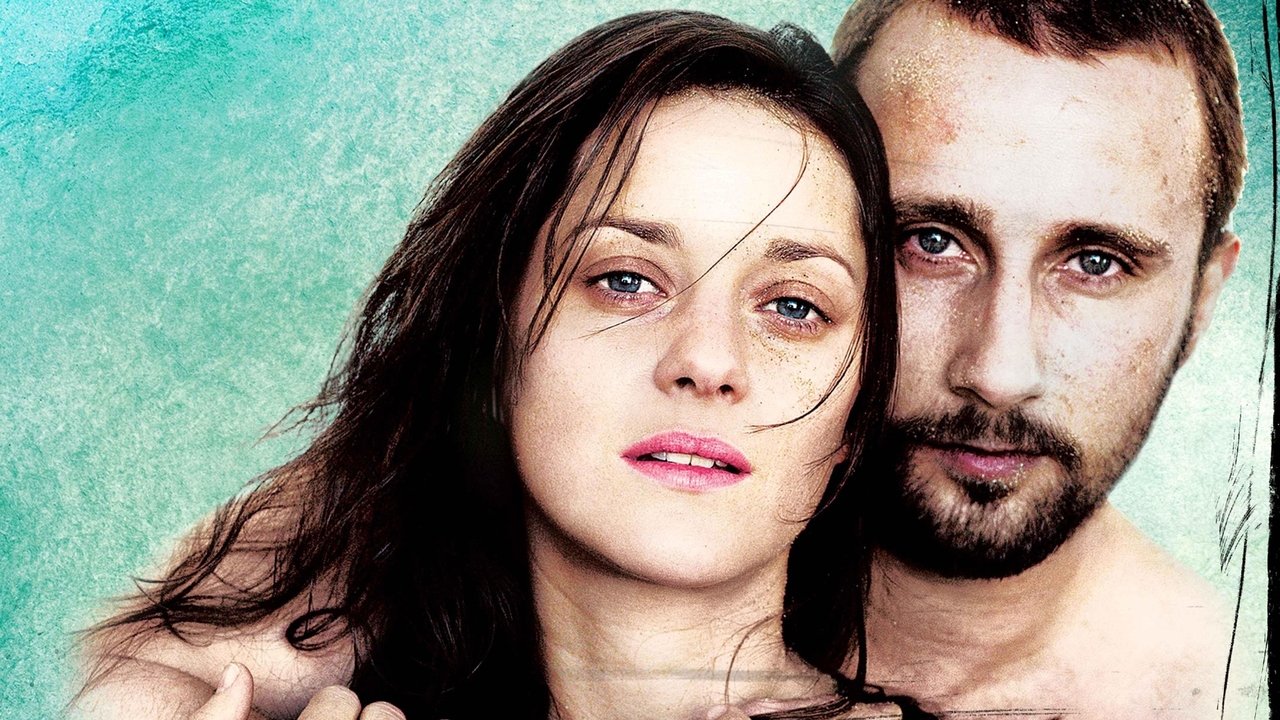
The trivia buffs might like to know that Marion Cotillard actually spent weeks at Marineland in Antibes, learning how to "conduct" the whales. The whales you see on screen are real, though the more dangerous interactions were stitched together with digital help. There’s a scene where she returns to the park and interacts with an orca through the glass of the tank; it’s a wordless, haunting moment that captures the film’s central theme: we are all just animals trying to find a way to communicate through the glass.
Rust and Bone is a rare beast—a movie that is physically punishing yet deeply moving. It’s a romance for people who hate "romance movies," anchored by two lead performances that feel like they were pulled directly out of the earth. It reminds me that the best dramas don’t need to lecture us about resilience; they just need to show us the scars and let us do the math ourselves. It’s a high-water mark for 2010s cinema that still has plenty of bite.
Keep Exploring...
-

A Prophet
2009
-
The Immigrant
2013
-
Amour
2012
-
La Vie en Rose
2007
-
Across the Universe
2007
-
Becoming Jane
2007
-
Dan in Real Life
2007
-
Lars and the Real Girl
2007
-
No Reservations
2007
-
The Nanny Diaries
2007
-
Ghost Town
2008
-
Nick and Norah's Infinite Playlist
2008
-
The Duchess
2008
-
Two Lovers
2008
-
Wild Child
2008
-
A Single Man
2009
-
An Education
2009
-
Crazy Heart
2009
-
The Young Victoria
2009
-
I Love You Phillip Morris
2010