Savages
"Beautiful people, beautiful weed, and very ugly choices."
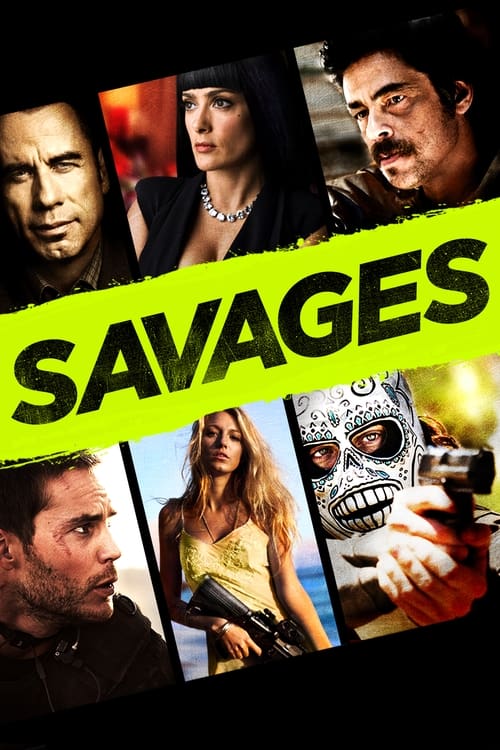
By 2012, the world had mostly decided what an Oliver Stone movie was supposed to look like: grainy film stock, heavy political paranoia, and a frantic editing style that felt like being trapped in a blender with a history textbook. Then came Savages, a film that looked like it was shot through a polarized pair of Oakleys and dipped in high-fructose corn syrup. It’s a sun-drenched, ultra-violent, and deeply weird crime thriller that feels like Stone trying to reclaim the "angry young man" energy of Natural Born Killers while operating on a Laguna Beach budget.
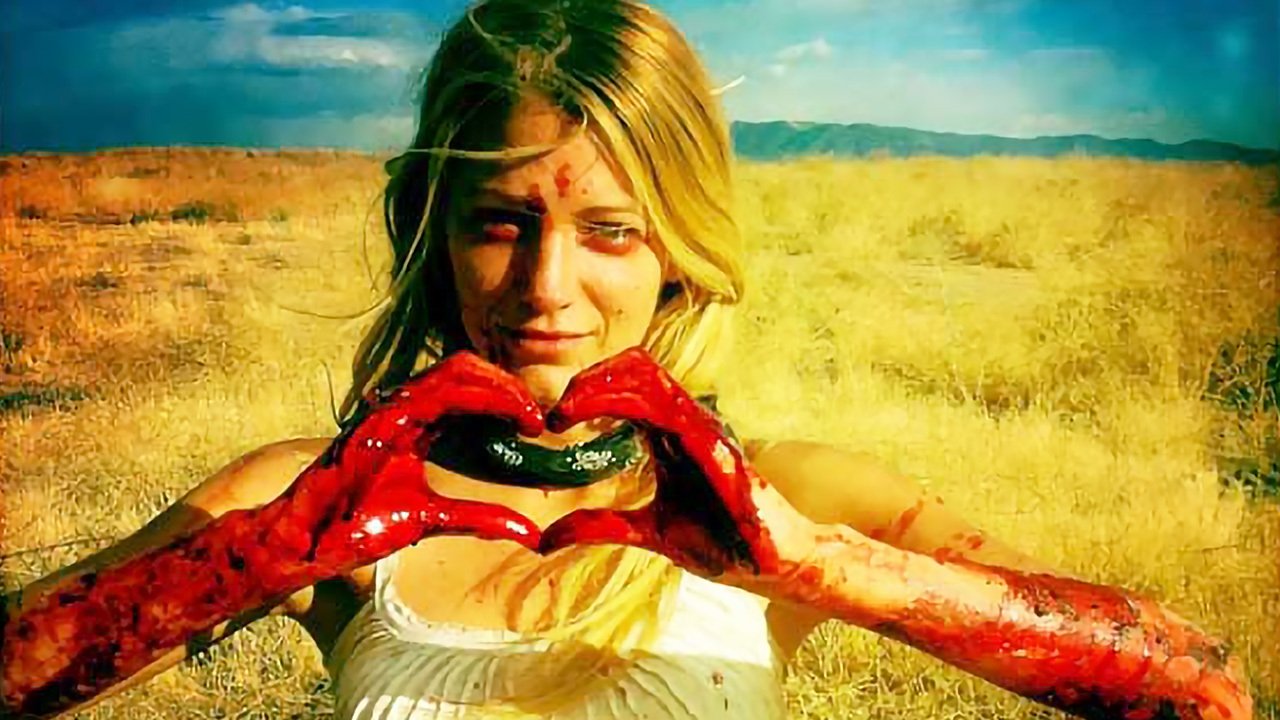
I recently rewatched this while sitting in a beanbag chair eating a slightly stale bag of pretzel m&ms, and I realized that Savages is the ultimate "Saturday afternoon on cable" movie. It’s loud, it’s gorgeous to look at, and it features some of the most bafflingly heightened performances of the early 2010s. It’s a movie that shouldn't work—and frequently doesn't—but I found myself captivated by the sheer audacity of its "more is more" philosophy.
The Laguna Beach Threesome
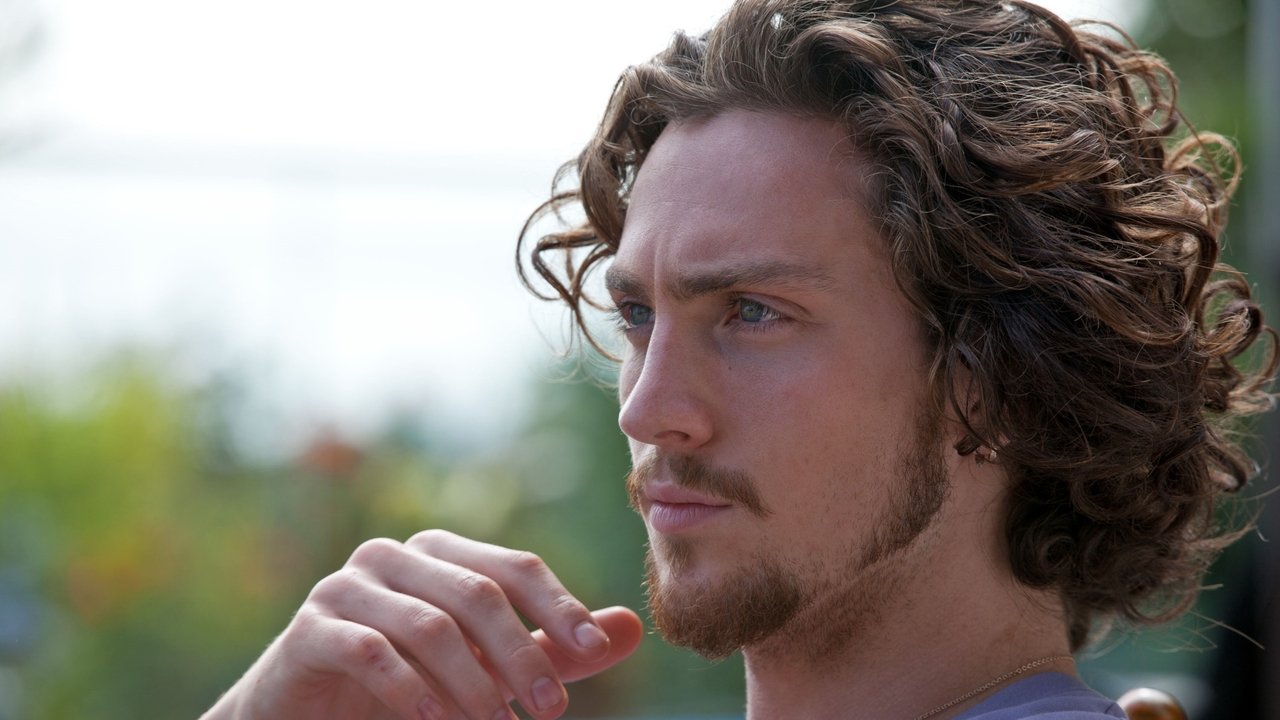
The plot follows two best friends, Ben (Aaron Taylor-Johnson, fresh off Kick-Ass) and Chon (Taylor Kitsch, in the middle of his "Universal is trying to make him a superstar" year). Ben is the peaceful Buddhist botanist; Chon is the ex-Navy SEAL with a hair-trigger temper. Together, they grow the best marijuana in the world. They also share a girlfriend, Ophelia, played by Blake Lively.
Now, look, the voiceover from Blake Lively is so breathy it sounds like she’s trying to seduce a dial-tone. It’s one of the most mocked aspects of the film, and for good reason. She narrates the movie with a series of pseudo-philosophical musings about "waging war" and "having orgasms," which reminds me of the era’s obsession with making every thriller feel "prestige" via a heavy-handed script. But despite the cringe-inducing narration, the central trio has a genuine, if slightly plastic, chemistry. They represent a very specific 2012 brand of "Too Rich to be This Sad," a sentiment that feels like a time capsule of the post-recession California dream.
Villains Having Too Much Fun
While the young leads are busy being beautiful and tortured, the veteran actors in the supporting cast are clearly having a contest to see who can chew the most scenery. Salma Hayek Pinault enters the frame wearing a Cleopatra wig and a scowl that could wilt a cactus. As Elena, the head of the Baja Cartel, she brings a Shakespearean weight to a role that could have been a caricature. Her scenes with Blake Lively—a weird, maternal-yet-predatory kidnapping dynamic—are actually some of the most interesting beats in the film.
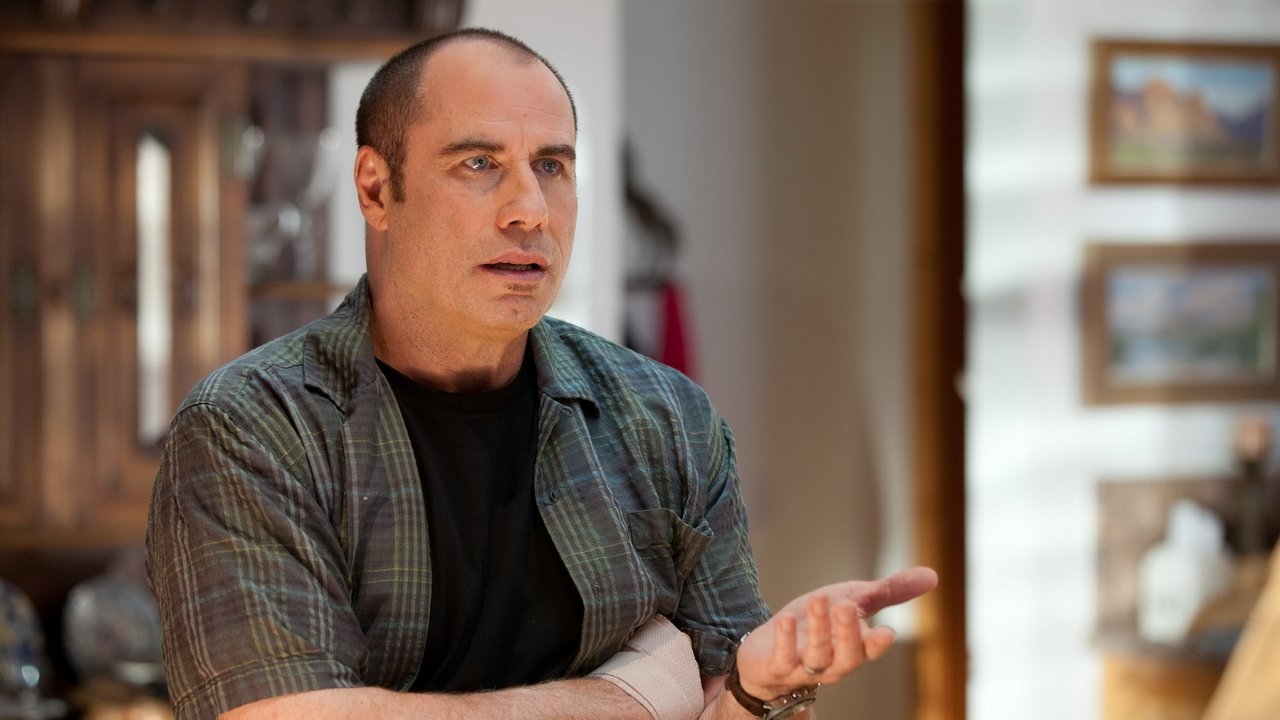
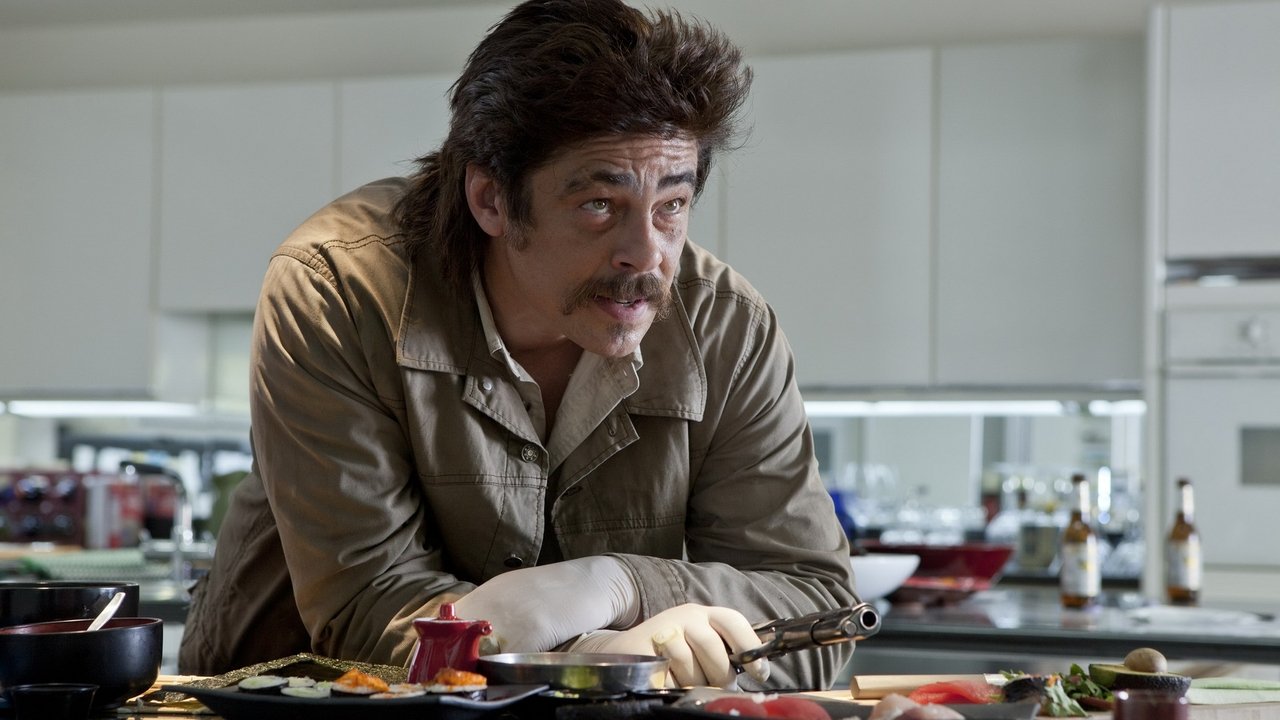
But the real MVP is Benicio del Toro as Lado, the cartel’s enforcer. Lado is a repulsive, greasy, and terrifying human being who seems to have wandered in from a much darker movie. Del Toro plays him with a flickering unpredictability; you’re never sure if he’s going to eat a sandwich or murder someone with a chainsaw. Then you have John Travolta as Dennis, a corrupt DEA agent who is playing a triple game of "who can I betray today?" Travolta is at his most "slippery" here, leaning into the moral rot of his character with a smirk that suggests he knows exactly what kind of movie he’s in.
The Triple-Threat Ending and Digital Gloss
One of the most "Oliver Stone" things about Savages is the ending—or should I say endings? This was the era where DVD culture was still lingering, and the idea of the "Director’s Cut" or "Alternate Ending" was a major selling point. Stone famously presents a "movie" ending (explosive, tragic, cinematic) and then pulls the rug out to show the "real" ending. It’s a move that feels like a filmmaker middle finger to the audience, and back in 2012, it drove people crazy. Looking back, it’s a fascinating look at Stone’s cynical view of Hollywood storytelling. He gives you the popcorn thrills, then tells you you’re a fool for wanting them.

The cinematography by Dan Mindel (who shot Star Trek around the same time) is incredibly sharp. This was the moment when digital cameras started to really push the saturation to the limit. Everything is too blue, too yellow, or too red. It captures that 2012 "Instagram filter" aesthetic before Instagram actually took over the world. It’s a movie that reveals its era through its sheen; it looks like a high-end commercial for a lifestyle that involves a lot of blood and premium kush.
Savages isn't a masterpiece, and it’s certainly not Stone’s best work, but it’s a fascinating relic of a transition period in cinema. It’s a big-budget, R-rated crime drama of a type that studios rarely make anymore—one that isn't part of a franchise or based on a comic book. It’s messy, it’s overlong, and the dialogue is often ridiculous, but the performances from the villains and the sun-soaked nihilism make it a cult curiosity worth revisited. If you can get past the breathy narration, there’s a genuinely mean-spirited and stylish thriller underneath the tan lines.
Keep Exploring...
-
Natural Born Killers
1994
-
Snowden
2016
-
Wall Street: Money Never Sleeps
2010
-
Faster
2010
-
The Next Three Days
2010
-
Colombiana
2011
-
The Lincoln Lawyer
2011
-
Contraband
2012
-
End of Watch
2012
-
Out of the Furnace
2013
-
Side Effects
2013
-
A Walk Among the Tombstones
2014
-
21 Grams
2003
-
The Bank Job
2008
-
Gangster Squad
2013
-

Trance
2013
-

Wall Street
1987
-

Alexander
2004
-
The Town
2010
-
Killer Joe
2012