Seven Psychopaths
"Dogs, guns, and a writer’s block from hell."
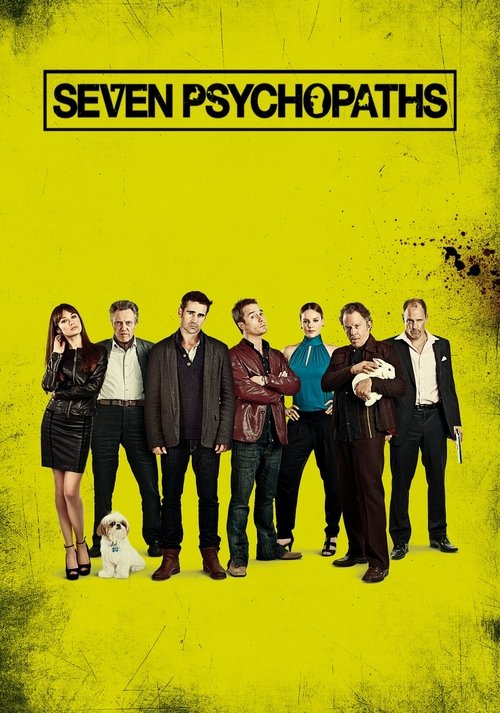
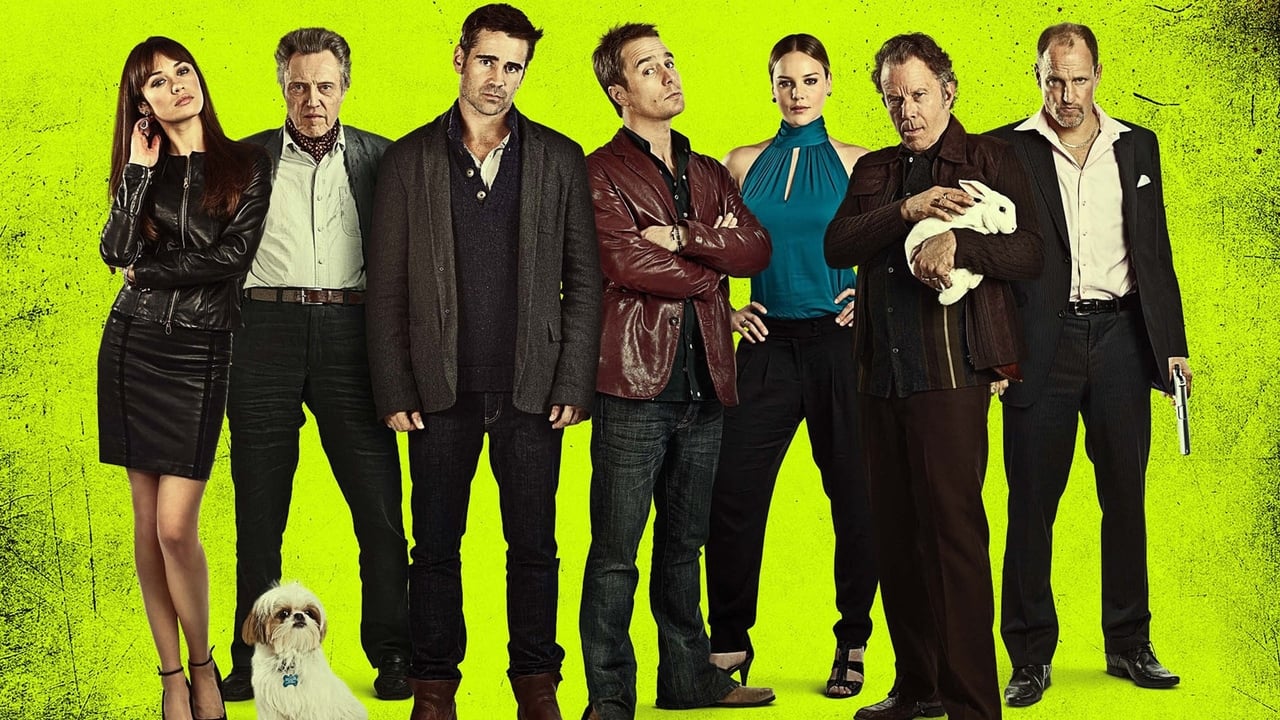
There is a very specific type of cinematic stress that involves a small dog in a high-stakes crime movie. You spend the entire runtime worrying that the director is going to do something "edgy" for shock value. But in Seven Psychopaths, the dog—a sweet, oblivious Shih Tzu named Bonny—isn't just a plot device; she’s the only moral compass in a desert full of lunatics. I watched this again last night while wearing a pair of itchy wool socks that I really should have thrown away years ago, and honestly, the discomfort of the socks perfectly complemented the jittery, nervous energy of Colin Farrell.
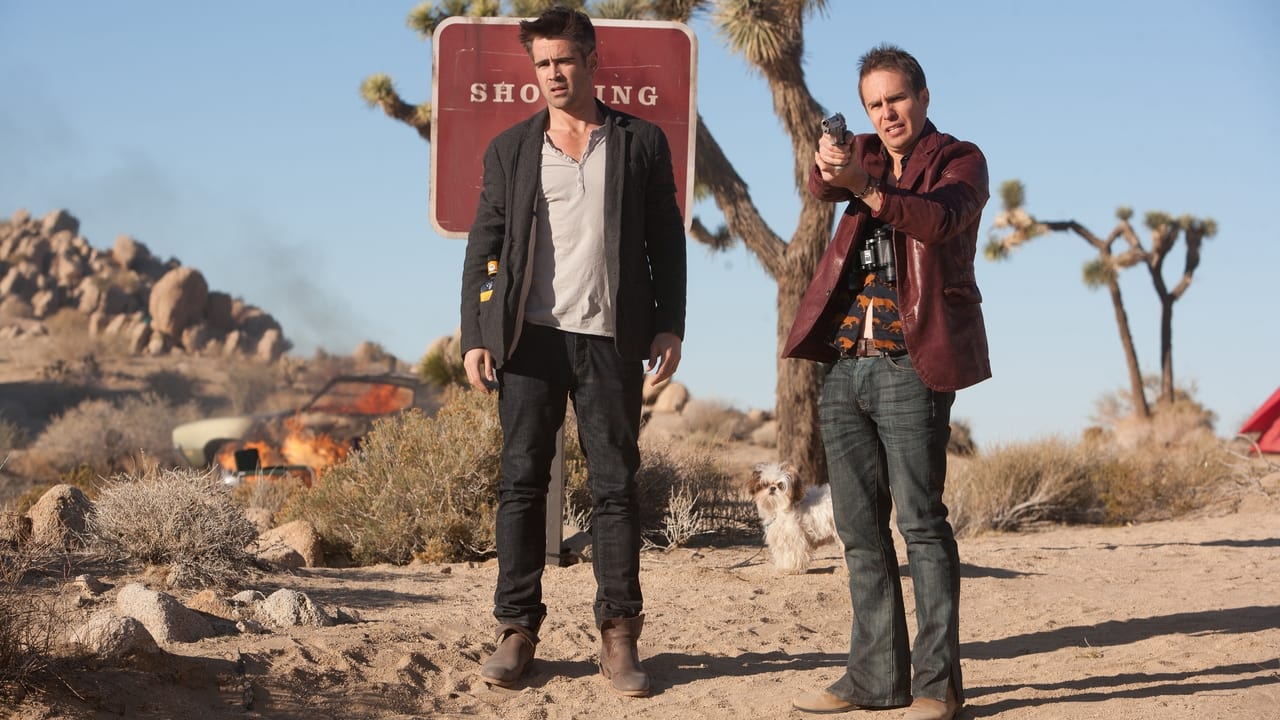
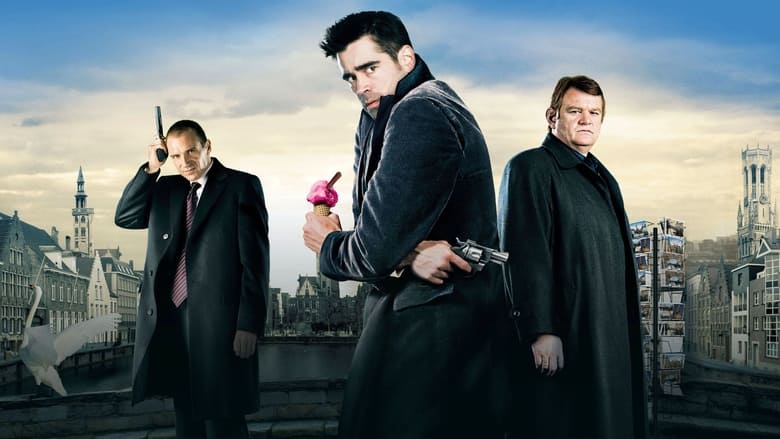
Released in 2012, this was Martin McDonagh’s follow-up to the beloved In Bruges (2008), and it arrived right at that sweet spot in modern cinema where indie sensibilities were crashing head-first into big-budget cynicism. It’s a film that knows it’s a film, a meta-narrative about a screenwriter named Marty (Colin Farrell) who is trying to write a movie called Seven Psychopaths. He’s got the title, but he’s missing the psychopaths. Luckily for him—and unluckily for everyone else’s life expectancy—his best friend Billy (Sam Rockwell) is a professional dog-napper who inadvertently steals a Shih Tzu belonging to a high-level mob boss.
The Meta-Movie About a Meta-Movie
What I love about this era of filmmaking is how directors like McDonagh started playing with the "Tarantino-esque" tropes we’d grown accustomed to in the 90s and 2000s and turned them inside out. Marty wants to write a "thoughtful" movie about psychopaths who are actually peaceful, but the world around him insists on being a violent, chaotic mess. It’s McDonagh essentially arguing with his own impulses on screen.
Sam Rockwell is the absolute MVP here. If you ever need a character who is simultaneously charming, terrifying, and deeply stupid, he is the only person to call. He is essentially playing the sentient personification of a bag of cocaine. Watching him play off Christopher Walken (Hans) is a treat that feels like it shouldn't be legal. While Rockwell is bouncing off the walls, Walken delivers one of his most understated and oddly moving performances. There’s a scene involving a tape recorder and a "shaggy dog" story about a Quaker that is so bizarrely paced and haunting that it reminds you why Walken is a legend beyond the parodies.
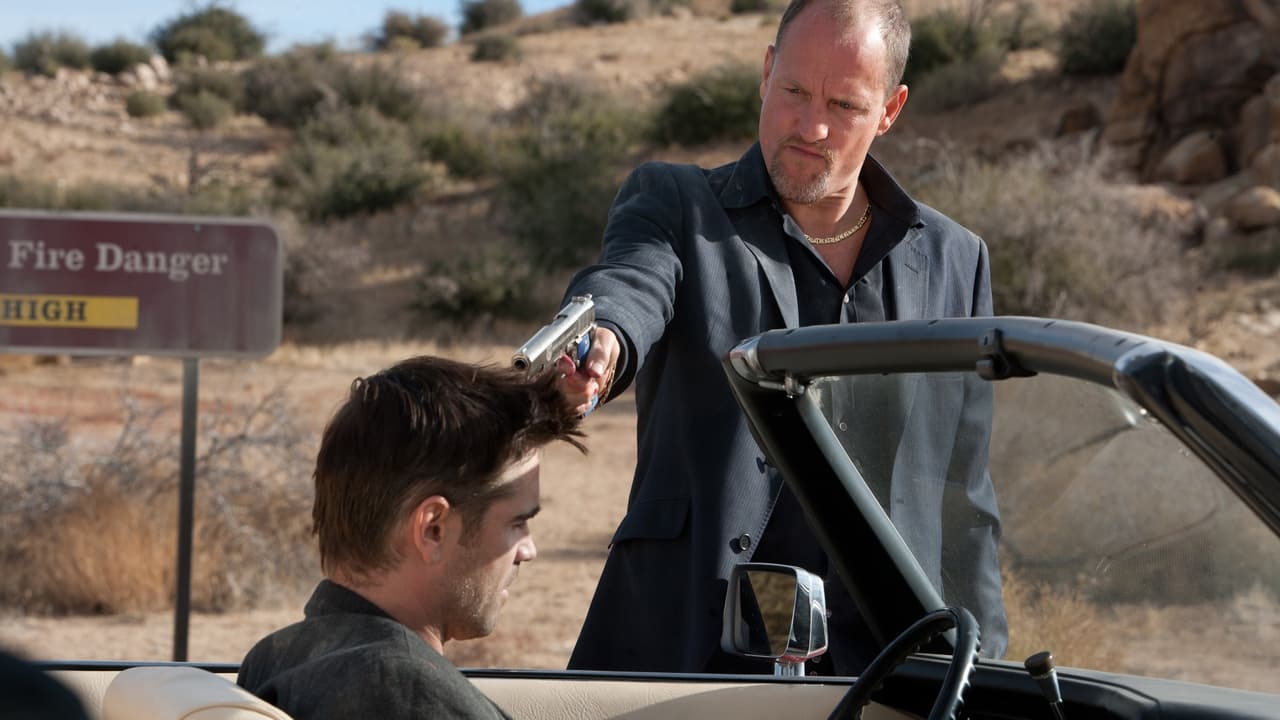
Apparently, the role of Charlie Costello (the mob boss) was originally meant for Mickey Rourke (The Wrestler), but he and McDonagh had a falling out during pre-production. Woody Harrelson stepped in, and I think the movie is better for it. Harrelson plays a man who would burn the city to the ground for his dog but wouldn't blink at executing a human being. It’s a hilarious, terrifying performance that anchors the absurdity in something that feels—in this universe, anyway—entirely logical.
A Cult Journey Through the Desert
When Seven Psychopaths hit theaters, it didn't exactly set the world on fire. It doubled its $15 million budget, but it was overshadowed by the looming titan of the MCU and the gritty realism of the Dark Knight era. It felt like an oddity—too weird for the mainstream, too violent for the "prestige" crowd. But like all great cult classics, it found its life on DVD and early streaming. Fans (myself included) started obsessing over the "stories within the story," like the Vietnamese priest or the "Jack of Diamonds" killer.
The trivia behind the "psychopaths" themselves is a rabbit hole worth falling down. Tom Waits appears as Zachariah Rigby, a man who carries a rabbit everywhere. It turns out Waits—a man who is basically a walking atmospheric effect—actually became quite attached to that rabbit on set. And for those who care about the "dog-actor" industry, Bonny the Shih Tzu was actually played by a dog also named Bonny. The audition process for the dog was more rigorous than for some of the supporting cast, because McDonagh knew the entire movie lived or died on whether we liked that dog more than the people.
The film also captures that early 2010s aesthetic of digital cinematography (shot by Ben Davis, who went on to shoot Guardians of the Galaxy) that was finally starting to look as rich and textured as 35mm. The desert sequences are gorgeous, providing a stark, bright backdrop to the dark, bloody conversations.
Why It Holds Up
Looking back, Seven Psychopaths is a bridge between the old-school crime capers of the 90s and the hyper-aware, deconstructed storytelling we see today. It’s a movie that asks why we enjoy watching people kill each other on screen, even as it provides some of the most entertaining cinematic violence of its decade. It’s messy, it’s loud, and it refuses to give the audience the easy, heroic ending they probably wanted.
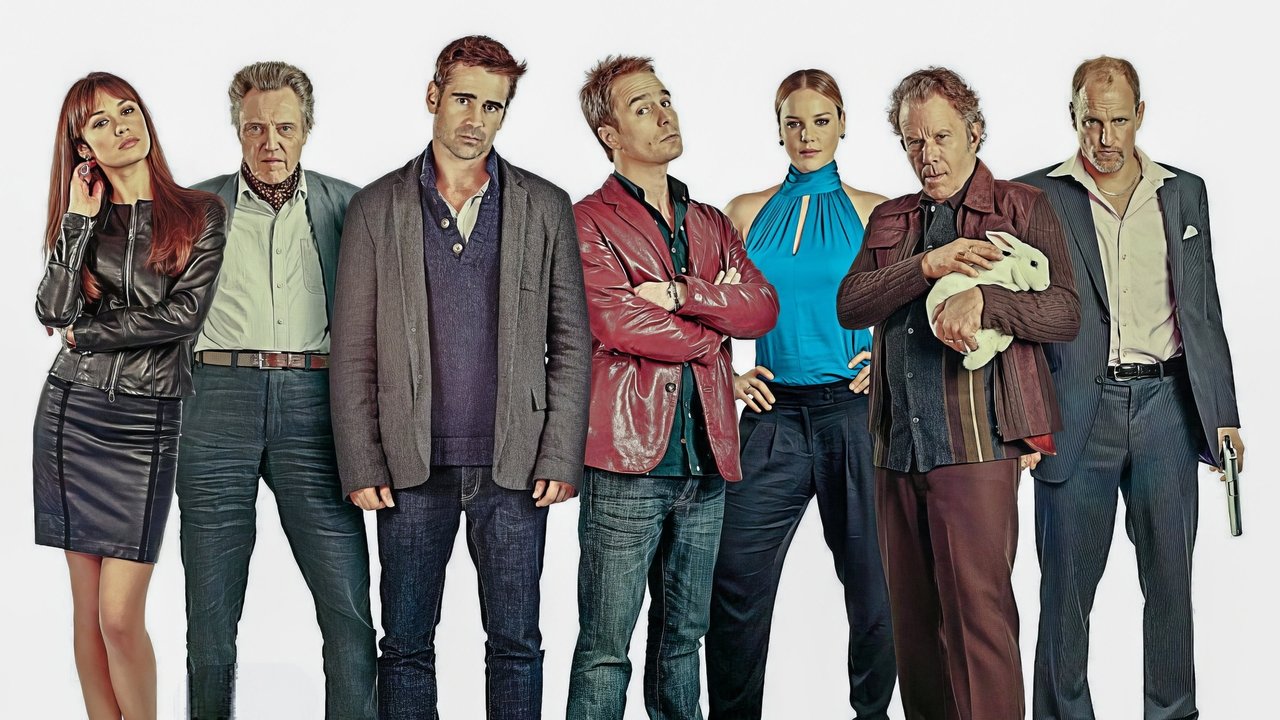
The chemistry between the trio of Farrell, Rockwell, and Walken is what keeps me coming back. They feel like a genuine, if highly dysfunctional, family unit. Whether they’re arguing about the feasibility of a "Quaker psychopath" or sitting around a campfire in the middle of nowhere, there’s a warmth there that balances out the flying lead.
It’s rare to find a movie that manages to be this cynical and this soulful at the same time. If you missed this one during its initial run because you were too busy watching The Avengers for the fifth time, do yourself a favor and catch up. It’s a smart, biting, and weirdly emotional ride that proves Martin McDonagh is one of the few voices who can make "bad people doing bad things" feel like high art. Just make sure you aren't wearing itchy socks when you watch it.

Keep Exploring...
-
In Bruges
2008
-
The Banshees of Inisherin
2022
-
Hot Fuzz
2007
-

Pain & Gain
2013
-
The Family
2013
-
Three Billboards Outside Ebbing, Missouri
2017
-
The A-Team
2010
-
2 Guns
2013
-
RED 2
2013
-
Pineapple Express
2008
-
Austin Powers: International Man of Mystery
1997
-

Taxi
1998
-
The Big Lebowski
1998
-
O Brother, Where Art Thou?
2000
-
Snatch
2000
-
The Whole Nine Yards
2000
-

Adaptation.
2002
-
Bad Santa
2003
-
Kiss Kiss Bang Bang
2005
-
Johnny English Reborn
2011