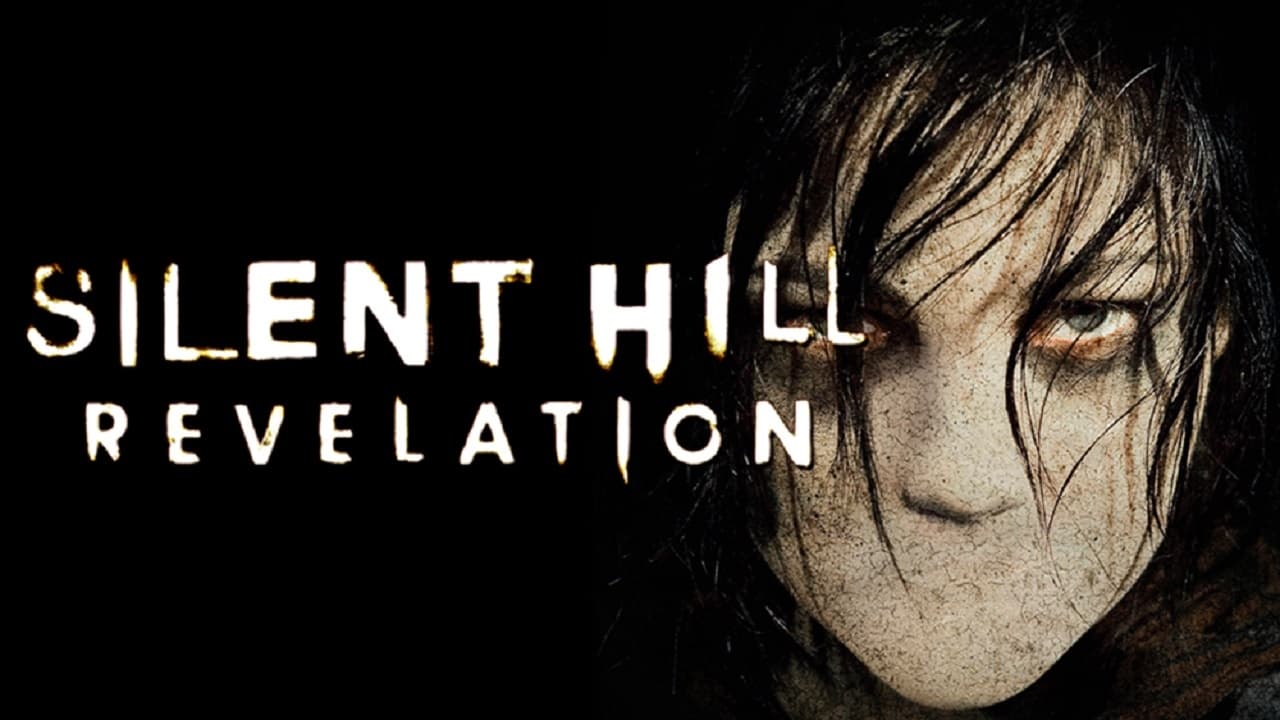
Silent Hill: Revelation 3D
"The fog is thicker, but the depth is gone."
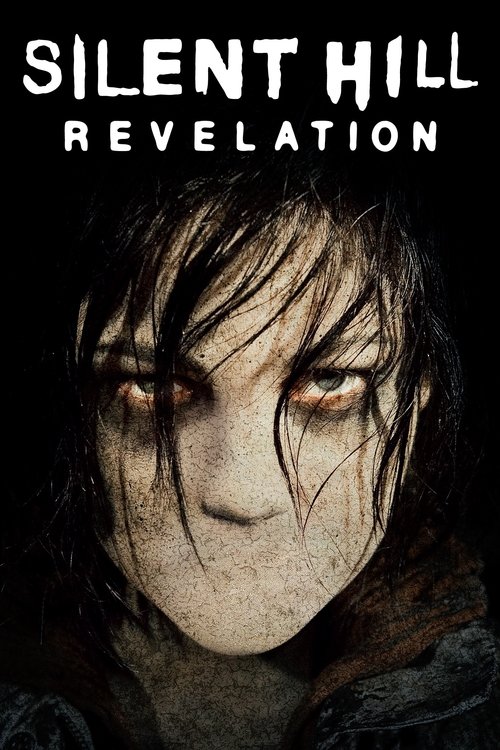
The sound of the air raid siren in a Silent Hill movie is supposed to trigger a specific, primal kind of dread—that Pavlovian response where you know the world is about to peel away like burnt wallpaper to reveal the rusty, blood-slicked nightmare underneath. But in 2012’s Silent Hill: Revelation 3D, that siren sounded more like a call to put on some plastic glasses and prepare for a haunted house ride that never quite knows when to stop.
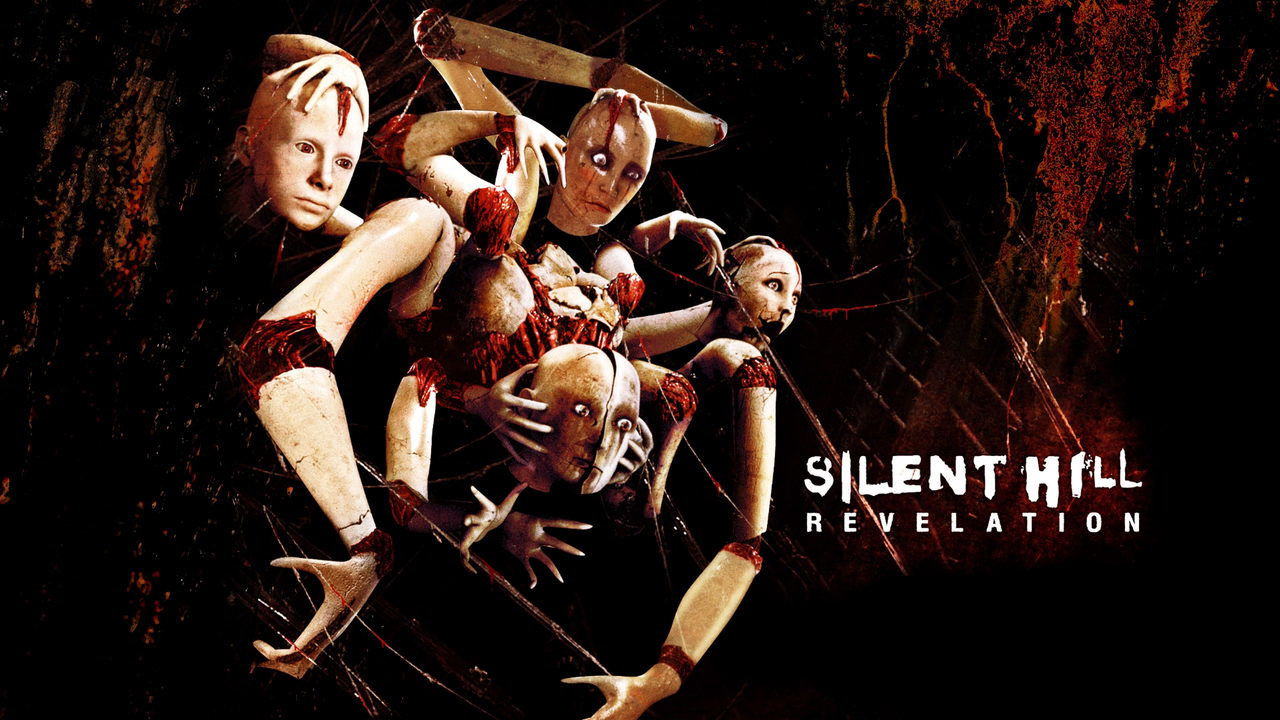
I watched this on a laptop with a screen so smudged that every time the fog appeared, I couldn't tell if it was the cinematography or a fingerprint I’d left after eating a bag of Cheetos. Honestly, the smudge might have added a bit of much-needed atmosphere. Looking back at this era of cinema—roughly the late 2000s to the early 2010s—we were right in the thick of the "3D everything" craze. Following the success of Avatar, studios were convinced that if you didn't have a meat cleaver or a drop of digital blood flying toward the audience's nose every ten minutes, you weren't really making a movie.
The 2012 Gimmick Dimension
Silent Hill: Revelation is a fascinatng time capsule of that specific tech anxiety. It’s the sequel to Christophe Gans’ 2006 film, which, for all its narrative clunkiness, remains one of the most visually stunning video game adaptations ever made. Where the first film felt like a slow-burn descent into a fog-drenched purgatory, MJ Bassett’s sequel feels like it’s constantly trying to poke you in the eye. It’s louder, faster, and much more concerned with its "3D" suffix than the psychological rot that made the games so terrifying.
The plot picks up with Heather Mason (Adelaide Clemens) on the run with her father (Sean Bean). It’s an adaptation of the Silent Hill 3 game, which is arguably the scariest entry in the franchise, but here the horror feels "thin." The era’s shift toward heavy CGI is apparent. In 2006, the monsters felt heavy and physical; in 2012, we get the Mannequin Spider—a creature made entirely of doll parts that is conceptually cool but looks like it was rendered on a PlayStation 3 that was currently on fire.
A Stacked Cast in a Rusty Town

One of the most bizarre things about rewatching Revelation is seeing the sheer amount of talent trapped in the fog. You’ve got Sean Bean (Harry Mason) looking perpetually tired, likely because this was filmed right as Game of Thrones was turning him into a global icon again. Then there’s a pre-superstardom Kit Harington as Vincent. Seeing Jon Snow in a high school letterman jacket trying to explain cult lore is the kind of accidental comedy that makes these forgotten sequels worth a revisit.
And then there's the "prestige" horror cameos. Malcolm McDowell shows up as Leonard Wolf in a performance that can only be described as Malcolm McDowell having a very loud, very strange day at work. Carrie-Anne Moss appears as the villainous Claudia Wolf, sporting a platinum-blonde look that makes her look like she wandered off the set of a lost Chronicles of Riddick sequel. The talent is there, but the script treats them like NPCs in a game, giving them blocks of exposition before shoving them off-camera so the next 3D jump scare can trigger.
Monsters, Mannequins, and Missed Opportunities
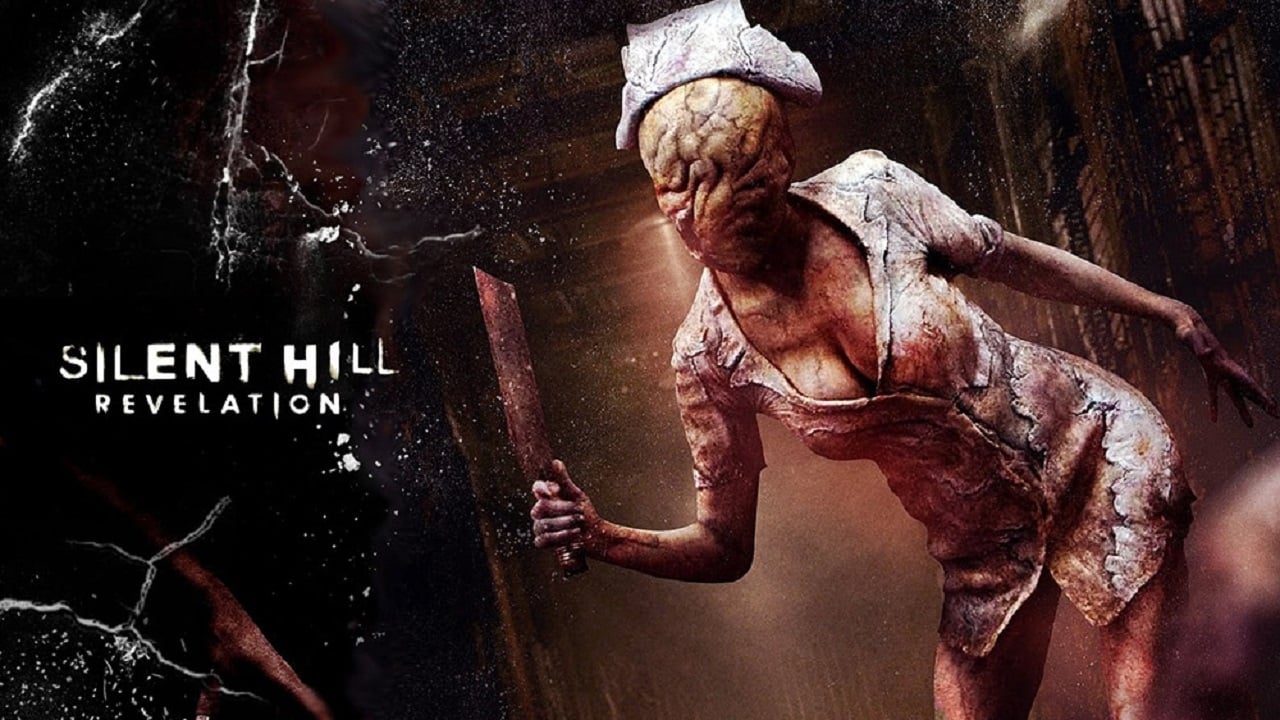
For a horror fan, there are still bits to appreciate. The practical effects work on the iconic Nurses is still top-tier. There is something inherently unsettling about their twitchy, synchronized movement that CGI just can't replicate. When the film leans into those practical roots, it glimpses the nightmare it could have been. But it feels like a movie made by someone who read a Wikipedia summary of the game while riding a roller coaster. It’s too frantic to be scary and too messy to be a great thriller.
The film essentially vanished from the cultural conversation almost immediately. It was a victim of bad timing—released six years after the first movie, which is an eternity in franchise years, and arriving just as audiences were starting to get "3D fatigue." It’s a shame, because the Silent Hill mythos is so rich with themes of repressed guilt and religious trauma. Revelation trades that depth for a boss fight in a spinning carousel that is so aggressive with its pop-out effects I half-expected a dry-cleaning bill for all the digital blood sprayed on my screen.
Silent Hill: Revelation 3D is a loud, messy, and occasionally charming relic of the early 2010s. It lacks the haunting soul of its predecessor, but as a piece of "forgotten" cinema, it’s an interesting look at how studios tried to turn niche atmospheric horror into a theme-park attraction. If you’re a die-hard fan of the games, you’ll find the lore-shredding frustrating, but if you’re looking for a weirdly-cast creature feature to watch while you’re doing something else, it has its moments of accidental fun. Just keep some Windex handy for those screen smudges.
Keep Exploring...
-
Silent Hill
2006
-
The Tall Man
2012
-
Untraceable
2008
-
The Ward
2010
-

The Invasion
2007
-

Case 39
2009
-

Red Riding Hood
2011
-
88 Minutes
2007
-
The Haunting in Connecticut
2009
-

A Nightmare on Elm Street
2010
-
Devil
2010
-
Passengers
2008
-
The Possession
2012
-
After.Life
2009
-
Cleaner
2007
-
Premonition
2007
-
The Hills Have Eyes 2
2007
-
The Hitcher
2007
-
Mirrors
2008
-

Pride and Glory
2008