Silver Linings Playbook
"Chaos has never felt so much like home."
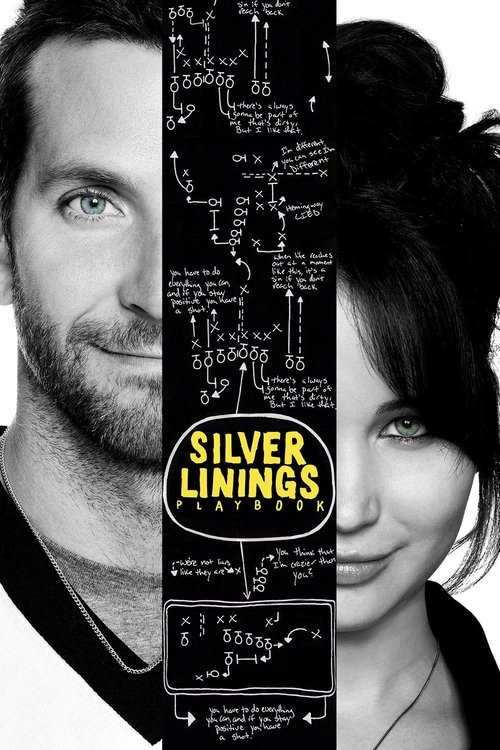
There is a specific kind of Philadelphia-flavored chaos that feels less like a movie setting and more like an endurance test for your central nervous system. I watched this on a laptop while nursing a cold, and the sound of my own congested breathing weirdly harmonized with the film’s frantic pacing. In Silver Linings Playbook, the air in the Solatano household is thick with unsaid trauma, obsessive-compulsive rituals, and the distant, rhythmic chanting of Eagles fans. It’s a loud movie, one where people talk over each other until the dialogue becomes a percussive instrument, yet it somehow manages to be one of the most tender explorations of "brokenness" to ever dominate the box office.
The Art of the Meltdown
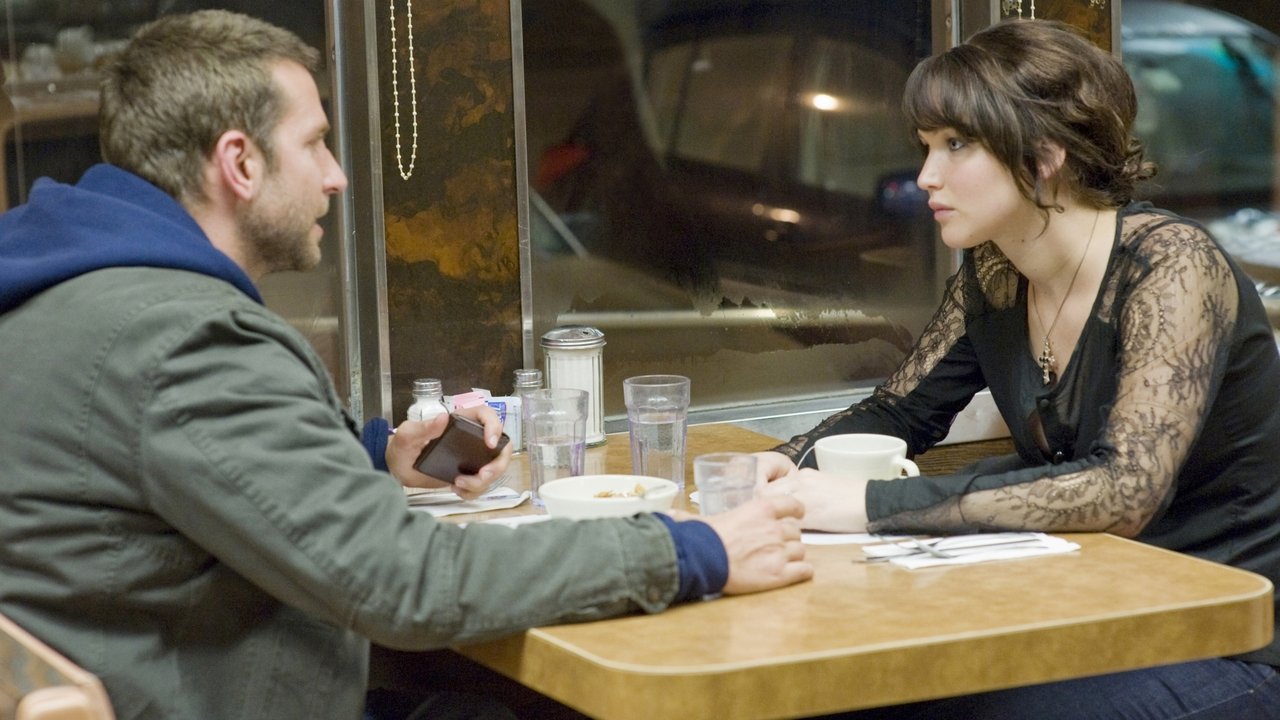
At the center of this hurricane is Bradley Cooper as Pat Solatano Jr. Before this, Cooper was largely the guy from The Hangover (2009)—the handsome, slightly arrogant lead who could coast on charisma. Here, he’s vibrating at a frequency that feels genuinely dangerous. Fresh out of a mental health facility after a violent episode triggered by his wife’s infidelity, Pat is obsessed with a "strategy" to get her back. He’s reading the books she teaches, running in a garbage bag to lose weight, and waking his parents up at 3:00 AM to complain about the ending of A Farewell to Arms.
It’s a performance that could have easily slid into caricature, but Cooper anchors it in a very recognizable form of desperation. He isn't "movie crazy"; he’s a man trying to outrun a brain that keeps tripping him. This was the moment the industry realized he was more than just a chin and a pair of blue eyes, earning him the first of many Oscar nominations.
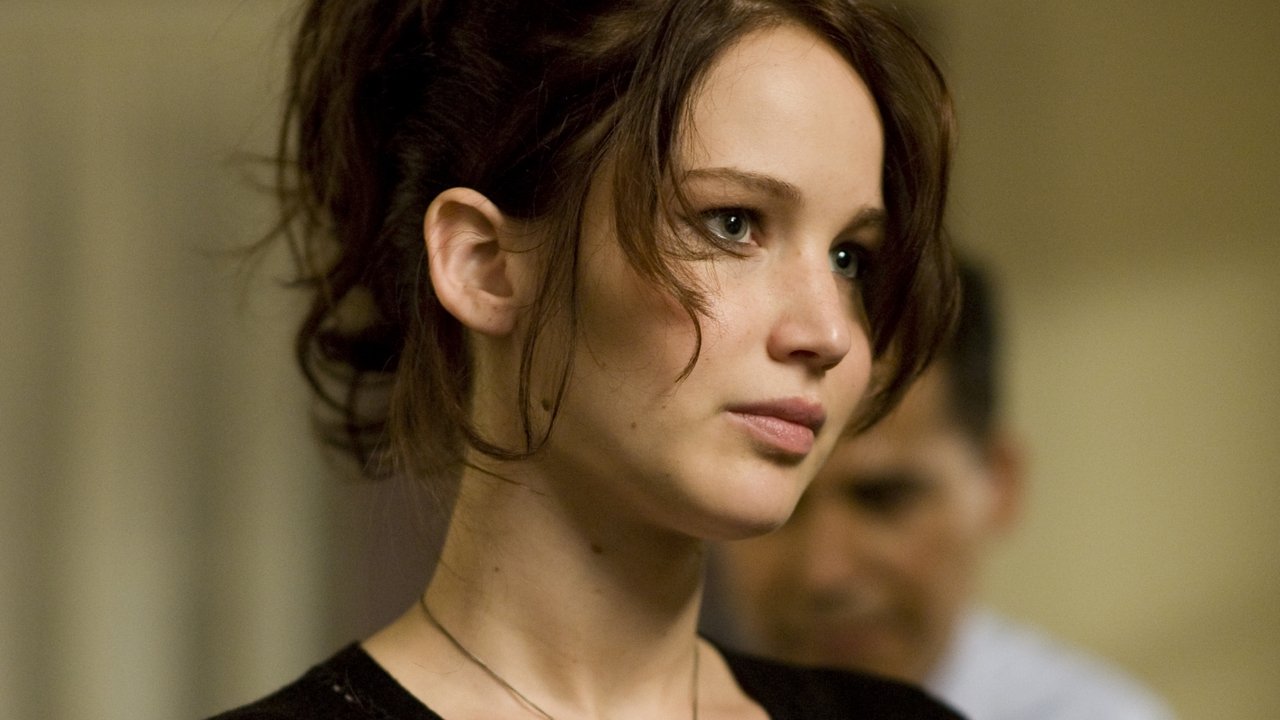
Then enters Jennifer Lawrence as Tiffany. Looking back, it’s wild to remember that 2012 was the year she became the biggest star on the planet. Between the first Hunger Games and this, she was everywhere. As Tiffany, a young widow with her own "reputation" and a bluntness that cuts through Pat’s delusions, she is the perfect foil. She doesn't offer him a cure; she offers him a partner in the wreckage. Their chemistry isn't built on sweet nothings, but on a shared understanding that the rest of the world is just as messed up as they are—they’re just more honest about it.
A Full House of Fixations

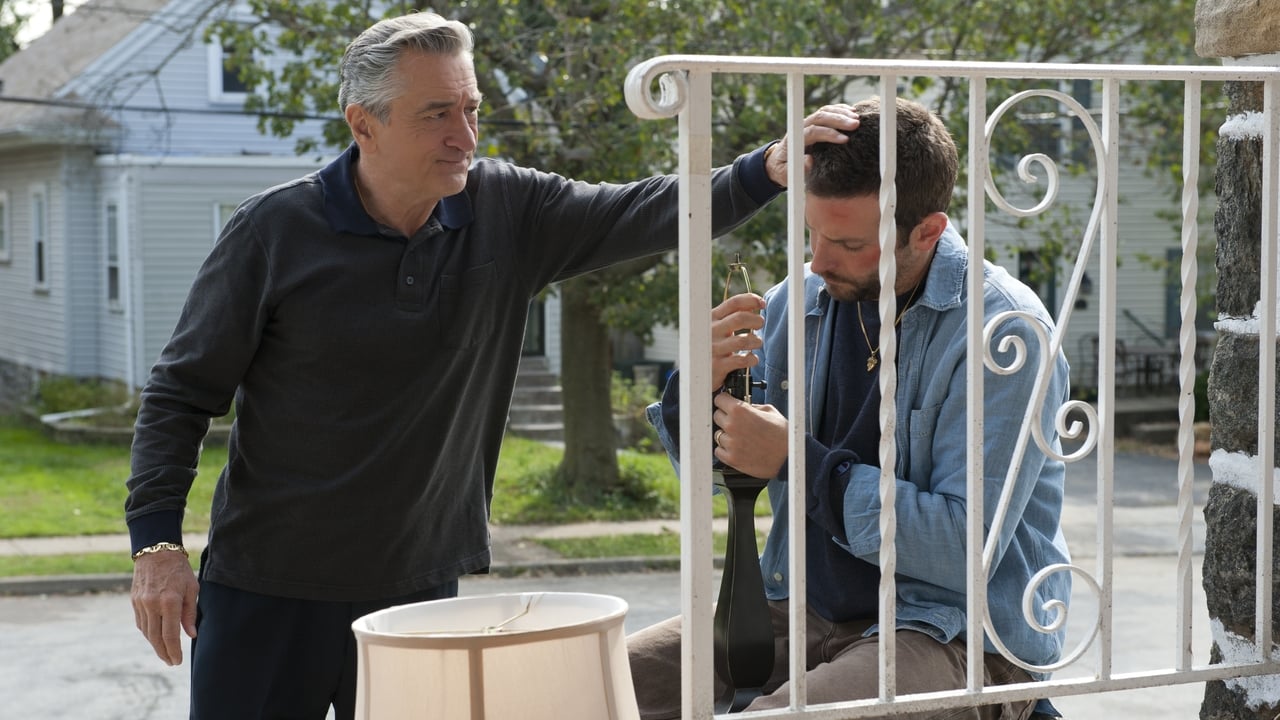
The drama here isn't just about the leads. It’s a family portrait painted in shades of silver and midnight green. Robert De Niro gives his most engaged performance in decades as Pat Sr. This was a massive deal at the time; we had spent years watching De Niro sleepwalk through paycheck comedies like Little Fockers (2010). In the hands of director David O. Russell, who previously worked with Mark Wahlberg in The Fighter (2010), De Niro found something to chew on.
Pat Sr. is a man whose own undiagnosed OCD manifests as a crippling obsession with the Philadelphia Eagles. He believes that the remote controls must be facing a certain way and his son must be in the room for the team to win. It’s a beautiful, heartbreaking parallel—the father is just as "unbalanced" as the son, but because his mania is channeled into sports, it’s socially acceptable. Jacki Weaver (who was terrifying in Animal Kingdom) provides the quiet, stabilizing force as Dolores, the mother just trying to keep the "homestudy" from imploding with the help of some crab snacks.
I have to mention Chris Tucker as Danny. It was his first film role in five years after the Rush Hour sequels, and he brings a gentle, jittery energy that provides the perfect comedic release valve. His recurring escapes from the hospital are a highlight, reminding us that even in a story about mental health, there’s room for a well-timed gag.
The $236 Million "Indie"
By 2012 standards, Silver Linings Playbook was a unicorn. It was a mid-budget adult drama ($21 million) that behaved like a summer blockbuster, eventually raking in over $236 million worldwide. It was the flagship of the Weinstein Company’s "Oscar Machine" era—back when a specific type of prestige dramedy could dominate the cultural conversation for months. It was the first film since 1981’s Reds to be nominated in all four acting categories, a feat that feels almost impossible in today's franchise-heavy landscape.
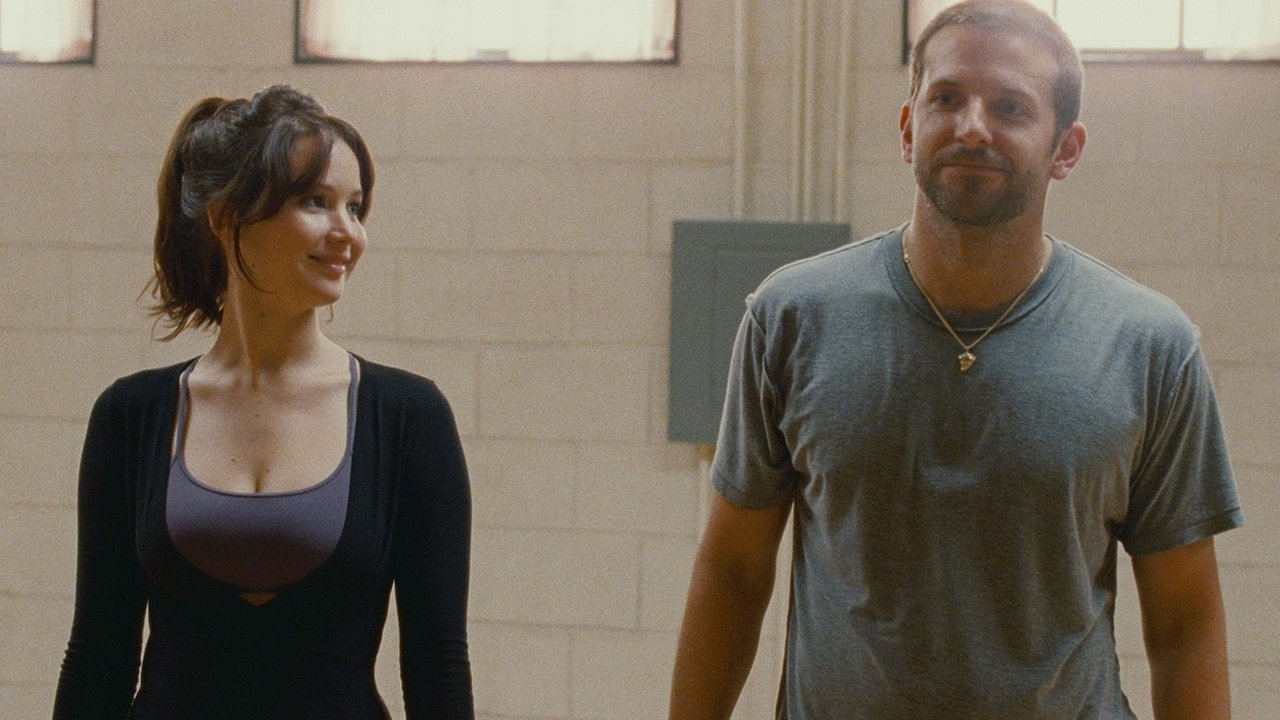
The production trivia is just as chaotic as the film. Apparently, David O. Russell was drawn to the project because his own son has bipolar disorder, which explains why the film feels so lived-in. The dance sequence at the climax, which is the emotional payoff of the whole movie, was intentionally choreographed by Mandy Moore (not that one) to look unpolished. They didn't want professional-grade grace; they wanted two people trying their hardest to hit a "5.0" average.
That final sequence is where the movie’s logic gets a bit stretchy. The parlay bet at the end is basically a degenerate gambler's fever dream masquerading as a grand romantic gesture. If you stop to think about the logistics of betting your entire life’s savings on a football game and a dance competition score, the movie should fall apart. But because Russell has built so much emotional equity by that point, you find yourself cheering for the absurdity.
The film reveals its era through its frantic, handheld cinematography—a style that was peak 2010s but here actually serves the narrative by mirroring the characters’ internal states. It’s a movie that acknowledges that "getting better" isn't about a magical cure, but about finding the person whose weirdness fits your own. While the ending might be a little too "Hollywood" for a story that starts in a psychiatric ward, the journey there is so electric, so loud, and so deeply human that it’s hard to care. It remains a high-water mark for the modern rom-dramedy, proving that sometimes, the only way to stay sane is to embrace the madness with the right person.
Keep Exploring...
-

American Hustle
2013
-

Love & Other Drugs
2010
-
The Artist
2011
-
About a Boy
2002
-

Joy
2015
-
As Good as It Gets
1997
-
Stepmom
1998
-
Lost in Translation
2003
-

Something's Gotta Give
2003
-

Shall We Dance?
2004
-

Nick and Norah's Infinite Playlist
2008
-

Morning Glory
2010
-

Juno
2007
-

Knocked Up
2007
-

Forgetting Sarah Marshall
2008
-

High School Musical 3: Senior Year
2008
-

17 Again
2009
-

Hannah Montana: The Movie
2009
-
He's Just Not That Into You
2009
-
The Proposal
2009