Skyfall
"The past is a ghost that never stays buried."
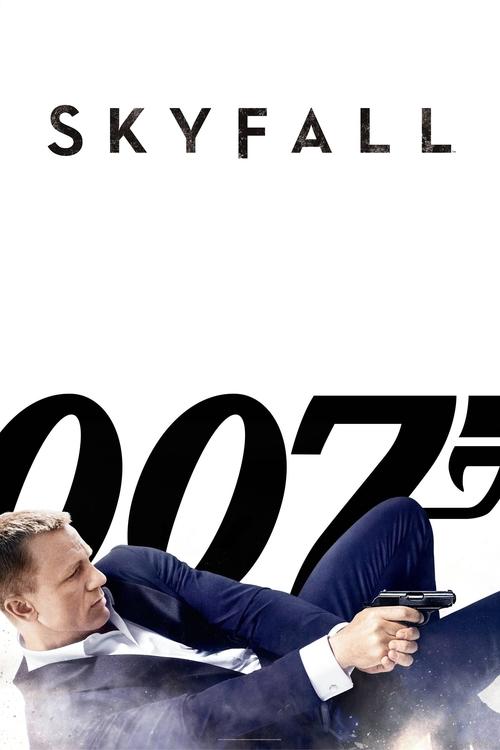
There is a haunting, almost funereal stillness in the way Sam Mendes (the mind behind American Beauty) frames the end of the world. In the 007 universe, we’re used to the world "ending" via a giant laser or a hijacked satellite, but in Skyfall, the apocalypse is intimate. It’s a hard drive. It’s a leaky ceiling in a London basement. It’s the realization that the people who are supposed to protect you are just as broken as the villains they hunt.
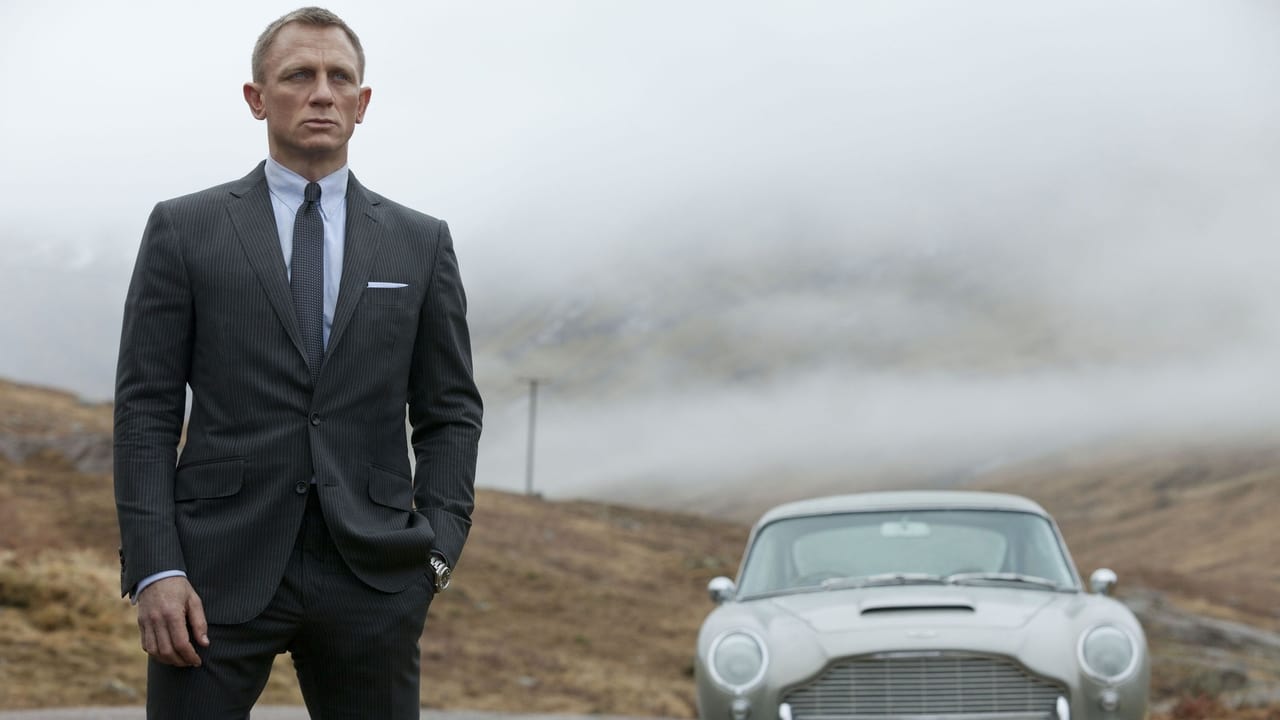
When I sat down to watch this, I was actually nursing a fairly aggressive head cold and drinking a cup of tea that had approximately three times the recommended amount of honey in it. Oddly, that hazy, slightly feverish state matched the film’s dreamlike aesthetic perfectly. This isn’t just another entry in the "James Bond Collection"; it’s a high-water mark for what a blockbuster can be when it stops trying to be a commercial and starts trying to be a character study.
The Art of the Elegant Decay
By 2012, the "gritty reboot" trend sparked by Batman Begins and Bond’s own Casino Royale was starting to feel a bit stale. We were drowning in shaky-cam and desaturated grays. Skyfall took a hard left turn. Roger Deakins, perhaps the greatest cinematographer to ever touch a camera, turned this movie into a moving painting. I’m still convinced that the silhouette fight in Shanghai—set against a neon-blue jellyfish backdrop—is the single most beautiful sequence in action cinema history.
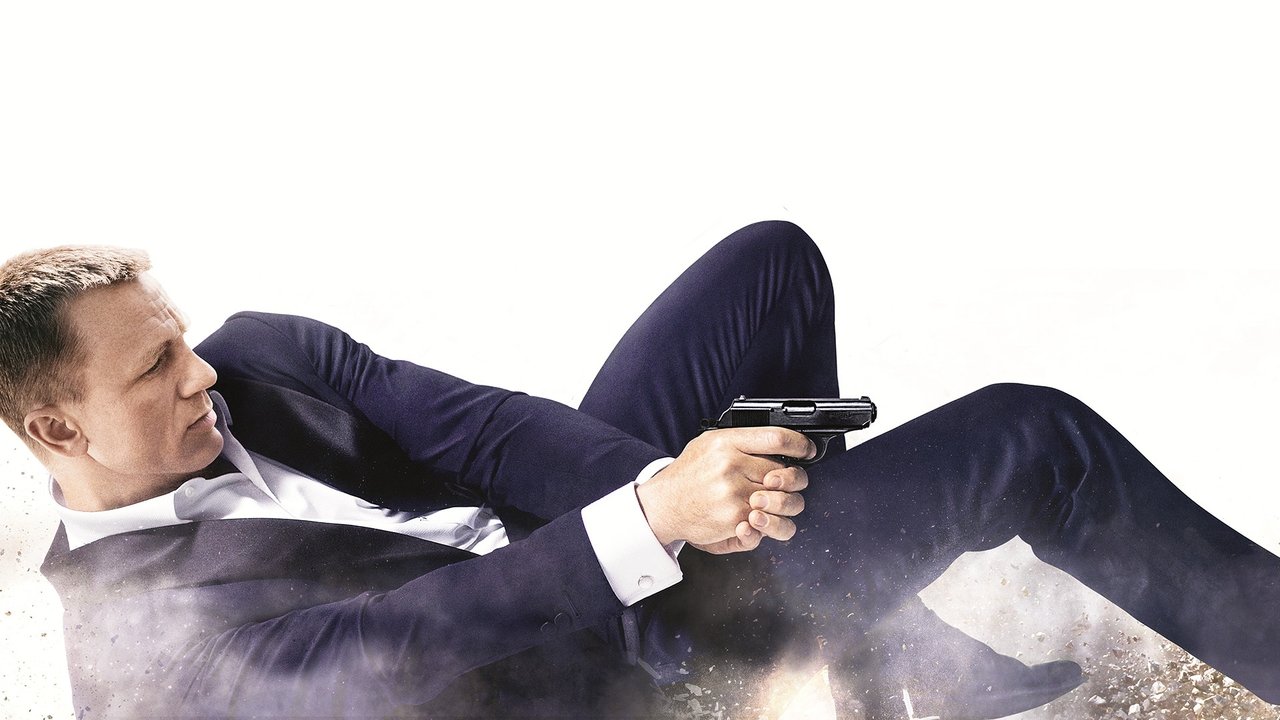
It captures that 2010s transition where digital filmmaking finally started to outshine the texture of film stock. The clarity is staggering, but it’s used to highlight the cracks in the armor. Daniel Craig looks exhausted here. He’s not the indestructible superhero of the Pierce Brosnan era; he’s a man who has been shot, dropped off a bridge, and told he’s a "dinosaur" by the very agency he bleeds for. Bond movies are usually just travel brochures with bullets, but this felt like a funeral for the 20th century.
A Villain Born of the Server Room
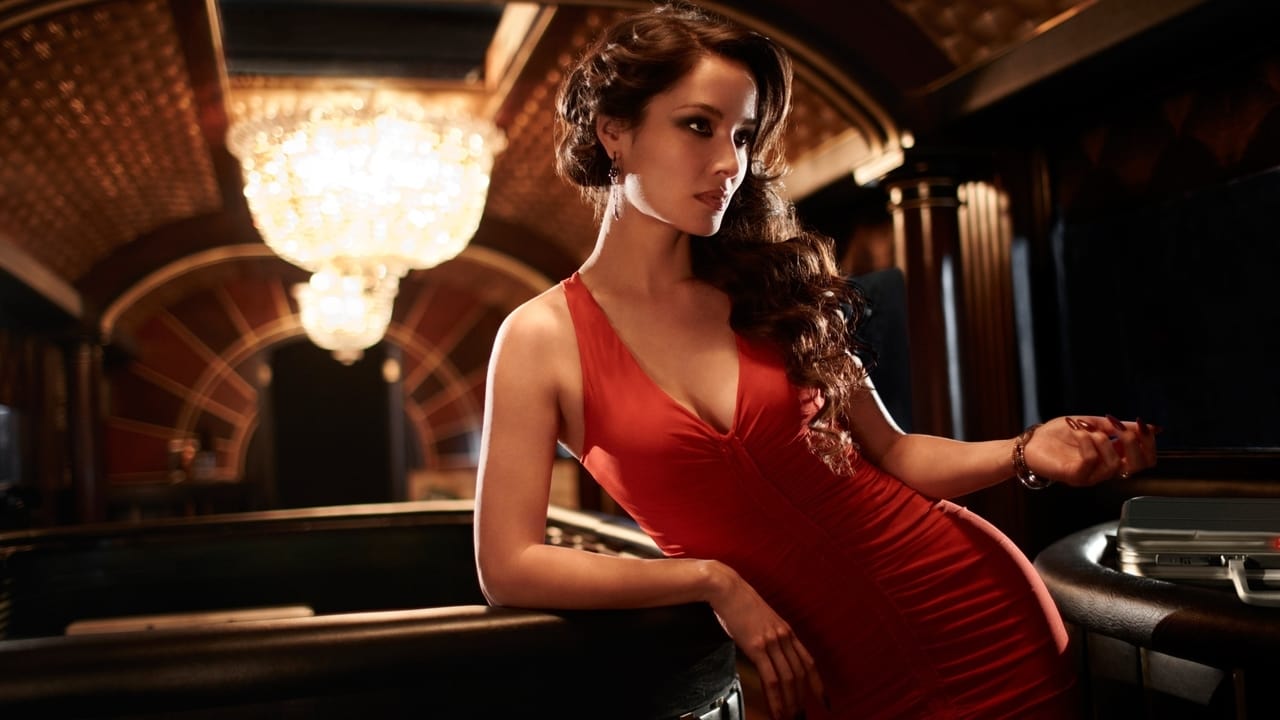
The post-9/11 landscape of action movies spent a decade grappling with "shadowy" threats, but Skyfall personified the era's cyber-anxiety through Raoul Silva. Javier Bardem (channeling a much more flamboyant terror than his turn in No Country for Old Men) is the perfect mirror for Bond. He is what happens when the "expendable asset" survives.
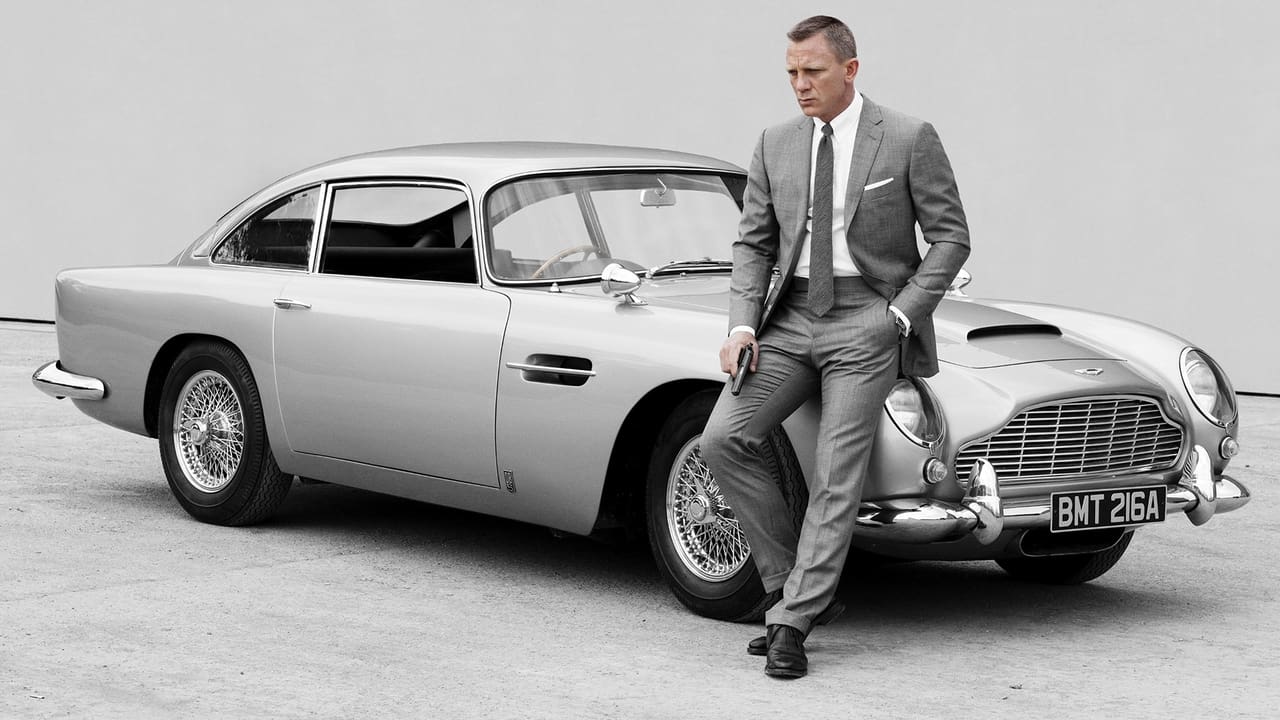
Silva doesn't want to rule the world; he wants to hurt his "mother," M. This shift in stakes is what makes the film's second half so intense. When the action moves to the Scottish Highlands, the film sheds its high-tech skin and becomes a brutal, low-tech siege movie. Watching Bond resort to light bulbs and floorboard nails to defend his ancestral home felt like a deliberate middle finger to the gadget-heavy tropes of the past. The DB5 getting blown up felt more tragic than most character deaths because it represented the literal destruction of the franchise's history to make room for something new.
Behind the Curtain of a Billion-Dollar Behemoth
The scale of this production was astronomical, even for EON Productions. With a budget of $200 million, the pressure was on to celebrate Bond’s 50th anniversary, and the gamble paid off to the tune of over $1.1 billion. It remains the highest-grossing film in the series, a feat achieved by appealing to people who don’t even like spy movies.
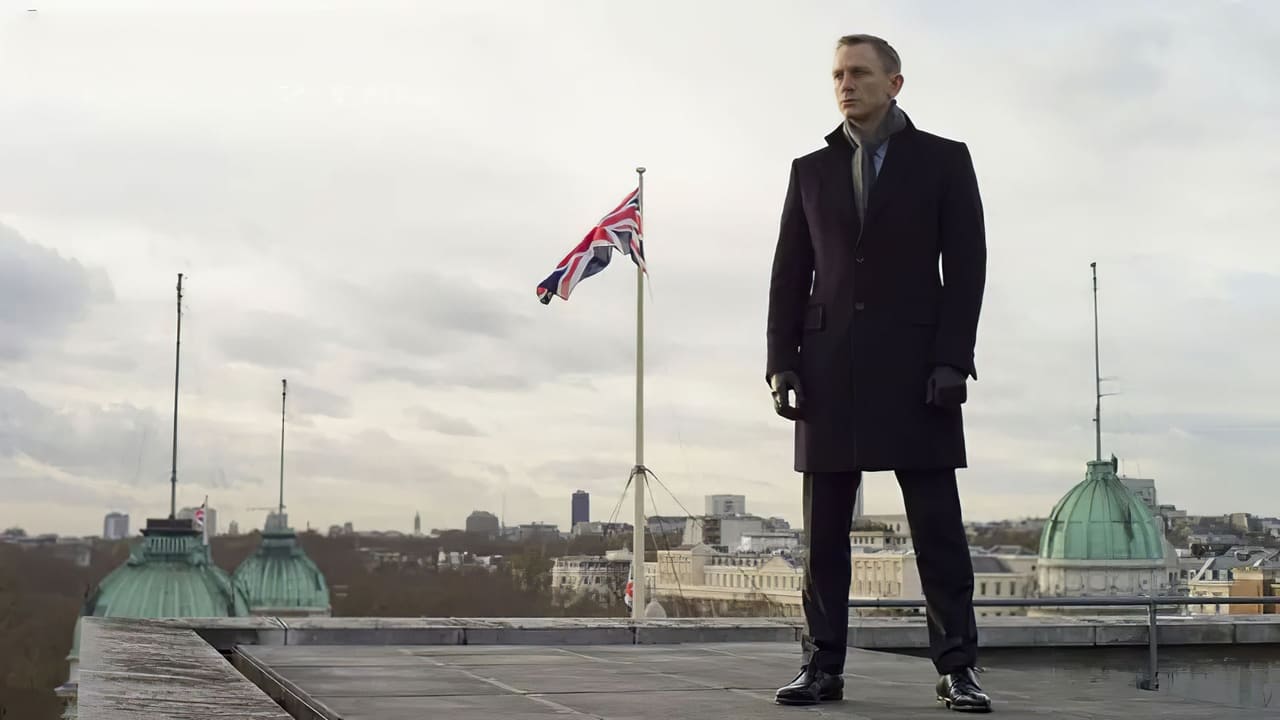
The production trivia alone is a testament to the "practical-meets-digital" era. For that opening train sequence in Istanbul, Daniel Craig was actually on top of that moving train, secured by a wire so thin it had to be digitally removed in post-production. No green screen could replicate the way his suit flutters in the real wind. Speaking of the suit, costume designer Jany Temime reportedly had 85 versions of the same Tom Ford suit made for the opening sequence alone. That is the kind of obsessive, "corporatized Hollywood" detail that defines modern blockbusters, yet on screen, it just looks like effortless cool.
Then there’s the score. Thomas Newman stepped in for long-time composer David Arnold, bringing a more atmospheric, percussive tension that felt distinctly "now." And we can’t talk about Skyfall without the Adele theme. It was the first Bond song to win an Oscar, and it served as the perfect sonic anchor for the film’s themes of drowning and resurrection.
The film isn't without its "blockbuster logic" flaws—Silva’s master plan relies on an absurd amount of coincidental timing during the London chase—but the emotional weight carries it over the finish line. Judi Dench gives the performance of her career here, turning M from a bureaucratic figurehead into a tragic matriarch. It’s a dark, brooding, and visually spectacular reminder that even the most corporate franchises can have a soul if you put the right artists in charge. Skyfall didn't just save MI6; it saved Bond from becoming a relic.
Keep Exploring...
-
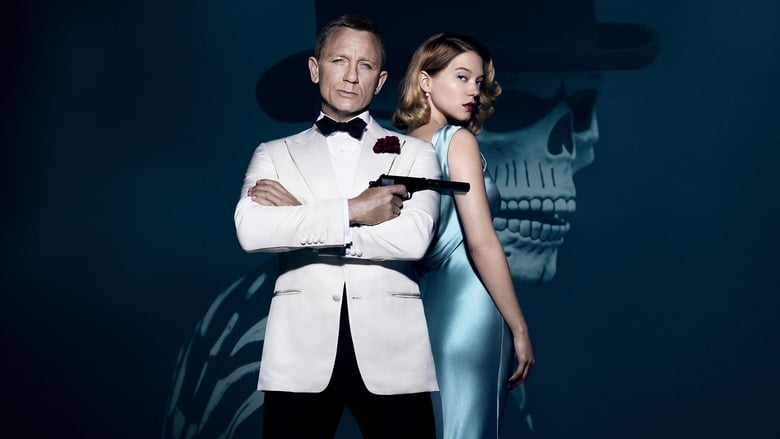
Spectre
2015
-
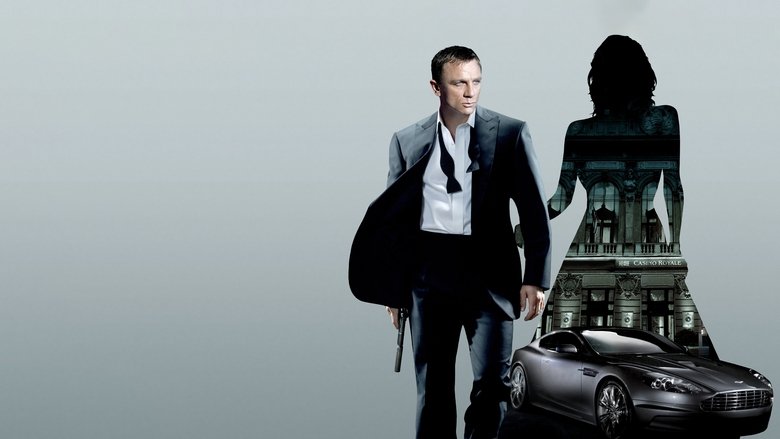
Casino Royale
2006
-
No Time to Die
2021
-
Quantum of Solace
2008
-
GoldenEye
1995
-
Tomorrow Never Dies
1997
-
Die Another Day
2002
-

Goldfinger
1964
-
From Russia with Love
1963
-
Thunderball
1965
-
You Only Live Twice
1967
-
Live and Let Die
1973
-
The Spy Who Loved Me
1977
-
For Your Eyes Only
1981
-
Octopussy
1983
-
The Living Daylights
1987
-
Licence to Kill
1989
-

The World Is Not Enough
1999
-
Dr. No
1962
-
On Her Majesty's Secret Service
1969