Snow White and the Huntsman
"Black hearts, sharp blades, and poisoned fruit."
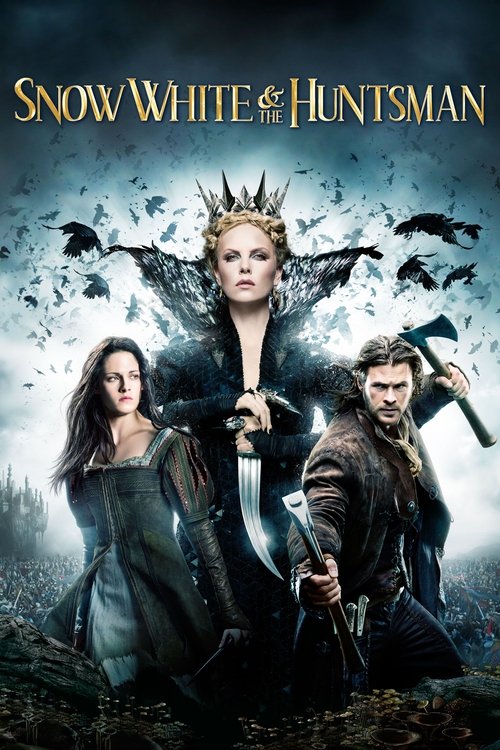
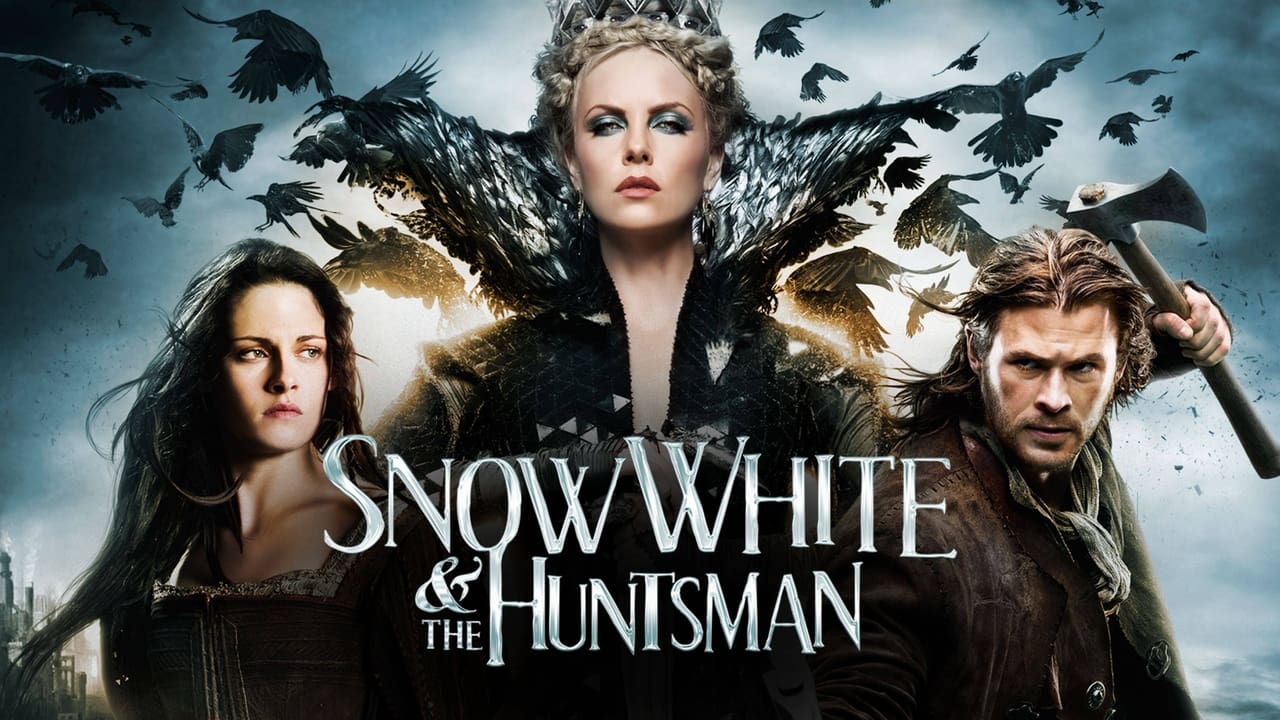
The year 2012 was a strange, transitional moment for the multiplex. We were elbow-deep in the "gritty reboot" era, where every childhood memory had to be dipped in charcoal and dragged through a puddle to be taken seriously. Between The Hunger Games and the end of the Twilight saga, Hollywood decided that what we really needed was a Snow White who looked like she’d spent three weeks sleeping in a ditch. While Mirror Mirror (released the same year) went for neon-colored whimsy, Rupert Sanders’ Snow White and the Huntsman chose the path of mud, rusted iron, and existential dread.
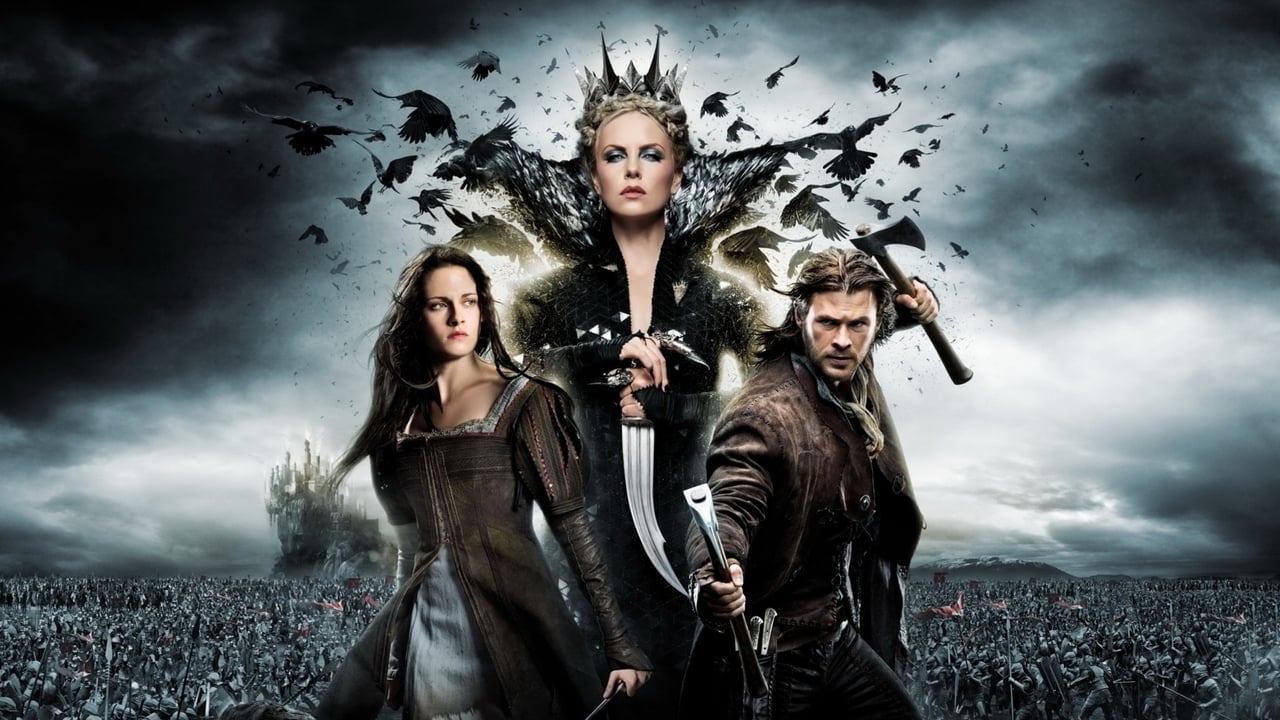
I watched this most recent time while trying to assemble a flat-pack IKEA nightstand, and let me tell you, Charlize Theron’s shrieking about her fading youth really helped me channel my frustration with a missing Allen wrench. It’s a movie that feels like a heavy wool blanket—scratchy, slightly damp, but undeniably well-made.
The Fraser Factor and the Death of Glamour
If you look at the credits of this film now, one name jumps out more than any other: Greig Fraser. Long before he was winning Oscars for Dune or making Gotham look like a rain-slicked nightmare in The Batman, he was turning this fairytale into a high-art visual feast. This movie looks significantly better than it has any right to. In an era where "digital" often meant "flat and grey," Fraser gives the Dark Forest a tangible, choking atmosphere.
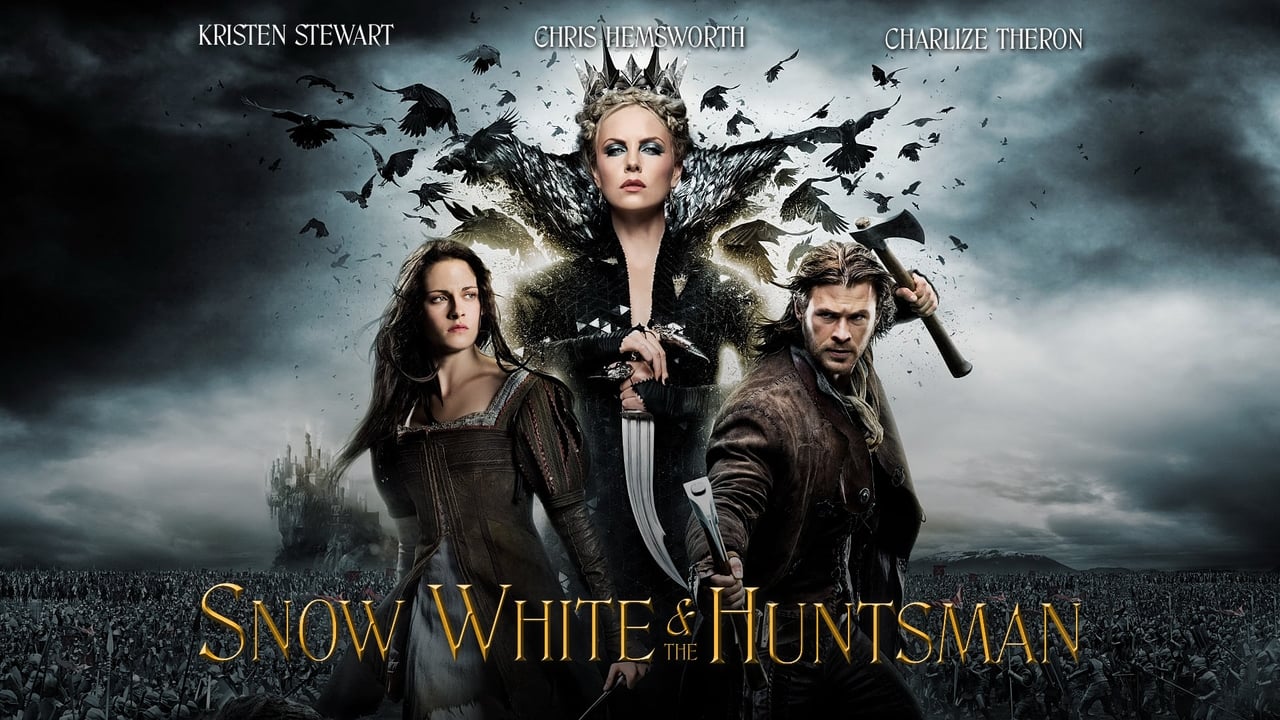
The production design by Dominic Watkins is equally impressive. We’re talking about a time when CGI was starting to take over everything, yet there’s a wonderful weight to the practical sets here. When Charlize Theron as Queen Ravenna steps into a milk bath or collapses into a pile of raven feathers, it feels tactile. It lacks that glossy, plastic sheen that eventually crippled the fantasy genre in the late 2010s. The movie looks like a $170 million heavy metal album cover, and I mean that as a sincere compliment.
A Queen Scorned and a Silent Savior
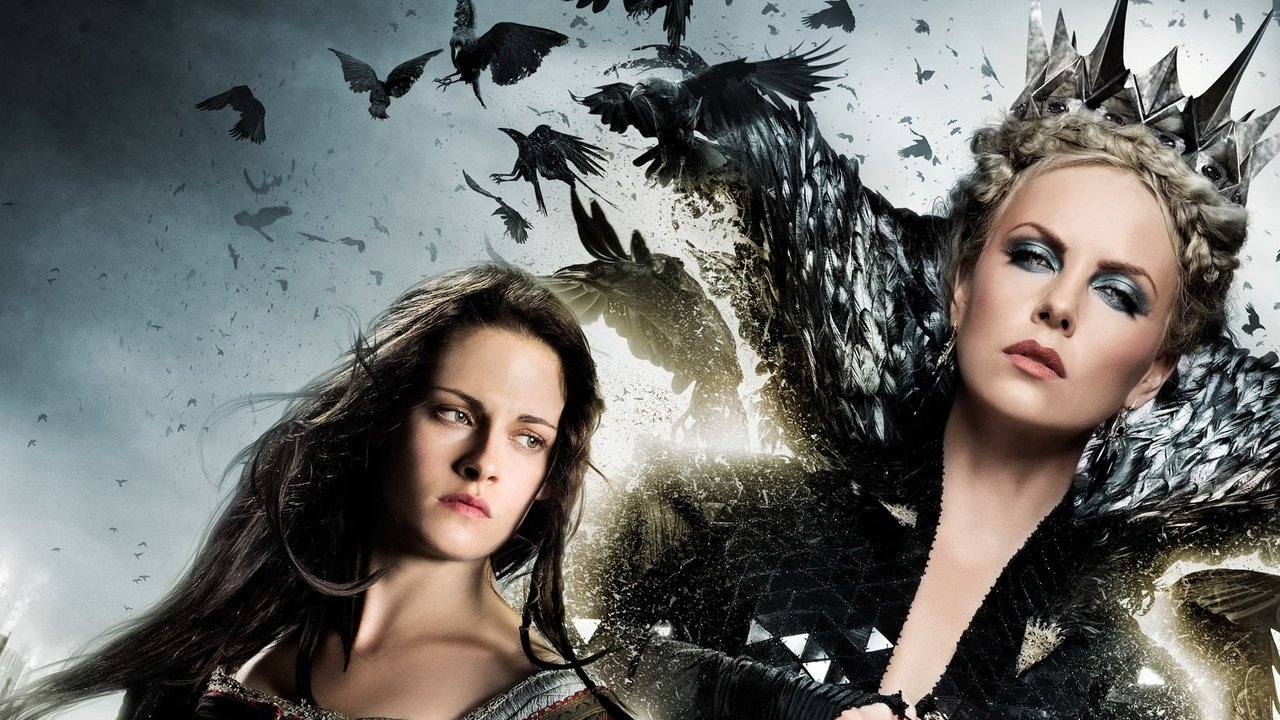
Let’s talk about the elephant in the room: Charlize Theron. If acting were a contact sport, she’d be facing a lifetime ban for what she does here. She doesn't just play Ravenna; she launches a full-scale assault on the concept of "subtlety." Theron isn’t just acting; she’s trying to swallow the entire set whole. It is a glorious, unhinged performance that actually brings some much-needed dramatic weight to the "evil stepmother" trope. You can see the trauma and the rot underneath her skin, making her more of a tragic vampire than a cartoon villain.
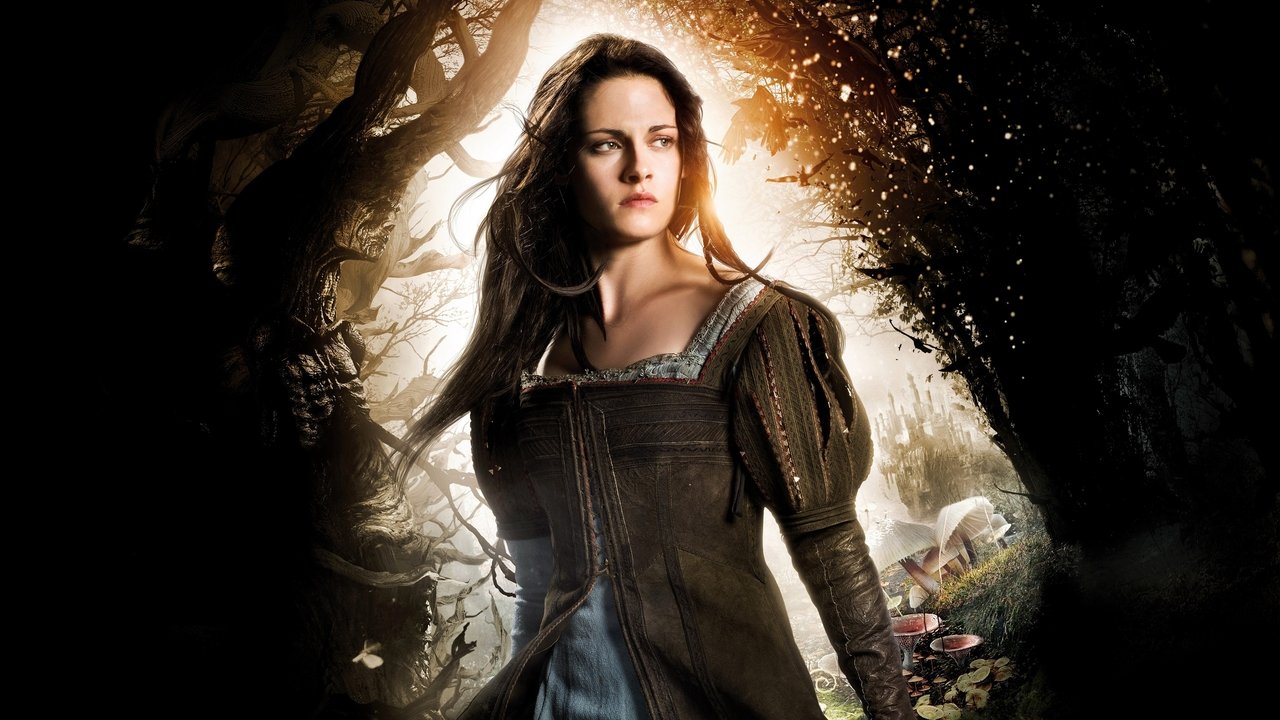
Opposite her, Kristen Stewart delivers a performance that was unfairly maligned at the time. This was the peak of "Twilight fatigue," and the internet was ready to pounce on anything she did. Looking back with a decade of perspective, her Snow White is actually a fascinating choice. She plays the character as someone suffering from massive PTSD. She’s quiet, shell-shocked, and looks like she’s perpetually about to burst into tears or start a revolution. She doesn't have much dialogue, but Stewart has always been a master of internalizing drama.
Then there’s Chris Hemsworth as the Huntsman. Fresh off his first Thor outing, he brings a rugged, drunken charm to the role. He and Stewart have a chemistry that I’d describe as "two people who both desperately need a shower," which fits the tone perfectly. It’s a shame the script from Hossein Amini and Evan Daugherty doesn't give them more to actually talk about between the monster attacks.
The Dwarven Controversy and Cult Curiosities
One of the weirdest artifacts of this film’s production is the casting of the dwarves. In a move that probably wouldn't fly today, the production cast legendary "full-sized" British character actors like Ian McShane (John Wick), Ray Winstone (The Departed), and Bob Hoskins (in his final film role) and used digital trickery to shrink them down. It results in a bit of "Uncanny Valley" syndrome, but the sheer charisma of these guys is undeniable. Hearing Ian McShane grumble through a fairytale is a treat I didn't know I needed.
The film has since earned a bit of a cult following, mostly among people who appreciate its "Dark Souls-lite" aesthetic. It’s a film that leans heavily into its 127-minute runtime, occasionally getting lost in its own gloom. It lacks a certain "fun" factor, but as a piece of atmospheric drama, it’s surprisingly sturdy. It also carries the baggage of the infamous behind-the-scenes scandal involving the director and the lead actress, which effectively killed the chance of a direct sequel, leading to the weird, Hemsworth-focused spin-off The Huntsman: Winter's War.
Snow White and the Huntsman is a fascinating relic of the early 2010s obsession with "darker and edgier" storytelling. It’s a drama that uses a fairytale as a skeleton, draped in some of the best cinematography of its decade. While the middle act drags and the ending feels a bit rushed, Charlize Theron's powerhouse performance and the stunning visual world-building make it a trip worth taking. It’s not exactly "happily ever after," but it’s a hell of a lot more interesting than your average Disney live-action remake.
Keep Exploring...
-

The Huntsman: Winter's War
2016
-
Jack the Giant Slayer
2013
-

The Twilight Saga: New Moon
2009
-

The Twilight Saga: Eclipse
2010
-

The Twilight Saga: Breaking Dawn - Part 2
2012
-
10,000 BC
2008
-
The Spiderwick Chronicles
2008
-

47 Ronin
2013
-
DragonHeart
1996
-
The Scorpion King
2002
-
Pirates of the Caribbean: On Stranger Tides
2011
-

Where the Wild Things Are
2009
-

Noah
2014
-
The Twilight Saga: Breaking Dawn - Part 1
2011
-
The Secret Life of Walter Mitty
2013
-
The Golden Compass
2007
-
Inkheart
2008
-
The Chronicles of Narnia: Prince Caspian
2008
-
The Mummy: Tomb of the Dragon Emperor
2008
-
A Christmas Carol
2009