The Avengers
"Six fragile egos, one crumbling city, and the birth of a cinematic empire."
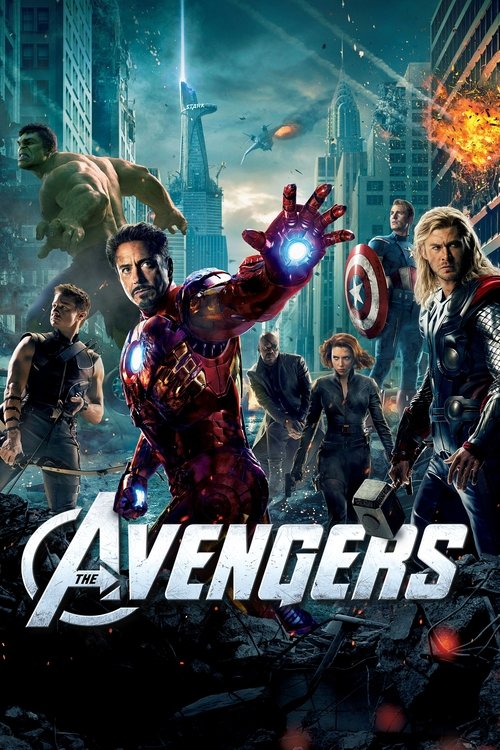
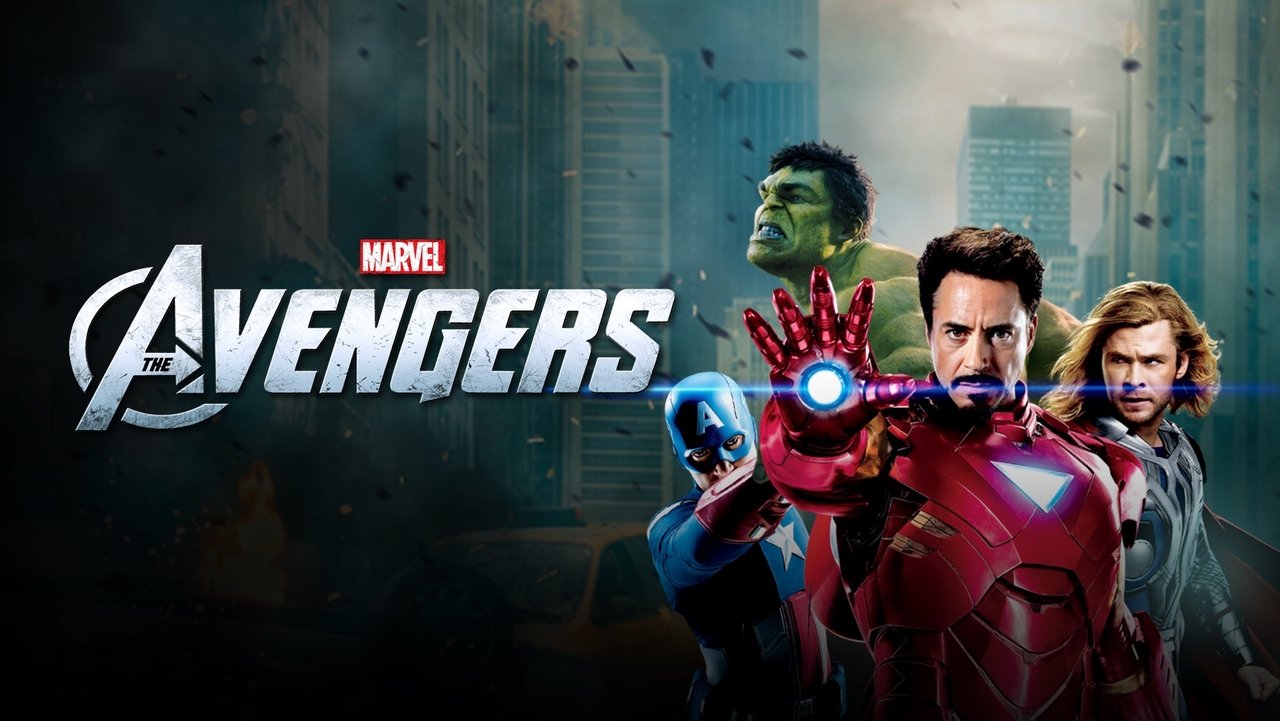
The exact moment the "impossible" became the industry standard occurred during a circular pan in the middle of a debris-strewn Manhattan intersection. As Alan Silvestri's brassy, heroic theme swelled, the camera swept past a Norse god, a frozen-in-time super soldier, a billionaire in high-tech tin, a Russian spy, a master archer, and a very large, very green rage-monster. In 2012, that shot didn't just represent a victory for S.H.I.E.L.D.; it was a victory lap for Kevin Feige and the most audacious gamble in Hollywood history.
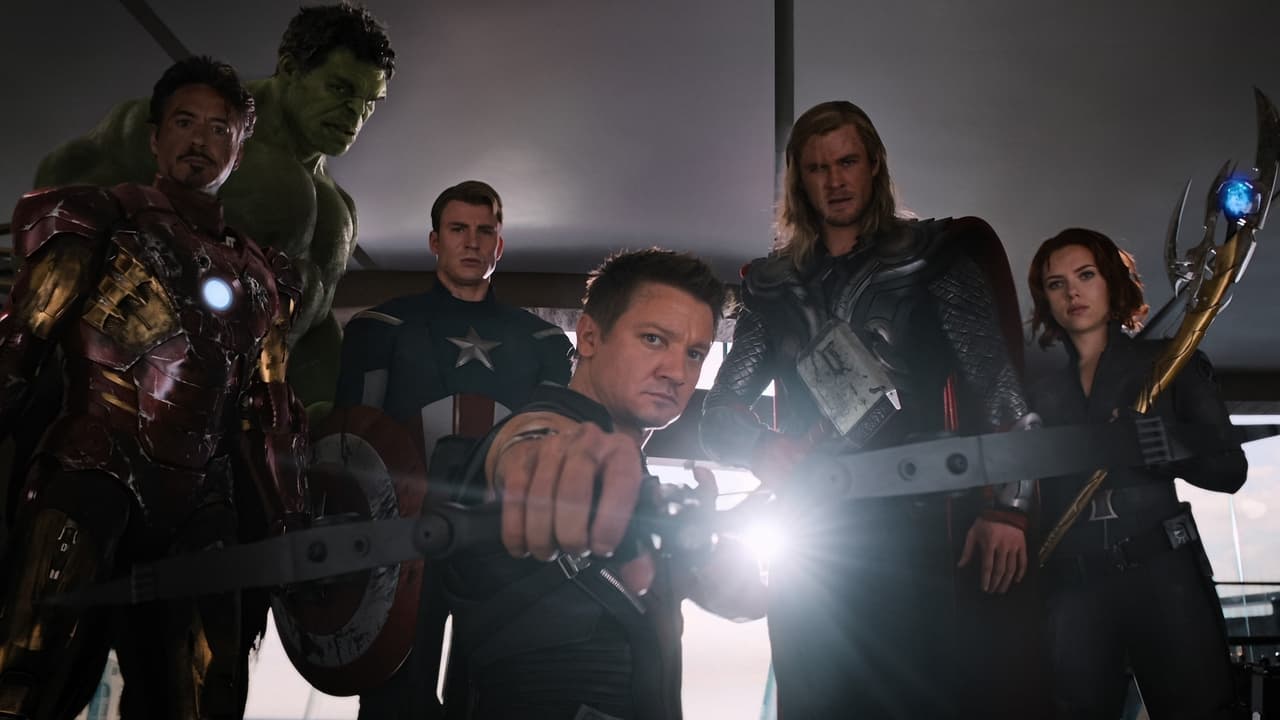
Looking back from an era where "cinematic universes" are often viewed as homework assignments, it's easy to forget how much was actually at stake here. Before The Avengers, the idea of a shared continuity was a niche comic book trope. Critics wondered if Robert Downey Jr.'s snark would clash with Chris Evans' earnestness, or if audiences would reject a third Bruce Banner in less than a decade. Instead, director Joss Whedon—fresh off the cult success of Serenity (2005)—found a way to turn those potential frictions into the film's greatest strength.
The Chemistry of Conflict
The first half of the film is essentially a high-stakes bottle episode set aboard a flying aircraft carrier. It's a masterclass in pacing that prioritizes character dynamics over mindless pyrotechnics. Joss Whedon understood that we didn't just want to see these people fight aliens; we wanted to see them fight each other. The verbal sparring between Tony Stark and Steve Rogers carries as much weight as any physical blow, highlighting a post-9/11 anxiety about security versus freedom that simmered beneath the surface of early 2010s blockbusters.
Robert Downey Jr. remains the undisputed anchor, but the revelation here was Mark Ruffalo. After the brooding interpretations of Eric Bana and Edward Norton, Ruffalo brought a weary, "shrugging-at-the-end-of-the-world" charm to Bruce Banner. His chemistry with Stark—the "Science Bros" dynamic that launched a thousand internet memes—gave the film a human pulse that many of its successors would struggle to replicate.
Digital Destruction and Practical Weight
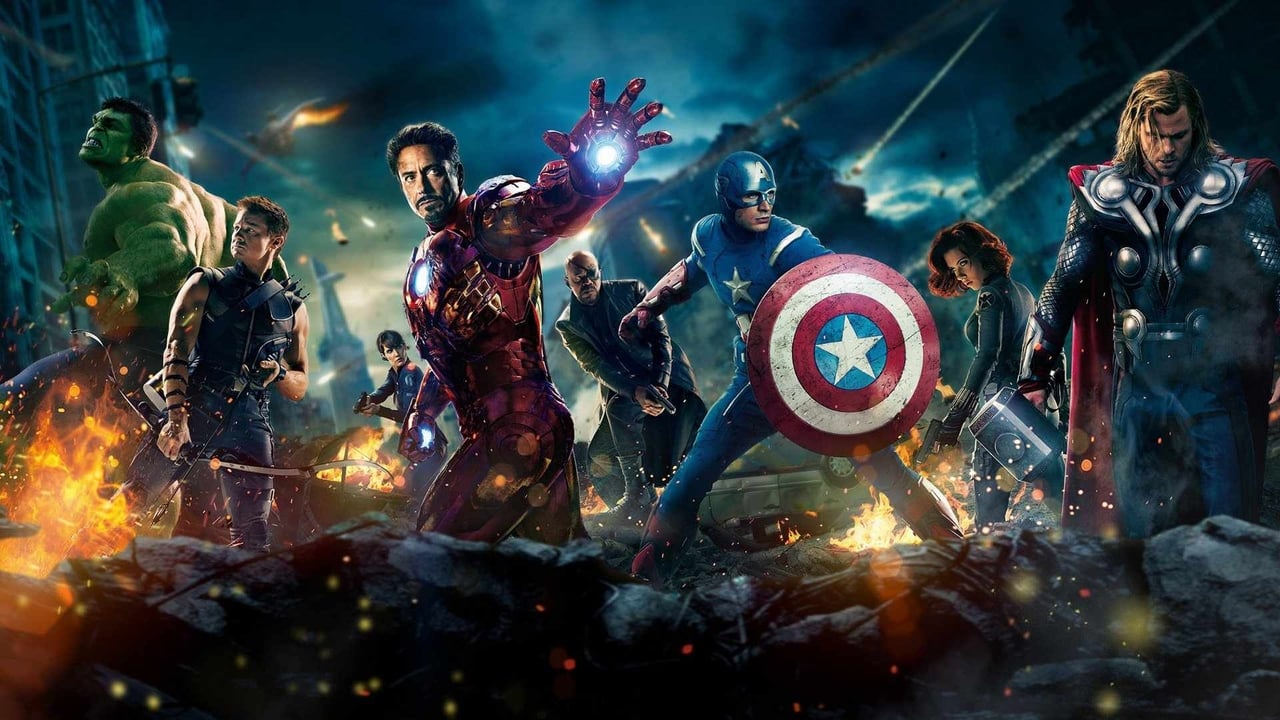
Technologically, The Avengers caught the wave of the digital revolution. Cinematographer Seamus McGarvey shot on the Arri Alexa, giving the film a bright, comic-book-vibrant aesthetic that stood in stark contrast to the moody, desaturated "gritty reboots" of the era, like The Dark Knight Rises or Man of Steel.
The Battle of New York remains a benchmark for action choreography. While the "Chitauri" invaders are largely generic digital fodder, the way the film tracks the geography of the fight is brilliant. We always know where the heroes are in relation to one another. Whether it's Black Widow (Scarlett Johansson) hitching a ride on a Chitauri chariot or Captain America coordinating the local police, the action feels earned because it's rooted in specific character abilities. It wasn't just "explosive action"; it was a multi-track narrative told through movement and flying metal.
The $1.5 Billion Watercooler Moment
The cultural impact of this film was staggering. With a budget of $220 million, it didn't just break records—it shattered them, becoming the first Marvel film to cross the $1 billion mark and eventually hauling in over $1.5 billion worldwide. It transformed Tom Hiddleston's Loki into a generational icon of the "lovable villain" and made "Post-Credits Scene" a mandatory part of the theater-going vocabulary.
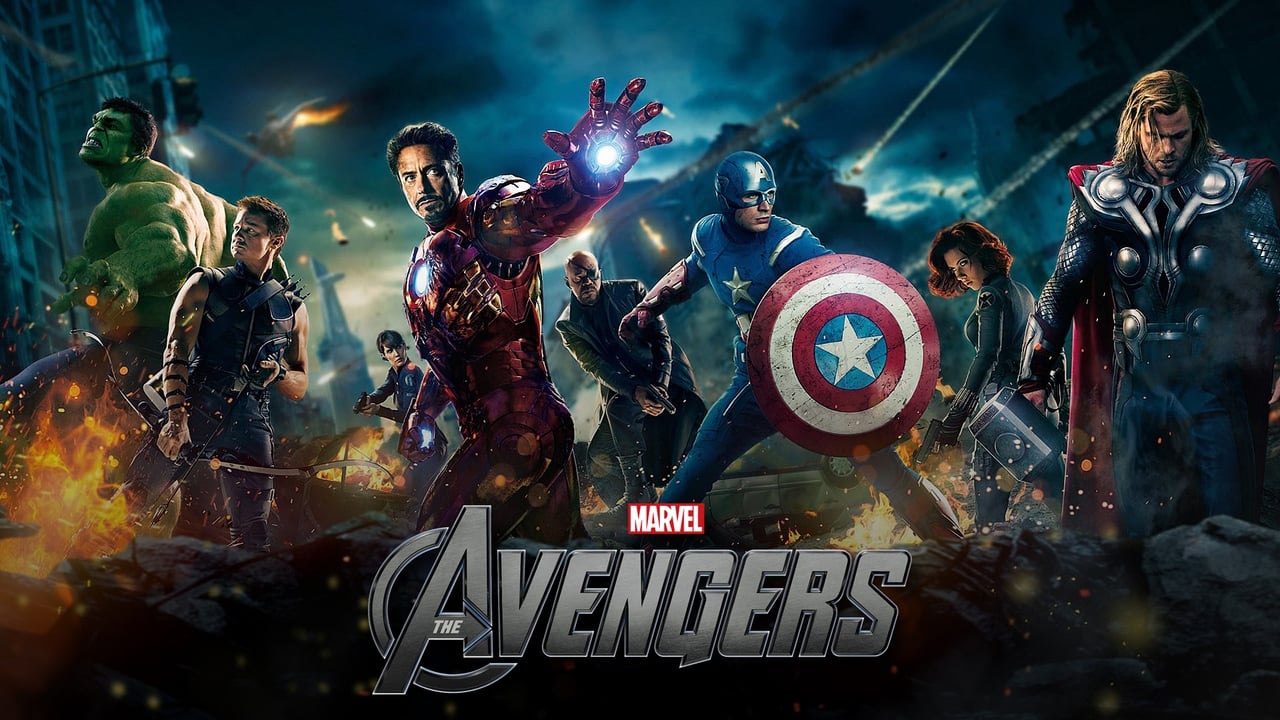
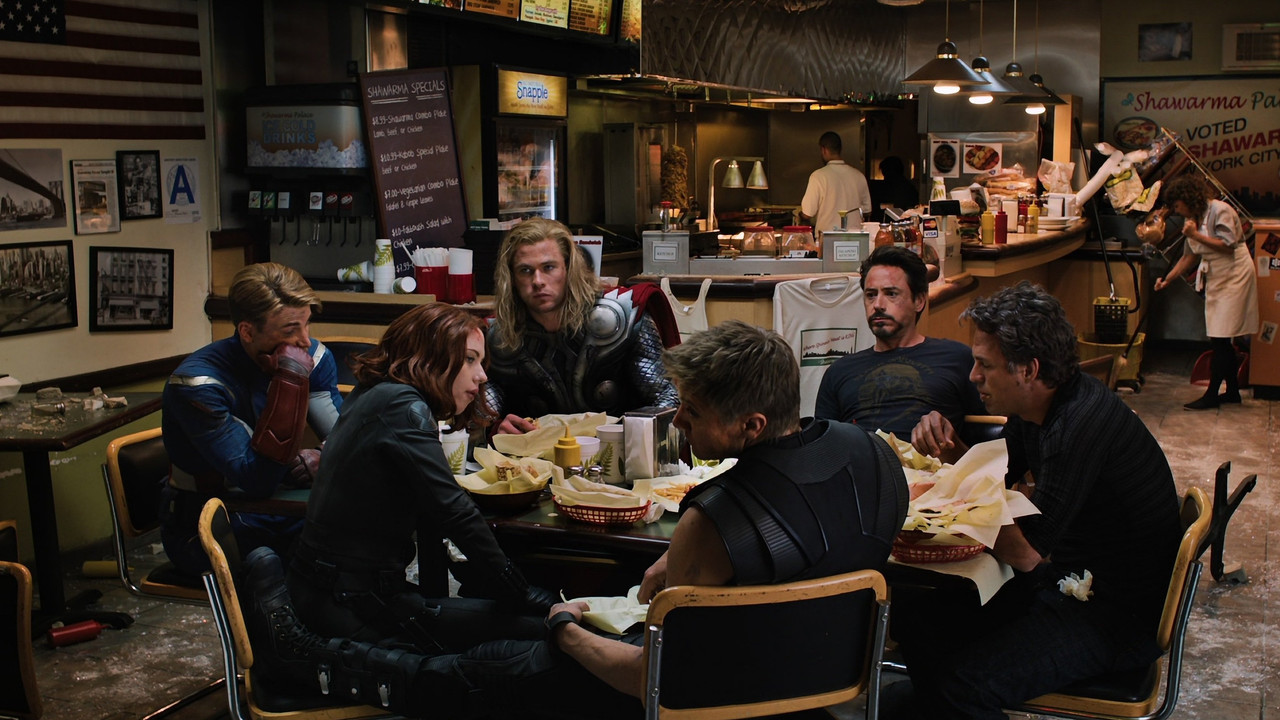
Speaking of those scenes, the legendary "shawarma" stinger—filmed a day after the global premiere when the cast was already doing press—remains the perfect encapsulation of the film's tone. It's a moment of silence, exhaustion, and mundane humanity following a literal alien invasion. It reminded us that even gods and monsters have to eat.
While the visual effects on the Helicarrier have aged slightly in the decade since its release, and the Chitauri feel a bit like a video game "horde mode," the core of the film remains bulletproof. It's a joyful, precision-engineered piece of entertainment that proved you could have your spectacle and your soul, too. It was the peak of the "Franchise Formation" era, before the formula felt like a set of handcuffs.
Keep Exploring...
-
Avengers: Age of Ultron
2015
-
Avengers: Infinity War
2018
-
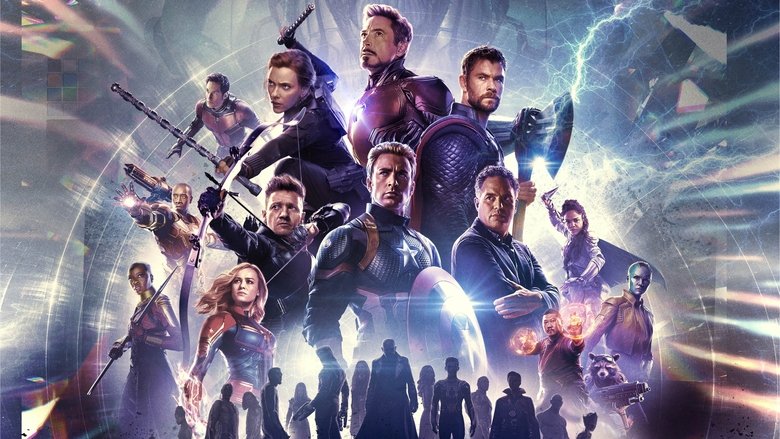
Avengers: Endgame
2019
-
Serenity
2005
-
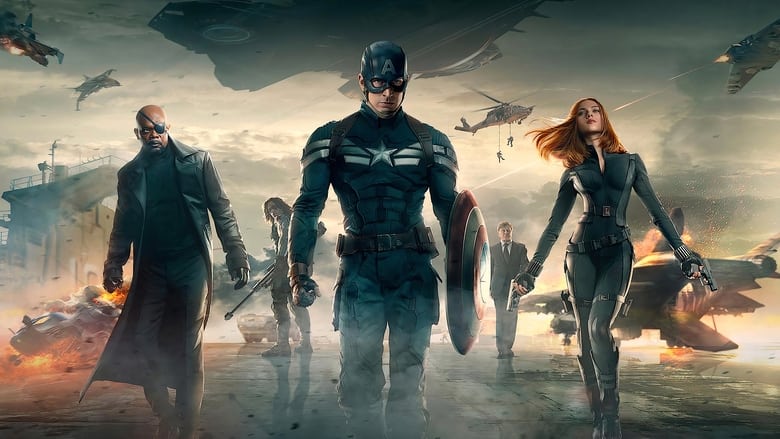
Captain America: The Winter Soldier
2014
-
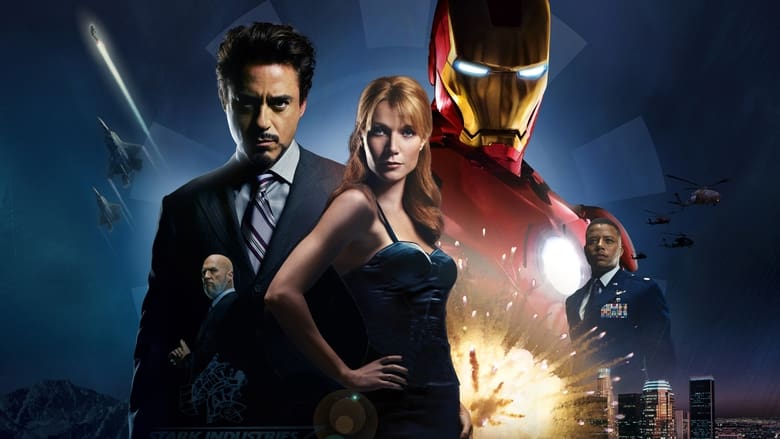
Iron Man
2008
-
Iron Man 3
2013
-
Avatar
2009
-
Inception
2010
-

The Hunger Games
2012
-
The Hunger Games: Catching Fire
2013
-

Guardians of the Galaxy
2014
-

Star Wars: Episode III - Revenge of the Sith
2005
-

Captain America: The First Avenger
2011
-
Total Recall
1990
-
Stargate
1994
-
Men in Black
1997
-

X-Men
2000
-

The Matrix Reloaded
2003
-
X2
2003